


Ever wish you could press a button to tell your dog he did great? Clicker training works like that. It's a small tool that makes learning clear and fun. When you pair a quick click with a tasty treat, your pup quickly learns which actions earn rewards. This simple method cuts through confusion and helps build a strong bond between you and your furry friend.
In this blog, we'll show you how a tiny sound can smooth out training for both new pet parents and those who have been training for a while. We share tips that make the process easy and enjoyable for everyone.
How Clicker Training for Dogs Works to Teach Desired Behaviors Effectively
Clicker training is a fun and clear way to teach your dog right behaviors. You use a small tool that gives a quick click when your dog does something you like. That click tells your pup, "Good job!" When you quickly follow up with a tasty treat, your dog learns the sound means reward. Think of it like this: when your dog sits, a click means a yummy treat is coming.
Using a clicker gives a fast, clear signal that can be better than treats alone. Sometimes, if you only use treats, the delay can confuse your dog, especially if they are quick to act or easily distracted. The click happens right when the behavior takes place, so your dog knows exactly what action earned the reward. This clear timing helps training go faster and smoother.
Research shows that a simple sound marker like a click makes learning easier and reduces confusion. This method works great for both seasoned trainers and new pet parents. Clicker training builds a direct connection between action and reward, making training less stressful and more fun for you and your dog.
Essential Equipment for Successful Clicker Training for Dogs

When you start clicker training, a good clicker is key. We suggest a simple plastic or metal clicker that costs under $10. It makes a clear, precise sound and fits comfortably in your hand. Imagine holding a clicker that feels just right. Each click becomes a signal that your dog understands and learns from. This small tool is affordable and works well with your teaching style.
Choosing the right treats is just as important. Pick treats that are small, soft, and easy to eat so your dog gets an instant reward. A treat pouch can help you keep them handy. Find a quiet area or use a non-slip mat to reduce distractions. Adding a flat collar and leash can also help your dog focus. This setup can make training fun and turns each session into a happy moment for your dog.
Step-by-Step Instructions to Charge and Use a Clicker for Dog Training
Charging the Clicker
To charge the clicker, you pair its sound with a treat until your dog knows that a click means a reward is coming. This step can take up to 45 minutes. Find a quiet spot and hold the clicker. Click it and give your dog a treat right away. Think of it like when your cat purrs and you know something fun is about to happen. This step lays the foundation for all the training to come.
Teaching a Simple Command (e.g., Sit)
When your dog starts to understand the click sound, try a simple command like "sit." When your dog sits, click the moment their bottom touches the floor. Then, quickly give a treat. The click tells your dog which action made you happy. Starting with "sit" is a great way for beginners and builds trust for learning more tricks later.
Adding New Behaviors (e.g., Down, Stay)
After your dog masters "sit," you can work on new commands like "down" or "stay." Use the same method: do the trick, click at the right time, and then give a treat. With short practice sessions, your dog can learn many commands. Each new behavior adds to the meaning of the click.
Shaping Complex Actions (e.g., Wave)
For a trick like "wave," start small. Click and treat for a little movement that looks like the start of a wave. Slowly add more until your dog performs the full action. This step-by-step method helps your dog learn even a complex trick over time.
Troubleshooting Common Clicker Training Issues for Dogs
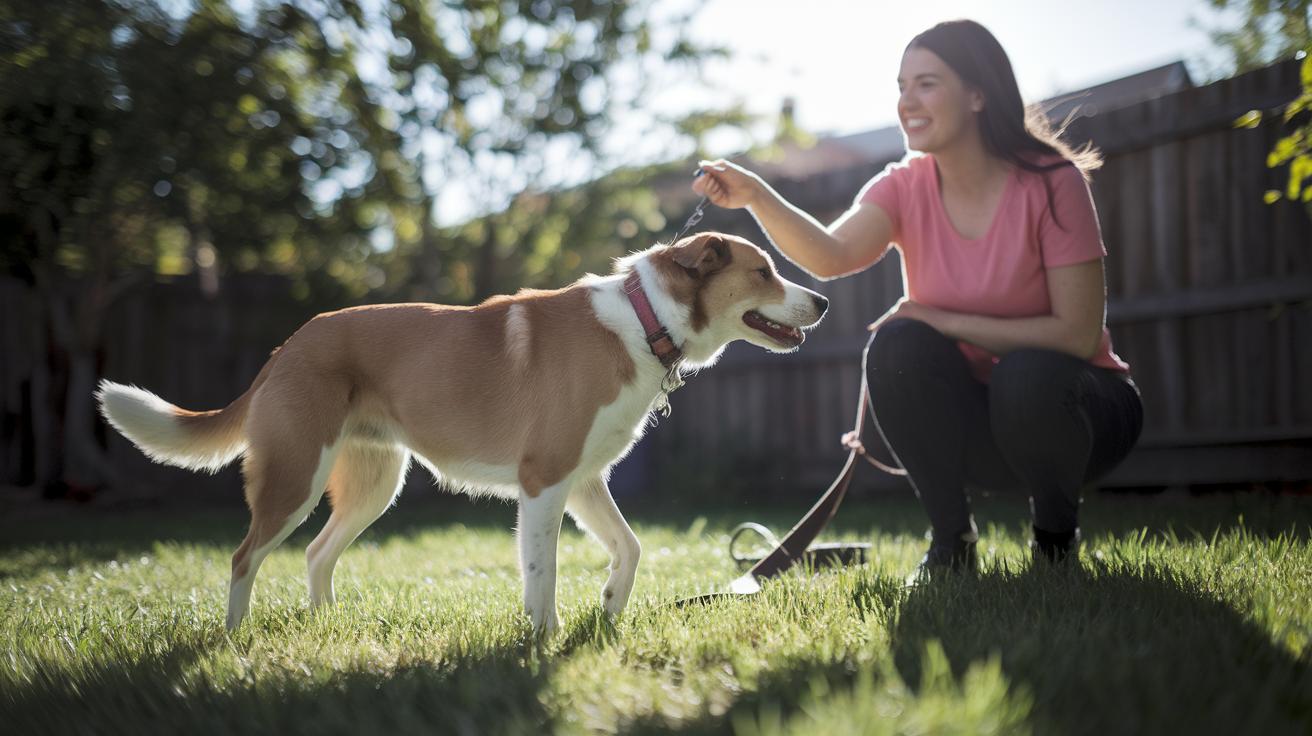
When you click too soon or too late, it can leave your dog confused about why they got a reward. If you click before your dog finishes the action, they might not know which part of the behavior earned the treat. Clicking too late works the same way. Getting the timing right is key to building solid habits.
Using treats that aren't exciting or skipping training sessions can slow your progress. If the treats don't make your dog eager, they might lose interest in learning. For example, Bondi started walking better on a leash when his trainer clicked at the right time and used treats he loved. Short, daily sessions help keep training fun and effective.
Advanced Clicker Training Techniques to Master Obedience with Dogs
Advanced clicker training goes beyond the basic commands you might already know. It includes tricks like duration and distance work to help your dog learn to hold a position. Duration training teaches your pet to maintain a behavior for a set period by clicking regularly. For example, you might ask your dog to stay and slowly extend the time they stay in place. Each click helps build their focus and boosts their confidence.
Design your training sessions to match your dog's natural behavior. Watch for moments when your dog feels relaxed or alert. If they seem comfortable, try adding another command. But if you notice a drop in focus, it might be time for a break. This way, you steadily build on what your dog has learned while keeping the session fun and stress free.
Keep an eye out for small signs like a pause, a yawn, or a drop in energy. These can mean your dog needs a rest or is ready for a new challenge. Experts say to adjust the session based on what you see. With patient timing and attention, you can make each training session rewarding for both you and your dog.
Phasing Out the Clicker in Canine Training Routines
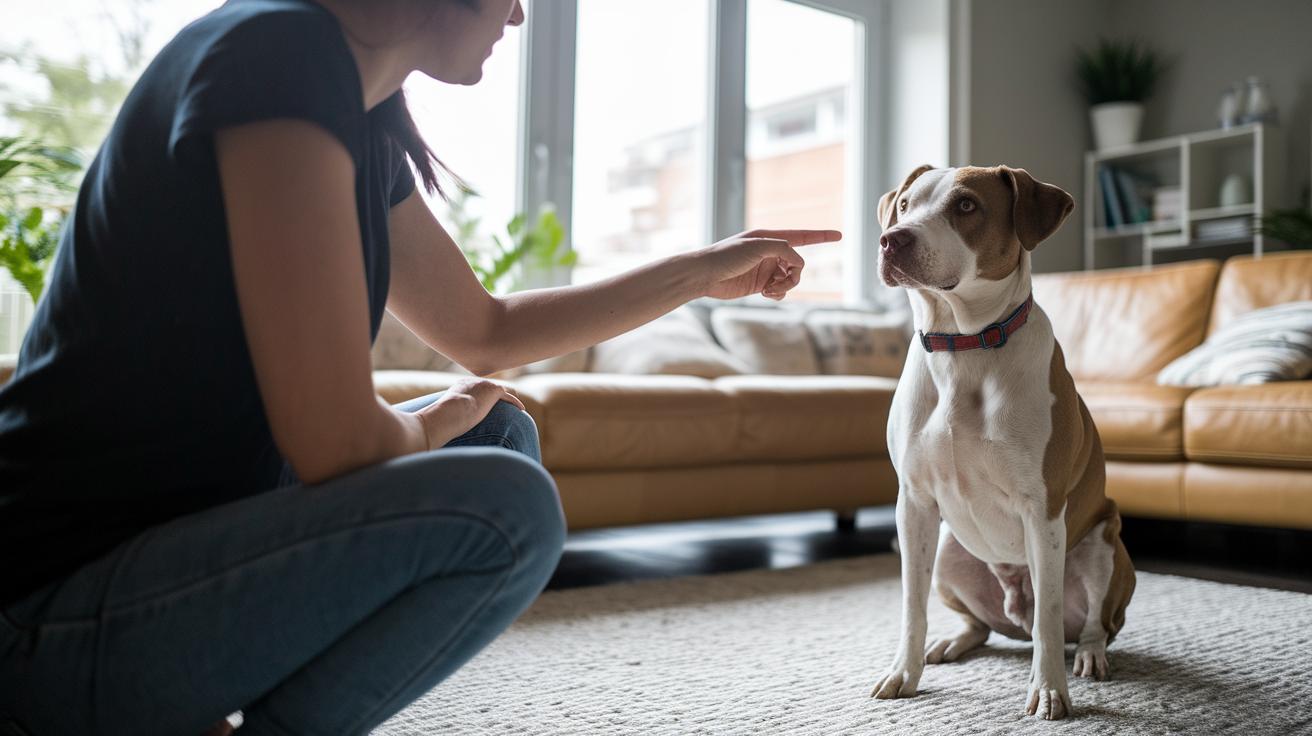
When your dog follows commands every time, it's a good moment to use the clicker less. By now, you both know the meaning of the click. Reducing the clicks helps your dog rely more on rewards than on the sound.
Here's a simple three-step plan:
- Start clicking only sometimes. Give a treat right after so your dog remembers the connection.
- Add a kind word along with the click. This mix helps your dog link good behavior with praise.
- Move to using just your voice. Your dog will keep doing well without the clicker sound.
Adapting Clicker Training for Dogs with Special Needs
Every dog learns in its own way. Some pets need a little extra care during training, and a method made just for them works best. When your dog faces challenges, like being blind or getting overwhelmed easily, a gentle, custom approach can help a lot. For instance, you might try saying, "Start with a simple cue – when your dog feels a soft vibration, it’s time for a click!" This clear signal builds trust and helps your dog feel safe.
For blind dogs, pair the click with a gentle tap or a light vibration. This extra cue gives them more to go on. Dogs that get nervous or show aggression do best in calm places with short sessions. Breaking tough behaviors into small steps turns each moment into a mini victory, like when your dog looks up or calms down.
Here are some best tips for training dogs with special needs:
- Create a distraction-free area.
- Reward every small win quickly.
- Keep sessions short and repeat them often.
These simple adjustments help every dog enjoy clicker training and build confidence, step by step.
Final Words
In the action, we showed how clicker training for dogs builds clear connections between behavior and reward. You learned about essential tools, easy steps, and ways to fix common issues. We covered everything from charging the clicker to fading its use as your pet grows confident. Plus, we explored modifications for pets with special needs. Each tip is designed to make training simple and effective. Keep up the steady pace and enjoy watching your pet thrive every day.
FAQ
Clicker training for Dogs book
A clicker training for dogs book provides step-by-step guidance on using a clicker to mark desired behaviors. It explains how immediate rewards build clear, positive connections between action and treatment.
Why clicker training is bad
The belief that clicker training is bad often comes from improper timing. When used correctly, however, a clicker marks the exact moment for reward, making learning faster and clearer.
Free clicker training for dogs
Free clicker training for dogs is available in online tutorials, videos, and downloadable guides. These resources show you how to set up sessions and use the clicker effectively for positive reinforcement.
Clicker training humans
Clicker training is mainly for dogs, but some have adapted its core idea for humans by linking cues with rewards. This approach is less common and not typically used for standard human training.
Clicker training for dogs pdf
A clicker training for dogs PDF is a downloadable guide that explains techniques and tips for using a clicker. Check online pet training sites for easy-to-follow manuals that detail the positive reinforcement method.
Clicker training for dogs near me
Clicker training for dogs near you is often offered by local trainers, pet clubs, or dog classes. Search online directories or contact your pet store to find nearby positive training sessions.
Where to buy a Clicker for dog Training
You can buy a clicker for dog training in pet supply stores, online marketplaces, or from local trainers. Most clickers are budget-friendly and designed to be easy to handle during training sessions.
Best clicker training for dogs
The best clicker training for dogs combines precise sound markers with high-value treats. Look for classes or guides that teach clear commands and reward immediately to enhance your dog’s learning experience.
How to use a clicker with a dog to stop unwanted behavior?
Using a clicker to stop unwanted behavior means you instead focus on marking a positive replacement behavior. When your dog shows an acceptable action, immediately click and reward, encouraging repetition of the good behavior.
What is the hardest command to teach a dog?
The hardest command to teach a dog varies based on the animal. Complex tricks, such as “wave” or multi-step routines, often require gradual shaping and precise click timing to ensure success.
When to start clicker training for dogs?
The ideal time to start clicker training is as early as possible once your dog shows basic focus. Early training builds a strong behavior-reward connection, making learning smooth and enjoyable.
What to use instead of a dog clicker?
Instead of a dog clicker, you can use a consistent marker word like “Yes” or a light tap sound. The important part is to pick a signal your dog easily recognizes as marking a correct behavior.