
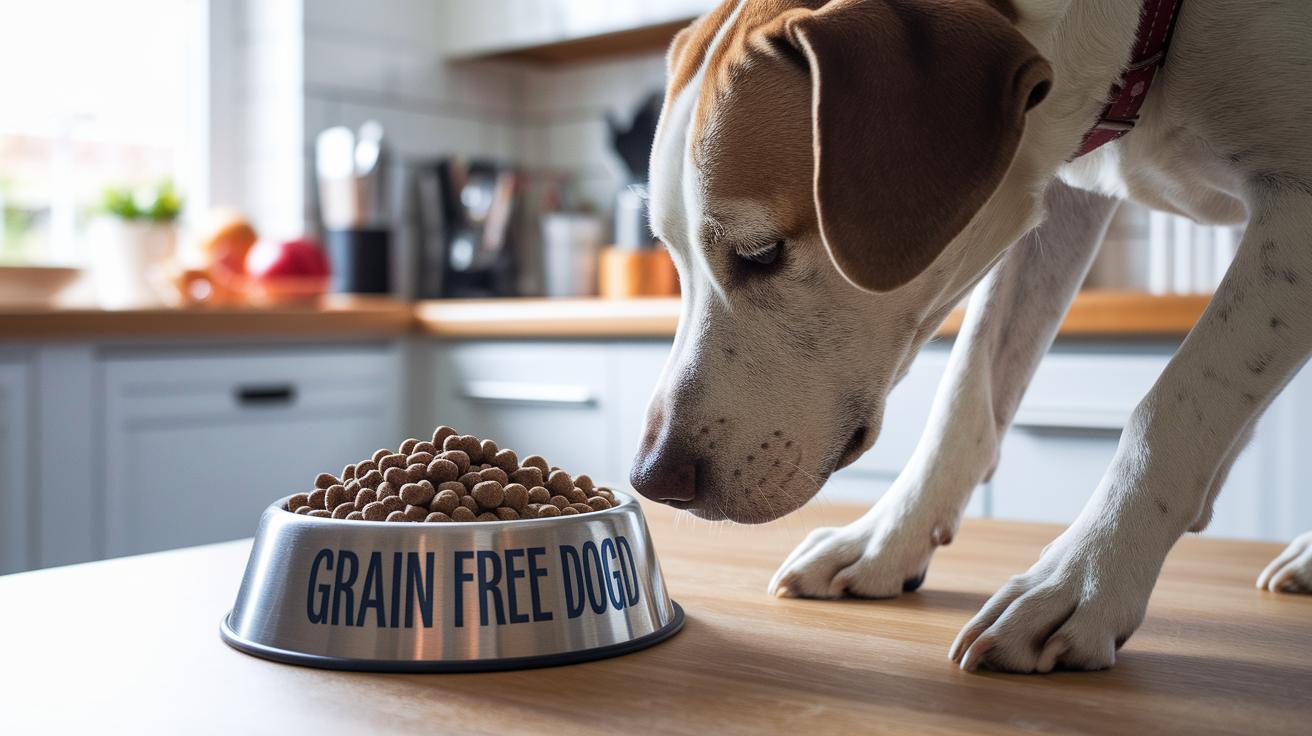

Ever wonder what grain free really means for your dog? It might seem new, but it just means no wheat, corn, rice or oats. Instead, these foods use peas, lentils or sweet potatoes for energy. Some pet parents see better skin or a happier tummy after switching. True grain allergies are rare, but many dogs do well on grain free meals. And rest assured, grain free dog food meets all the nutritional rules to keep your dog strong and happy. Let's take a closer look.
Grain-Free Dog Food Defined
Grain-free dog food means that makers leave out common grains such as wheat, corn, rice, barley, and oats. Instead, the recipe uses different carbs like peas, lentils, or sweet potatoes to provide energy and key nutrients. Even without grains, the food meets AAFCO’s complete and balanced rules so your dog gets all the vitamins and minerals needed for healthy growth.
Many pet parents choose a grain-free diet when they suspect their dog might be sensitive to grains. True grain allergies are rare. Still, some owners notice improvements in skin, digestion, or ear issues by switching up the food. For example, Max had mild tummy troubles until his vet suggested a grain-free meal plan. Small diet changes can sometimes make a big difference.
Today, many pet food makers make sure that a named meat like chicken, beef, or salmon appears first on the label. This change shows that grain-free food is all about offering a different carbohydrate source while keeping high-quality protein front and center. That helps keep your dog strong, happy, and ready for play.
Common Grains in Dog Food and Reasons for Grain-Free Choices
Traditional dog foods often list wheat, corn, rice, barley, or oats as ingredients. These grains provide energy, fiber, and important vitamins like B vitamins that help keep your pet active.
If your dog has itchy skin or an upset tummy, many vets recommend trying an elimination diet without corn, wheat, or soy. One vet shared that a dog with constant scratching felt better after switching to a formula that used other ingredients. This shows that while grains offer good nutrients, ingredients like sweet potatoes or peas often work better for sensitive tummies.
New studies suggest that many grain alternatives give the same benefits but may lower the chance of food sensitivities. This lets you decide if changing your dog’s diet can help them feel more comfortable and balanced.
Alternative Ingredients That Replace Grains in Grain-Free Dog Food
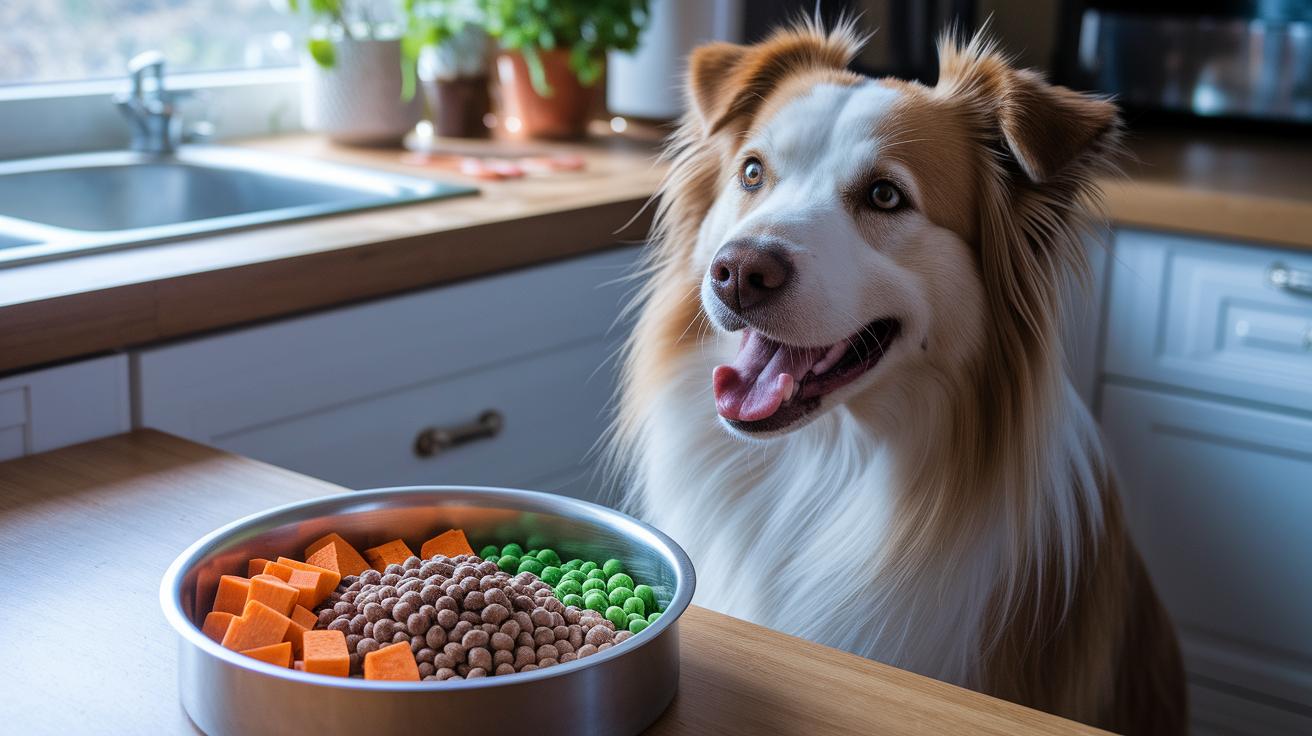
Grain-free dog foods use other ingredients to give your pet the key nutrients found in grains. They don't use wheat, corn, or rice. Instead, they rely on natural options like peas, lentils, chickpeas, tapioca, potatoes, and sweet potatoes. For example, some recipes swap out rice for sweet potatoes, which add natural beta-carotene (a nutrient that gives color) and an easy energy boost.
High-quality proteins like chicken, beef, or salmon always come first. They offer the protein and amino acids that help build and repair muscles. This focus means that even without grains, your dog gets a hearty, nutrient-packed meal.
Carbs from legumes and tubers give energy and lend fiber to keep your pet's tummy happy. Peas and lentils add extra protein and iron, while tubers provide complex carbs for steady energy. One pet parent even shared, "My dog’s coat became shinier after switching to food with more lentils and sweet potatoes."
Every ingredient is chosen with care to create a complete diet that meets AAFCO standards (guidelines for pet nutrition). This mix of plant carbs and animal proteins makes a healthy, well-rounded meal for your dog.
| Alternative Ingredient | Type | Nutritional Role |
|---|---|---|
| Peas | Legume | Protein, Fiber |
| Lentils | Legume | Protein, Iron |
| Sweet Potatoes | Root Vegetable | Complex Carbs, Beta-Carotene |
| Tapioca | Starch | Digestible Carbs |
Benefits of Grain-Free Dog Diets
Grain-free dog diets can help your pet feel comfortable and great. They are a good choice if your dog has a sensitive tummy or skin. These meals use gentle carbohydrates like sweet potatoes or peas and pack in high-quality proteins to keep your dog happy and healthy. For more details, check out Benefits of Grain Free Dog Food.
Improved Digestive Comfort
Dogs with sensitive stomachs often do better on grain-free diets. Using ingredients like sweet potatoes or peas gives them easy-to-digest energy without upsetting their bellies. Many pet parents notice more regular stools and fewer tummy troubles when grains are left out.
Allergy Symptom Relief
Taking out common grains like wheat and corn can help lessen allergy symptoms. This makes it easier for you and your vet to see which ingredients might be causing issues, especially if your dog has itchy skin or ear problems. With fewer allergens, your pet may feel a lot more comfortable.
Focus on High-Quality Protein
Grain-free diets often list clear proteins like chicken, salmon, or beef at the top. These proteins help keep your dog's muscles strong and energy high. Many dogs show shinier coats and extra pep in their step when they switch to a grain-free meal. This focus on quality protein supports overall good health and a happier pet.
Potential Risks of Removing Grains from Dog Food
Grain-free dog foods can work well for dogs with special sensitivities, but there are a few things to consider. These foods are often high in calories and protein. They may lack enough fiber, which can upset your dog's tummy or lead to an unbalanced diet. Without extra fiber, your dog's digestion might suffer.
FDA DCM Investigation and Findings
Between 2018 and 2022, the FDA checked if grain-free diets could be linked to a heart condition called dilated cardiomyopathy (DCM). They did not find a direct link between commercial grain-free foods and DCM. Still, it is important to watch your dog's heart health. A meal that is heavy on protein but low on fiber might not support your dog's heart and digestion over time.
Balancing Calories, Fiber, and Protein
When you choose a grain-free option, make sure it meets AAFCO standards. Some grain-free meals pack in too many calories and protein, which may lead to weight gain for less active dogs. They can also be low in fiber, which is key for regular digestion. Look for foods that list a clear protein source and include added fiber or other healthy ingredients. This way, your dog gets the right energy, protein, and fiber to stay happy and healthy.
Veterinary Insights on Grain-Free Diets in Canine Health

Many vets suggest trying a grain-free diet when your dog shows signs of food sensitivities. If your pet has ongoing itching or tummy troubles, a trial without common grains like wheat or corn can help reveal if these foods are a trigger. One vet explained that removing these grains for a few weeks, with proper oversight, can shed light on the problem.
Experts remind us that grain-free isn't a one-size-fits-all fix. Instead, it's important to look at your dog's unique needs. Watch how your dog reacts, notice energy levels, the shine of their coat, and how well their digestion works. Both grain-inclusive and grain-free diets can keep your dog healthy as long as the food meets AAFCO's complete and balanced standards.
Vets also stress the need to keep an eye on heart health. A well-made diet, whether it includes grains or not, can promote a strong heart. Regular check-ups are key to ensuring that any change in diet supports your dog's muscle maintenance and overall energy. Always consult your vet before making big changes to your pet's diet.
Debunking Pet Food Myths About Grain-Free Diets
Recent studies show that grains like wheat, corn, rice, barley, and oats give our dogs the fiber and B vitamins they need. We spoke with an expert who mentioned that these grains help with digestion and improve nutrient absorption when they are part of a good formula. Many examples have shown that dogs eating foods with grains often stay at a healthy weight and have fewer allergy issues when their overall nutrition is balanced.
Here's a surprising fact: a 2022 study found that over 75% of dogs did just fine with grains. This finding challenges the idea that grain-free diets are always the better choice.
When you pick food for your pet, it's best to check out the whole nutritional profile instead of just cutting out grains.
Choosing the Right Grain-Free Dog Food: Label Reading and Selection Tips
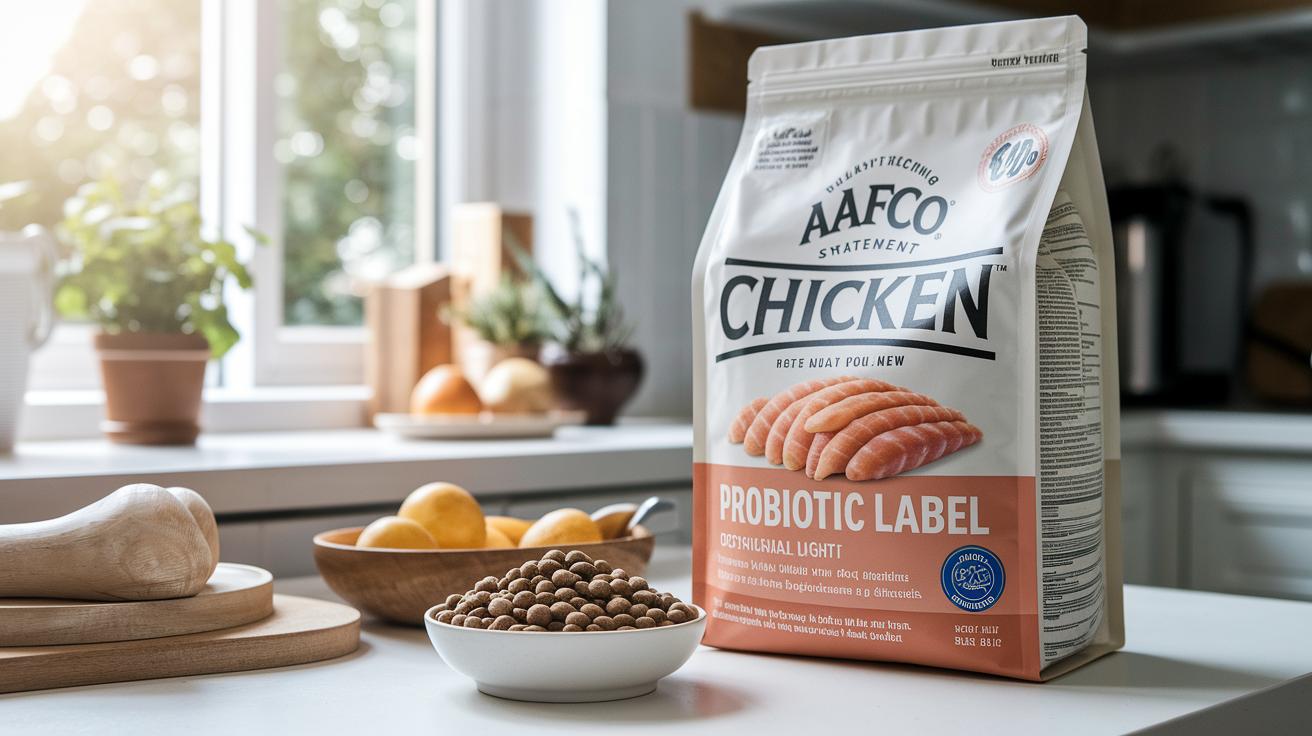
When you look at your dog's food label, start by checking the first ingredient. You want to see a named animal protein, like chicken, turkey, or salmon. This means the food is made with quality protein to help your dog stay strong and healthy. Also, look for a clear AAFCO complete and balanced statement. That shows the food meets the proper nutritional guidelines.
Next, see if the food has added probiotics (friendly bacteria that help with digestion). Many grain-free formulas include them to keep your dog's tummy happy. Also, check if the maker shares where the ingredients come from and avoids artificial preservatives. It can really help you feel confident in what you're feeding your pet.
Another key detail is the caloric content. Some grain-free meals pack more calories, which might be too much for a less active dog. Compare the premium options with the budget ones. Sometimes a premium formula has extra benefits like a richer nutrient profile, while a budget option simply covers the basics.
Here's a simple tip: If you need more help deciding if grain-free food is right for your dog, check out additional insights on "Is Grain-Free Dog Food Good." Little details on the label can make a big difference in choosing the best food for your pet.
Final Words
In the action, we explored what does grain free mean in dog food. We broke down the definition, explained which grains are left out, and shared alternatives like peas and sweet potatoes. We also discussed benefits like easier digestion and allergy relief, along with risks and vet insights. This guide gave clear tips for reading labels and choosing safe formulas. Every pet parent can feel confident when picking foods that support healthy pups and a meaningful cause. Keep caring, and enjoy the ease that comes with smart choices.
FAQ
Do vets recommend grain-free dog food?
Some vets do recommend grain-free diets for dogs with suspected allergies or digestive issues when used as an elimination trial. They advise using these formulas under proper veterinary guidance.
What does grain free mean in dog food for pitbulls?
Grain free for pitbulls means the diet omits common grains such as wheat, corn, rice, barley, and oats, while still meeting complete and balanced standards set by AAFCO.
Why do vets not recommend grain-free dog food?
Vets may not recommend grain-free diets if they are not necessary. They caution that an unbalanced formula might lack needed fiber and calories unless properly formulated according to standards.
What are the pros and cons of grain-free dog food?
Grain-free dog food can help ease allergies and digestive issues, offering high-quality protein and improved coat quality. However, such diets may be calorie-dense and sometimes lack sufficient fiber.
What is the grain-free dog food warning?
The grain-free dog food warning advises pet parents to ensure that the formula meets AAFCO complete and balanced standards. It is wise to consult your vet to determine if it is the right choice for your dog.
What is the grain-free dog food myth?
The grain-free dog food myth claims that all grains are harmful fillers. In truth, grains provide essential nutrients like fiber, vitamins, and minerals and can be a part of a balanced diet when used appropriately.
What is the best grain-free dog food?
The best grain-free dog food lists a named animal protein as the first ingredient, meets AAFCO standards, and uses quality alternatives like sweet potatoes or peas. Look for products that suit your dog’s specific needs.
How does grain free vs grain dog food compare on Reddit?
Discussions on Reddit show mixed opinions, with some pet parents noting fewer allergies with grain-free diets, while others see no clear benefit. The choice often depends on each dog’s individual health and preferences.
Is grain free dog food better for dogs?
Grain-free dog food may work better for dogs with food sensitivities or allergies but is not necessarily better for all dogs. It’s important to assess your pet’s nutritional needs and consult your vet before switching.