


Have you ever wondered how some dogs learn so quickly? It all starts with simple training that builds a strong bond between you and your pet. We begin with basic commands like sit, stay, and come, and use gentle rewards with a method called LIMA (which stands for a careful, low-stress approach).
In this guide, we skip the confusing stuff and share friendly, proven techniques. Step by step, you'll see how these clear methods boost your dog's confidence and make training fun. Get ready to turn everyday routines into joyful moments with your furry friend.
Core Dog Training Techniques for Obedience and Behavior
We start by teaching your dog easy commands to build a real connection with you. Simple actions like sit, stay, and come are learned with treats to show your dog how to behave correctly. Once your dog gets these basics, you can add more precise cues like heel, back up, and stop at a distance. This helps your dog listen and understand what you expect even when distractions are around.
We follow the LIMA approach, which means using the least intrusive and gentle methods to train your pet. This method uses rewards to celebrate each small win, making training a kind and steady process. It turns basic skills into advanced techniques that keep your dog’s mind active and focused.
Start training in a quiet space at home before moving to busier places like parks. This helps your dog learn to concentrate no matter what is happening around. Keeping cues and rewards consistent is key. With a clear plan and step-by-step practice in different settings, everyday routines become fun and rewarding for both you and your furry friend.
Basic Dog Training Techniques: Foundational Commands
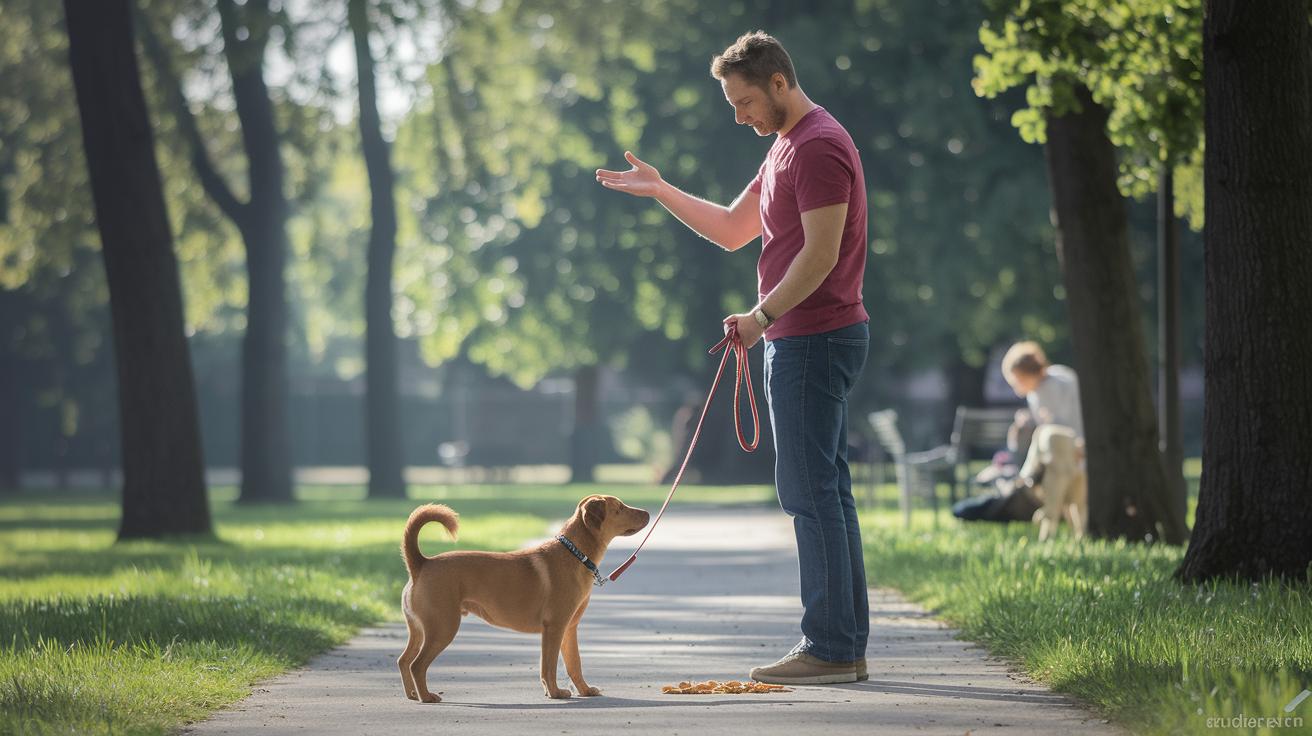
Teaching your dog simple commands is key to a happy, well-behaved pet. It also builds a warm bond between you both. Speak clearly and use hand signals so your dog hears and sees what you mean, even when distractions are around. Start in a quiet area and offer treats and kind words when your dog does well. This method helps your dog learn fast and makes each command stick.
Here are five basic commands to start with:
- Sit: Helps your dog relax and focus.
- Stay: Teaches patience until you say it's okay.
- Come: Calls your dog back safely.
- Leave It: Curbs unwanted actions.
- Heel: Keeps your dog close during walks.
Leash Walking Dog Training Techniques for Loose Leash Etiquette
Start with the right tools. Pick a sturdy leash and a snug harness that fits your dog well. Begin in a quiet place so your dog can learn to stay close with the heel command.
If your dog starts to pull, say "easy" in a gentle voice. Wait until your dog calms down before you give praise or a treat. This shows your dog that a calm walk earns rewards.
Next, try practicing in places with a few more distractions. This helps your dog focus even when there is more going on. Keep sessions short and fun. Mix quiet practice sessions with short walks to new spots.
Reward your dog with treats, kind words, and a little petting. With patience and clear cues, your dog will learn loose leash walking. Soon, your walks will be a happy, shared time for both of you.
Housebreaking Dog Training Techniques for Puppies and Adults
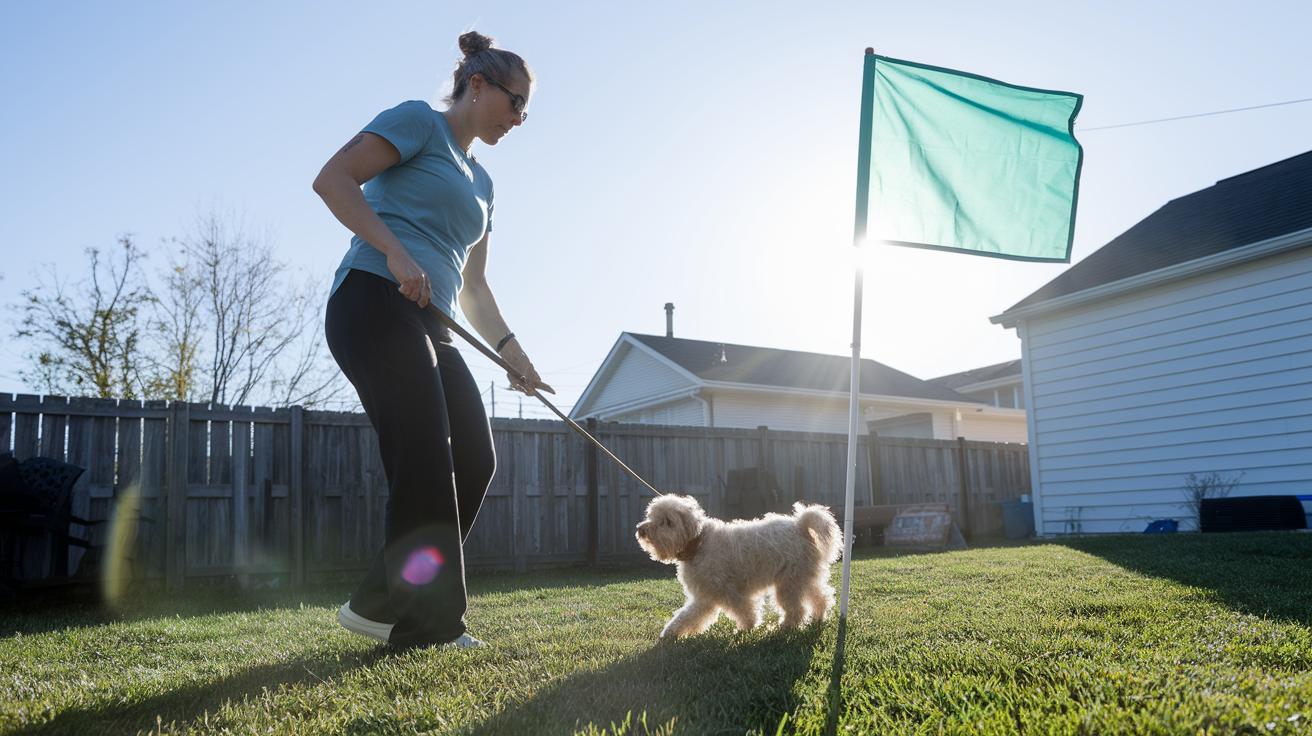
Housebreaking is all about a steady routine that builds clear signals for where to go. Both puppies and adult dogs thrive on a regular schedule paired with kind rewards right after they do their business. For pups, puppy pad training helps them learn indoor cues, while adult dogs do well with regular outdoor trips and simple verbal hints.
We want to help your dog feel sure of where to eliminate. Try these six simple daily steps to set up a good potty plan:
- Set a regular feeding and bathroom routine.
- Take your pet outside first thing in the morning and after meals.
- Use a clear word like "go potty" at the right spot.
- Give love or a treat right after your pet goes.
- Keep a close watch indoors to prevent surprises.
- Slowly add a little more time between trips as your pet learns.
Following these steps gives your dog a clear pattern and builds confidence. It makes housebreaking a positive and successful experience for both you and your furry friend.
Advanced Dog Training Techniques: Tricks, Agility, and Behavioral Shaping
We build on basic commands to help your dog focus even in busy places. Once your dog is good at commands like heel, back up, and stop, you can add fun tricks. Your dog might spin, weave through your legs, or even help pick up toys. Agility training brings in simple obstacles like dog walks that give your pet exercise and let you both have fun solving little challenges. Using a clicker for behavioral shaping helps your dog learn quick responses. Scent work turns hide-and-seek with treats into a playful brain game. And impulse control exercises help calm your dog during stressful times.
| Technique | Skill Focus | Key Equipment |
|---|---|---|
| Advanced Obedience Commands | Staying sharp in busy places | Strong leash, clicker, treats |
| Trick Training | Fun challenges with spins and weaves | Toys that reward, clicker |
| Agility Training | Teamwork and problem-solving with obstacles | Agility tunnel, hurdles |
| Behavioral Shaping | Fine-tuning responses with rewards | Clicker, treats |
| Scent Work | Developing scent skills in a fun game | Hidden treats, scent markers |
| Impulse Control Exercises | Staying calm in stressful times | Tasty rewards, gentle voice cues |
The best method depends on your dog’s personality and your training goals. Mix these methods to keep sessions fun and help your pet grow more confident. Try one or two techniques at a time and adjust as your dog learns. Practice in quiet spots and then in busier areas to build focus. Every small win is a step forward. Reward your dog often to make training fun and effective. These methods help create a happy pet who loves a good challenge while building a strong bond between you two.
Specialized Dog Training Techniques for Anxiety and Reactive Behavior

When your dog shows signs of worry when you leave, start by teaching them that good things happen even when you're not around. Begin with quick, short departures and offer a little treat or kind words when they stay calm. This easy method, called gradual desensitization, helps your pet learn to relax. Swap their anxious feelings for a favorite toy or treat through counter-conditioning. Building their own sense of calm makes a big difference. For more tips, visit dog separation anxiety training.
If your dog sometimes gets aggressive, begin by strengthening basic commands like sit and stay. Clear cues help your dog stay focused during stressful moments. Instead of scolding, give a reward when your pet shows calm and obedient behavior. This friendly approach builds trust and gently eases aggression over time. Keep your training steady and consistent. Need more advice? Check out aggressive dog training.
You can help ease reactive behavior by slowly exposing your dog to triggers. Introduce mildly challenging situations one step at a time, and interrupt any sudden reactions with a quick reward. This reward-based interruption teaches your dog a new, calmer response to distractions. With patience and practice, you will see progress, making everyday life more relaxed and enjoyable for both you and your furry friend.
Dog Training Techniques Tools and Equipment Recommendations
Using the right gear can make dog training fun and clear. A clicker, a strong harness, and some favorite toys can help your dog learn quickly. Reward your pet right after they do something good. A fast treat or a quick pat makes the link between action and reward clear.
Good gear also keeps training safe. Check your harness and leash often and swap them out if they show signs of wear. When your equipment fits well, you feel confident and your dog stays focused. Sometimes, simple updates like a better-fitted harness or a longer leash give your sessions a noticeable boost.
Final Words
In the action of building trust and teaching clear commands, our blog covered core dog training techniques for obedience and behavior. We shared practical steps from basic commands to managing distractions outdoors. You learned effective leash walking, housebreaking routines, and creative methods to advance your dog's skills. Every tip works with reward-based conditioning and quality training tools. Enjoy applying these dog training techniques as you build a stronger bond with your pet and support a caring mission with every step.
FAQ
How can I use dog training techniques at home?
Dog training techniques at home include using reward-based methods and clear routines. This helps build a strong bond with your pet while teaching basic commands and gradually adding distractions for better focus.
Are there free dog training techniques available?
Free dog training techniques can be found online and through community classes. They often focus on basic commands and simple reward methods to build a strong foundation with your pet without extra cost.
Where can I find dog training techniques in PDF format?
Dog training techniques in PDF format are available from pet organizations and shelters. These guides offer step-by-step instructions on teaching basic obedience, leash manners, and housebreaking strategies.
What are the four types of dog training techniques?
The four types of dog training techniques include reward-based training, traditional methods, advanced agility, and specialized behavior approaches. Each focuses on using positive reinforcement or structured steps to improve your dog’s skills.
What are some dog training tips for beginners and traditional dog training methods?
Dog training tips for beginners involve using consistent cues and rewards. Traditional methods emphasize basic commands like sit, stay, and come, paired with clear hand signals to build reliable and enjoyable training sessions.
What types of dog training certifications exist?
Dog training certifications come in various forms, from obedience and behavior modification courses to agility training programs. These certifications help verify a trainer’s skills and commitment to safe, positive training techniques.
How can I find dog training near me?
Dog training near you is typically offered by local pet centers, community clubs, or certified trainers. Checking online reviews and asking for recommendations can help you find a program that fits you and your dog.
What is the 3-3-3 rule with dogs?
The 3-3-3 rule with dogs splits training into 3-minute sessions, 3 times a day, and revisits a new behavior for 3 days. This method keeps training short, consistent, and fun for your dog.
What is the most effective method of dog training?
The most effective method of dog training is reward-based conditioning. By using treats, praise, and play, it encourages positive behavior and builds a trusting relationship between you and your pet.
What are the five golden rules of dog training?
The five golden rules of dog training are consistency, timing, patience, clear communication, and positive reinforcement. These principles help create a solid, trusting foundation for your ongoing training efforts.
What are the seven most important dog commands?
The seven most important dog commands are sit, stay, come, down, heel, leave it, and off. These commands help keep your pet safe and improve communication during everyday activities.