


Have you ever wondered if your pet feels the excitement when you fly? A pet carrier that meets airline rules makes travel safer and easier. These carriers follow strict safety rules and give your furry friend plenty of room, fresh air, and a cozy spot during the flight.
With the right carrier, boarding is smoother and your pet stays relaxed. In this guide, we break down the must-have features and explain why choosing a safe, comfy ride makes for a happy journey every time you fly.
In-Cabin Pet Carrier Requirements for Airline Travel
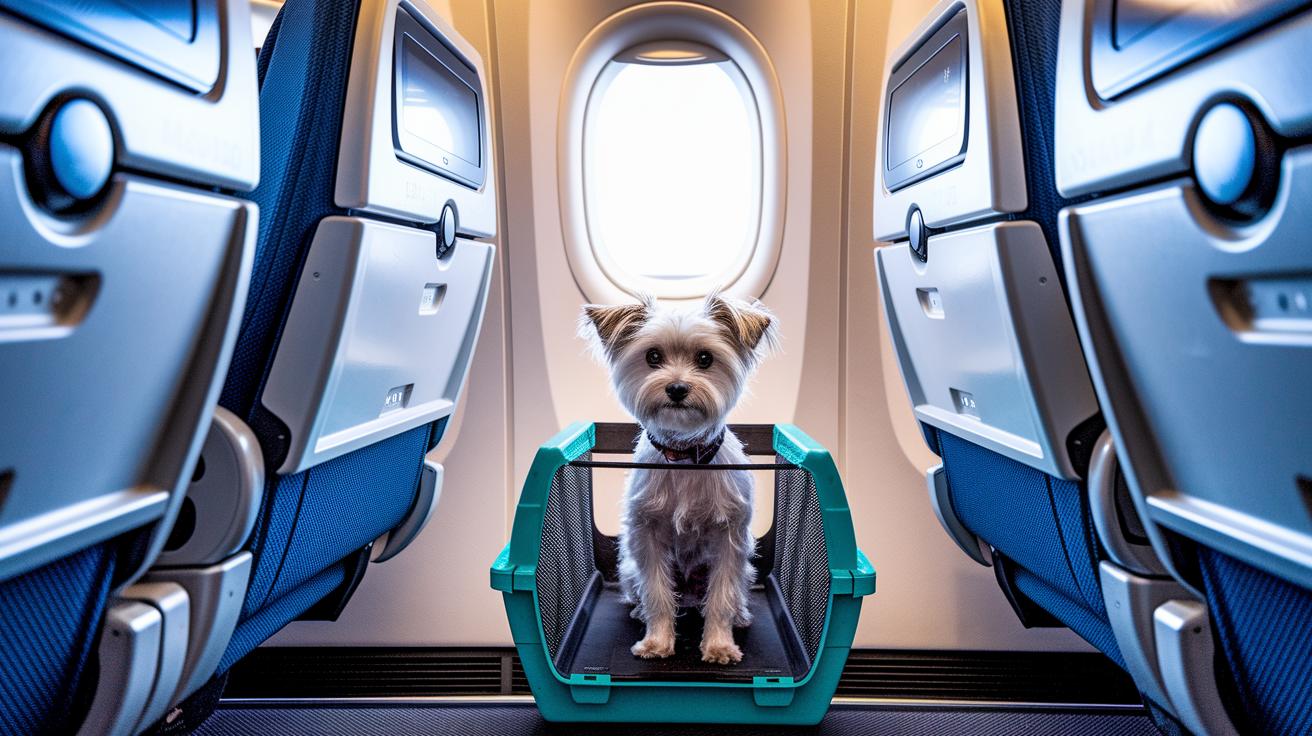
Airlines have firm rules so your pet is safe and comfy during the flight. They need enough room to sit, stand, turn, and lie down. Meeting these rules keeps your pet secure and lowers travel stress.
Airlines usually allow only one pet per passenger when the carrier fits their size and comfort checks. This means you need a carrier with plenty of space and good airflow. For example, some airlines do not let French Bulldogs (around 20-30 lbs) fly as cargo. That's why picking an airline-approved carrier ahead of time is important. It also gives your pet a chance to get used to the new space.
- Under-seat dimensions that follow airline rules
- Ventilation panels for good air circulation
- Secure closures to keep your pet safely inside
- A choice of soft or hard sides to fit your pet's needs
- A leak-proof base for easy clean-up
- Comfort padding so your pet can relax during long flights
Choosing a carrier with these features makes check-in and boarding go smoothly. With the right setup, your pet enjoys the flight, and you both have a more relaxed journey.
Choosing Materials and Design for Your Flight-Approved Pet Carrier
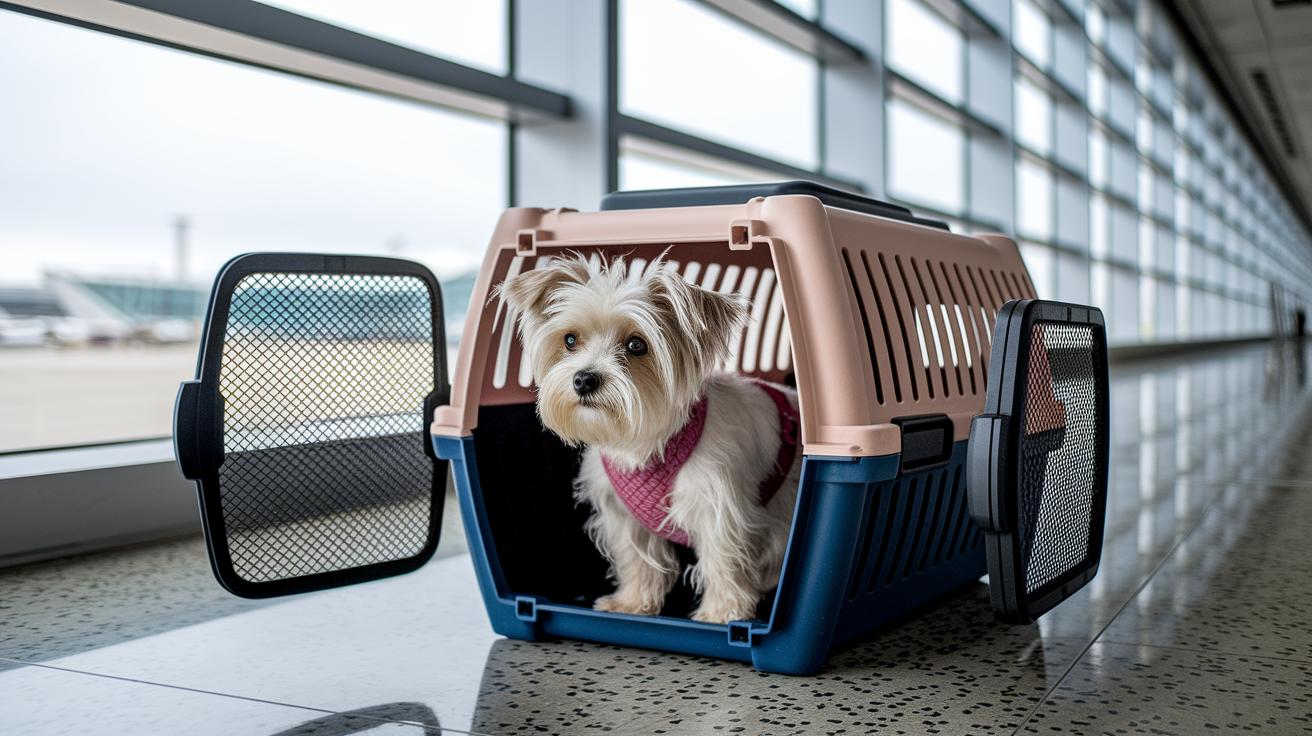
Materials are key for keeping your pet comfy and for meeting airline rules. The right design keeps your pet safe and makes travel less stressful. The type of material you choose affects weight, durability, and how easy it is to carry the carrier, which is important when your pet spends hours inside.
Let’s break down mesh panels versus solid panels. Mesh lets fresh air flow in, keeping your pet cool and calm. They are also light, which is a big plus when you’re bustling through busy airports. On the other hand, solid panels have a firm structure that feels more secure, especially for pets that need a little extra support. For example, Sherpa’s carrier has mesh windows that help with ventilation and is easy on your wallet. Their version with wheels also makes moving through terminals smoother.
| Material Type | Advantages | Considerations |
|---|---|---|
| Soft-sided mesh | Lightweight, ventilated | Less structured |
| Hard-sided solid | Sturdy, secure | Heavier, less airflow |
| Rolling with wheels | Easily transportable | May add extra weight |
Choose a design that feels both safe and cozy. And remember, a part of your purchase helps local shelters and rescues.
Top-Rated Airline Approved Pet Carriers: Reviews and Recommendations
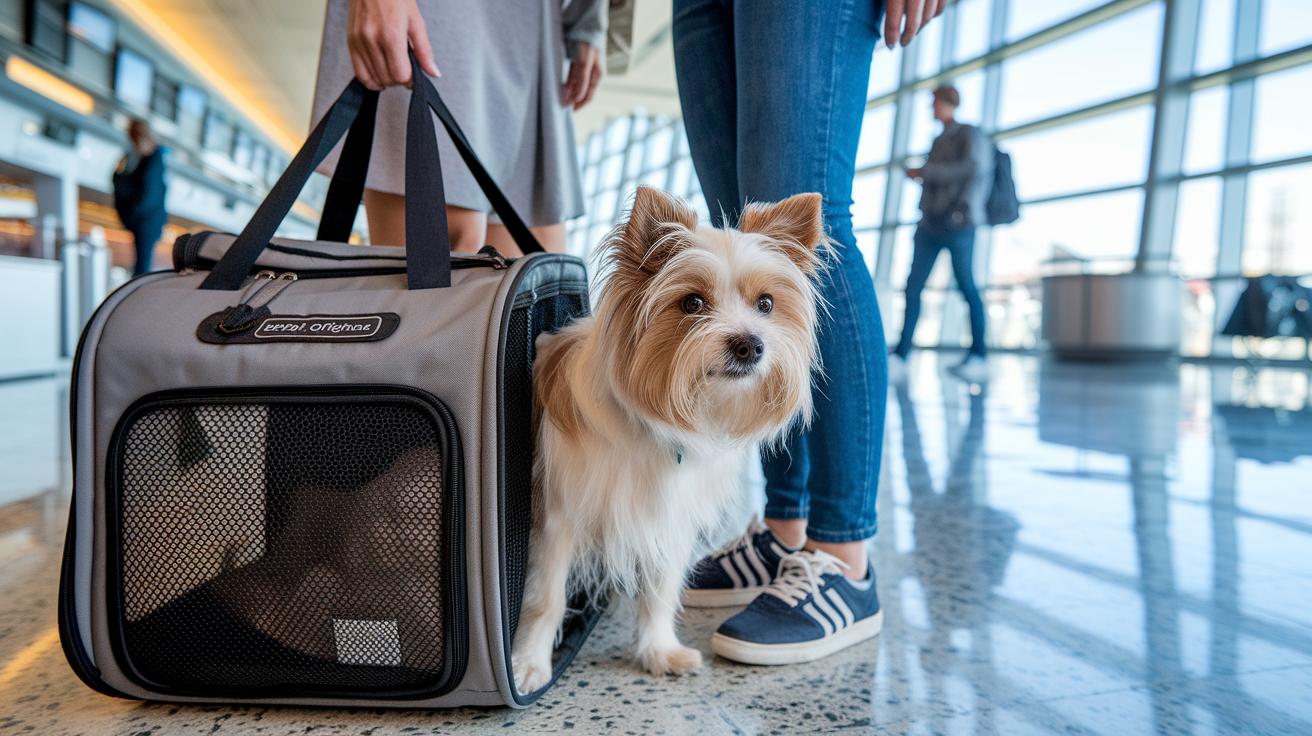
We love the Sherpa Original Deluxe Pet Carrier because it meets airline rules and keeps your pet comfortable. It has a tough design with a mesh window that gives your pet plenty of fresh air and a view. Your pet can sit, stand, or lie down with ease, and its secure closures make you feel safe during travel. Pet parents often share that their furry friends feel relaxed and secure throughout the flight.
If you travel often, you might enjoy the wheeled version of this carrier. The added wheels make it easier to move through busy terminals and large airports. You get all the great features of the Original Deluxe along with better maneuverability. Many pet parents say this version helps them breeze through check-in and enjoy the journey with less stress.
For pet parents with larger dogs or pets over 20 to 25 lbs, a different travel option may work better. Services like JSX offer a semi-private cabin that lets your pet stay with you during the flight. This setup is a great choice if your pet needs a little extra care and space while traveling. Picking the right carrier that suits airline rules and your pet’s needs makes travel happier and less stressful for everyone.
Preparing Your Pet and Carrier for the Journey
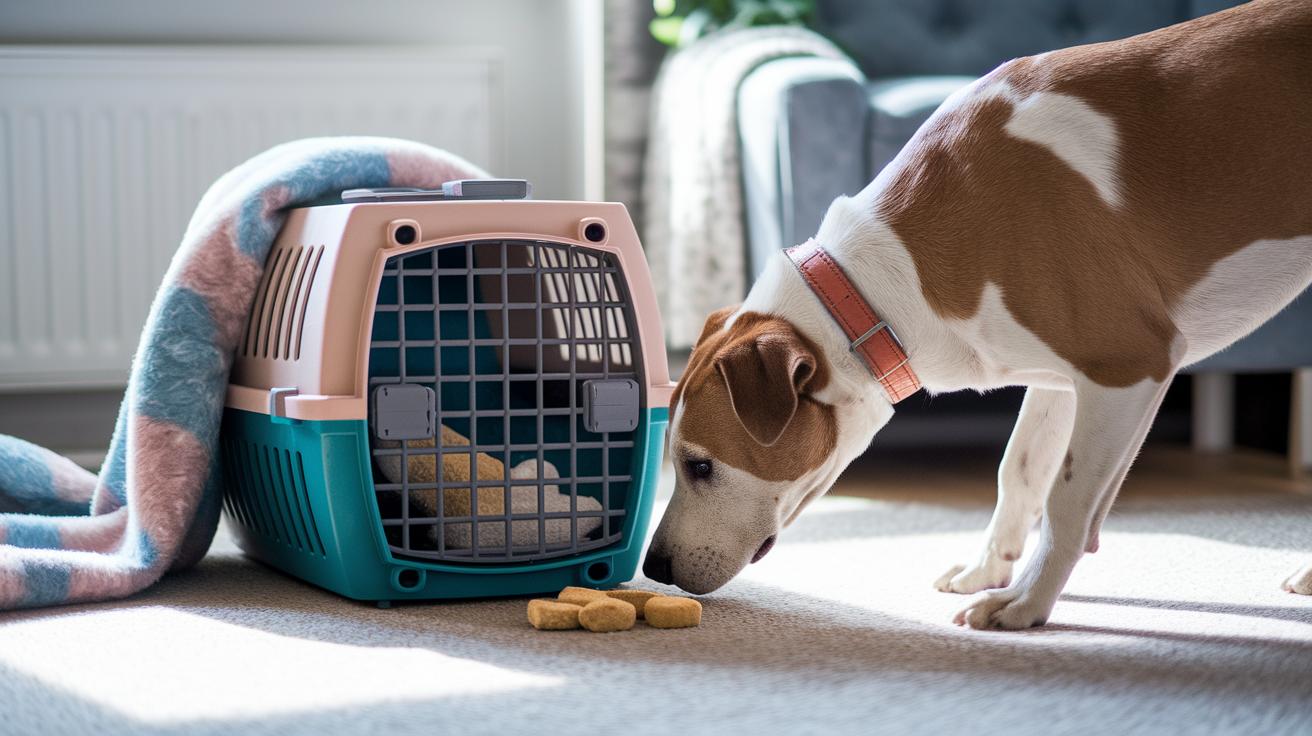
Begin by letting your pet explore the carrier at home. Place it in a quiet, familiar spot so your fur baby can check it out on their own time. This helps them see the carrier as a safe, friendly space.
Make the carrier cozy. Add their favorite blanket or toy and toss in a few healthy treats. These little comforts help your pet link the carrier with fun, not fear.
Before you hit the road, take your pet for a quick vet visit. Check that their microchip is current and that you have all the required health papers. A short checkup can ease your worries and catch any concerns early.
The day before your flight, go over your gear. Pack the essentials, double-check your pet’s ID details, and grab any extra supplies you might need. And remember, supporting local rescues is part of our mission. Visit the animal rescue donations page at GoodPawsGoodCause for more ways to help.
Navigating Airline Policies and Fees for In-Cabin Pet Carriers
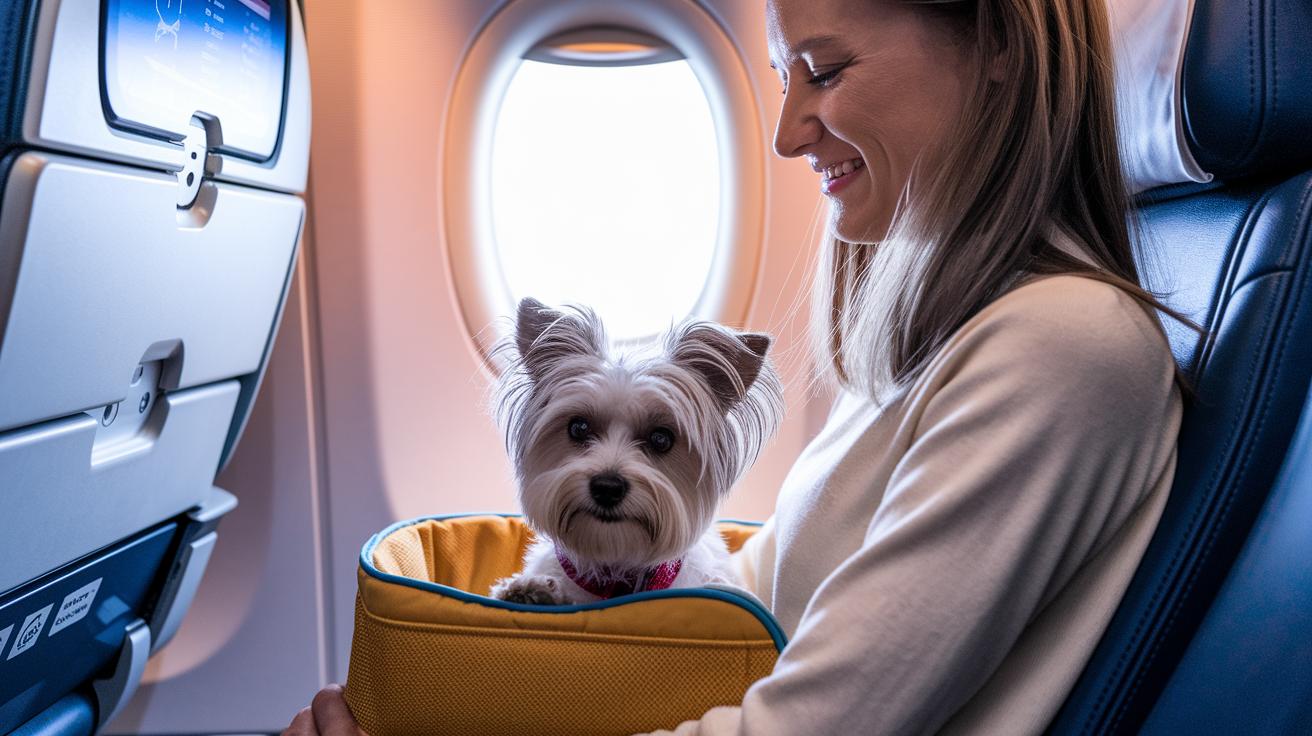
Most airlines let you bring one pet in the cabin if your pet carrier meets size and weight rules. We suggest you check your airline's chart before you travel. This ensures your pet can sit, stand, and lie down comfortably. Planning ahead can make check-in less stressful and help you avoid surprises.
Airlines may add extra fees if your carrier is too big or if you have extra pet items. They might only accept certain kinds of payment too. It helps to confirm which cards work with your airline before your trip. That way, you can budget well and skip unexpected charges.
Sometimes there are extra rules for certain breeds. For example, French Bulldogs and other short-nosed breeds face stricter limits because of their shape. Check your airline's breed guidelines and ensure your carrier meets every size and safety rule. This extra step helps keep your pet safe and your travel smooth.
Tips for Ensuring Pet Comfort and Compliance During Flight
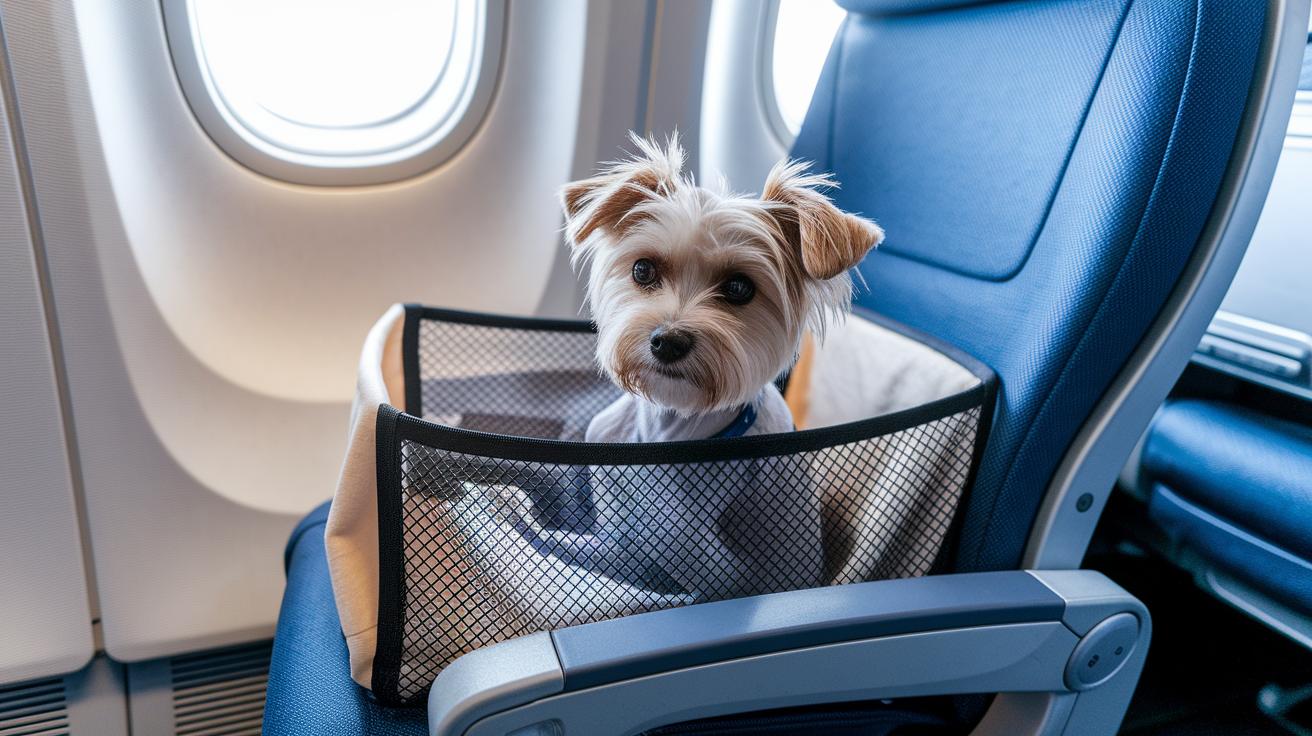
Start by picking a carrier that brings in fresh air and has soft padding. A carrier with mesh panels lets the air flow in, keeping your pet cool. Adding a favorite blanket or toy can also help calm your pet when they're in a carrier.
Place the carrier under your seat in a way that keeps it steady and easy to reach. Airlines design this spot so your pet can sit, stand, or shift a bit. Make sure the carrier is securely fastened so it stays still during takeoff and landing. This helps you quickly comfort your pet if they need a little care.
During the flight, check on your pet regularly. If it's a long flight, give them a small water break. When you land, remove the carrier gently so your pet can stretch and adjust. These simple steps can make a big difference in keeping your pet happy and relaxed throughout your trip.
Final Words
In the action, we talked about how following airline rules makes travel stress-free. We covered carrier requirements, design choices, and tips to ease pet discomfort during the flight. We explained why letting your pet acclimate to the space and checking airline policies is key to a smooth journey.
Remember, a quality airline approved pet carrier keeps your pet comfy and safe from check-in to landing. With a little planning and care, you ensure a pleasant trip that benefits both your animal and the shelters we support.
FAQ
What do airline approved pet carrier dimensions mean, and why do they matter?
Airline approved pet carrier dimensions refer to the specific measurements that allow your pet to stand, turn, and lie down comfortably. They ensure the carrier fits securely under the seat and meets the airline’s safety rules.
What features define the best airline approved pet carrier?
The best airline approved pet carrier combines comfort with durability and proper sizing. It includes secure closures, good ventilation, and sometimes extra features like wheels to make travel easier for both you and your pet.
How do airline approved pet carriers with wheels enhance travel?
Airline approved pet carriers with wheels are designed for easier navigation through airports. They meet size rules while offering smooth rolling, so you can transport your pet with less hassle and more convenience.
How do airline approved pet carriers differ for in-cabin travel, for cats, and for pets that might need to go in cargo?
Airline approved pet carriers for in-cabin travel are designed to fit under the seat while keeping your pet comfortable. Carriers for cats are usually cozy, and those for pets that might need cargo travel must meet stricter safety specs. Always check your airline’s rules for breed and weight requirements.
How do I know if a pet carrier is airline approved?
A pet carrier is airline approved if it meets the carrier dimensions and safety standards set by the airline. Look for specific measurements, secure closures, proper ventilation, and weight guidelines in the product details.
What is the largest size pet carrier that fits under an airplane seat?
The largest size pet carrier that fits under an airplane seat varies by airline. Typically, it adheres to strict dimensions. Always confirm the carrier’s size against your airline’s requirements to ensure a proper fit.
What airlines allow pets as carry-ons?
Most major airlines allow one pet per passenger as a carry-on if the carrier meets their specific size regulations. Confirm with your airline before travel to understand the policy details and any applicable fees.
How do I bring a larger dog, such as a 30 lb or 40 lb dog, on a plane using an airline approved carrier?
To bring a larger dog on a plane, use a carrier designed to meet airline size requirements while offering enough room for your pet to be comfortable. Always check the airline’s weight guidelines and reservation policies—some services even cater specifically to larger breeds.