
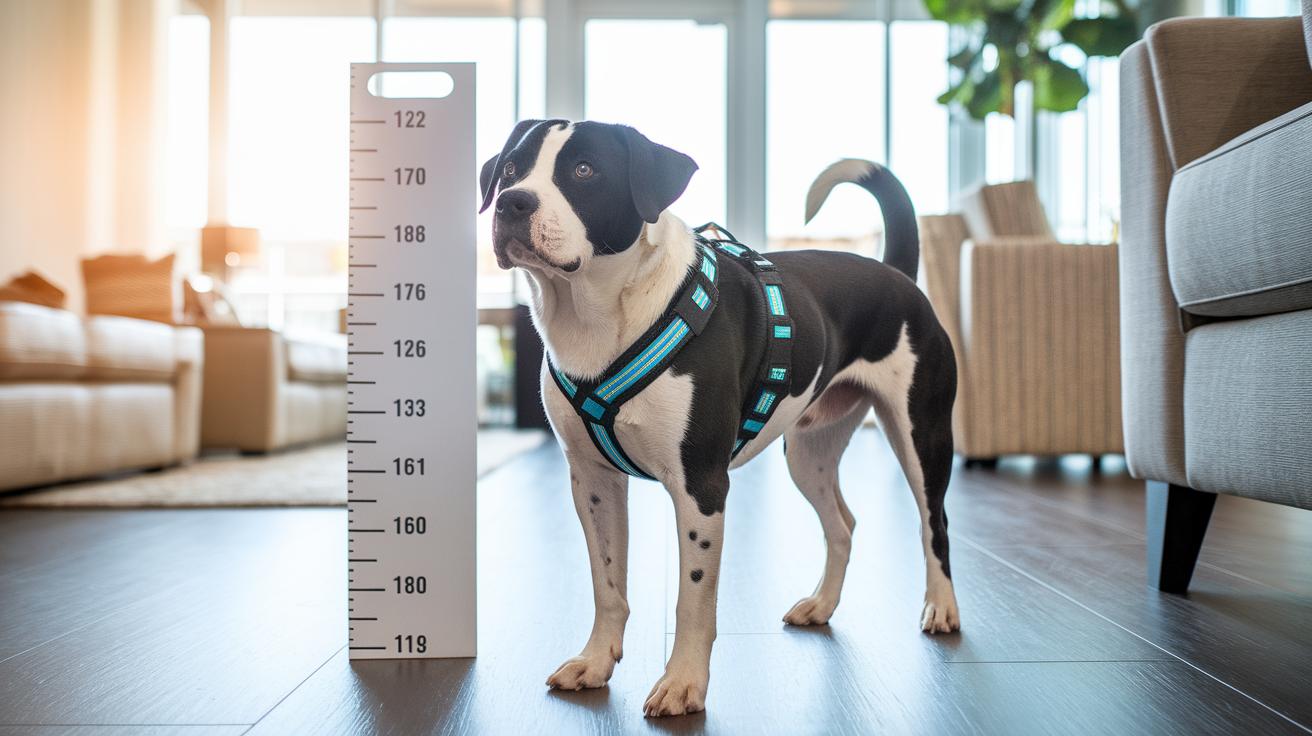

Ever notice that some harnesses seem to make your pup more uncomfortable than cozy? Trying to figure out the perfect fit can feel like guessing until you know the steps. In this guide, we show you how to measure your dog's belly, back, and chest so each strap hugs them just right. A well-fitting harness keeps your pup safe and happy while avoiding rubs and chafing. Follow along and learn a simple process that makes finding the right harness a breeze.
Dog Harness Size Guide: Measuring Your Dog for the Perfect Fit
Start by taking careful measures to keep your dog safe and comfy in their harness. First, measure your dog's belly around the widest part behind the front legs. When you check the belly strap on a Y-harness, slide your hand between the strap and your dog's body. This step helps avoid rubbing and chafing.
Next, measure the back bridge length. Place the tape from your dog’s shoulder blades to the point where the harness meets the chest. Many harnesses have a fixed back piece, so it is important to get this distance right.
Then, measure the chest bridge length. Start at the spot where the harness connects at the sternum and continue to where the belly strap meets. Make sure the chest strap sits at the top of the sternum and does not rest too high near the neck.
Finally, note the distance from the upper sternum down toward the neck. This avoids mixing it up with the neck circumference. Follow these simple steps to ensure your pet's harness fits securely, comfortably, and lasts long.
Dog Harness Size Guide: Step-by-Step Measurement Instructions
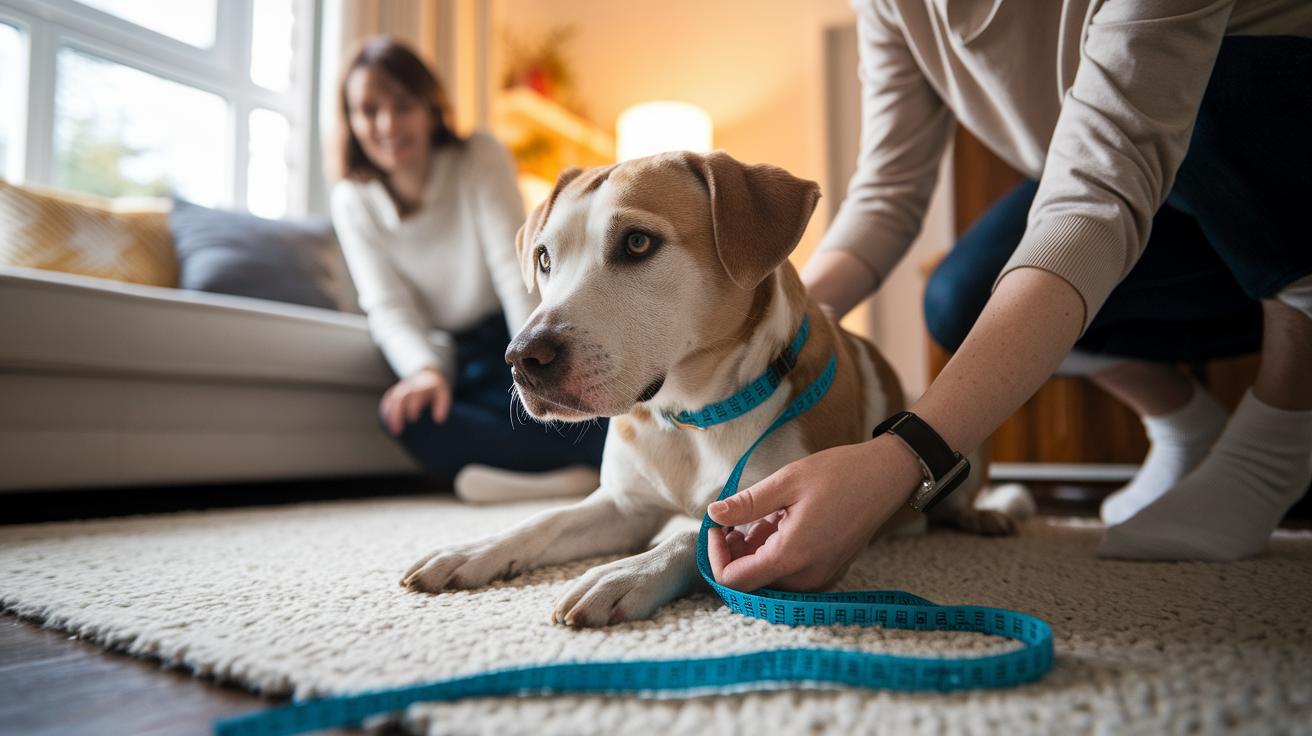
Use a soft tailor’s tape or a piece of string with a ruler to get the best fit for your dog. Hold the tape snugly against your pet's fur but not so tight that it flattens the fur.
Belly Circumference Measurement
Wrap the tape around the widest part of your dog's chest, right behind the front legs. Leave room for one finger to fit between the tape and your dog’s fur. Think of it like wrapping a scarf around your wrist without making it too tight.
Chest Bridge & Back Bridge Lengths
For the back bridge, run the tape along your dog's back from the shoulder blades to where the chest bone meets the rest of the body. Then, measure the chest bridge from this point to where the belly strap attaches. Imagine lining up a shelf and checking its length carefully.
Sternum/Neck Measurement
Place the tape at the base of the neck, over the upper part of the chest bone. Do not measure all the way around the neck because the harness should sit a bit lower for the best fit.
Dog Harness Size Guide: Weight-Based & Breed-Specific Sizing Chart
The right harness starts with knowing your dog's size. We sort our sizes from XXS to XL based on your pet's girth and weight. This simple chart makes it easy for you to find a harness that fits snugly and keeps your dog safe. For tiny dogs with a girth of 13 to 17 inches (33 to 43 cm) and weighing less than 10 lbs, the XXS size is just right. As your furry friend grows or if you have a slightly bigger dog, the XS (17–20 in / 43–51 cm, 10–20 lbs) or S (20–24 in / 51–61 cm, 20–35 lbs) sizes work great.
Medium-sized dogs usually do best with a size M harness, which fits a girth of 24 to 28 inches (61 to 71 cm) and a weight of 35 to 50 lbs. Bigger dogs feel comfortable in a size L harness (28–32 in / 71–81 cm, 50–75 lbs) while extra-large dogs that have a girth of 32 to 38 inches (81 to 96 cm) and weigh over 75 lbs should go for XL. Choosing the right size not only makes walks more enjoyable but also helps your dog feel safe and free to explore.
| Size | Girth (in/cm) | Weight Range |
|---|---|---|
| XXS | 13–17 in (33–43 cm) | Under 10 lbs |
| XS | 17–20 in (43–51 cm) | 10–20 lbs |
| S | 20–24 in (51–61 cm) | 20–35 lbs |
| M | 24–28 in (61–71 cm) | 35–50 lbs |
| L | 28–32 in (71–81 cm) | 50–75 lbs |
| XL | 32–38 in (81–96 cm) | Over 75 lbs |
Use this handy chart to pick a harness that feels good for your dog. A correct fit means happy walks and safe adventures for your furry friend.
Dog Harness Size Guide: Troubleshooting Common Fit Issues
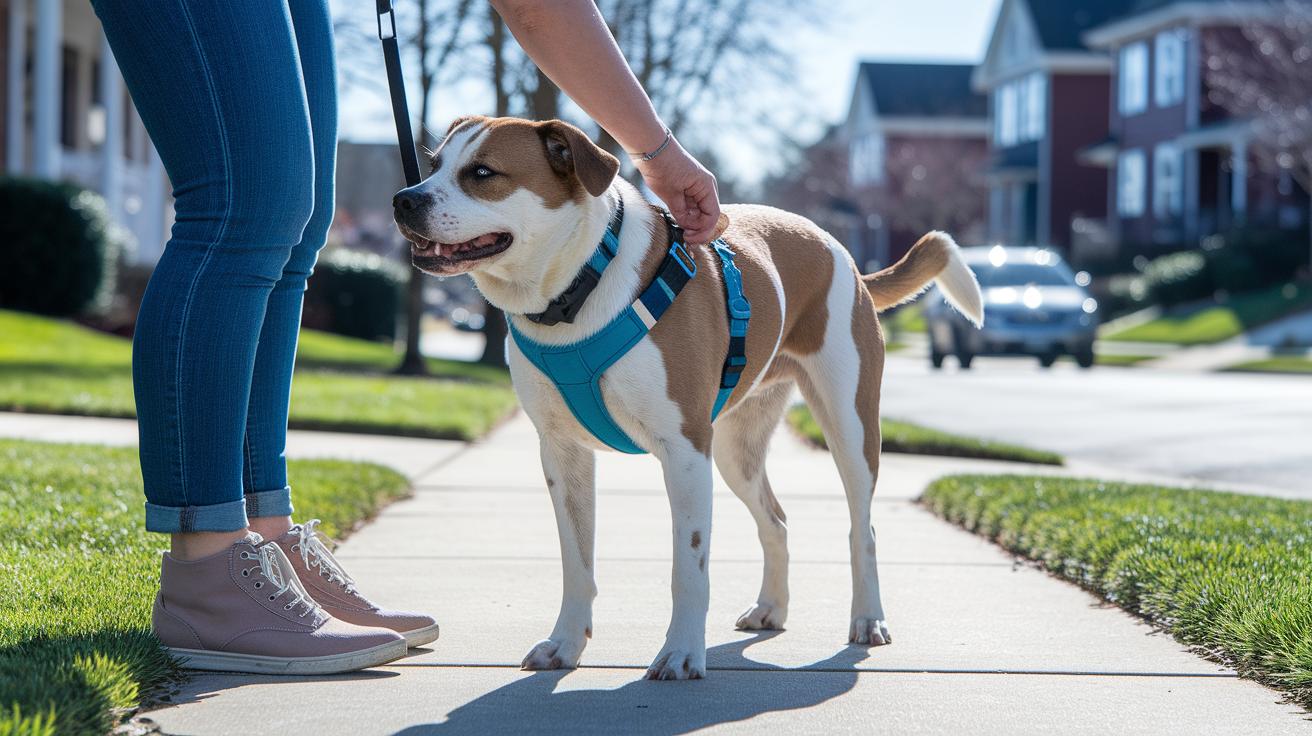
If your dog's harness isn't fitting right, it can cause rubbing or even discomfort during walks. A harness that's too tight can limit movement, while one that's too loose might slip off over the legs. When the belly strap sits too low, it may rub against your dog's front legs. And if the chest strap sits too high, it could put pressure on the throat.
Since many harnesses have fixed sizes for the chest and back, getting accurate measurements is key. If you notice any issues, try re-measuring, it really can help. Here are a few quick tips:
- Tight belly strap: Loosen it so you can easily slide one finger between the strap and your dog's body.
- Loose harness: Check your dog's girth again and consider moving up a size.
- Rubbing under legs: Adjust the belly strap so it sits just behind the front legs.
- Neck pressure: Lower the chest strap on the sternum.
- Fixed bridge issue: Double-check the back measurement and choose a model that fits your dog better.
These simple fixes can make your walks more comfortable for your furry friend.
Dog Harness Size Guide: Considerations for Puppies, Small, Medium & Large Breeds
When picking a harness, think about your dog's current size and how they might grow. Puppies, especially those from larger breeds, may keep growing until they are 12 to 18 months old. An adjustable harness is a smart choice because it can grow with your pup and still keep them safe during walks.
For small breeds, choose harnesses that start at XXS. These sizes are made for a 13- to 17-inch girth. They keep the fit light so your little buddy can move easily without feeling weighed down.
Medium-sized dogs usually do well with either S or M sizes. Since these pups can have quick growth spurts, it is a good idea to measure them regularly. If you notice any changes, update the measurement to prevent any discomfort.
Large and extra-large breeds often need harnesses with lots of adjustment options. A weight-based chart can guide you to a harness that spreads pressure evenly. For senior dogs whose weight may change, checking the fit every few months is a wise move to keep them comfy and secure.
Dog Harness Size Guide: Choosing the Right Style & Features
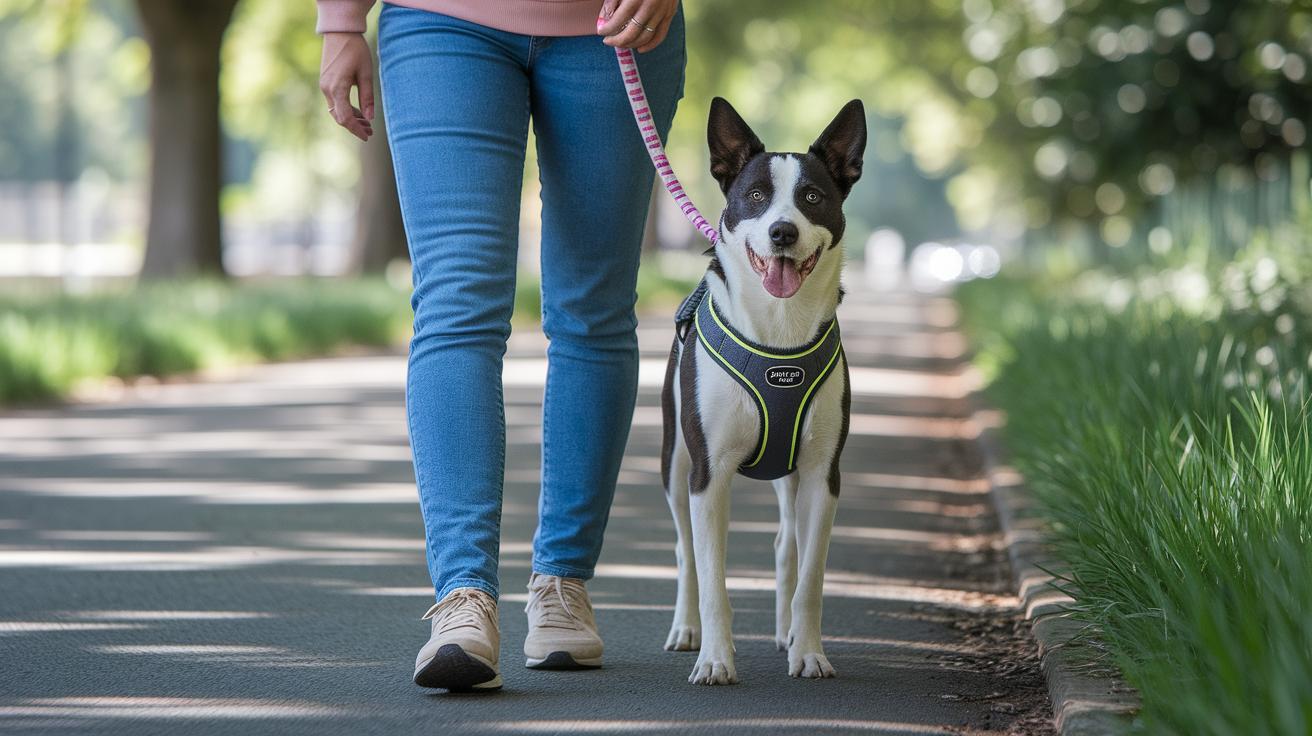
When choosing a harness, it's all about finding the right fit for your dog. Comfort-fit harnesses come with soft, padded straps and tough fabrics like polyester or nylon. They offer gentle support and hold up even during active play. Think of the padded straps as a cozy blanket that keeps your dog secure while they move freely.
No-pull harnesses are another smart choice. They spread pressure evenly across your dog's chest, which reduces pulling and makes walks more fun. Some even include a seat belt attachment that makes car rides much safer if you're often on the road.
You might also check out harnesses with reflective trims and sturdy handles. These help make your dog more noticeable at night and give you extra support in crowded places. Adjustable straps on both the chest and belly let you perfect the fit for dogs with different shapes. Try a few styles and compare measurements to be sure of the best match for your pet.
For extra peace of mind, take a look at K9 performance harness measurements. They give clear size guidelines so your dog feels secure and comfortable on every walk.
Dog Harness Size Guide: When & How to Re-Measure Your Harness Fit
It’s important to check your dog's harness fit often to keep them safe and comfy. When your dog gains about 10% of their weight or when their coat starts growing thicker, it's a good idea to measure again. If you have a puppy, measure every month so that their growing body never feels squeezed. For adult dogs, we suggest a check every few months since coat changes or small weight shifts can happen with the seasons.
Sometimes a perfect fit can become too tight or too loose when your dog's coat changes with the weather. Always take a quick look at the harness for any worn-out areas like stretched straps or fraying edges. If you see damage, it's best to get a new one right away.
Quick tips:
- If your pet’s weight increases by about 10%, re-measure right away.
- For puppies, measure their harness monthly.
- For adult dogs, a check every three months works well.
- Replace the harness if you notice any damaged straps.
Keeping up with these small adjustments means your pet stays secure and happy all year long.
Final Words
In the action, we broke down every step of the dog harness size guide. We explained how to take key measurements like belly circumference and chest bridge lengths. We shared a simple sizing chart paired with weight ranges and common fit fixes. We even touched on re-measuring tips for changing seasons and growth spurts.
Every tip is designed to keep your pet comfortable and secure. Follow this guide to enjoy a smoother harness fit that brings peace of mind. Your pet’s comfort and safety matter most.
FAQ
Frequently Asked Questions
Q: What is a dog harness size guide by breed?
A: A dog harness size guide by breed explains how different breeds may need unique measurements. It helps you choose a harness that fits your dog’s body shape for comfort and safety.
Q: What should I know about large dog harness sizing?
A: A large dog harness size guide details measuring the extra girth and weight of large breeds. Follow size charts and measure in inches for a secure, comfortable fit.
Q: How do I select a harness based on my dog’s weight and inches?
A: A weight-based guide and measuring in inches help you compare your dog’s girth and weight to a standard chart. This ensures you pick a harness that fits well.
Q: How can I tell if my dog is small, medium, or large?
A: Understanding whether your dog is small, medium, or large involves measuring its girth behind the front legs and comparing the measurement with size charts to determine the right category.
Q: How do I know what size harness to get, like at PetSmart?
A: To choose the right harness at PetSmart, measure your dog’s key areas and check the available size chart. This helps you match your measurements to the correct harness size.
Q: Is my dog L or XL?
A: Determining if your dog fits an L or XL harness means comparing its chest measurement and weight to the size chart. Look for specific girth ranges for L and XL sizes.
Q: How do I use a dog harness size calculator?
A: A dog harness size calculator works by letting you input key measurements such as girth and weight. It then recommends a size, ensuring your dog’s harness is safe and comfy.