


Have you noticed your dog's tummy acting up after meals? Switching to grain-free food might be just what your pet needs. This meal plan replaces wheat, corn, and rice with quality proteins and healthy carbs like sweet potatoes and peas. Many pet parents see less scratching and more steady energy after switching. In this post, we show you how grain-free meals can help your furry friend feel happier and healthier.
Key Benefits of Grain-Free Dog Food
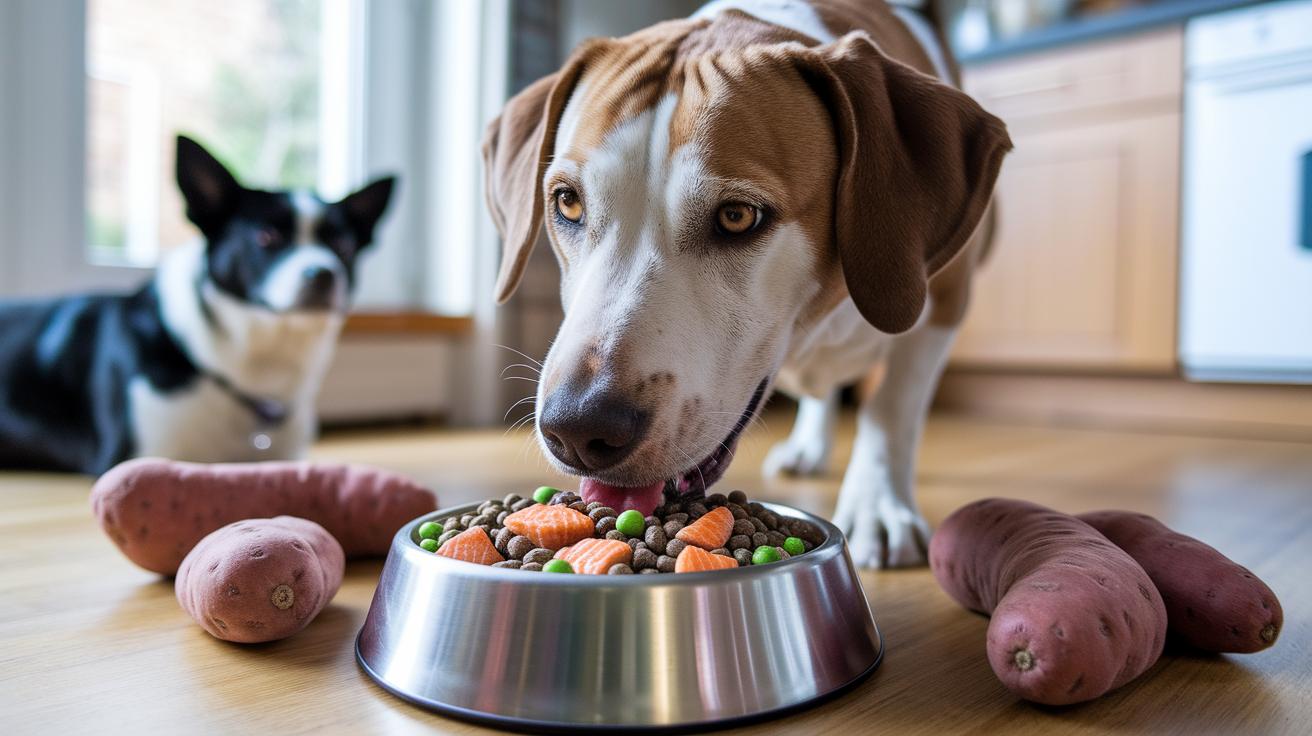
Grain-free dog food skips wheat, corn, and rice. Instead, it uses high-quality proteins like chicken, salmon, or beef and good carbs like sweet potatoes and peas. This mix helps your dog's tummy feel comfortable and supports easy digestion.
Switching to grain-free meals may help with allergies. Many pet parents notice fewer signs of itchy skin and ear problems. Adding fruits and veggies such as blueberries and sweet potatoes gives your pet extra vitamins and antioxidants to boost their natural defenses.
Grain-free food keeps your pet full of steady energy. By focusing on quality proteins and wholesome carbs, these meals help maintain lean muscle and a balanced diet. You may see your dog looking healthier and more energetic day by day.
- Improved digestion: Easy-to-digest carbs and fiber help keep your pet's tummy happy.
- Allergy management: Removing grains can reduce triggers for itchy skin and ear issues.
- Coat and skin health: The right ingredients and omega fatty acids can make coats shinier and skin healthier.
- Energy levels: High-quality proteins and smart carb choices give steady energy without sugar spikes.
- Balanced nutrition: A mix of proteins, fats, and vitamins helps your pet stay strong and well-fed.
Up next, we explore each benefit in more detail, from keeping your pet's tummy happy to boosting their energy and overall health.
Improved Digestive Health with Grain-Free Dog Food
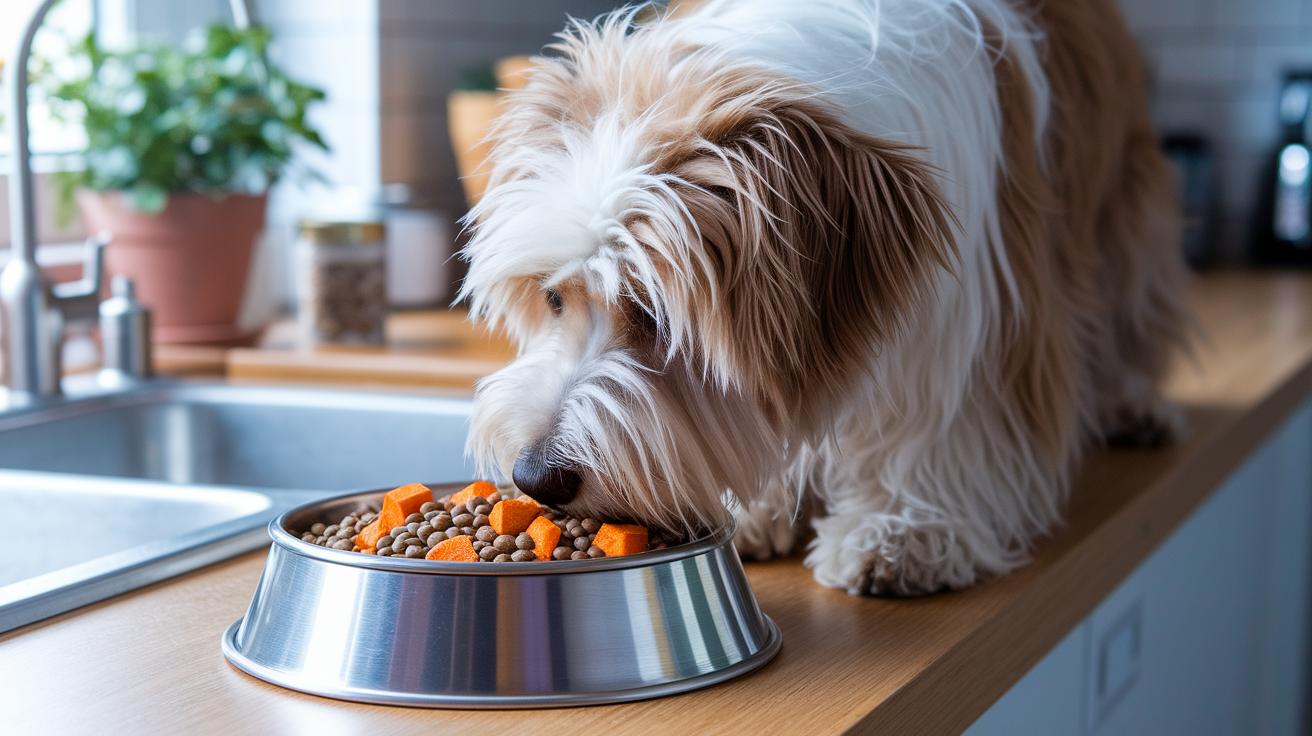
Grain-free dog food swaps out common grains for easy-to-digest carbs like sweet potatoes and lentils. It has extra fiber that helps ease bloating and keeps your dog's tummy happy. This recipe is made to support a balanced gut so every meal helps with smooth digestion. Many recipes even add the BC30 probiotic strain (click the link to learn more) to boost the good gut bacteria. By using a mix of healthy carbs, grain-free diets often lead to firmer stools and less gas. With natural and wholesome ingredients, these foods help your dog feel comfortable and keep digestion on track.
- Soothes bloating with fiber-rich carbs.
- Helps keep bowel movements regular and comfy.
- Supports firmer stools through balanced nutrient absorption.
- Boosts gut health with BC30 probiotic strains.
All these benefits come from recipes that meet AAFCO standards. That means every formula is balanced and filled with the nutrients your dog needs. Following these guidelines helps keep your dog’s digestion healthy and improves overall well-being with every meal.
Managing Allergies and Sensitivities with Grain-Free Diets

Many pet parents have seen that grains like wheat, corn, and rice can sometimes make dogs feel itchy or upset. True grain allergies are not common, but many sensitive pups seem to do better when they eat grain-free food.
Here are some signs to look for:
- Itchy skin
- Ear infections
- Hives
- Upset tummy
- Gas
Grain-free diets often include new proteins like salmon and turkey. These proteins are less likely to cause reactions than the ones you might normally feed your pet. By cutting out grains and gluten, you can help lower the chances of skin irritations and stomach troubles.
Many pet parents tell us that their dogs seem calmer and show fewer allergy symptoms after switching. This approach not only cuts out possible irritants but also gives your dog a balanced meal with quality ingredients to keep them healthy and happy from the inside out.
Enhanced Skin and Coat Quality from Grain-Free Formulas

Many pet parents have seen that foods filled with grains and low-quality fillers can make your dog's skin itch, flake, and look dull. When you feed your dog food that doesn't give them the right nutrients, it can lead to skin irritations and a coat that lacks life. Grain-free formulas swap out those fillers for high-quality proteins and healthy fats that your dog truly needs.
- Less dandruff thanks to nutrient-rich ingredients.
- A shinier coat with omega-3 and omega-6 fats.
- A healthier skin barrier because of better ingredients.
Grain-free recipes shine with star ingredients like salmon and flaxseed, which bring in natural fatty acids to help support a shiny coat and strong skin. When we add superfoods like sweet potatoes and blueberries, the antioxidants work to repair skin cells. This thoughtful mix not only soothes skin irritations but also gives your dog's coat a vibrant, healthy look.
Balanced Nutrition, Weight Control, and Energy Levels with Grain-Free Dog Food

Grain-free dog food gives your dog balanced fuel. It’s made with the right mix of protein and carbs to help keep muscles lean and boost overall health. We use good proteins like chicken, salmon, or beef paired with healthy carbs such as sweet potatoes and peas. This blend helps your dog feel full longer and keeps energy levels steady without the bounce of low-quality ingredients.
- Supports strong muscles with key proteins.
- Helps your dog feel full so they eat less.
- Keeps energy levels steady with wholesome carbs.
- Aids in weight control with balanced calories.
It’s important to keep an eye on calorie intake when choosing a grain-free diet. Meals built to meet AAFCO standards are crafted to give complete and balanced nutrition. That means your dog gets just the right amount of energy and nutrients to avoid overeating. By adjusting portion sizes as needed, you can help ensure your pet stays healthy and energetic every day.
Nutritional Value and Ingredient Insights in Grain-Free Dog Meals
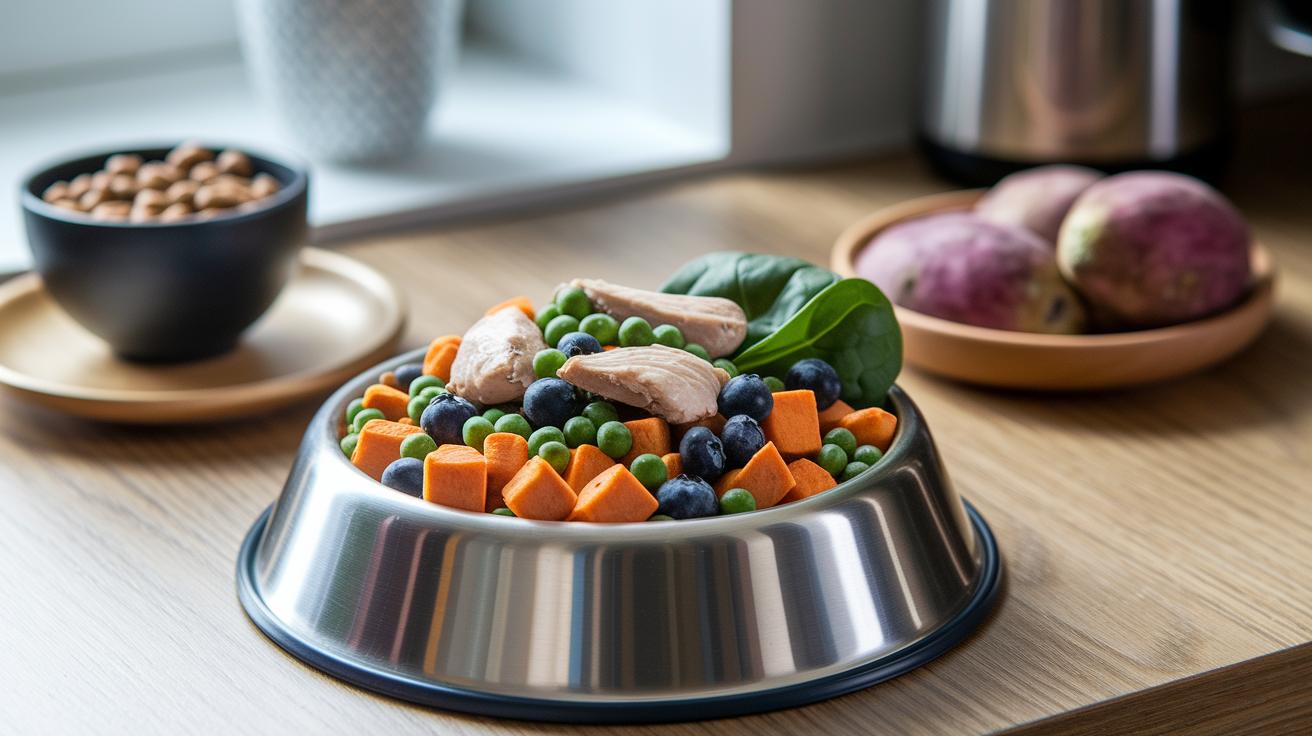
Grain-free meals for your dog use only the best ingredients to keep them happy and healthy. We mix high-quality animal proteins like chicken, beef, or fish with hearty carbs such as sweet potatoes, peas, and lentils. Added fruits and veggies, like blueberries and spinach, bring in vitamins and antioxidants to help boost your dog’s immune system.
This blend helps build muscle, supports overall energy, and keeps your pet feeling vibrant. Plus, with fewer fillers and no artificial additives, you know your dog is getting a meal made with care.
| Ingredient | Nutrient Benefit | Source Example |
|---|---|---|
| Chicken | Protein for strong muscles | Animal protein |
| Sweet Potatoes | Carbs and fiber for energy and digestion | Alternative carbohydrate |
| Blueberries | Antioxidants for immune support | Fruit |
| Lentils | Fiber and protein for balanced meals | Legume |
We believe in using simple, clean ingredients so your dog can enjoy every bite. The well-chosen proteins and carbs work together to keep them strong, full of energy, and ready for any adventure.
Veterinary Perspectives and Scientific Research on Grain-Free Diets
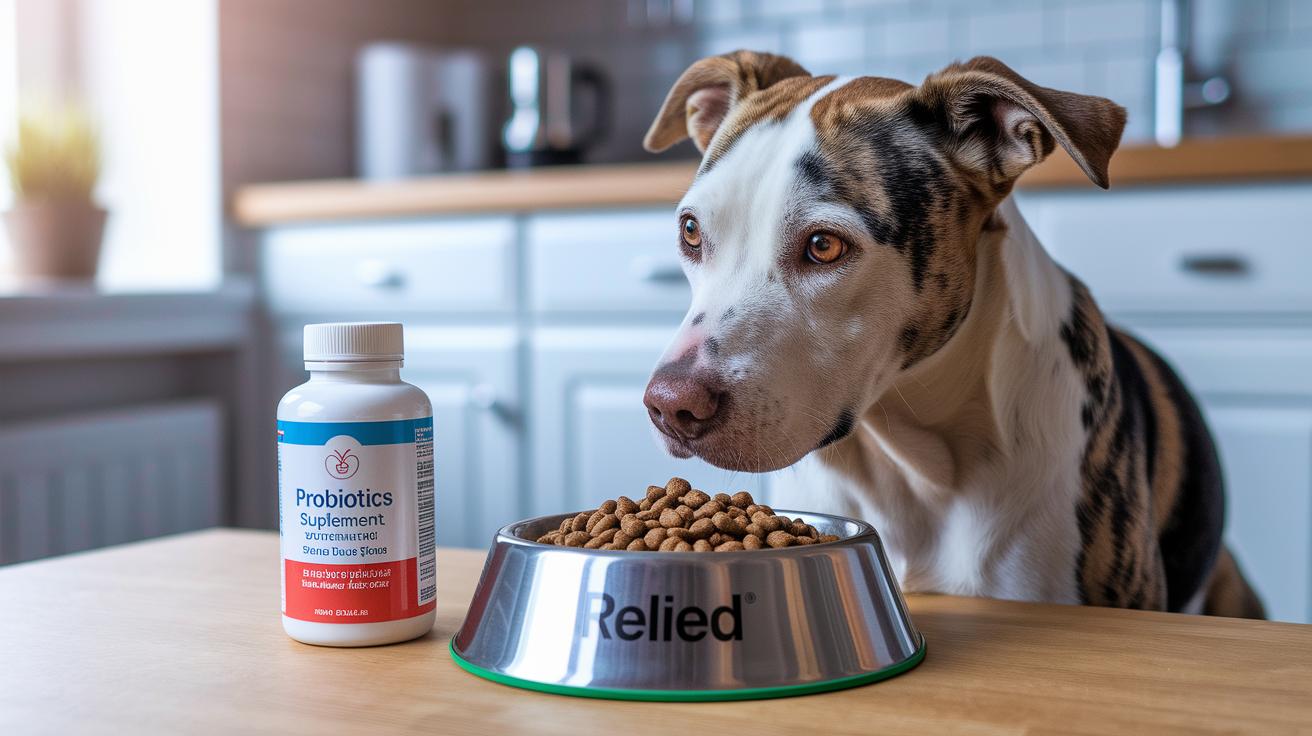
Vets often suggest grain-free diets for dogs that show signs of food sensitivities. Some pups dealing with upset stomachs, itchy skin, or mild allergies might enjoy meals that skip common grains and still follow AAFCO nutrition rules. We know that a balanced diet is key. That means choosing foods with good protein, healthy carbs, and added goodies like probiotics to support your dog's overall health.
Recent studies back up what many vets say. Here are some simple points from the research:
- When grain-free meals are well balanced, there is no proven link to dilated cardiomyopathy.
- A balanced diet with probiotics can help keep your pet's digestive system happy.
One study by the FDA in 2018 looked at diets high in legumes and raised questions about heart health, but no clear connection was found. Researchers also note that probiotics, such as BC30™, support a strong gut and a healthy immune system.
If you are thinking about switching your dog to a grain-free diet, talk with your vet first. Every pet is different. Working together, you can create a meal plan that gives your dog the right mix of calories, proteins, carbs, and special extras for a healthier life.
Transitioning Your Dog Safely to a Grain-Free Diet
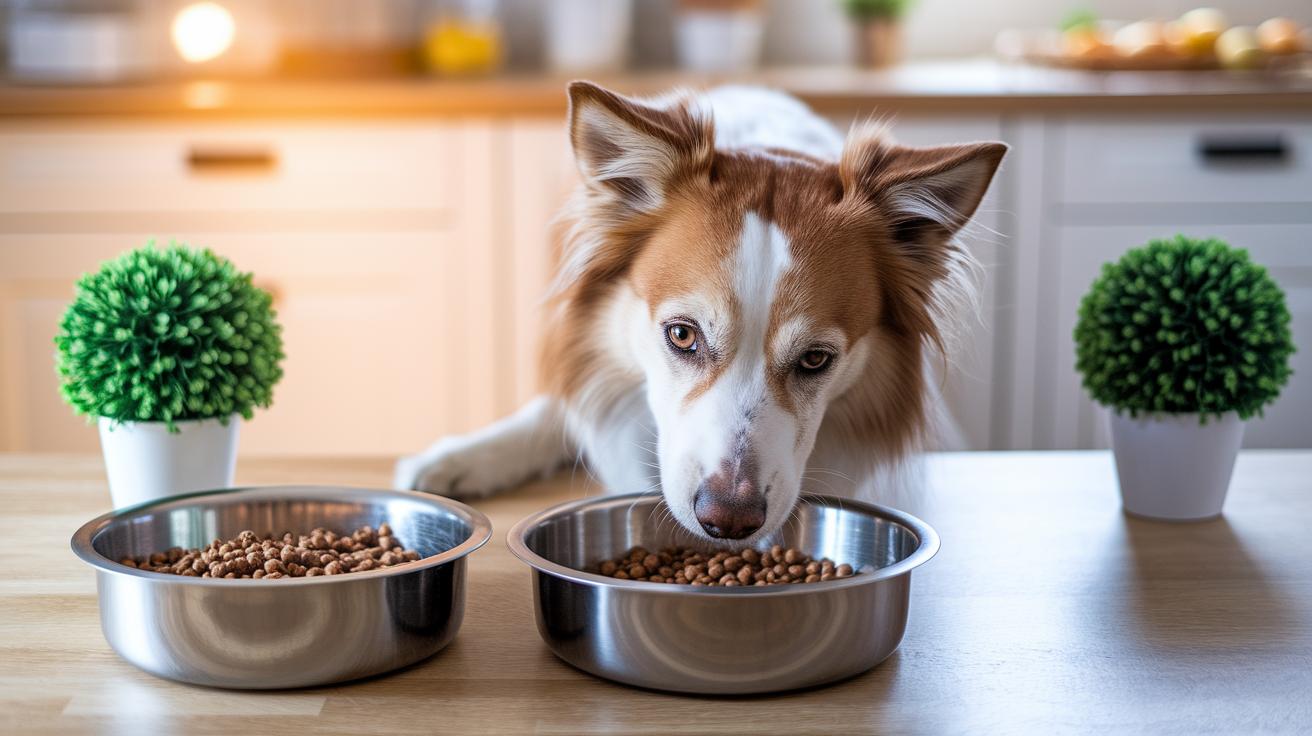
Switching to grain-free food takes time so your dog's tummy stays happy. A slow change helps stop digestive issues and lets your pet get used to the new ingredients. Mixing a bit of the new food with the old can really help.
Follow these steps:
- For the first 2-3 days, mix 25% grain-free food with 75% of the current food.
- Over the next 2-3 days, mix 50% grain-free food with 50% old food.
- Then, for another 2-3 days, blend 75% grain-free with 25% current food and keep an eye on your dog's energy and stool.
- After 7-10 days, if everything looks good, switch to 100% grain-free food.
Always check in with your vet during this change. They can help with the right portion sizes and make sure your pet stays healthy.
Final Words
In the action, we've seen how choosing grain free dog food can boost digestion, ease allergy symptoms, and improve skin and coat health while keeping energy levels up. You learned how balanced nutrition, vet-backed insights, and a gradual transition make all the difference. Every good decision you make for your pet adds to a healthier lifestyle and supports a deeper impact. Remember, the benefits of grain free dog food bring real, positive change, one bowl at a time.
FAQ
What is grain-free dog food?
The term “grain-free dog food” refers to meals made without common grains like wheat, corn, or rice. Instead of grains, these diets feature alternative carbohydrates like sweet potatoes and peas paired with high-quality proteins.
What benefits does grain-free dog food have?
The benefits of grain-free dog food include improved digestion, reduced allergic reactions, healthier skin and coat, steady energy levels, and better weight management by using superior ingredients.
Do vets recommend grain-free dog food?
Vets often recommend grain-free dog food for dogs with allergies or sensitivities. They stress the importance of choosing formulas that meet complete AAFCO profiles and advise consulting a vet for personalized guidance.
What are the pros and cons of grain-free dog food?
Grain-free diets offer pros like easier digestion and effective allergy management. However, some formulas may miss nutritional balance if not well-formulated, so careful selection and gradual transition are essential.
Are there any myths or warnings about grain-free dog food?
The idea that grain-free dog food is a miracle cure is a myth. Warnings often note that poorly balanced grain-free diets may lack essential nutrients, so it’s important to check ingredient quality and vet advice.
Does grain-free dog food cause heart problems?
The notion that grain-free dog food causes heart problems has not been proven. Research indicates that diets meeting balanced AAFCO standards and using proper ingredients do not show a direct link to heart issues.
Are grains beneficial in dog food?
Grains can be beneficial as they provide fiber, vitamins, and energy. When included in balanced formulas, many dogs digest grains well, supporting overall health without triggering sensitivities.
Is it better to get grain-free dog food?
Grain-free dog food may be a better option for dogs with grain allergies or sensitivities. However, the ideal choice depends on your pet’s unique needs, so it’s best to discuss options with your vet.