

Have you ever thought a small change might make cleaning up cat litter easier and safer? Non-clumping litter soaks up moisture like a sponge. It helps keep messes low and lowers the risk of blockages if your cat happens to sample it. It may not form neat clumps, but it has a hidden plus for busy pet parents and playful kitties. In this post, we explain how this simple litter brings affordability, safety, and ease of use to multi-cat homes.
Understanding Non-Clumping Cat Litter Basics
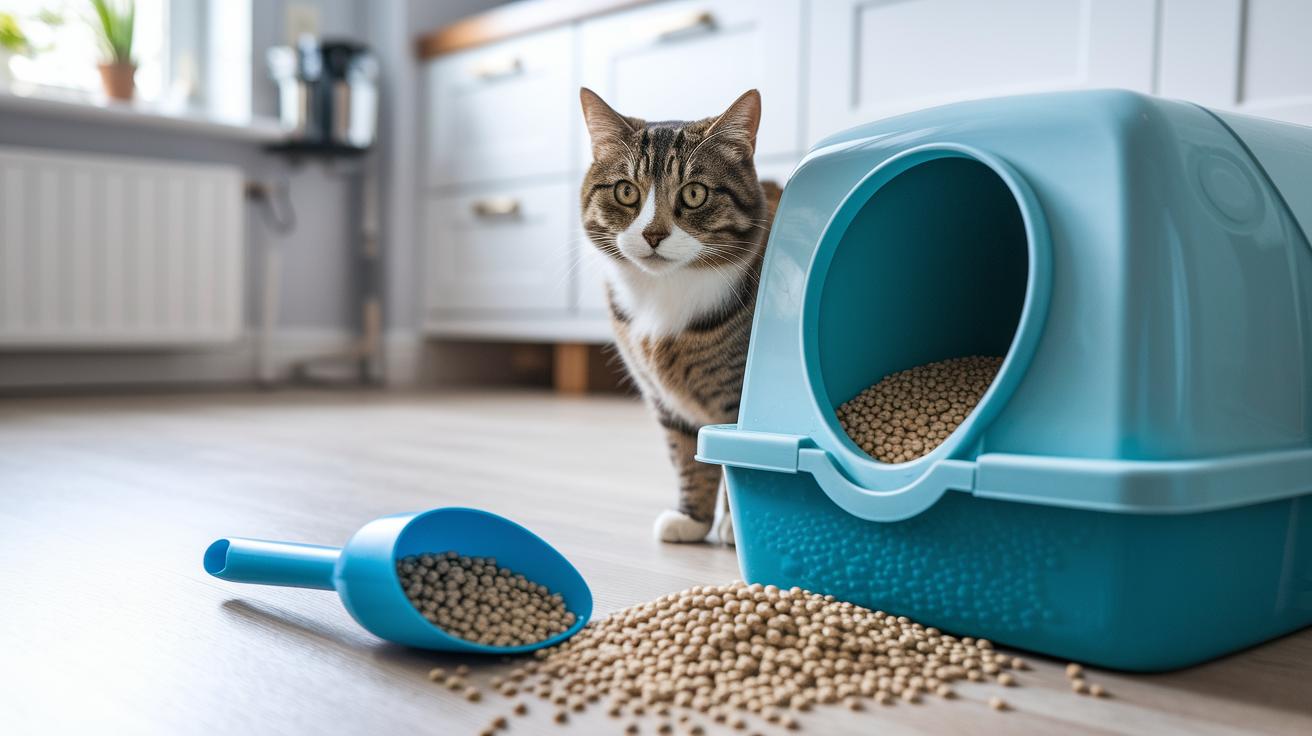
Non-clumping cat litter is designed to soak up moisture without forming hard clumps. It is made from materials like absorbent clay, silica gel, wood, paper, or even coconut. This litter works differently from clumping types. Instead of gathering liquid into solid clumps, it absorbs spills much like a sponge and lets wet pellets slip through in sifting boxes.
Because it does not clump, you need to change the entire litter box every one to two weeks. We recommend stirring the litter each day to spread out any moisture and keep the top as dry as possible while still trapping waste. This method also means that if your cat ingests a little, there is less risk of a blockage in their digestive system. This safety feature can be especially important for playful kittens and sensitive cats.
Key points to remember:
| Feature | Description |
|---|---|
| Materials | Lightweight and absorbent like clay, silica gel, wood, paper, or coconut |
| Dust | Helps reduce dust in the air |
| Maintenance | Scoop solids daily and mix thoroughly to keep the top dry |
This type of litter is a great option for pet parents who appreciate simplicity and affordability. It may not have the ease of clumping litter, but its safety and cost efficiency make it a popular choice in busy, multi-cat homes.
Key Advantages of Non-Clumping Cat Litter
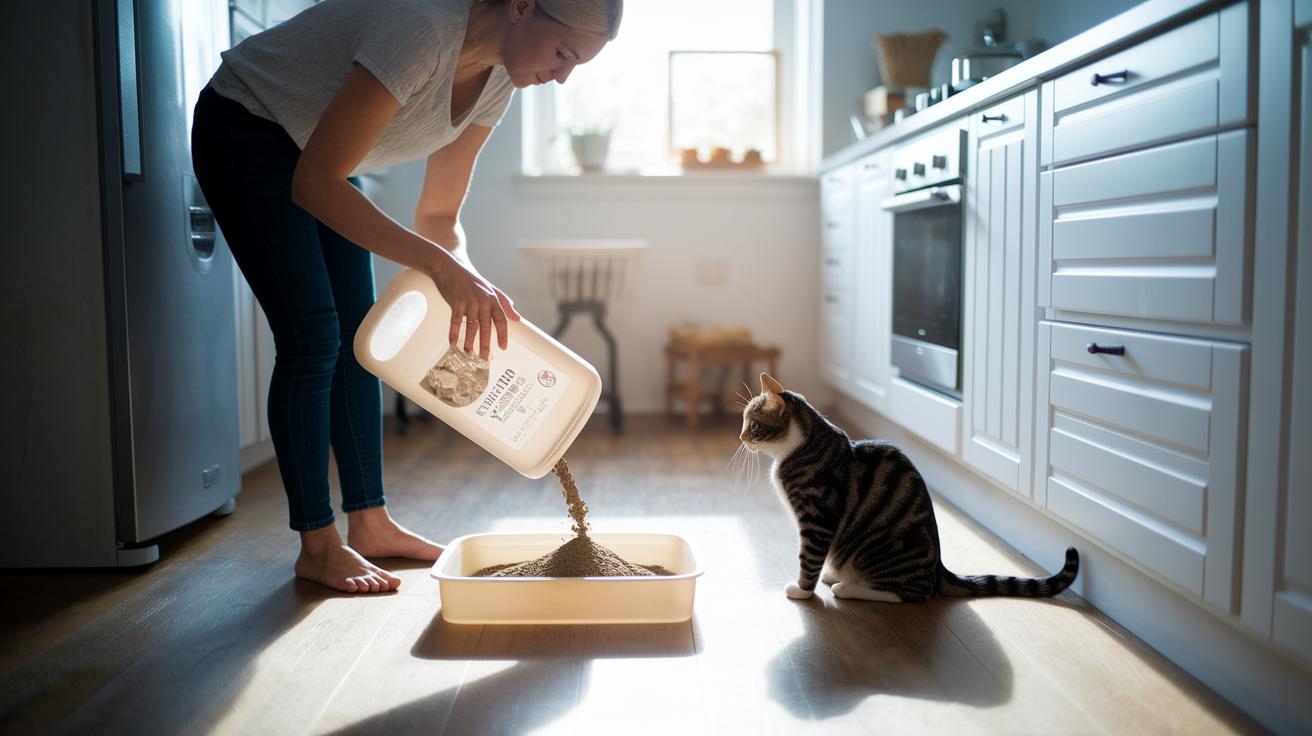
If you're looking to save money while keeping your kitty happy, non-clumping cat litter might be just the thing. It lets you get more value for your money, like having extra treats or toys left over for your fur friend.
This type of litter works great with automatic and sifting litter boxes. That means less scooping and a simpler cleanup for you. Plus, silica-based formulas keep smells at bay and feel soft on your cat’s paws, imagine a litter that's both odor-fighting and gentle with every step.
Key benefits include:
- Lower cost per pound to help stretch your budget.
- Easy-to-use with automatic and sifting litter boxes.
- Excellent odor control with silica-based ingredients.
- Soft granules that care for sensitive paws.
Trying non-clumping cat litter can be a smart choice if you want convenience and savings while keeping your pet comfortable.
Drawbacks of Non-Clumping Cat Litter
Non-clumping cat litter can be a real hassle. It does not form firm clumps, so waste mixes with fresh litter. This means you often need to replace the whole box instead of just scooping out the mess.
It also does a poorer job at controlling odors. The wet pellets do not lock away moisture like clumping litter. This can lead to a strong "cat-pee" smell if you do not change it often. The issue gets worse if you have more than one cat or if you do not stir the litter every day.
Users say that topping up the litter is tricky too. The used litter stays mixed with the fresh, so it is hard to get the right balance for absorbing moisture. While this can be kinder on your budget, it needs more work and regular stirring.
Key drawbacks to keep in mind:
- Build-up of soiled litter over time
- Greater chance of strong ammonia smells
- Need for constant stirring and full litter box changes
non-clumping cat litter Delivers Pure Pet Delight
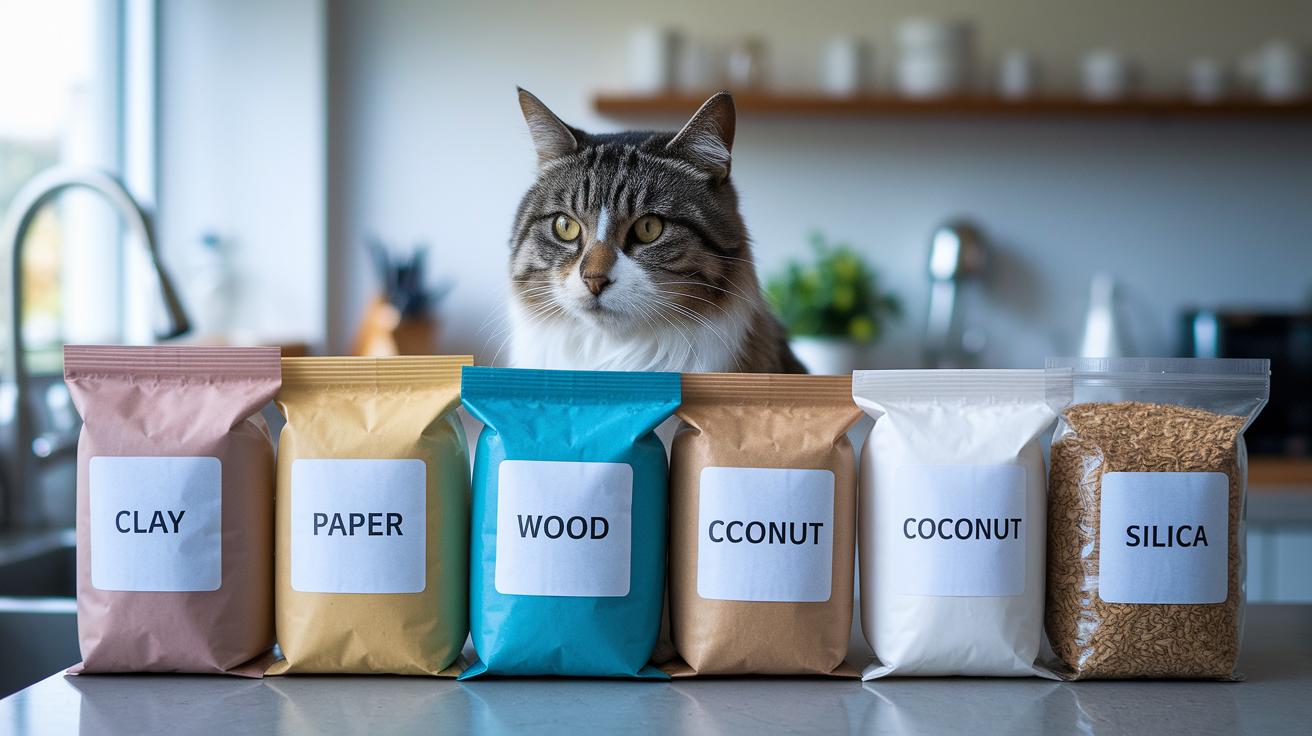
When picking non-clumping litter, you need to check a few things. First, look at the material. It can be clay, paper, wood, coconut, or silica. Each one soaks up moisture differently and feels unique under your cat’s paws. Paper and coconut litters are light and kind to the earth. On the other hand, clay and silica work well to lock in wetness.
Next, think about dust and smell. Low-dust litter keeps the air clear for kittens and cats with sensitive breathing. You can choose unscented litter for a neutral aroma or a lightly scented one to hide odors, especially if you have more than one cat.
Key points to consider:
- Material: Does it absorb well and feel nice on your pet’s paws?
- Dust and scent: Pick low-dust, unscented options for sensitive cats.
- Weight and price: Compare the cost per pound and how easy it is to handle.
- Eco-friendliness: Check for sustainable and biodegradable options.
When switching from another litter, mix a little of the old with the new over 1 to 2 weeks. This slow change helps your kitty feel at ease and lets you see how the new litter performs.
Top-Rated Non-Clumping Cat Litter Products Reviewed
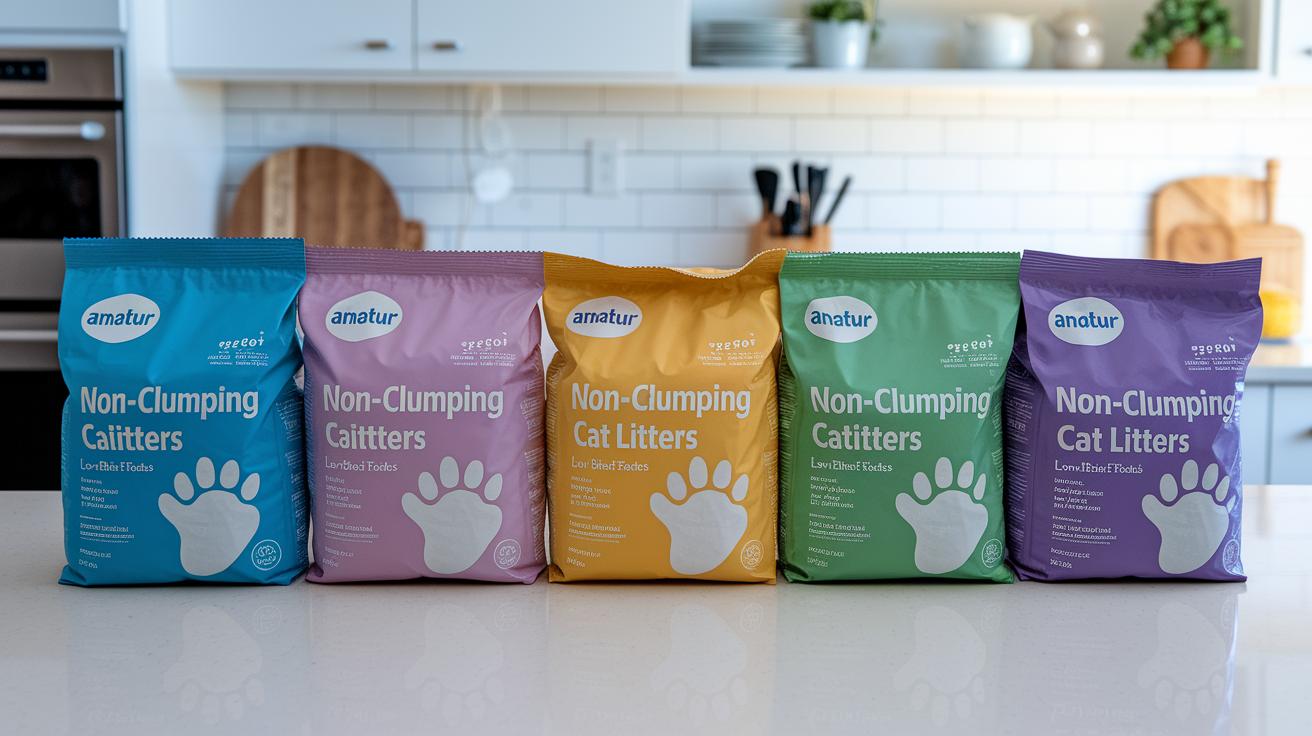
We looked closely at five non-clumping cat litters that work well for many pet parents. We chose these options because they are affordable, easy to use, and have trusted performance. We listened to your feedback and did our own research on key features like low dust, easy clean-up, and benefits that are just right for indoor cats. These litters work great in automatic litter boxes and stay gentle on delicate paws. We compared them by looking at weight, price, cost per pound, and standout features so you can easily find the best fit for your cat.
| Product | Weight | Price | Cost/Lb | Key Features |
|---|---|---|---|---|
| CatSpot Coconut | 5 lbs | $17.99 | $3.60/lb | Biodegradable, low dust, light scent |
| Fresh News Unscented Paper | 25 lbs | $26.23 | $1.05/lb | Flushable, soft on paws |
| Feline Pine Original | 40 lbs | $24.99 | $0.62/lb | Natural pine, odor control |
| Naturally Fresh Walnut Pellet | 26 lbs | $23.99 | $0.92/lb | Walnut shells, low tracking |
| Pretty Litter | 6 lbs | $24.00 | $4.00/lb | Silica crystals, color-change health monitoring |
Each of these brands balances value and performance in its own way. Pet parents love them for the low dust and practical features. Whether you prefer an eco-friendly choice with biodegradable parts or a high-tech formula that even keeps tabs on your cat’s health, this table helps you make a clear choice. We hope this guide makes it easier for you to pick a litter that fits your cat’s lifestyle perfectly.
Maintenance Tips for Non-Clumping Cat Litter
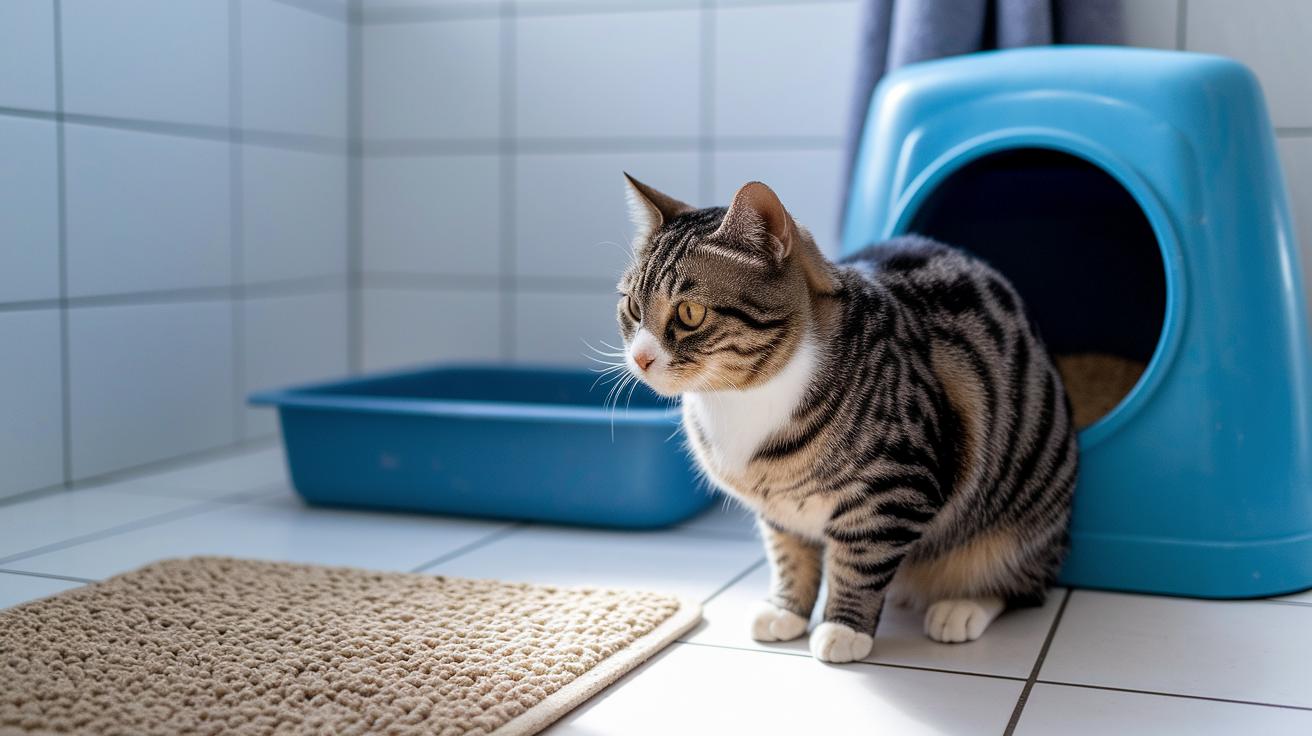
Every day, take a few minutes to scoop out your cat's solid waste. This small effort keeps smells down and helps your cat feel cared for.
Give the litter a good stir. Think of it like fluffing a pillow, it spreads out the moisture so the top stays dry and inviting.
If your litter box has a sifting or automatic feature, use a special sifting scoop. It collects the heavier, wet pellets that settle at the bottom, making cleanup easier.
Replace the entire litter every 1 to 2 weeks. A fresh litter box stops the build-up of ammonia from old urine and keeps your cat’s space healthy.
Place a litter mat around the box. This simple step catches litter that sticks to your cat's paws, keeping your home tidier.
Remember to wash the litter box regularly. Use mild soap and water, then dry it completely before you add new litter. This extra care helps control bacteria and makes the area fresh for your furry friend.
Following these easy steps not only reduces odors but also keeps your cat comfortable and your home a happy place for both of you.
DIY Odor-Control Enhancements for Non-Clumping Cat Litter
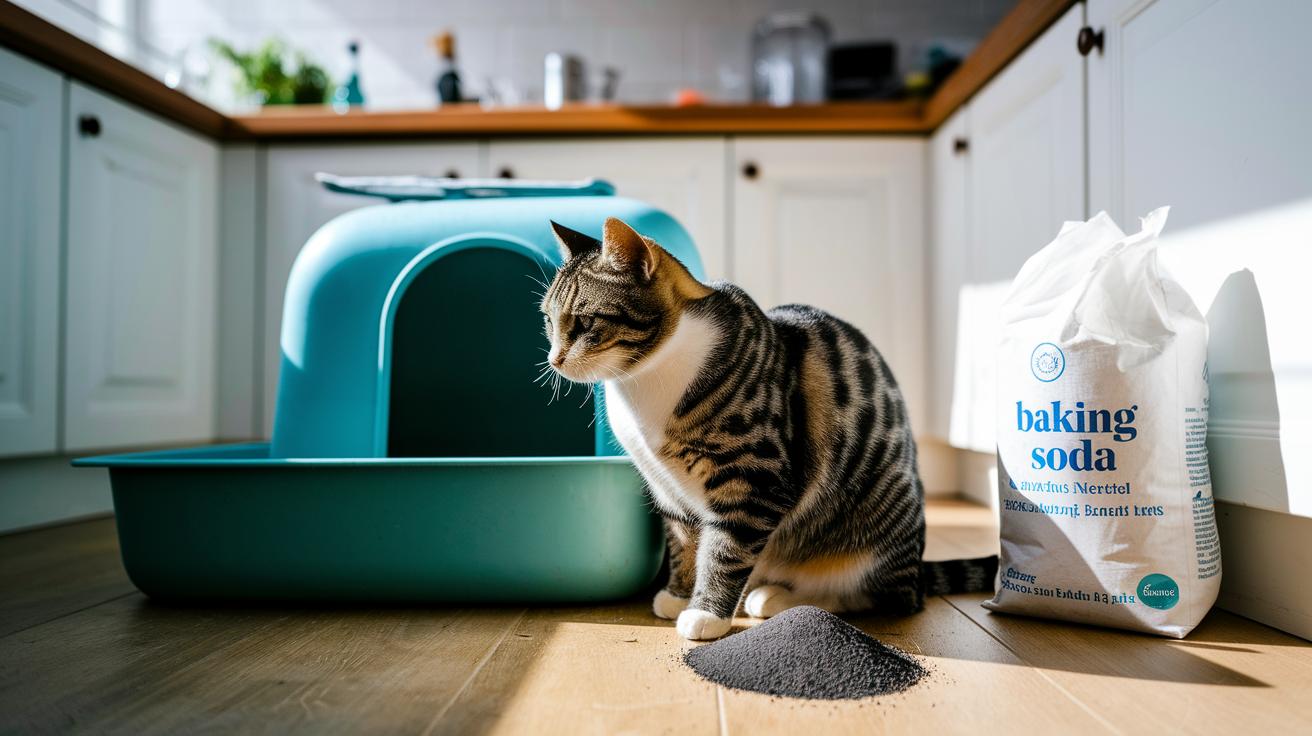
Looking for simple tricks to keep your cat's litter box smelling fresh? We have a few ideas that work well with non-clumping litter. These tips help kill odors without the need for a whole new product.
Try these easy steps:
- Mix ¼ cup of baking soda into the litter. This common kitchen ingredient helps cancel out smells.
- Sprinkle activated charcoal granules on top. Activated charcoal soaks up bad odors and moisture.
- Use fragrance-free deodorizing crystals if you want a neutral scent. They work without adding any extra smells.
- Place small pouches of bamboo charcoal around the litter box. They help trap odors all day long.
- Stir in a bit of sifting clay litter. This extra boost helps absorb moisture and control odors even better.
Each tip is designed to work with the litter you already have. You can try one idea or mix a few to find what works best for you and your cat. Enjoy a fresher space while keeping your cat relaxed and your clean-up routine simple.
Eco-Friendly Non-Clumping Cat Litter Options
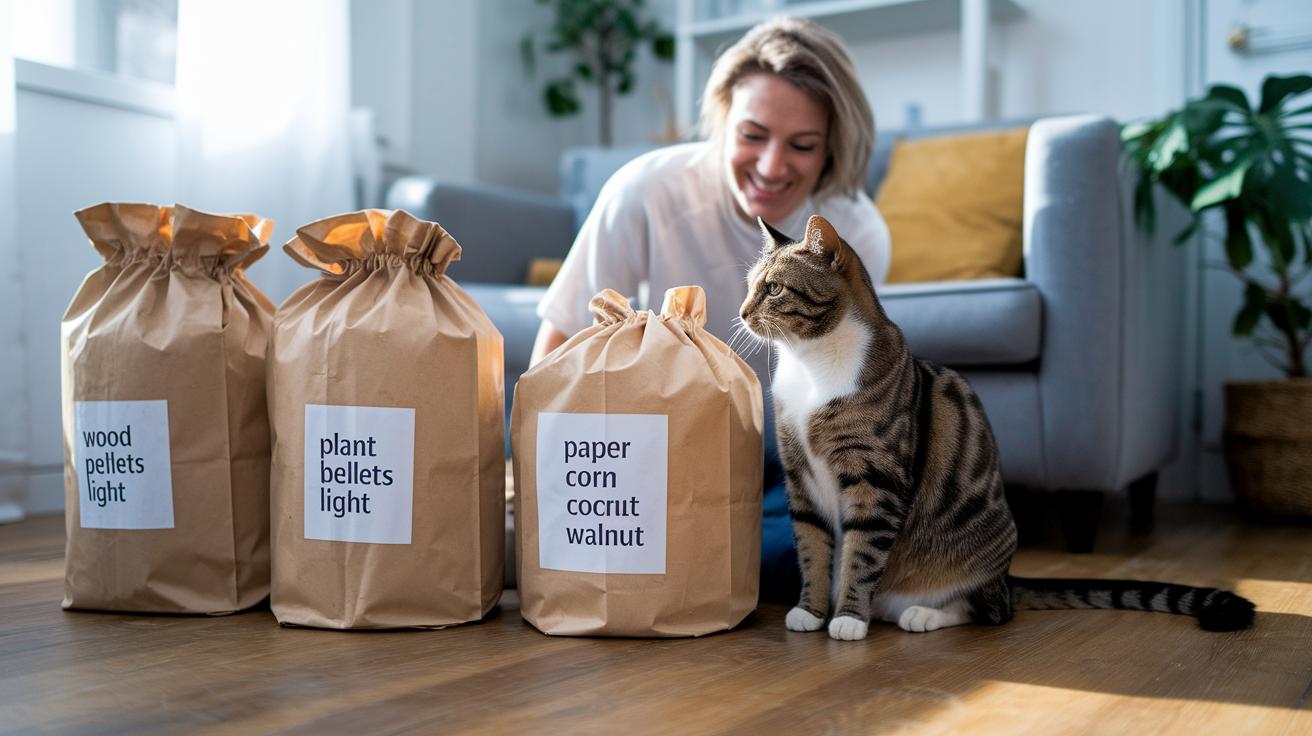
If you love your pet and the planet, you might enjoy these eco-friendly cat litter choices. We know you care about helping the earth. With plant-based options made from wood pellets, paper, corn, coconut, or walnut shells, you get a litter that can often be composted or even flushed.
Take Fresh News paper, for example. It is fully biodegradable, which means it breaks down naturally and keeps waste low. Then there's Feline Pine. It uses reclaimed pine so no new trees are cut down. And CatSpot Coconut uses husk fibers, a renewable material that supports sustainable farming.
Choosing these litters keeps your home smelling fresh and helps manage waste better. Instead of sitting in a landfill for years, the litter breaks down or composts naturally. It’s a simple, thoughtful choice that cares for your furry friend and the environment.
Next time you shop for cat litter, think green for a healthier planet and a cleaner litter box.
FAQs on Non-Clumping Cat Litter
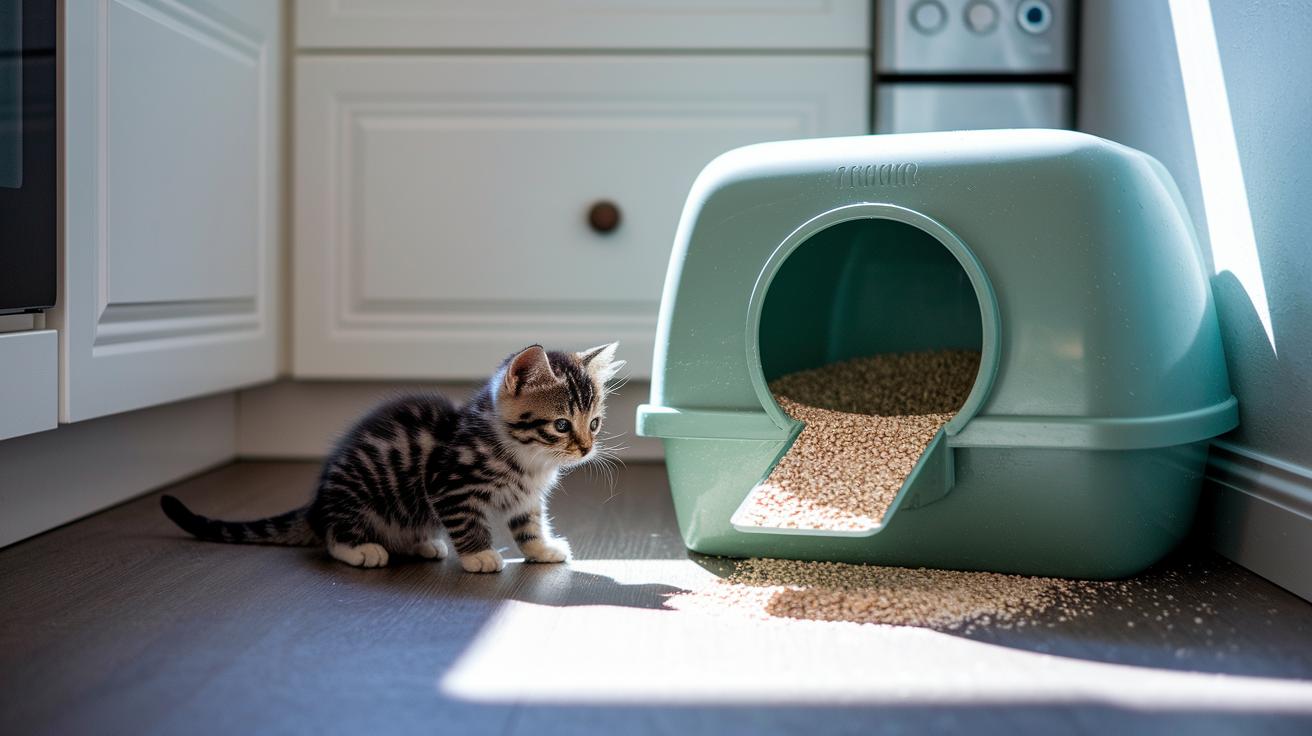
We know it can be tricky to keep your kitty's spot clean. For more details, check the care instructions above. Here are some quick, friendly reminders:
-
How often should I change non-clumping litter?
We recommend emptying the entire litter box every 1–2 weeks and scooping out the solid bits every day. This keeps it fresh for your cat. -
Is non-clumping litter safe for kittens?
Yes, as long as you choose a low-dust, soft-granule formula. Take a look at the kitten safety guidelines for extra tips. -
How do I transition from clumping to non-clumping litter?
Mix a little of the new litter with the old over 7–10 days. This gradual change helps your cat adjust smoothly. -
Will non-clumping litter work in automatic boxes?
It does. The wet pellets pass through the sifting traps in most automatic boxes. Just follow your box's instructions for the best results. -
How can I control odor effectively?
Stir the litter every day and consider adding a small amount of baking soda or activated charcoal to help keep odors under control.
Final Words
In the action, this guide walked you through the basics of non-clumping cat litter, its benefits, drawbacks, and ideal maintenance steps. We compared top-rated options, offered practical tips for odor control, and even touched on eco-friendly choices. Each section aimed to simplify your decision-making by breaking down features, costs, and safety tips. We hope these insights help you choose a non-clumping cat litter that keeps your pet comfortable and supports your values. Keep things simple, safe, and enjoyable for your furry friend.
FAQ
How does non clumping cat litter differ from clumping litter?
The non clumping cat litter differs by absorbing moisture without forming solid clumps, which means you need a full litter box change every 1–2 weeks, unlike clumping litter that lets you scoop clumps daily.
Is non clumping cat litter safe for kittens?
The non clumping cat litter is safe for kittens when you choose a low-dust, soft formula designed with their sensitive paws and respiratory systems in mind.
What defines a non clumping cat litter box?
The non clumping cat litter box uses loose, absorbent material that doesn’t clump; you remove solid waste daily and replace the entire litter regularly for best results.
Can non clumping cat litter work for ice-related messes?
The non clumping cat litter is meant for absorbing pet waste rather than melting ice; for ice management, it’s best to use products made for ice melt.
What do Reddit discussions say about non clumping cat litter?
Reddit users note that non clumping cat litter is budget-friendly and safer if ingested but mention that odor control can lag without regular maintenance.
Where can I find non clumping cat litter near me or on Amazon?
You can find non clumping cat litter in many pet stores locally and online on platforms like Amazon, including unscented options that work well for sensitive pets.
Why would anyone use non clumping cat litter?
The non clumping cat litter is chosen for its affordability, safety benefits for curious kittens, and suitability for automatic or sifting litter boxes despite needing more frequent changes.
What kind of material makes up non clumping cat litter?
The non clumping cat litter is usually made from absorbent clay, silica, wood, paper, or coconut fibers, all designed to soak up moisture without forming clusters.
Why do shelters prefer non clumping cat litter?
Shelters lean toward non clumping cat litter because it lowers ingestion risks for young kittens and allows for complete box cleanouts, ensuring a cleaner environment.
How often should non clumping cat litter be replaced?
The non clumping cat litter should be completely replaced every 1–2 weeks, with daily removal of solid waste to manage odors and keep the box fresh.
What are the differences among Tidy Cats, Special Kitty, and unscented options?
Tidy Cats Non Clumping 24/7 Performance absorbs moisture without clumping, while its clumping version forms easy-to-scoop clusters. Special Kitty offers a natural clay version that stays unscented and a scoopable clumping option, giving pet parents choices that suit their cleaning style.