
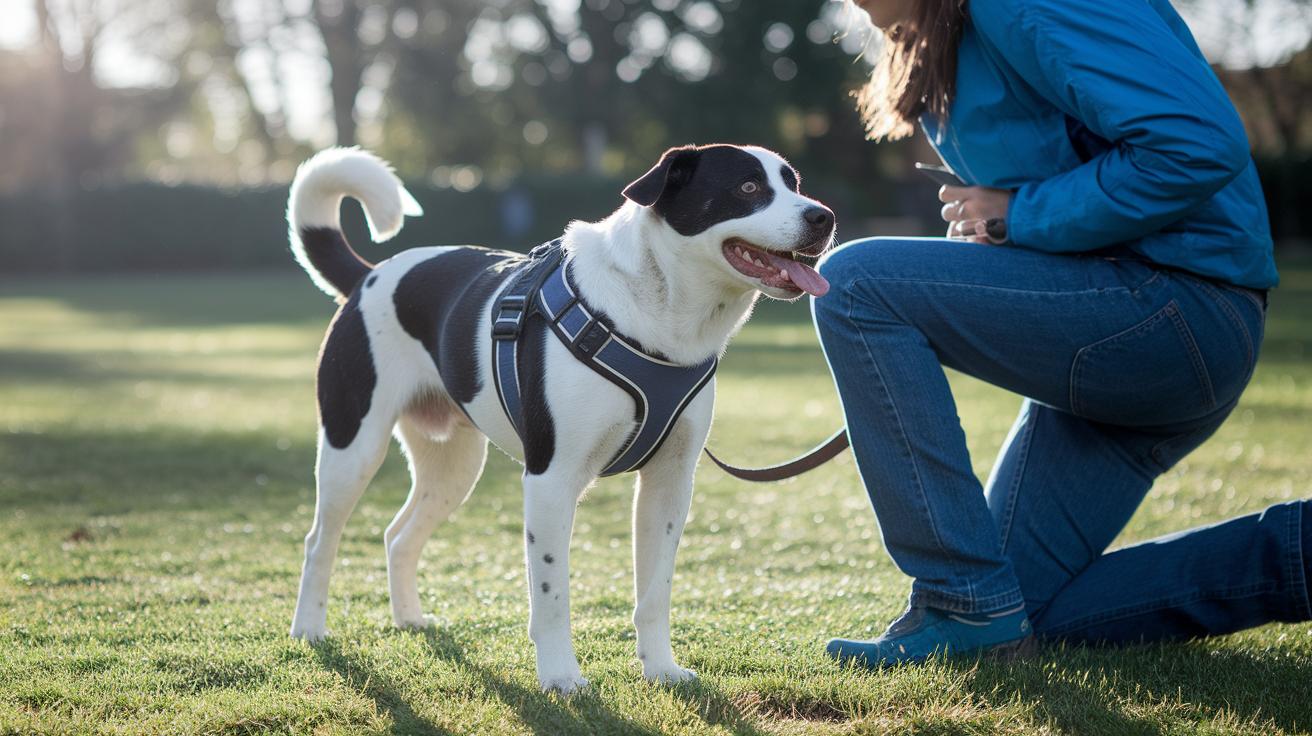

Have you ever wondered if a simple dog training harness could boost your pup's confidence? A well-fitting harness does more than just stop pulling. It lets your dog move safely and comfortably. Think of it as a cozy sweater that wraps your pet just right. It gently guides your dog during walks and training. In this guide, we share the top features and benefits to help you choose a harness that makes your furry friend feel secure and ready to explore.
Dog Training Harness Buying Guide: Key Features and Benefits
Picking the right harness can boost your dog's confidence during training. A good harness helps you manage pulling while keeping your dog comfy. Many models come with both front and back clips. The front clip gently redirects your dog's movement, while the back clip gives steady support on your daily walks.
Think of a harness as a mix of a snug restraint jacket and a comfort-fit sweater. When you measure using a two-finger rule under the straps, you make sure your dog feels secure but free to move. Padded chest areas reduce strain. Reflective stitching makes your dog easier to see when it's dark. Materials vary from soft nylon for everyday walks to stronger fabrics for active play.
Look for these key elements:
- Proper attachment-point placement for better pull control
- Easy-open buckles for quick adjustments
- Adjustable straps for a secure, custom fit
- Machine washable material for simple cleaning
| Feature | Benefit |
|---|---|
| No-pull mechanism setup | Helps gently guide your dog and reduces pulling |
| Adjustable restraint jacket | Offers a secure and custom fit |
| Machine washable material | Keeps cleaning easy and the harness fresh |
Paying attention to these features makes it easier to choose the right harness for your dog before checking out specific models.
Top Dog Training Harness Models Reviewed
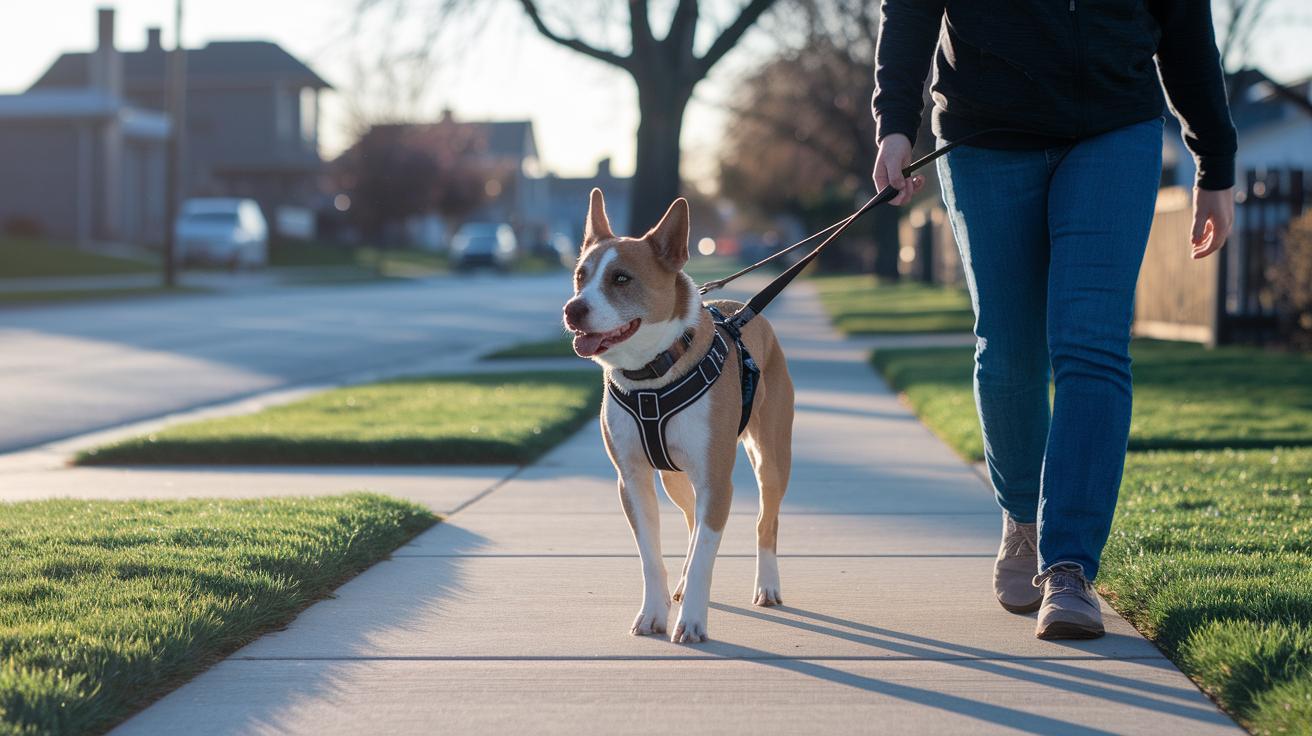
We tested 19 different dog training harnesses on dogs ranging from 8 to 85 lbs to help you find a harness that boosts your pup's confidence and gives you great control.
The Ruffwear Front Range harness features two clip options so you can choose front or back clips to help stop pulling. It works well for no-pull training but can feel a bit bulky for smaller dogs.
The Coastal Pet K9 Explorer harness is easy to use with simple buckles and reflective panels that light up during evening walks. It even has a tactical style that makes nighttime strolls feel safe and secure.
The Kurgo Tru-Fit Smart harness offers strong straps and solid pull control. While some pet parents have seen issues with the plastic buckle, it still stands out as a reliable choice for energetic pups who need a mix of strength and flexibility.
For toy breeds, the Puppia Soft Harness is a cozy, vest-style option that keeps your little friend safe. It might not adjust perfectly around the neck and can catch a bit of pet hair, but its gentle feel is great for calm training sessions.
If your pup is an escape artist, the Voyager Step-In Air harness might be the one. With three fasteners and adjustable neck straps, it keeps your dog secure even when they try to slip away.
For larger dogs, the 2 Hounds Design Freedom No-Pull harness is built to handle big pups weighing over 250 lbs. Its design controls pulls well, even if the strap system takes a moment to get used to.
Each harness has its own strengths, making it easier for you to find the perfect match for your furry friend while keeping training sessions fun and safe.
Dog Training Harness Fit and Sizing Guide
When you're picking a harness, measure your dog's chest at its widest point. Weight alone doesn't tell the whole story. For example, the Ruffwear series fits chests from 13 to 42 inches. Use a soft measuring tape for the best accuracy. A good harness should let you squeeze two fingers under the strap. This extra room stops chafing and keeps your dog comfy while staying secure.
If you have a front-clip harness, start by placing it behind your dog's front legs. Front-clip styles help guide your pet gently. Back-clip models, on the other hand, spread pressure across the shoulders during daily walks. Always check that the buckles and sliders adjust just right. This is handy when puppies grow or if your dog sports a thick coat.
Here are three simple steps to get the best fit:
- Measure the widest part of your dog’s chest.
- Adjust the straps so you can fit two fingers under them.
- Ensure all buckles and sliders give a snug, flexible fit.
With Step-In Air harnesses, you also need to adjust the neck part. They use three layers of fasteners to keep even the sneakiest pups secure. A proper fit boosts your dog's confidence and makes training sessions safer.
Maximizing Obedience with a Dog Training Harness
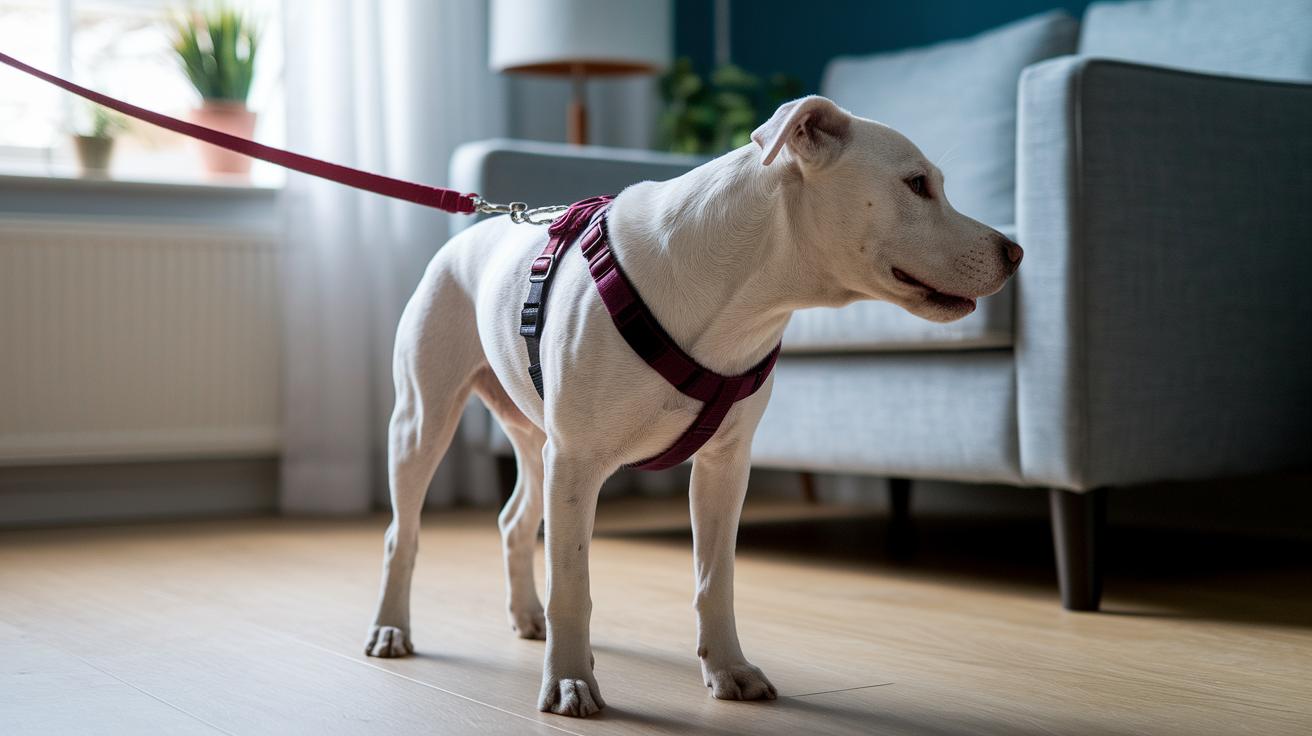
A front-clip harness gently guides your dog and makes leash-walking much easier. Experts say it helps curb pulling without choking your pet. Many pet parents have noticed their dog's tail wagging a bit more proudly during those first indoor training sessions. That boost in confidence is a great start to lasting good behavior.
When your dog is ready for recall drills or a chill outdoor walk, try switching to a back-clip harness. It spreads pressure evenly across your dog's shoulders and gives them a sense of calm. Start practicing in a safe spot like a fenced yard or a quiet room. You might even attach a small treat near the harness to create a happy connection. Before long, your dog will see it as a friendly tool that gently guides them.
Follow these simple steps to build a strong training routine:
- Measure your dog and adjust the harness so you can slide two fingers underneath.
- Keep training sessions short in a calm, low-distraction space.
- Reward your dog with a favorite treat when they respond well.
Slowly bring in small distractions as your pet grows more comfortable. Stay consistent with your cues, and in just a few weeks, this setup will help boost both your dog's obedience and confidence.
Dog Training Harness Care, Durability, and Maintenance
Taking care of your dog's training harness helps it work well every time. Some harnesses, like the Kurgo Tru-Fit, have plastic buckles that can break if they aren’t checked. We recommend giving them a look once a month.
If you use a Puppia Soft harness, you'll notice pet hair on the fabric. A quick swipe with a lint roller right after your walk will help keep it neat.
Many harnesses are machine washable. Use a gentle cycle with a mild detergent. For example, Coastal Pet harnesses keep their bright reflective stitching even after more than 10 washes.
Other types, like leather or neoprene blends, might just need a spot clean with a little mild soap instead of a full wash. High-tensile nylon straps stay in shape after getting wet or muddy. Just rinse them with water and let them air-dry so they're ready for the next adventure.
Don't forget to store your harness flat. This simple step stops strap distortion and keeps your harness in top shape for many training sessions ahead.
Final Words
In the action, we broke down what makes a dog training harness a must-have for safe, effective training. We covered key features like the no-pull design, adjustable fit, and user-friendly care tips. We also shared hands-on reviews and sizing insights to help you pick a model that suits your pet’s needs. With clear steps for proper use and routine upkeep, you’re set to enjoy a product that supports both your busy life and animal rescues. Happy training and keep your pet safe and sound!
FAQ
What dog training harness works well for large dogs and stops pulling?
The dog training harness for large dogs and pull prevention is built with sturdy materials, adjustable straps, and a front-clip design to reduce pulling and improve control during walks.
What is the best dog training harness and what do trainers recommend?
The best dog training harness often includes models like Ruffwear Front Range, PetSafe Easy Walk, and EzyDog Convert because they offer versatility, a secure fit, and the ease of controlling pull that many trainers suggest.
What is the 10 10 10 rule for puppy training?
The 10 10 10 rule for puppy training means practicing short, 10-second sessions repeated 10 times within a 10-minute overall period to keep lessons engaging and prevent overwhelming your puppy.
What is the number one trick to stop your dog from pulling on the leash?
The number one trick to stop your dog from pulling on the leash is using a front-clip harness that gently redirects your pet’s motion, making walks smoother while reinforcing calm behavior.
Why might some dog trainers avoid using harnesses?
The reason some dog trainers avoid harnesses is that they sometimes prefer collars for direct neck control, especially when they need to address specific behavior issues during training sessions.
What features should a quality dog training harness include?
The features of a quality dog training harness include adjustable straps for a snug fit, dual-clip options for directing movement, easy-to-clean materials, and a durable design to keep your pet secure and comfortable.