


Have you ever wondered if your cat's litter can make life easier? Picking the right litter is more than just cleaning up. It's about finding what suits you and your pet best.
Clumping litter helps you scoop out messes quickly, almost like fitting together puzzle pieces. Non clumping litter, on the other hand, keeps odors at bay for up to a week while saving you a bit of money.
In this guide, we share the pros and cons of each type so you can choose the best fit for your happy, healthy pet.
Clumping vs Non-Clumping Cat Litter: Head-to-Head Effectiveness & Drawbacks
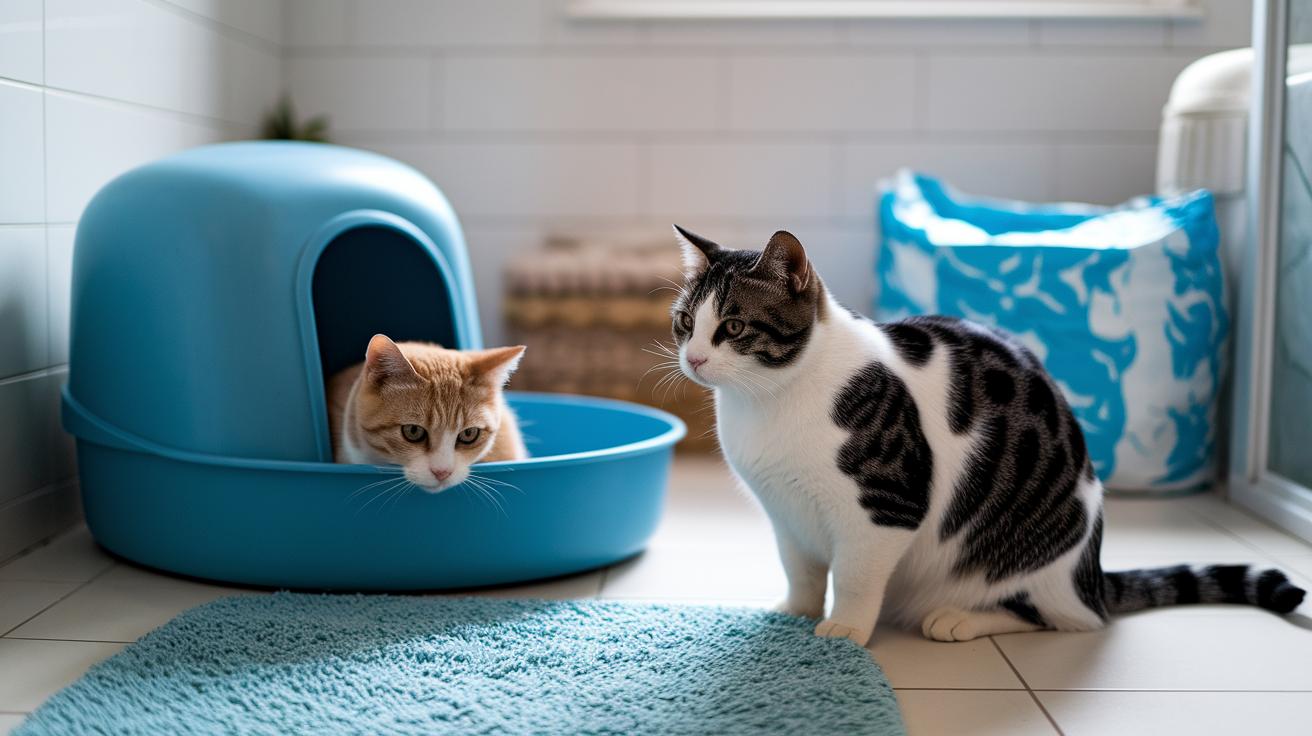
Clumping litter gathers into solid clumps when it meets moisture. This means you only need to scoop out the dirty parts instead of cleaning the whole tray every time. It’s a big help for busy pet parents. Just imagine scooping a clump as simply as lifting one puzzle piece. But remember, you still need to add fresh litter between full changes to keep a steady level.
Non-clumping litter works by soaking up liquids. It absorbs moisture and locks in odors for about seven days, helping to keep smells away throughout the week. This type usually costs less, though you do need to replace all the litter more often. Think of it like making a fresh drink instead of giving it just a stir. This choice might suit pet parents on a budget who don’t mind a bit more cleaning.
In the end, clumping litter saves time with targeted scooping but needs regular top-ups. Non-clumping litter is a cheaper option, though it requires complete replacements more frequently. Your choice depends on whether ease or cost savings matters more to you.
Clumping Litter: Composition, Performance Metrics & Considerations
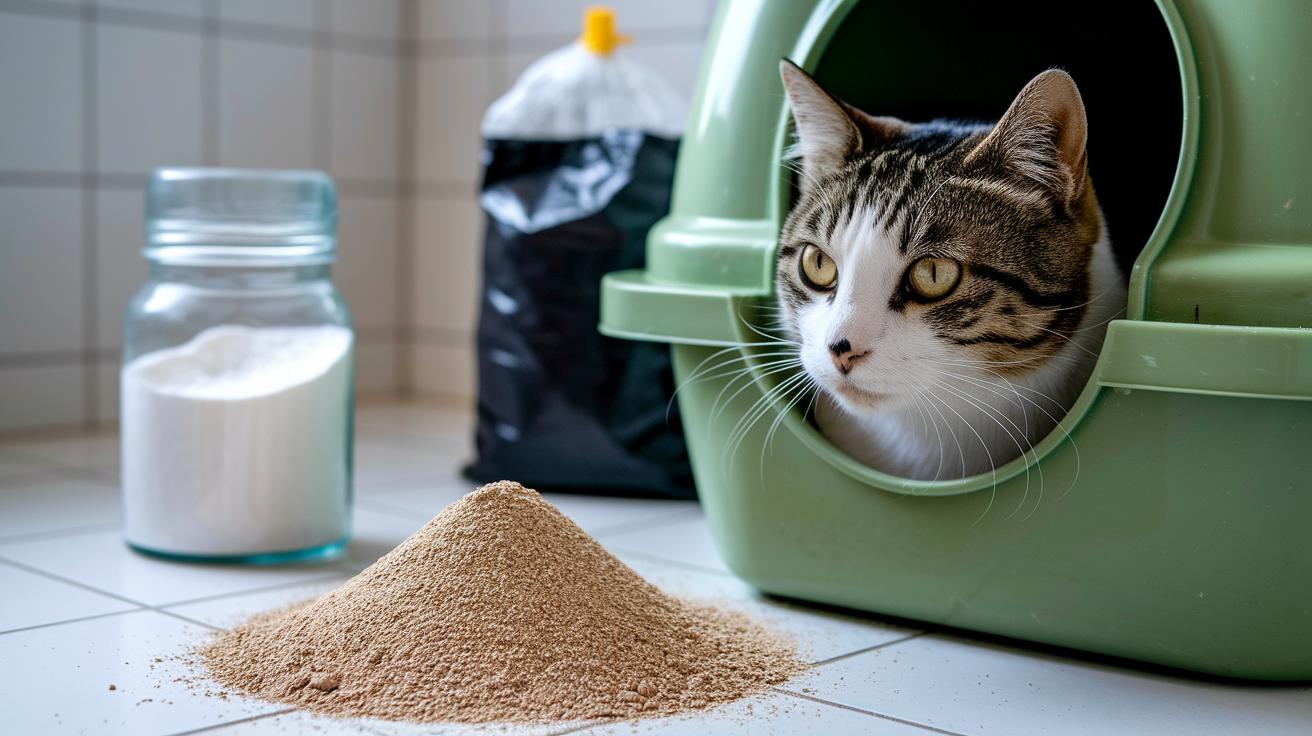
Clumping litter is made from bentonite clay. When wet, this clay quickly bonds to form tight clumps. It soaks up moisture and holds it in a small ball. This makes cleaning up a breeze for busy pet parents.
Makers add ingredients like baking soda, light fragrances, and activated charcoal to help keep odors under control. That means when you scoop, you’re only removing the messy parts. Fresh litter stays in place for new messes. For more details on the ingredients, check out clumping cat litter.
Performance is key. A fast clumping action means you can remove waste before it breaks apart. Dust is also important. Litter is rated on a scale of 1 to 5, with lower numbers showing less dust in the air. Less dust keeps your floors clean and your pet’s breathing healthy. We also watch out for litter that leaves tiny bits everywhere, making cleanup feel like a never-ending chore. One pet parent said, "It’s like having a mini construction site on your carpet!" That’s why fast clumping and low-dust ideas are so valued.
Health and safety come first. Litter with low dust levels can help avoid breathing issues for both you and your cat. Too much dust may irritate noses and lungs. We suggest choosing a product that vets recommend. And always keep the litter area well-ventilated to help reduce dust buildup.
| Formula Name | Primary Clumping Agent | Clump Time (sec) | Dust Level (1–5) |
|---|---|---|---|
| Eco Clump | bentonite clay | 15 | 2 |
| Ultra Clump | bentonite clay | 10 | 3 |
| Fresh Clump | bentonite clay | 20 | 1 |
Non-Clumping Litter: Absorbent Materials & Maintenance Requirements

Non-clumping cat litter comes in a couple of types. You will mainly see clay granules and silica crystals. Clay granules have tiny pores that soak up spills, much like a sponge. Silica crystals pull moisture into small spaces inside each bead. Some litters even use recycled paper or wheat, making them a kinder choice for the planet.
Premium non-clumping litters can soak up to 300% of their weight in liquids and keep odors in check for up to seven days. This means that even when the tray is full of moisture, it still works hard to trap smells. Lower-quality options might not hold as much liquid or keep odors away for long. Imagine a litter that soaks up spills so well, it almost feels like extra hidden storage for moisture.
How often you change litter depends on its quality. High-end litters usually need a full change once a week. This removes all the wetness and keeps the tray welcoming for your cat. On the other hand, more budget-friendly brands might require a full replacement every three days. As a pet parent, it helps to think about your cleaning routine and budget. With a bit of care, you can choose a litter that is easy to maintain and keeps your home smelling fresh.
Cost Over Time: Yearly Comparison of Clumping vs Non-Clumping Litter

Clumping litter costs more per pound, averaging about $0.80. But you use less because you only need to top off the tray, usually around 15 lbs a month. Non-clumping litter sells for roughly $0.40 a pound, but you need about 20 lbs each month since you change the whole tray.
| Litter Type | Cost per Pound | Monthly Use (lbs) | Annual Cost |
|---|---|---|---|
| Clumping | $0.80 | 15 | $144 |
| Non-Clumping | $0.40 | 20 | $96 |
When you look at these numbers, non-clumping litter may seem easier on your wallet over the year. You pay less per pound, which could work well for homes with more than one cat or if you’re watching your budget. Even though you change it more often, the lower cost helps keep your monthly spending down.
clumping vs non clumping cat litter Sparks Joy

Traditional clay and silica cat litters take a toll on our earth. Clay mining can scar natural landscapes and leave behind piles of waste rock. Silica production adds material to landfills that does not break down easily. For instance, mining one ton of clay can leave behind lots of rock that affects local ecosystems. These methods use plenty of energy and create extra waste.
Dust from these litters is more than just a mess. Tiny particles, especially from silica types, can float in the air and be inhaled by both cats and pet parents. Imagine a light dusting, like a sprinkle of flour – it might irritate your airways. Over time, breathing in that dust could lead to problems. Keeping your home well ventilated helps everyone breathe easier.
Eco-friendly options come as a breath of fresh air. Litters made from pine pellets, wheat blends, or recycled paper break down naturally and create much less dust. These biodegradable choices support a cleaner planet while keeping your home smelling fresh. Picking these alternatives not only benefits your cat but also makes a caring, earth-friendly choice that can truly spark joy.
Selecting the Right Litter for Your Cat and Household
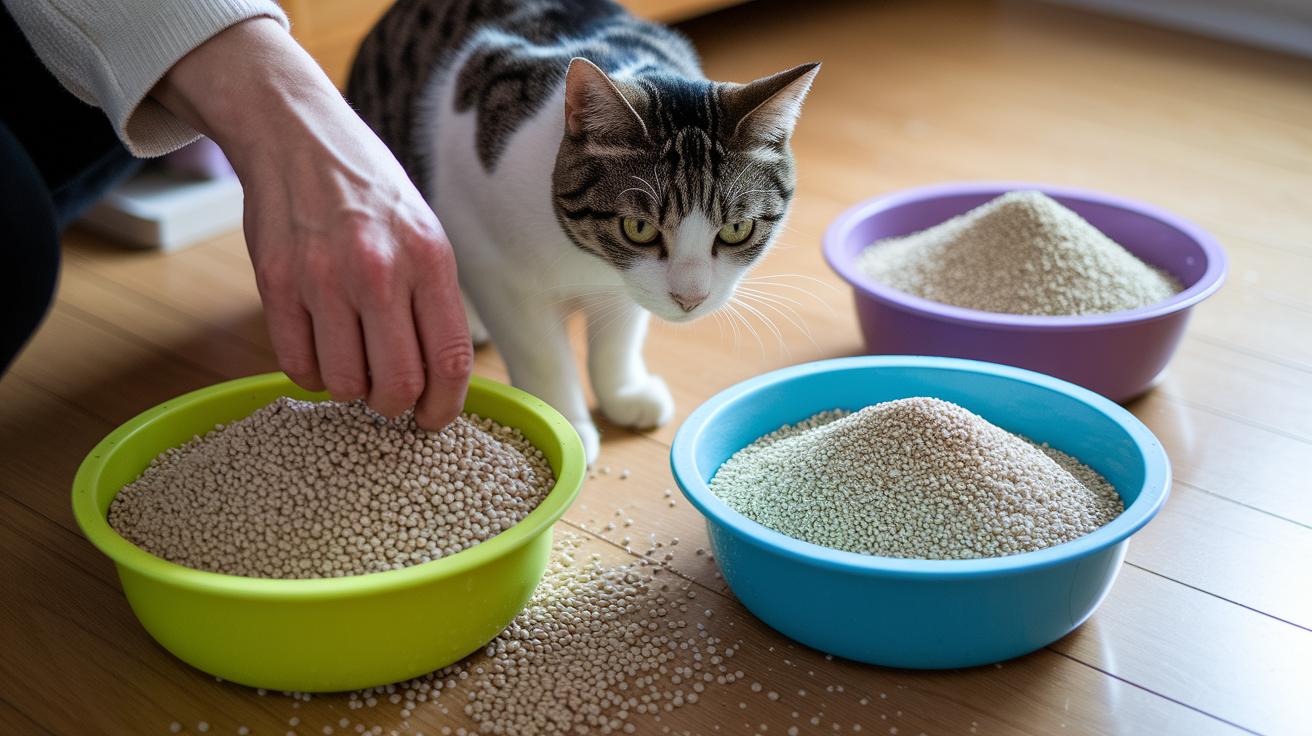
When choosing litter, think first about your cat's needs. Young cats might like a softer litter that feels gentle on their paws. Older cats or those with breathing issues may do better with a low-dust, unscented option. Consider your kitty's habits too. For instance, if your cat loves a deep litter bed or is picky about textures, choose something that fits.
Next, check your household situation. If you have several cats, you might need a litter that stands up to heavy use and strong odors. A busy home with little time for cleaning may benefit from a clumping litter for easy scooping or a non-clumping type that keeps smells at bay longer. Also, think about your space and budget. A small home could work best with a compact waste solution, while a larger home might handle a full-tray change routine easily.
Finally, try sample packs before buying a full bag. Sampling different brands helps you see how your cat likes the feel and how it fits into your routine. This low-risk test can show you if the moisture control and texture are just right for both you and your pet.
Final Words
In the action, we broke down the differences between clumping vs non clumping cat litter, covering cleaning steps, odor control, and everyday costs.
We looked at how each option works, from scooping solid clumps to managing absorbency and environmental factors.
We also shared tips on selecting the right litter for your home.
Every insight helps make pet care easier and more impactful.
By comparing key features, you can choose a product that fits your lifestyle and benefits our furry friends.
FAQ
How does clumping versus non-clumping cat litter affect odor control?
The clumping litter forms solid clumps that you can easily scoop out, while non-clumping litter absorbs liquids and locks in odors for several days.
What are the benefits of non-clumping cat litter?
Non-clumping cat litter is budget-friendly and simple to manage. It absorbs moisture well, which helps to trap odors between full tray changes.
How do clumping and non-clumping litter compare for kittens?
Clumping litter allows for targeted scooping but may pose ingestion risks for kittens. Non-clumping litter is gentler overall, making it a safer choice for small, curious cats.
How do you clean non-clumping cat litter?
Cleaning non-clumping litter means scooping out used granules and doing a full tray change more regularly to keep odors at bay and maintain freshness.
What is non-clumping cat litter?
Non-clumping cat litter consists of granules that absorb moisture without forming solid clumps. It traps odors until you perform a full litter box change.
Do vets recommend clumping or non-clumping litter?
Vets suggest picking a litter that matches your cat’s needs. Clumping litter is quick to clean but may have dust that concerns some cats, whereas non-clumping is easier on a tight budget but requires more frequent changes.
Why do shelters favor non-clumping cat litter?
Shelters often opt for non-clumping litter because it is more cost-effective for bulk use and simplifies cleaning, even though it needs complete changes more often.
What are the downsides of clumping litter?
Clumping litter can create dust that may bother breathing and often requires frequent topping up, which can add to the overall expense.
Why would someone choose non-clumping litter?
Some pet parents choose non-clumping litter for its affordability and steady odor control, especially in households with multiple cats where cost savings are important.