
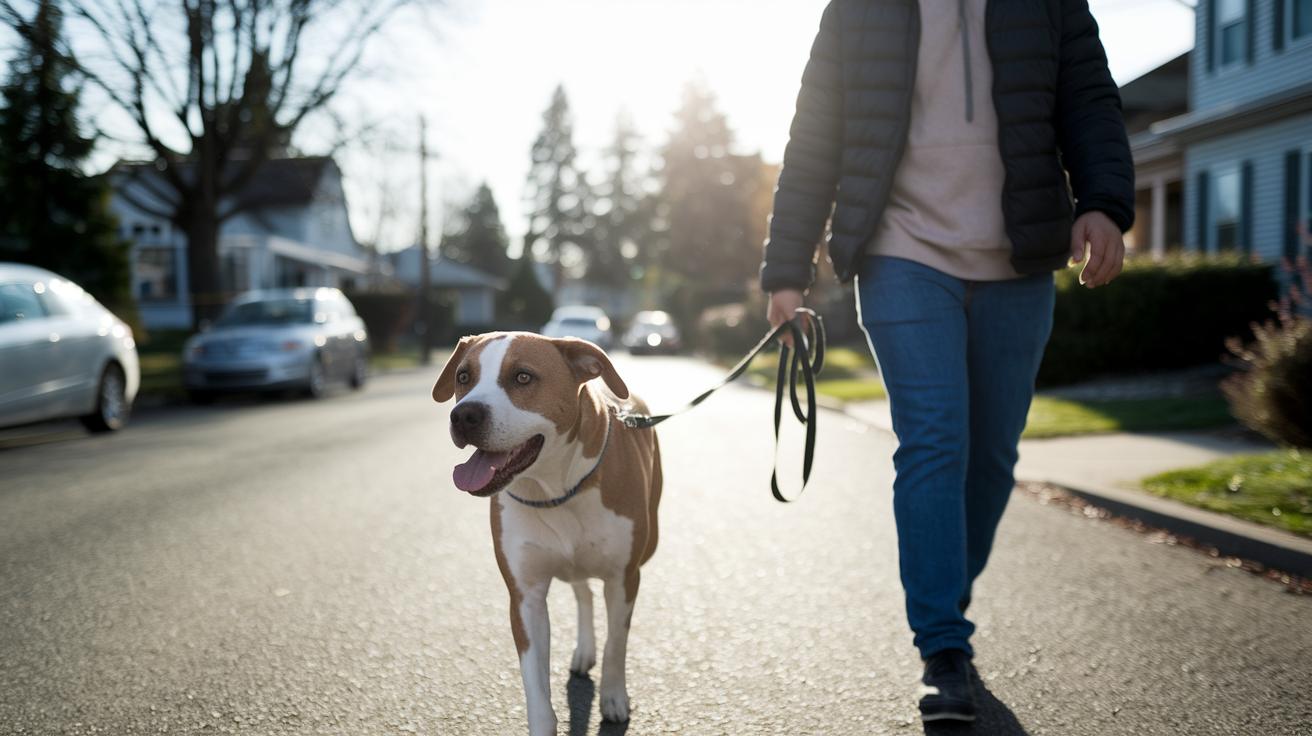

Do your walks feel like a tug-of-war instead of a peaceful stroll? If your dog pulls hard, you're not alone. A no-pull leash brings calm and gives you the control you need, all while keeping your pet safe. In this guide, we look at our top leashes made just for pullers. You'll see how each option can make your walks happier and worry-free for both you and your best buddy.
Top-Rated Dog Leashes to Stop Pulling

If your dog pulls on the leash, a no-pull option can change a tug-of-war into a calm, pleasant walk. The right leash helps you feel more in control and keeps both you and your pet safe.
Here are some options:
- Gentle Lead – gives you neck and muzzle control.
- Slip Leash – uses a looping design for training.
- Flat Nylon Leash – offers sturdy strength for everyday walks.
- Back-Clip Harness – helps your dog breathe easier.
- Chain Lead – built to resist chewing.
Each leash is made for a specific need. A gentle lead wraps around the neck and muzzle to help manage strong tugs. A slip leash has a simple loop design that teaches your dog to keep a loose leash. A flat nylon leash is a solid choice for daily walks. A back-clip harness is a safer pick if your dog has breathing issues. And a chain lead works well for dogs that chew their leash.
When you combine one of these leashes with clear commands and positive praise, your walks can become calmer and more enjoyable for both you and your furry friend.
Key Features of Dog Leashes for Dogs That Pull

No-pull leashes are made to work first and look simple. They are built strong to handle your dog's pulling style while keeping both you and your pet safe and comfortable on every walk.
- Made of tough material like high-quality nylon or rope with metal clasps (see durable dog leashes)
- A soft, comfortable handle that gives you a secure grip without tiring your hand
- A leash length of 4 to 6 feet that helps you control your dog well
- A safe clip or attachment that stops the leash from coming loose
- A bit of stretch to cushion sudden tugs while still giving you clear control
- Reflective details to help you stay visible on walks in low light
Every detail matters in keeping your dog from pulling too hard. A strong material means the leash will take on even the most excited tugs. A comfy handle makes it easy for you to hold on without discomfort. The perfect length lets you guide your dog without too much slack, and a secure attachment keeps your pet safe. A little stretch helps soften sudden pulls, and light-reflecting parts boost safety when it’s dark outside. Together, these features make for a safer and more enjoyable walk for both you and your furry friend.
Comparing Dog Leash Types for Pull-Prone Dogs

Finding the right leash helps you enjoy safer, happier walks. Each leash works a bit differently to manage pulling, depending on your dog's behavior and training needs. Below is a simple comparison of six common leash types with their best uses, as well as some pros and cons.
| Leash Type | Best Use Case | Pros | Cons |
|---|---|---|---|
| Flat | Daily walks | Sturdy and affordable | Not flexible and offers little shock absorption |
| Bungee | Cushions tugs | Has a shock-absorbing rubber core | Can reduce how precisely you control your dog |
| Gentle | Offers precise guidance | Includes a neck or muzzle loop for extra control | Needs to fit just right for safe use |
| Harness | Great for dogs with breathing issues | Back-clip design avoids neck strain | Might not stop pulling effectively |
| Slip | Puppy training | Simple design that helps build loose-leash habits | Can tighten if not used properly |
| Retractable | Not recommended for pullers | Allows your dog more freedom to explore | Can keep your dog in constant tension and pull |
Choose the leash that fits your dog's personality and needs. This helps you both have a more relaxed and fun walk.
Selecting the Right Dog Leash for Every Size and Breed

Picking the right leash for your dog is key. You want a leash that fits your dog's size, strength, and everyday life. A dog’s age and habits also play a role in finding one that keeps them safe and comfy while curbing pulling.
- Dog weight/strength – Big dogs need a leash built tough, using extra-strong materials.
- Breed pulling tendency – Some breeds tend to pull more, so they deserve a lead made for that.
- Breathing issues – Dogs with breathing troubles do well with front-clip harnesses or head collars.
- Age/training stage – Young pups or dogs new to training benefit from light, adjustable options.
- Home setting – Busy households or city living call for gear that handles different walking spots.
When you match the leash to your dog’s needs, walks become a lot smoother. If your pup is strong, a sturdy lead can handle every tug. If your pet tends to pull, a design that lessens neck strain makes a big difference. And if your dog has breathing concerns, a front-clip harness is a smart choice. In short, a good leash helps both you and your dog enjoy every walk.
Training Techniques with Dog Leashes for Excessive Pulling
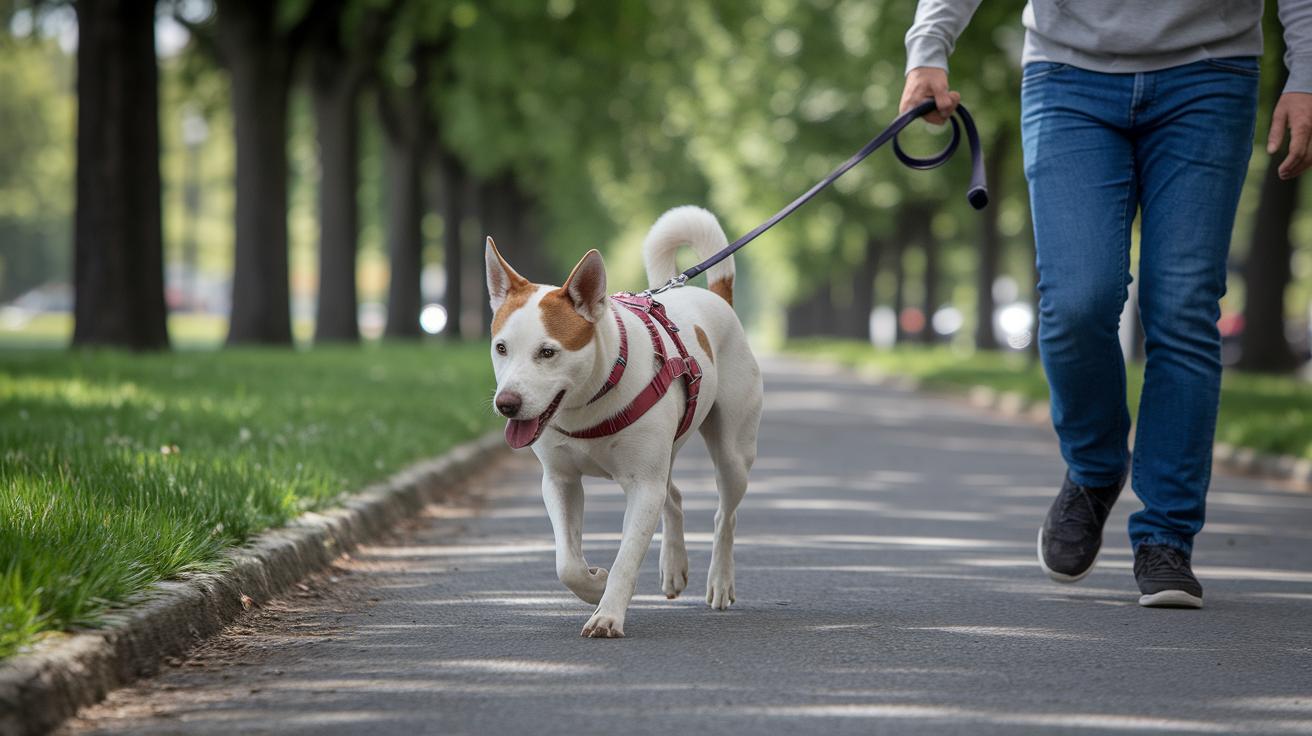
Dogs pull for many reasons. Sometimes new smells or busy surroundings make them excited. Other times, their breed traits or poor training and gear can be the issue. We know walks should be fun and calm for both you and your pet.
Try using a good leash with kind, steady training. Mix up your walking routine to help your dog learn to relax. This way, your outings become more pleasant and controlled.
- Use the stop-start method to slow things down.
- Reward your dog when the leash stays loose.
- Change directions to bring back focus.
- Give gentle cues to steer your pet.
- Ease into noisy or busy spots slowly.
Stick with these steps. And if you still need help, consider reaching out to a professional.
Final Words
In the action, we reviewed top-rated leashes, discussed key features, compared various styles, and shared tips to choose the best option for each pet. We broke down how size, breed, and training work together to reduce tugging.
When you pair the right gear with steady training, things get easier. Our guide shows how even dog leashes for dogs that pull can bring comfort and control to every walk. Enjoy smoother strolls and happy pets.
FAQ
What leash is best for a dog that pulls?
The leash best suited for a dog that pulls is a sturdy flat nylon lead with secure attachments. It gives you reliable control and works best when paired with consistent training.
What are good heavy-duty leash options for large dogs that pull?
Heavy-duty leashes like Biothane or reinforced flat nylon offer the strength needed for large, energetic dogs. They are built to handle high tension and improve control during walks.
What is a hands-free dog leash and how does it work?
A hands-free dog leash lets you walk without holding a handle. Its design attaches around your waist, allowing you to keep your hands free while managing your dog’s pulls comfortably.
How do I get my dog to stop pulling on the leash?
Getting your dog to stop pulling involves consistent training. Use techniques like the stop–start method, direction changes, and rewarding a slack leash to encourage calm walking behavior.
What is the best device to stop a dog from pulling?
The best device to curb pulling is often a no-pull harness combined with a gentle lead. This setup gives you better control and helps guide your dog toward more relaxed walks.
What is the 3 second rule for dogs?
The 3 second rule for dogs means pausing for three seconds before rewarding a behavior. This short pause helps build impulse control and reinforces calm behavior during walks.
What are some Ruffwear products available for managing pulling?
Ruffwear offers products such as Confluence collars, Switchbak harnesses, Hitch Hiker leashes, and Roamer leashes. These items are designed for durability and tailored control to meet specific training needs.