
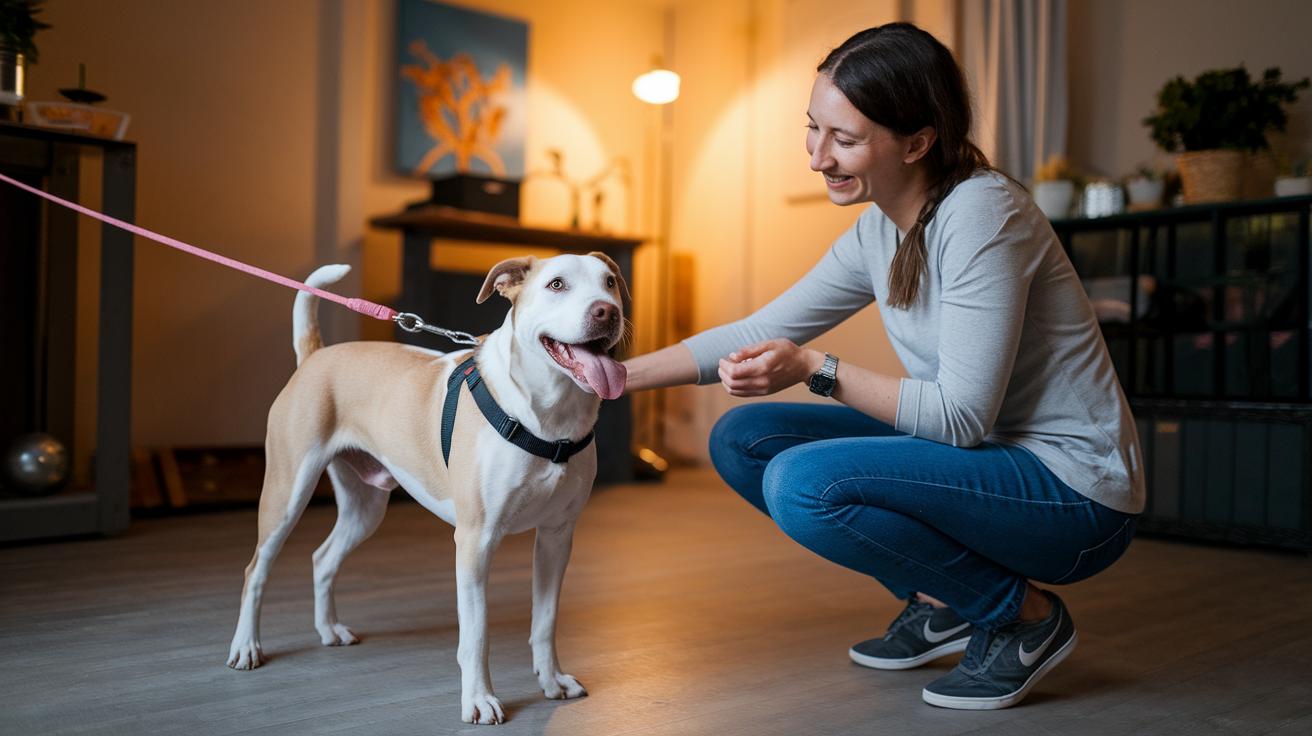

Ever wonder why your dog feels nervous when you say goodbye? You’re not alone. Many pups show worry even during a quick goodbye.
Try using simple tools like the Calming Yo-Yo to help your furry friend relax. It works a bit like training wheels on a bike, small steps today can lead to big confidence tomorrow.
In this post, we share easy tips and steady techniques to turn tearful departures into peaceful moments. We hope these ideas make leaving a little easier for both you and your pup.
dog separation anxiety training: Immediate and Comprehensive Techniques
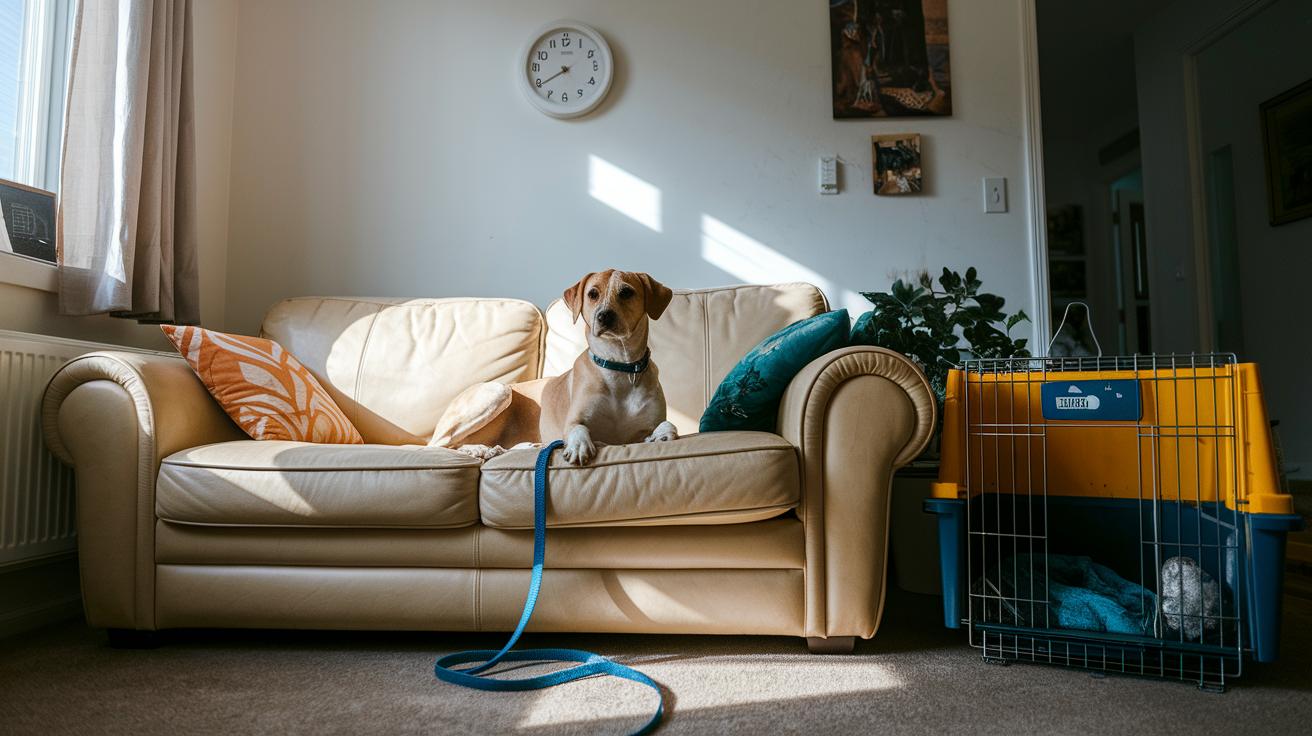
When you train your pup, it's important to act quickly. Studies show that 20-40% of dogs seeing experts feel anxious when left alone, and up to 80% have a hard time being on their own. Many furry friends get stressed even when the signs are small. Quick steps can help calm your dog now while you work on lasting changes.
One helpful trick is the Calming Yo-Yo exercise. First, keep your dog safe with a tether, crate, or baby gate. Set a timer and step away briefly. Watch how your dog may relax on the couch or snuggle into its bed. Try leaving for just 30 seconds and then come back in a calm way. This teaches your pet that a short break is nothing to be scared of.
Along with these fast fixes, slow and steady changes matter too. Gradual desensitization means increasing the time you're away little by little. Start with a few minutes and add a bit more as your dog starts to feel secure. It is like using training wheels on a bike: begin small and get steadier over time.
Key tips include:
| Tip | How to Do It |
|---|---|
| Stay Calm | Make your departures gentle to keep anxiety low. |
| Mix Cues | Use different signals when leaving so your dog does not get anxious. |
| Keep It Short | Do brief sessions and spread them out during the week. |
We recommend using quick exercises along with strategies that build your pup's confidence over time. Each step helps create a simple plan that fits your pet's needs. Remember, helping your dog with anxiety is a journey of small wins that builds confidence step by step while still keeping the connection you both love.
3. dog separation anxiety training: Happy Pups Now

Keep an eye out for signs that your dog feels stressed even before you leave home. You might see them looking worried or uneasy. This small signal can help you adjust your training to create a calmer atmosphere. Imagine your dog giving you a sad look as you grab your keys. That little moment matters.
Here are six signs your dog may be anxious when left alone:
- A sad or worried look before you head out
- Howling that goes on when you're gone
- Accidents inside even if they’re usually house trained
- Chewing on furniture or toys they shouldn’t
- Pacing back and forth a lot
- Drooling when you get ready to leave
It also helps to know why your dog might be upset. Sometimes, little changes in routine or health issues can make a big difference. Here are four common reasons:
- Boredom from not enough play or walks
- Not enough exercise to wear them out
- Confusion from incomplete house training
- Health concerns (it’s best to check with a vet or pet expert)
By noticing these signs and understanding their causes, you can fine-tune your approach. Soon, your pup will feel more secure and happy.
dog separation anxiety training: Happy Pups Now
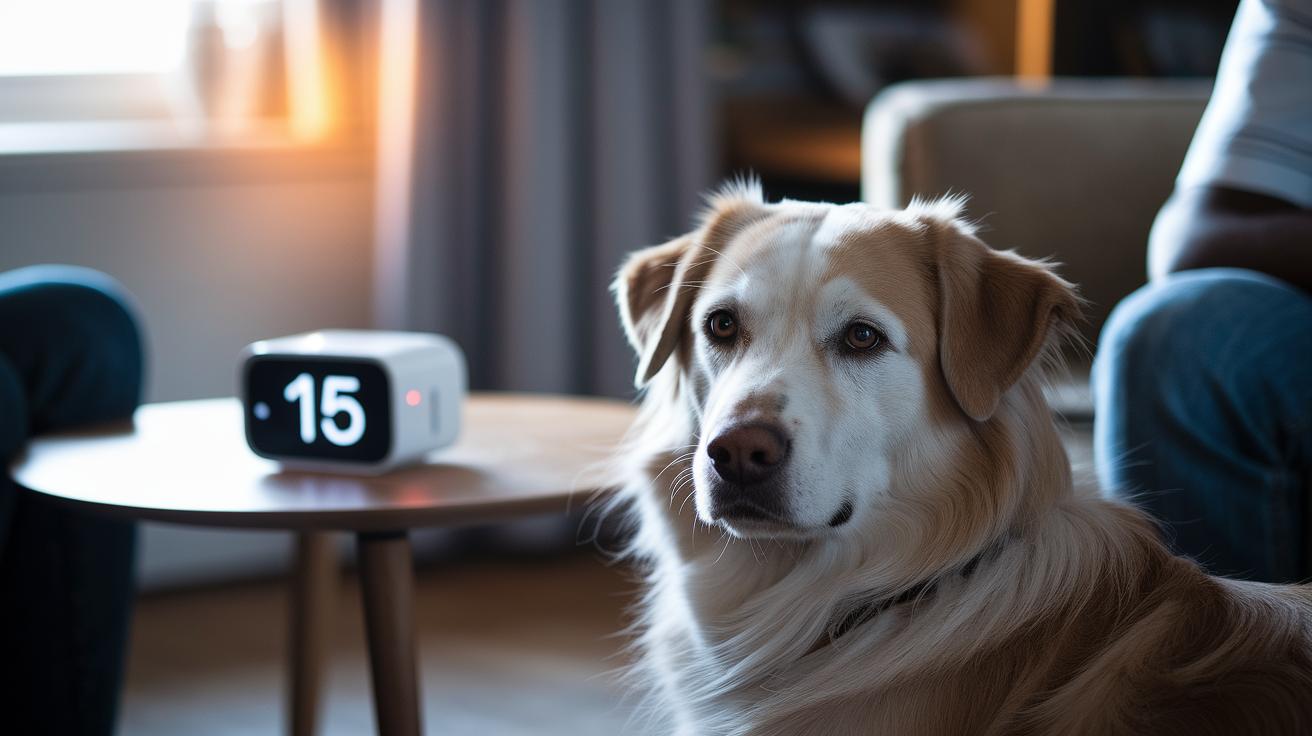
Start by checking how relaxed your dog feels. Look for soft eyes, loose ears, and even breathing. These clues show if your pup can handle being alone for a few minutes.
Try leaving your dog for a short time in a safe space with a favorite toy close by. For example, set a timer for 15 minutes, then step away calmly and return when the timer stops. If your pup seems stressed by pacing or whining, cut the time back until they feel calm. Slowly, you can add a few extra minutes.
Next, use simple signals before leaving. You can pick up your keys or put on a jacket and then sit down for a moment. This helps your dog learn that these actions don’t always mean you’re leaving. Keep an eye on their body language. If they start to relax when they see these cues, you’re on the right path.
Practice these steps:
| Step | Action |
|---|---|
| 1 | Check your dog’s relaxed body signals. |
| 2 | Begin with a very short break while your dog stays in a safe place. |
| 3 | Try the pre-departure signals without actually leaving. |
| 4 | Adjust the timing based on how your dog reacts. |
Sometimes, pausing after a cue can show your dog that their parent is still nearby. This clear, gradual approach can help ease separation worries.
dog separation anxiety training: Calming Yo-Yo Exercise and 300 Peck Method
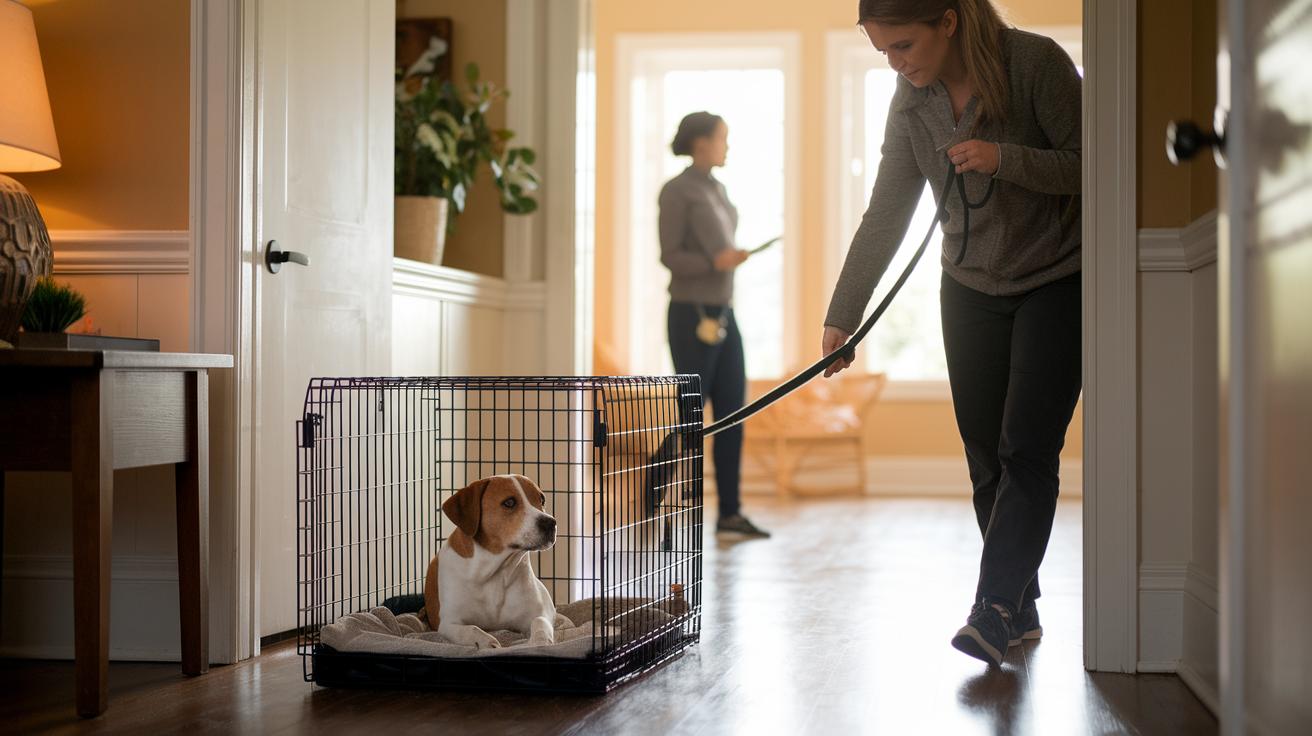
The Calming Yo-Yo exercise shows your dog that short, safe breaks are nothing to fear. You can set up a secure space using a tether, crate, baby gate (crate training a puppy), or even a helping hand from someone you trust. This method works for dogs with mild to more serious cases, helping them grow more confident and calm when you step away. You might not see every little feeling change, but you'll notice your dog reacting more relaxed over time.
Follow these five simple steps for the Calming Yo-Yo exercise:
- Create a safe space (with a tether, crate, baby gate, or a helper) to keep your dog secure.
- Start with very short intervals so your dog doesn't feel overwhelmed.
- Leave calmly and for just a brief moment. Keep it low-key.
- Return after the set time to show your dog that everything is okay.
- Slowly lengthen your time away as your dog stays relaxed.
Once your dog is comfy with these short breaks, try the 300 Peck Method. In this approach, take one small step away from your dog. Offer a calm, simple praise like "good" when your dog remains relaxed. If your dog shows worry, maybe snapping or pacing, step back to where they felt safe. The goal is to help your pet feel at ease with each tiny departure. You aren’t handing out treats or high-energy rewards, just showing that your presence is enough.
Here are four steps for the 300 Peck Method:
- Move just one small step away from your dog.
- Praise them with a neutral, kind word when they stay calm.
- If your dog gets anxious, return to the previous step (one small step).
- Increase the distance gradually as your dog consistently stays relaxed.
dog separation anxiety training: Avoiding Common Pitfalls and Reading Body Language
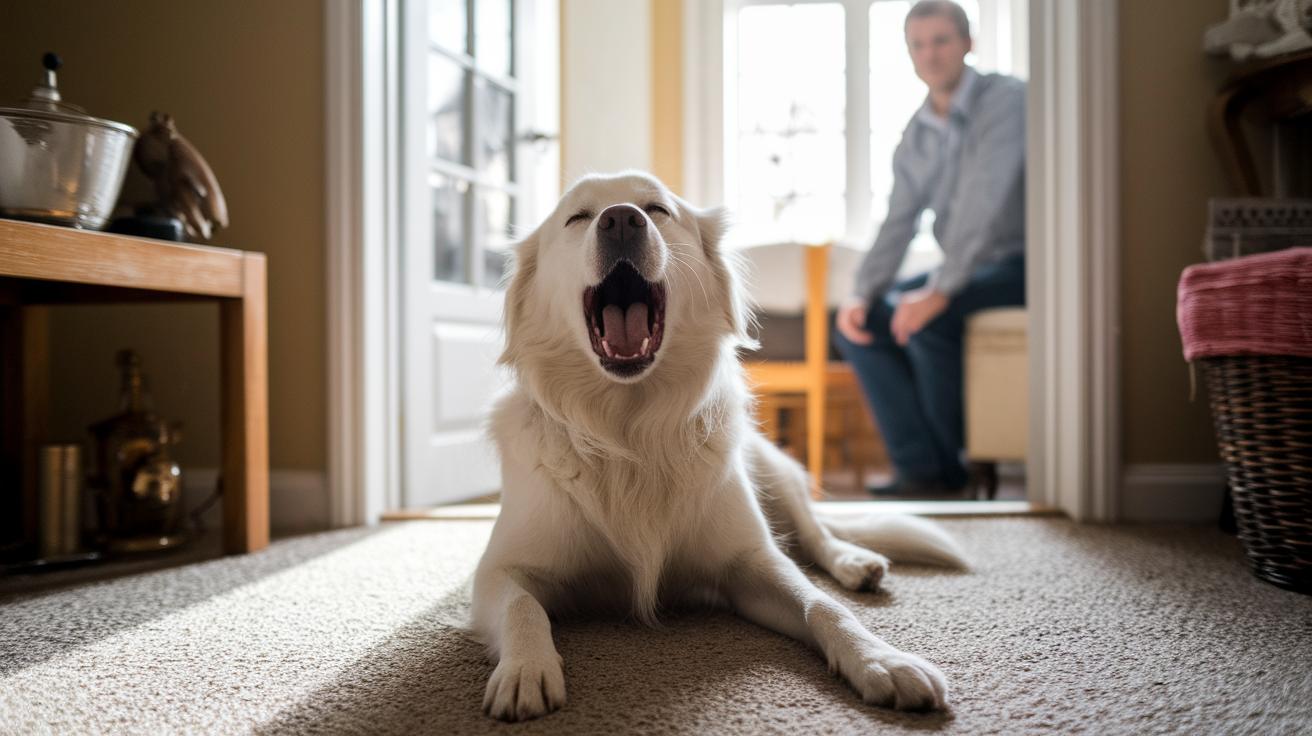
Sometimes we fall into the trap of watching the clock when our dog shows even a small sign of stress. If you rush back the moment you see a yawn, you miss a chance for your pup to learn to be calm on their own. So if your dog starts yawning, try not to hurry home.
Keep an eye out for tiny signals. Maybe their ears move, they let out a quick yawn, or lick their lip. When you see these hints, it’s a good idea to take a short break or shorten the time you’re away. This gentle approach helps lower stress and builds confidence over time.
It’s best not to step in too soon. Leave during calm moments, like when your dog is quietly resting. And if you notice signs of stress, take a step back by reducing the separation until your pet feels more relaxed.
dog separation anxiety training: Professional Coaching and the Game of Bones Program

When your home training feels stuck, working with an expert can be a real game changer. A caring coach tailors sessions to fit both you and your pup. With a plan built around what makes your dog feel safe, you can relax a bit more as an owner.
Separation anxiety coaching gives you clear, step-by-step help. A trusted specialist watches your dog's behavior and offers small, easy changes. It might mean adding one extra minute of alone time or using a friendly cue to show that you'll be back soon. This kind of guidance makes the whole process feel less stressful.
One fun and effective option is the 4-week Game of Bones program. This program turns training into a light-hearted adventure. Through quick mini-games and brief sessions, your dog learns to explore different parts of your home and get used to short periods on its own. The playful activities help build confidence and ease. Think of it as a fun challenge where each small win matters. With expert coaching and programs like Game of Bones, you're giving your dog a caring, guided way to tackle separation anxiety.
dog separation anxiety training: Building Consistent Routines and Long-Term Progress
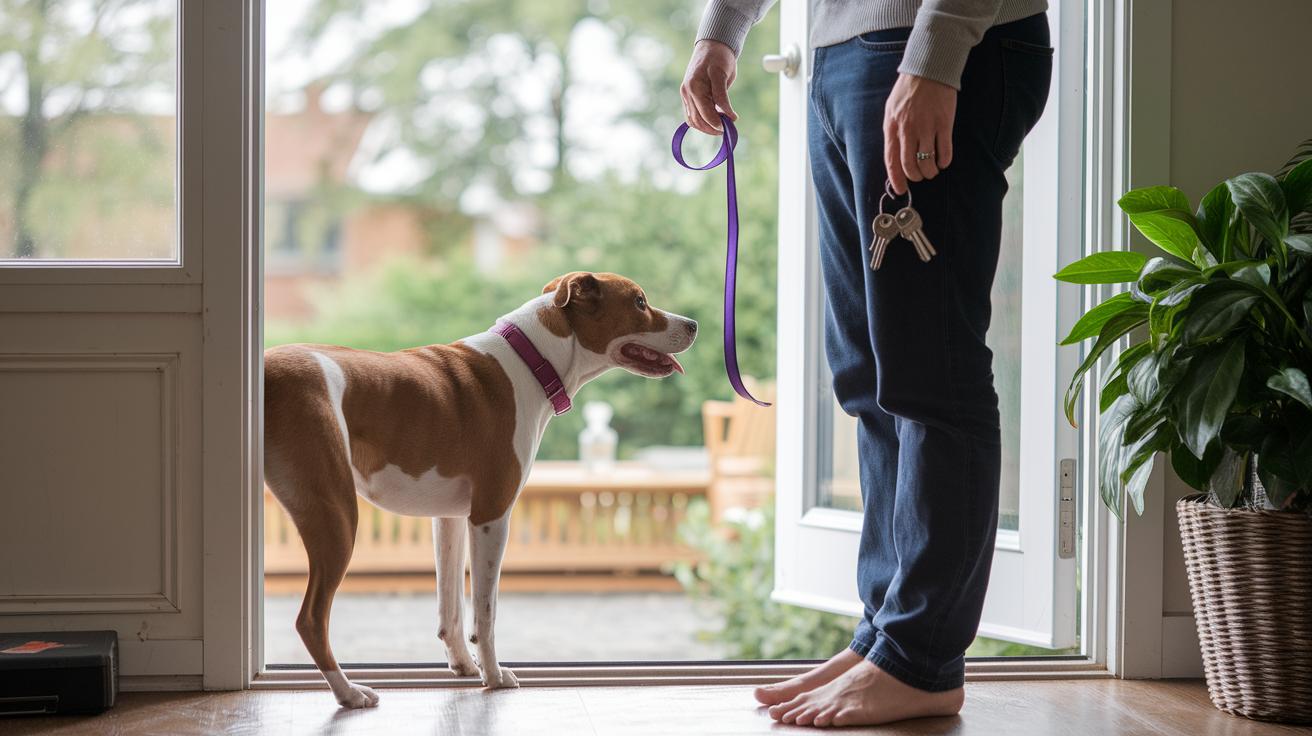
Setting a daily routine helps your dog see that being alone can be safe and even fun. Each time you prepare to leave, take the same small steps. Grab your keys, give a calm cue, and head out without fuss. This simple practice tells your dog what to expect and keeps departures peaceful.
Try doing 4 to 5 training sessions each week, with each session lasting about 15 minutes. As your dog grows more at ease, slowly increase the time you’re away. Keep a small log where you jot down the date, the session length, and how calm your dog was. If your pup shows signs of stress, take a break. This way, you both adjust at a comfortable pace.
Rewarding your dog is key. When your dog stays calm, offer warm praise and a tasty training treat to mark the moment. Over time, you can slowly phase out the treats while still using kind words. This mix of treats and praise helps create a positive connection to being alone.
You can also set up a quiet spot in your home, maybe with a favorite toy or blanket, that your dog can call their safe space. With regular practice and by tracking progress, these little routines build your dog’s confidence. Small steps like these lead to lasting calm and a happier, more relaxed pup.
dog separation anxiety training: Monitoring and Adapting Your Plan
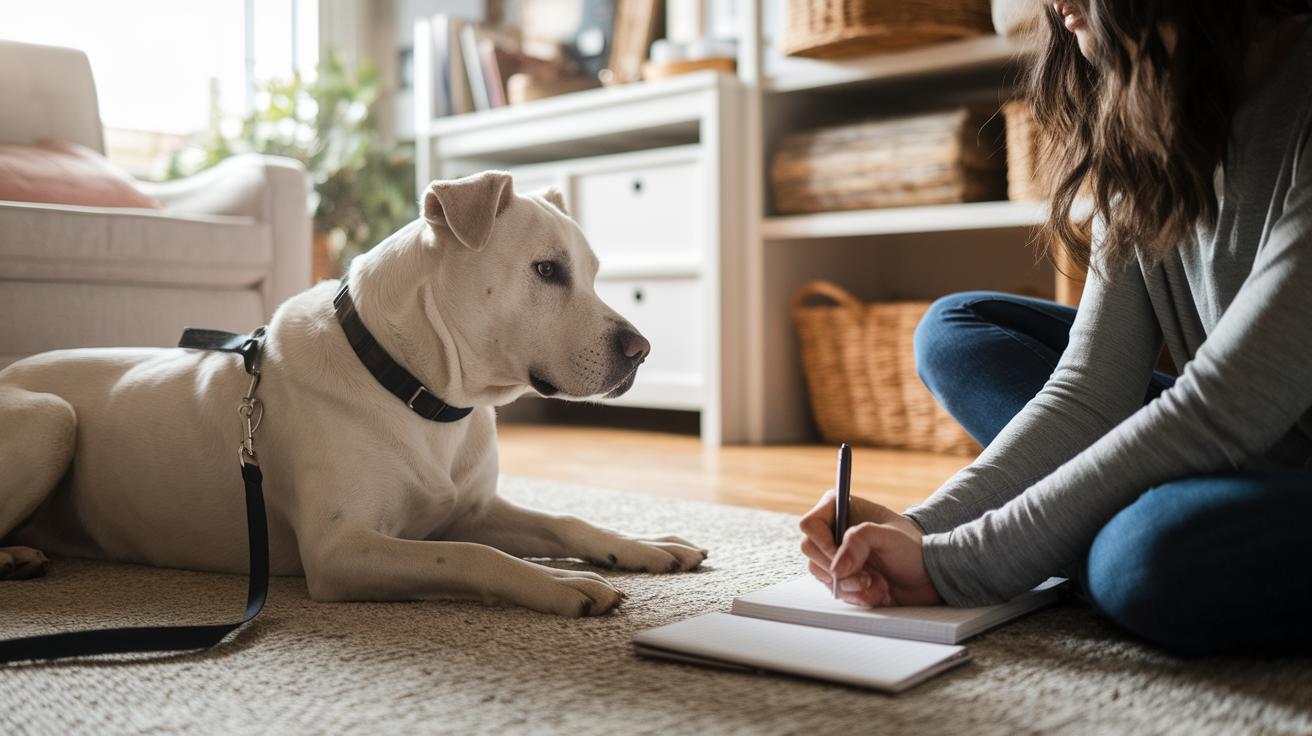
Keep a simple record of your dog's progress. Write down the date, how long you were apart, and what your dog did before, during, and after each time you left. Note small details like calm moments or signs of stress. For example, mention if your dog stayed relaxed or started pacing and whining. This record helps you see what works and when changes might be needed.
When you notice stress or behavior changes, try taking a shorter break or make the session easier. You can go back to a routine that worked well until your dog feels comfortable again. If you don't see any improvement after a few weeks, consider getting help from a professional. A vet or pet behavior expert can look for any health issues and suggest the next steps. Adjust your plan based on these notes, and keep celebrating small wins.
Final Words
In the action, we explored quick-relief techniques and long-term behavior plans to help ease your pet's anxiety. We shared practical tips, such as structured desensitization and pre-departure cues, plus instant methods like the Calming Yo-Yo and 300 Peck approaches. We also looked at common pitfalls and the value of professional help when needed. Keep applying these steps and celebrate every small win. With dog separation anxiety training, you can help your pet feel calmer, more secure, and ready for each new day.
FAQ
Dog separation anxiety training near me
Dog separation anxiety training near me means finding local experts who offer hands-on guidance using both immediate calming exercises and gradual behavior techniques to help your pet feel secure when left alone.
Curing dog separation anxiety quickly
Curing dog separation anxiety quickly means using fast-acting strategies like brief separation sessions and pre-departure cues. These techniques ease distress and help your dog learn to be comfortable on its own.
Dog separation anxiety training reddit
Dog separation anxiety training reddit means exploring real-life experiences and tips shared by fellow pet parents online. These discussions offer practical advice, home routines, and creative solutions that worked for others.
Dog separation anxiety training online
Dog separation anxiety training online means accessing digital classes and guided programs that walk you through step-by-step exercises. These resources provide video demonstrations and community support to empower you at home.
Dog separation anxiety symptoms
Dog separation anxiety symptoms include signs like howling, destructive chewing, indoor accidents, pacing, drooling, and a sad expression before you leave. Recognizing these cues helps you create a supportive plan.
Home remedies for separation anxiety in dogs
Home remedies for separation anxiety in dogs involve practical strategies like crate or baby gate training, short practice separations, and using favorite toys for comfort. These methods help your dog build confidence gradually.
Dog separation anxiety medication
Dog separation anxiety medication means using vet-prescribed treatments to lessen severe anxiety. These medications, used alongside behavior training, support your dog’s calmness, and they should always be managed under professional guidance.
Dog separation anxiety training at home
Dog separation anxiety training at home means employing simple, structured exercises in your living space. Techniques like simulated departures and gradual alone-time allow your dog to gain confidence without leaving home.
How do you help a dog with separation anxiety?
Helping a dog with separation anxiety means establishing a consistent routine with calm departures, gentle training to build independence, and reassuring rituals when leaving, ensuring your pet feels secure even in your absence.
Can separation anxiety be trained out of dogs?
Can separation anxiety be trained out of dogs means that through consistent, gradual desensitization and positive reinforcement, many dogs learn to feel less stressed when alone, though some cases might also need professional help.