
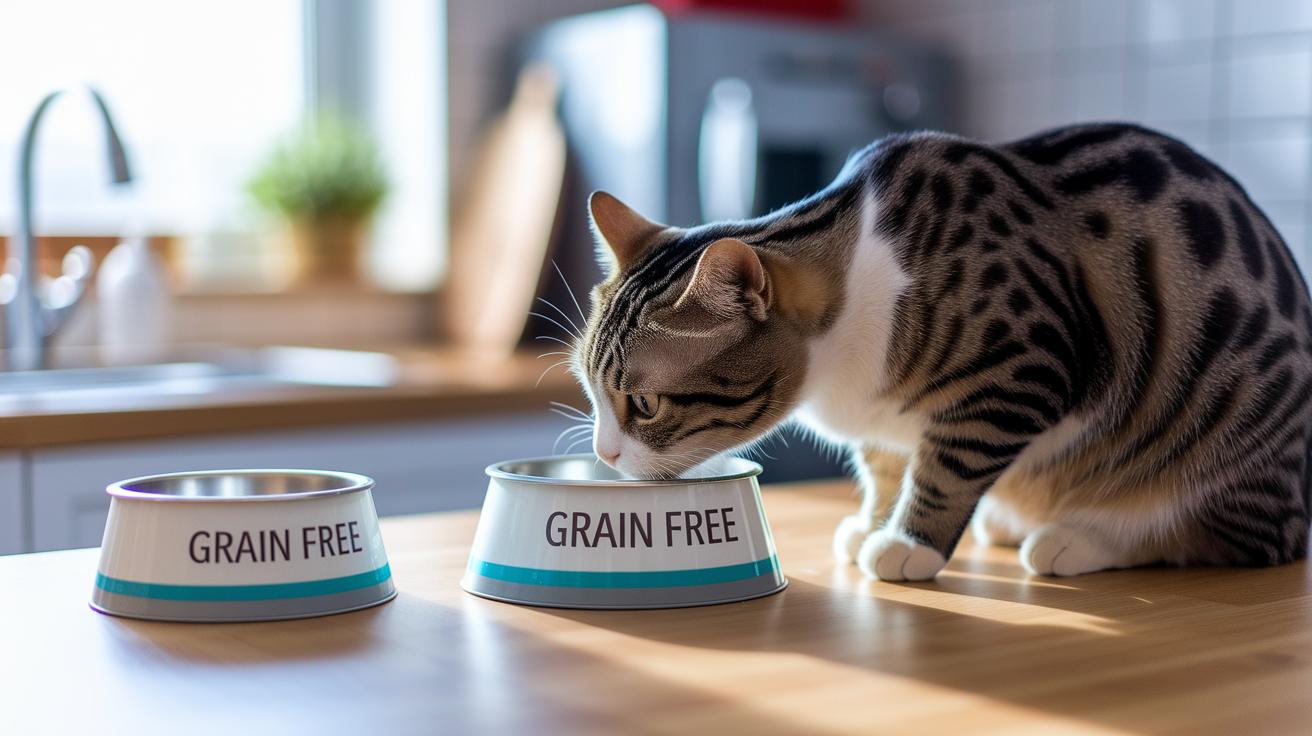

Do you ever wonder if grain-free food is really good for your cat? Many pet parents choose recipes that leave out wheat, corn, and rice and use veggies like sweet potatoes and peas instead. They say these meals help soothe allergies and upset tummies, like a tailor-made plan for your furry friend. But many healthy cats do just fine on regular food that has a good mix of proteins and essential nutrients. In this post, we explore the ups and downs of grain-free diets so you can decide what works best for your pet.
Grain-Free Food for Cats: Evaluating Health Benefits and Risks
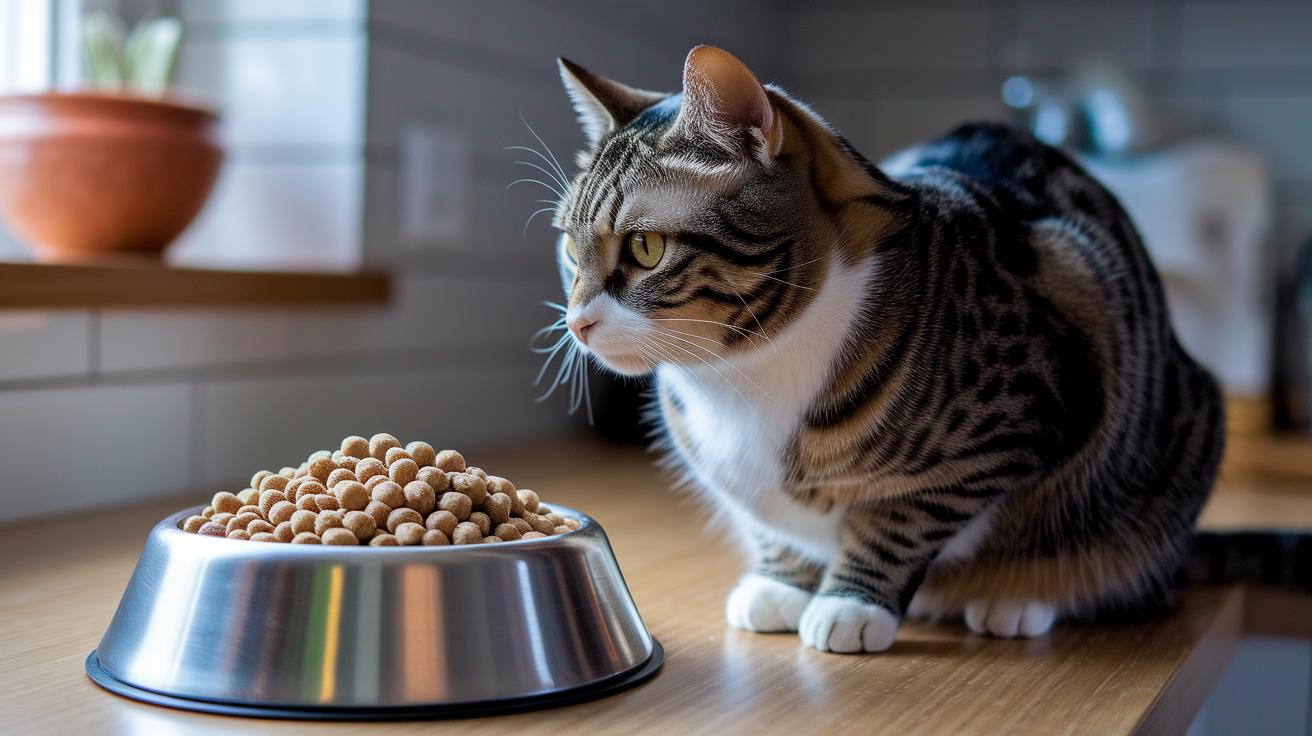
Grain-free cat food skips cereals like wheat, corn, rice, barley, and rye and uses starchy veggies and legumes such as potatoes and peas instead. This type of food can help cats with allergies, gluten sensitivities, or sensitive tummies feel better. If the food is balanced and has all the vitamins and minerals your cat needs, grain-free options work well for those special cases.
Most cats, however, do just fine with regular food. Traditional diets deliver a full mix of proteins, fats, and essential nutrients. So if your cat isn’t showing any signs of itching or tummy troubles, a normal diet is a solid choice. As one pet parent said, "Switching food is like moving houses slowly: mix a little new with the old each day."
Key points to consider:
- Grain-free diets help cats with specific sensitivities.
- Regular cat food is a reliable option for most healthy cats.
- Every formula should cover all the essential nutrients your cat needs.
In the end, choosing the right food depends on your cat’s unique needs and your vet’s advice. We hope you find the best option to keep your pet happy and healthy.
Formulations and Ingredients of Grain-Free Cat Foods

Grain-free cat foods do not include wheat, corn, rice, barley, or rye. Instead, they use starchy vegetables and legumes like potatoes, peas, lentils, sweet potatoes, and chickpeas to give your cat easy-to-digest energy. They also add animal proteins such as chicken, fish, or beef to support muscle growth and overall health.
Manufacturers work hard to list and analyze nutrients on every bag or can. You will see clear details on protein, fat, fiber, and vitamins so you know exactly what your cat is eating.
Imagine it like a meal plan made just for your cat. A mix of tasty animal protein and healthy vegetables creates a kibble that feels like a gourmet treat.
Grain-free formulas can be a good choice for cats with sensitivities. If your cat shows signs of itchy skin or tummy troubles, trying a grain-free option might help. The idea is to use alternative carbs like legumes and starchy vegetables to give enough energy while keeping all the important nutrients.
Key points to note:
- They do not include traditional grains.
- They use starchy vegetables (potatoes, sweet potatoes) and legumes (peas, lentils, chickpeas) for energy.
- Main proteins come from animal sources, making the food a good match for your cat.
- Nutrient analysis shows a balanced mix of protein, fat, fiber, and vitamins.
| Component | Common Ingredients |
|---|---|
| Excluded Grains | Wheat, corn, rice, barley, rye |
| Replacement Carbohydrates | Potatoes, sweet potatoes, peas, lentils, chickpeas |
| Primary Protein Sources | Chicken, fish, beef |
This balanced mix gives your cat a nutrient-rich meal while skipping ingredients that might be hard to digest.
Veterinarian Insights on Grain-Free Diets for Cats
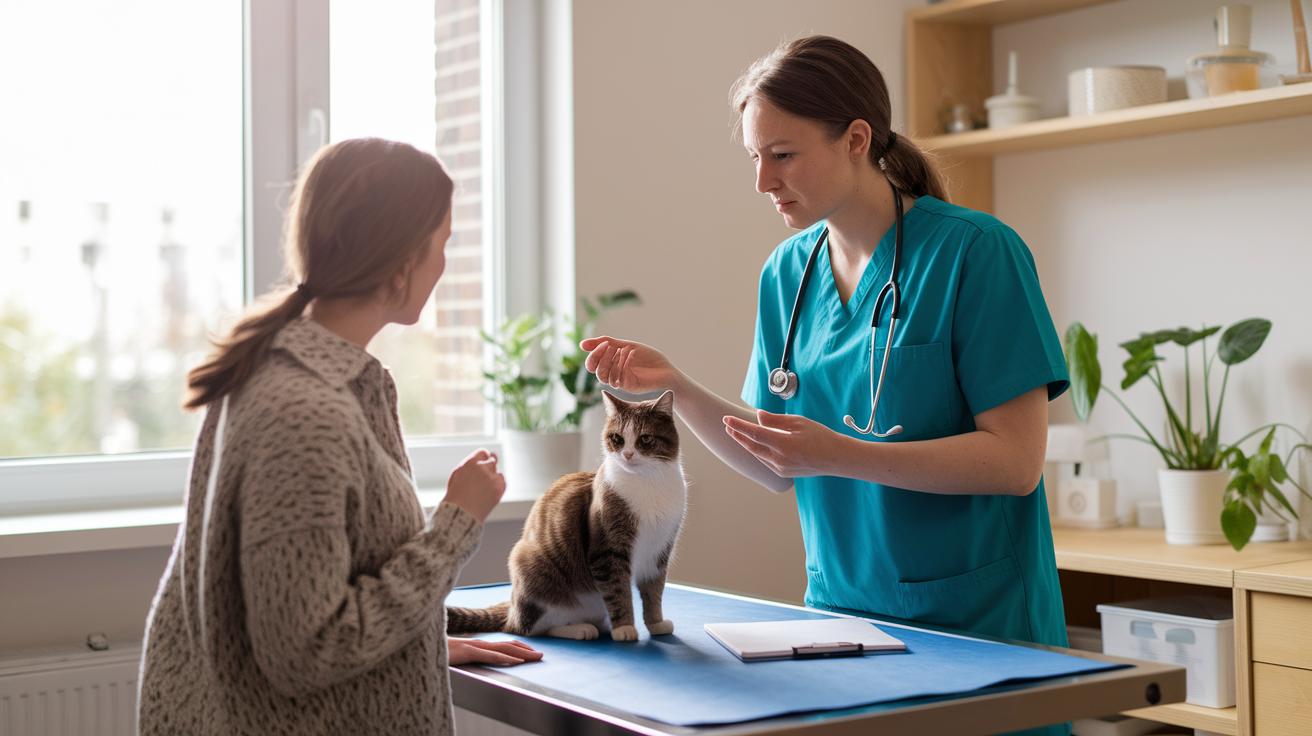
Dr. Amy Bergs reminds us that every cat is one-of-a-kind. If your cat has itchy skin or tummy troubles, it is a good idea to talk to your vet. They can help decide if a grain-free diet might soothe your furry buddy. Just like trying out a new toy, any diet change should be done with a vet's guidance.
Your vet and other experts say there is no proof that grain-free diets cause heart problems in cats. This means that if your cat is healthy, a regular food that has grains works just fine.
Here are some simple tips:
- Look for signs like red, itchy skin or an upset stomach.
- Ask your vet if changing the food is a good idea.
- Adjust the feeding plan to fit your cat's overall health.
Dr. Bergs also notes that if your cat is sensitive to certain ingredients, a grain-free diet might ease their discomfort. She compares a special diet to a custom suit that fits just right. This means you can meet your pet’s needs without making unnecessary changes.
If you see signs like itching or odd stools, check in with your vet. They can help you keep an eye on any changes as you try a new food for your cat.
Comparing Grain-Free vs. Traditional Cat Foods

Recent research shows that a grain-free cat food might help pets with known sensitivities. In one 2022 study, a cat with mild tummy troubles had firmer stools after three weeks on a grain-free diet.
Here’s what you need to know:
- Grain-free diets can lower inflammation and calm a sensitive stomach. They use ingredients like potatoes or peas instead of grains. They might cost a bit more since they include special ingredients.
- Traditional diets stick to AAFCO standards (nutrition guidelines set for pet food) and are budget-friendly. They offer a mix of proteins, fats, and carbohydrates and work well for most healthy cats.
| Diet Type | Benefits | Considerations |
|---|---|---|
| Grain-Free | Helps ease tummy issues in sensitive cats; uses alternative ingredients | Tends to cost more; best for cats with known sensitivities |
| Traditional | Balanced nutrition and cost-effective; meets AAFCO standards | May not work as well for cats with food sensitivities |
We recommend you think about your cat’s history and needs. If your pet struggles with digestion, you might want to try a grain-free option. For a healthy cat, a traditional diet is usually enough. Always check with your veterinarian for advice that fits your cat best.
Who Benefits Most from Grain-Free Diets for Cats?
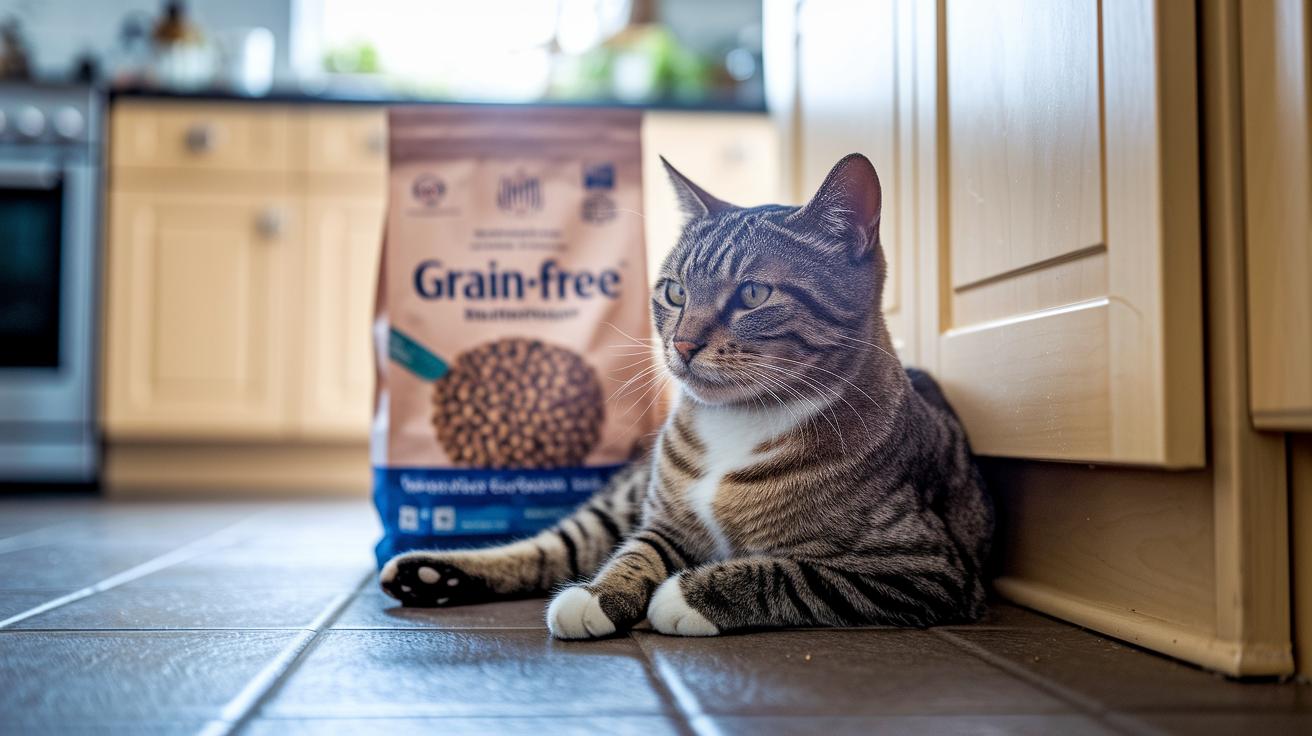
If your cat struggles with a sensitive tummy, switching to a grain-free diet might really help. For kitties dealing with irritable bowel disease or ongoing gut inflammation, these diets can soothe their digestive system and ease flare-ups.
Sometimes cats show signs of discomfort like itchy skin or an unsettled stomach because of grain allergies or gluten sensitivities. A diet without grains may help reduce that discomfort and make them feel better.
Remember, most cats can digest grains without a problem. So, a grain-free option is best for cats who have documented issues.
Example snippet: "Think of it like tuning a piano; without grains, your cat’s diet could hit all the right notes."
Key points:
- Great for cats with irritable bowel issues or chronic inflammation.
- A good choice for kitties with grain allergies or gluten sensitivities.
- Not needed for cats that handle grains well.
Transitioning Your Cat to a Grain-Free Diet Safely
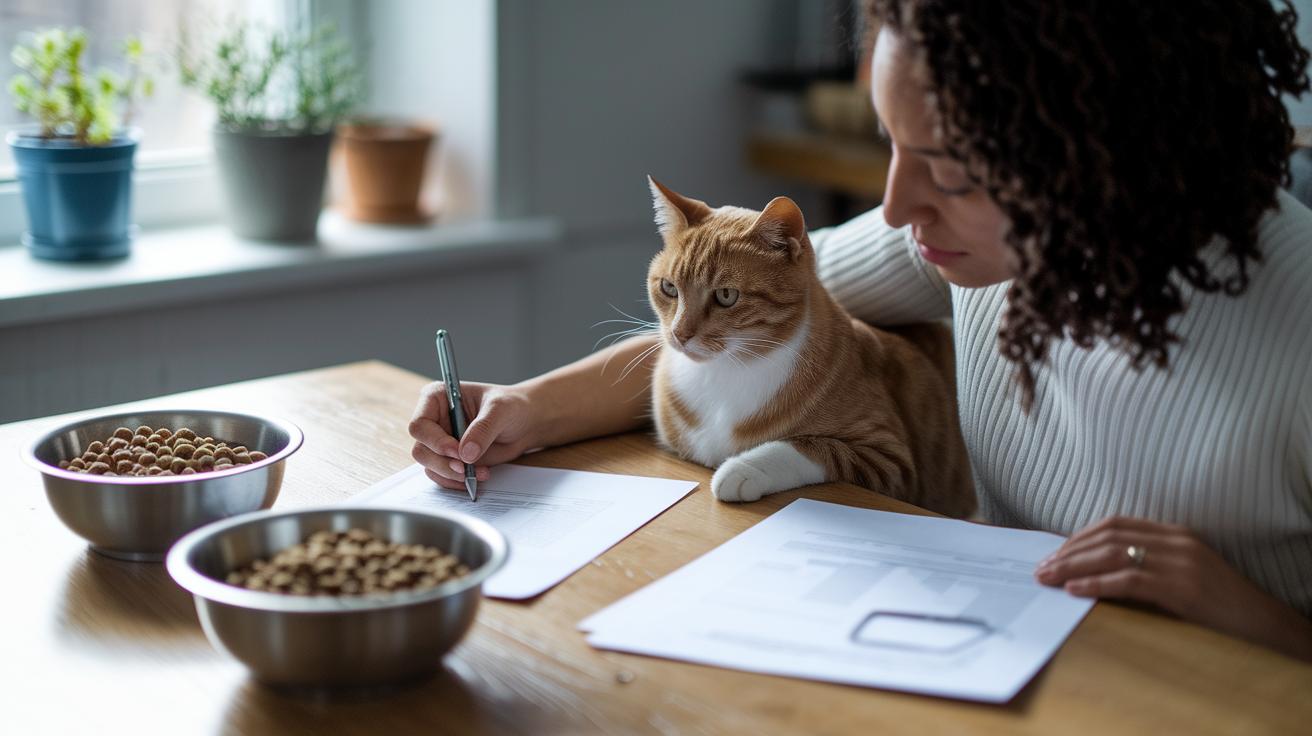
Start with a simple plan over 7 to 10 days. Mix 25% grain-free food with 75% of your cat's usual meal. Every two days, add a bit more grain-free food until your cat is eating it all.
Watch your cat closely. Notice if its appetite, weight, or stool changes. If your kitty seems sluggish, vomits, or has diarrhea, stop the new food and call your vet.
Quick guide:
- Day 1 to 3: 25% grain-free and 75% regular food.
- Day 4 to 6: A 50/50 mix.
- Day 7 to 10: 75% grain-free, then 100% if your cat is happy and healthy.
Every cat is unique. If needed, slow down the change and chat with your vet if anything seems off.
Final Words
In the action, we explored the benefits and risks of grain-free diets. We broke down ingredients, vet insights, and safe ways to switch to a non-grain plan. We also compared these diets with traditional options and pinpointed which cats might really benefit from them. With practical tips and expert advice, you can decide if this approach fits your pet’s lifestyle. Grain free food good for cats may be an excellent choice for sensitive tummies while most healthy cats enjoy balanced nutrition. Enjoy discovering the best for your furry friend.
FAQ
FAQ
Q: Is grain free food good for cats reddit
A: The discussion on whether grain-free food is good for cats on Reddit shows that many pet parents see benefits for cats with sensitivities, though most healthy cats may not need it.
Q: What are the pros and cons of grain-free cat food?
A: The grain-free cat food pros and cons are that it may help cats with allergies or sensitivities, while many healthy cats digest grains well and benefit from a balanced, cost-effective diet.
Q: Does grain-free cat food cause heart problems?
A: The concern that grain-free cat food causes heart problems in cats is unfounded; no studies link these diets to heart issues in cats like some concerns seen in dogs.
Q: What are the side effects of grain-free cat food?
A: The grain-free cat food side effects can include digestive upset if a cat does not tolerate the alternate ingredients, but most cats adjust well with balanced formulas.
Q: What is the best grain-free cat food?
A: The best grain-free cat food depends on your cat’s individual health and taste; choose formulas that meet AAFCO standards and consult your vet for the right option.
Q: Is grain-free food good for cats with sensitive stomachs?
A: The grain-free food good for cats with sensitive stomachs answer suggests that switching can reduce digestive upset, though many cats handle grains fine unless they have specific allergies.
Q: Is grain free bad for cats reddit?
A: The view that grain-free food is bad for cats on Reddit reflects mixed opinions; many healthy cats do well on grain-inclusive diets, while special diets help those with known sensitivities.
Q: What are people saying about grain free cat food on Reddit?
A: The discussions about grain-free cat food on Reddit show varied experiences, with some pet parents reporting improvements for sensitive cats and others finding no advantage over traditional diets.
Q: Why do vets not like grain-free cat food?
A: The reason some vets caution against grain-free cat food is that eliminating grains isn’t necessary for most healthy cats and may not offer any added health benefit without a specific sensitivity.
Q: Should cats be on grain-free food?
A: The response to whether cats should be on grain-free food is that most healthy cats do well on complete, balanced diets that include grains, while grain-free diets are best for those with diagnosed allergies.