


Have you ever noticed your usually sweet dog suddenly barking or lunging? It might be that your pup feels overwhelmed by what he sees, even when nothing dangerous is around. In this post, we talk about using positive reinforcement to help turn those anxious moments into calm confidence. By spotting what triggers your dog and rewarding calm behavior, you help him learn to relax. This not only makes daily walks easier but also builds trust between you and your furry friend. Let's discover how to turn reactive moments into chances for growth.
Mastering Reactive Dog Training: Transforming Barking and Lunging into Calm Confidence

Sometimes our dogs get overwhelmed by fear or frustration, which can make them bark, lunge, or even snarl when they see another dog or a passing bicyclist. It is important to remember that these reactions are not the same as aggression. When you see this difference, it helps you choose a training plan that works best for your pet.
We can use positive reinforcement to turn those wild moments into calm ones. This means giving your dog a yummy treat or a kind word whenever they stay cool around things that usually upset them. For example, one dog named Max used to bark at every visitor. Over time, with gentle exposure and rewards, Max learned to greet guests nicely.
The trick is to use treats and praise at the right moment. High-value treats (treats your dog really loves) and consistent, upbeat words build a clear message: being calm brings good things. Start by spotting what sets off your pet and note the safe distance where they feel relaxed. Reward that calm behavior often.
Keep an eye on your dog’s body language, too. Every pet learns at their own pace. Adjust your training steps as needed so your dog can build confidence day by day.
Identifying Triggers and Threshold Levels in Reactive Dog Training
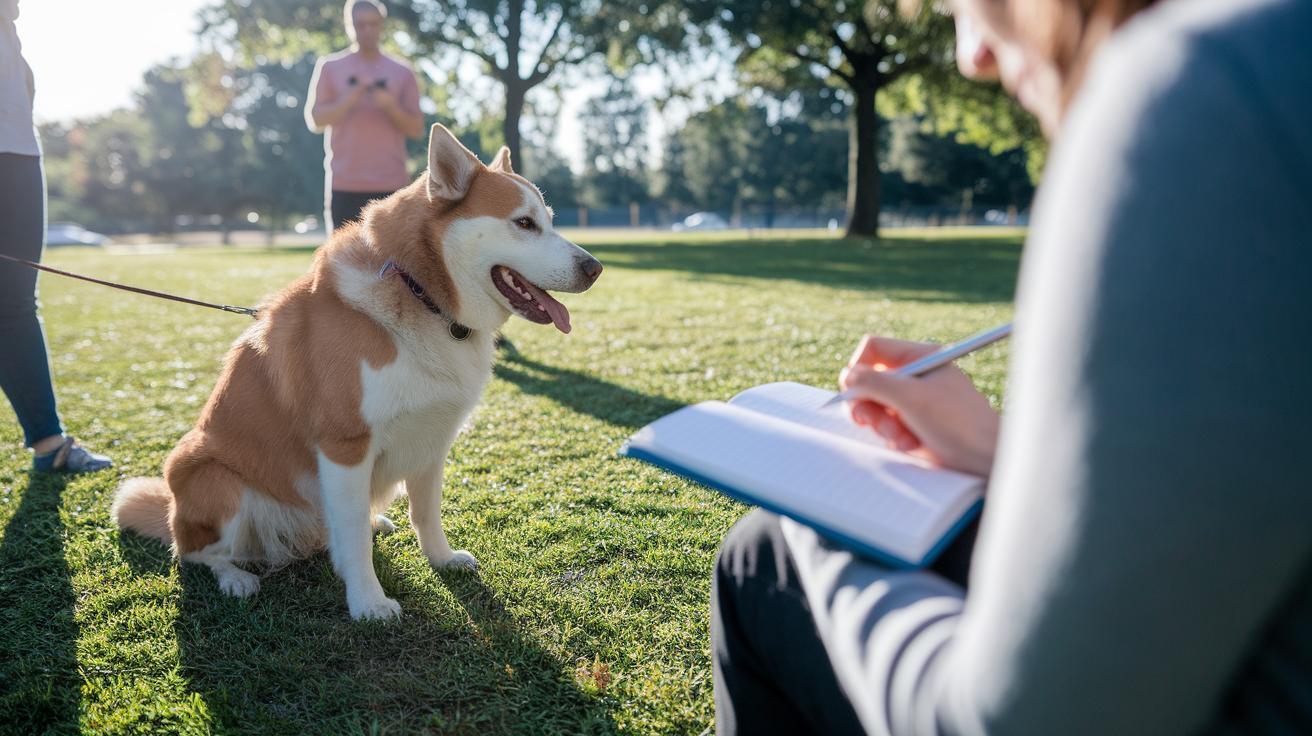
Knowing what unsettles your dog helps you plan safer training sessions. Your pup might react to other dogs, strangers, bikers, or even sudden sounds. When you spot these triggers and learn the safe distance where your dog stays calm, you create a kinder training space. This lets your dog learn without feeling overwhelmed.
Here are some simple steps:
- Watch your dog in different places. Note any changes when new things show up.
- Write down the exact trigger, like another dog, a stranger, or a passing bike.
- Find the safe distance where your dog shows a little stress but is still calm.
- Record details such as the time, place, type of trigger, and how strong the reaction was.
- Use these notes to adjust your training. Start at a safe distance and slowly shorten it as your dog learns.
These easy steps help you track what triggers your dog's reactions. With clear notes, you can tailor your training and boost your dog's confidence in a caring, step-by-step way.
Systematic Desensitization and Counter-Conditioning in Reactive Dog Training

This method helps your dog learn to stay calm around things that normally upset them. We start by showing your dog a trigger in a small, gentle way that doesn't cause a strong reaction. When your dog stays relaxed, you give them a tasty treat or kind praise. This simple Engage/Disengage method builds a new, calm feeling each time your dog encounters the trigger.
First, watch your dog from a safe distance where the trigger is visible but not too scary. Reward them with high-value treats and lots of praise when they notice the trigger without reacting. Then, gently shift their focus using a fun command or by offering a favorite toy. Practice this step by step to help your dog learn to remain calm. If you see signs of stress, take a break right away and try again later.
Remember, every dog learns at their own pace. If your dog seems anxious, slow down and keep sessions short. By using clear rewards and lots of patience, you help turn nervous behavior into a calm, confident response.
Management Strategies and Safety Precautions in Reactive Dog Training

Managing your dog's space is very important when working with reactive behaviors. Start by setting up a safe training zone with few distractions. Keep a steady distance from triggers so your dog feels secure. As you slowly bring the trigger closer, make sure your pet always has enough room to feel safe. Think of it like a cat watching a bird from afar – calm and collected.
Using the right gear really makes a difference. Simple tools like front-clip harnesses, head halters, and long lines give you more control during training. These items gently guide your dog and help prevent sudden lunges or pulls. One pet parent mentioned how using a front-clip harness felt like having a safety net during walks, making every step feel secure.
It is also important to watch for your dog's stress signals. Look out for cues like ears pulled back, a tucked tail, or quick, heavy panting. These signs tell you that your dog might be feeling overwhelmed. If you notice them, stop the exercise and let your pet take a break. By paying close attention and adjusting when needed, you help your dog learn in a calm and controlled way without too much stress.
Building Focus and Engagement with Positive Reinforcement in Reactive Dog Training
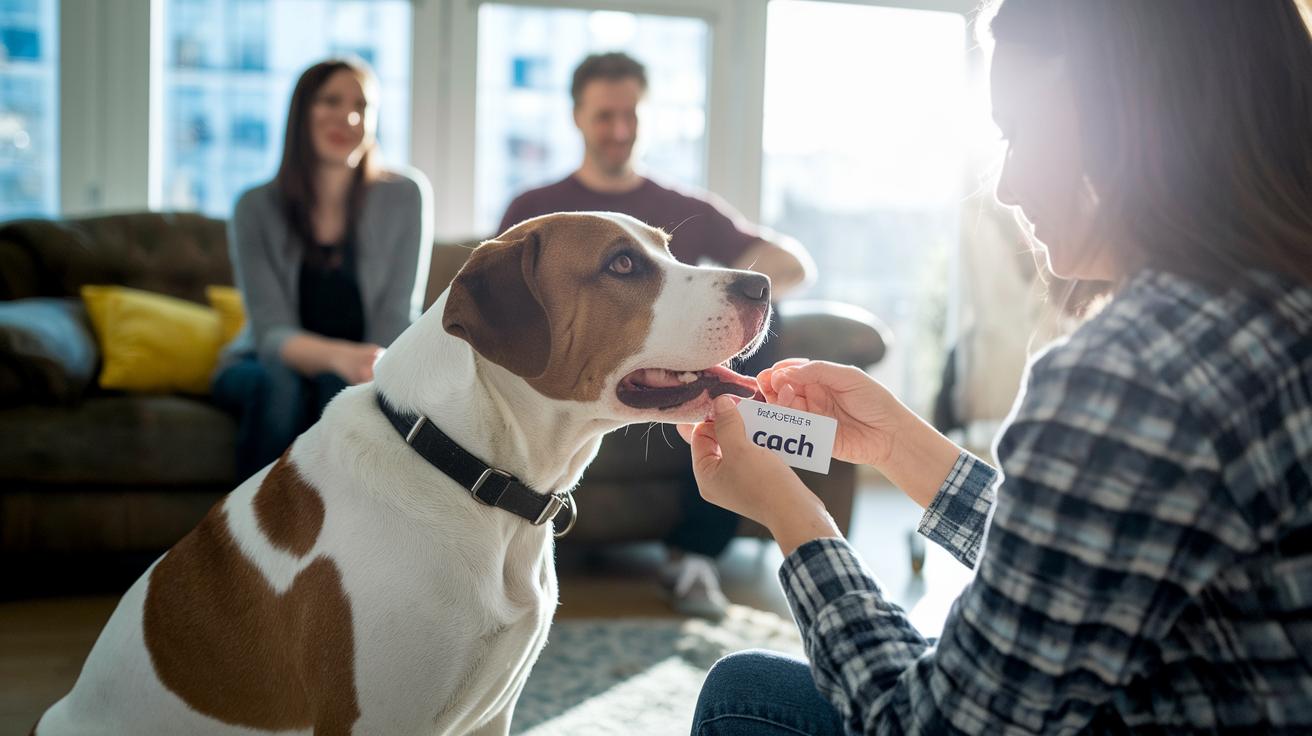
We help your dog build focus by pairing rewards with gentle, step-by-step exposure. Pick treats your dog adores, like tiny bits of chicken, to reward calm behavior as they face triggers. Use a simple marker word like "yes" or a clicker at the calm moment. For instance, when your dog softly looks away from a distraction, mark that behavior and give a treat. This approach mixes reward-based focus with slowly exposing your pet to challenging situations.
Add a bit of play to your training sessions. If your dog stays calm during a short trigger moment, follow with a game like fetch or tug. This not only makes training fun, but it also reinforces their new, calm reaction. If your dog is steady even with unexpected sounds, reward that focus right away with a treat and a quick play break.
Tracking Progress and Long-Term Management in Reactive Dog Training
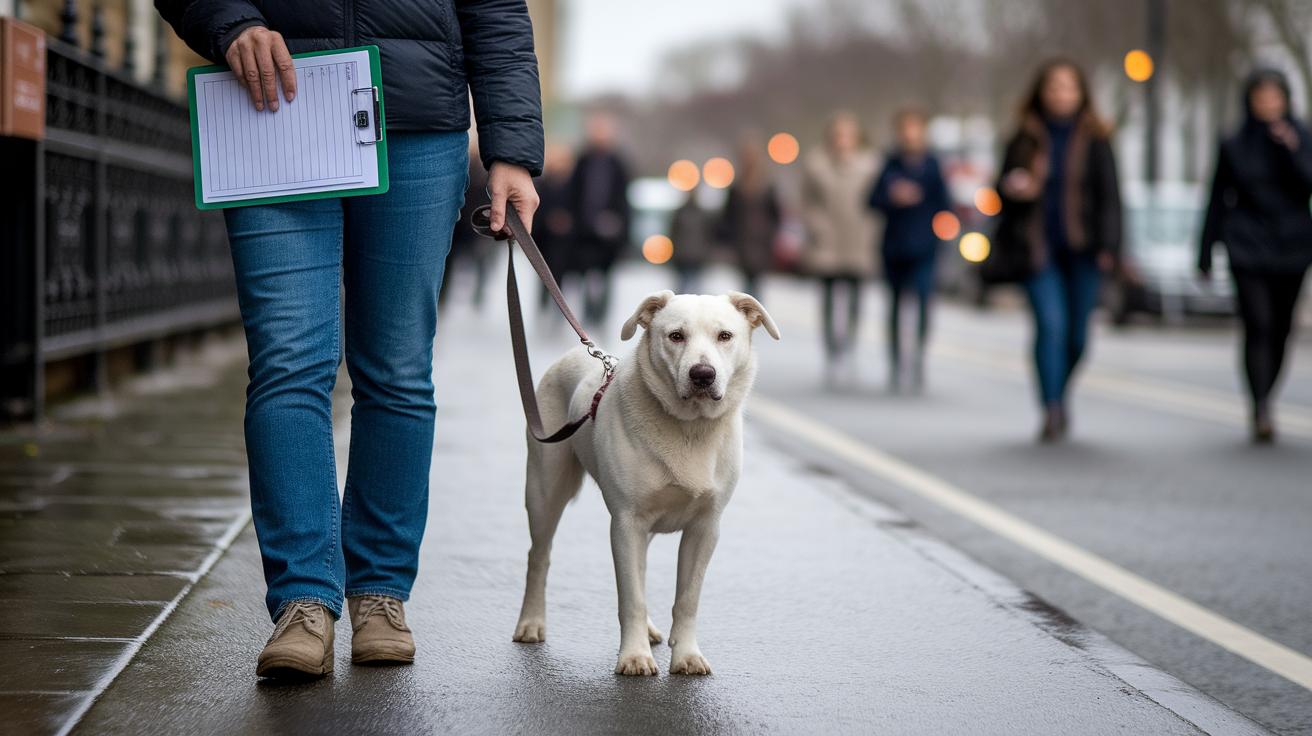
Tracking your dog's progress in handling reactive behavior takes time, but every small win counts. You can set simple, clear goals that mark when your dog faces a trigger without barking or lunging. Keep a basic log where you note the trigger, how far it was, and any changes you see. Even little improvements, like your dog sitting quietly as a stranger walks by, show that your steady work is bringing calm and confidence.
Long-term training means being patient and expecting ups and downs. Check in often to see how things are going. If your dog shows signs of stress or if biting starts, it might help to call a professional or check with your vet. Sometimes, a bit of medicine (to help ease anxiety) can make training sessions smoother for everyone. This careful approach helps keep both your pet and you safe.
Building a support network can make this journey feel less lonely. Reach out to trainers, other pet parents, or behavior experts who can share tips and success stories. Their advice can help reinforce the good habits you're building and cheer you on along the way. Each steady step lays the foundation for a calmer, happier dog.
Final Words
In the action, we explored how reactive dog training turns barking and lunging into calm confidence. We discussed identifying triggers and setting safe boundaries, using step-by-step desensitization and counter-conditioning, and keeping a close eye on your dog's body language. We also looked at positive reinforcement and long-term management tips that build trust and comfort. With these techniques, you can guide your pet toward a happier, safer future. Keep practicing and celebrating even small wins along the way!
FAQ
Where can I find reactive dog training near me or in places like California and Texas?
The query for reactive dog training near you suggests both local and state options. Look online or ask your vet for referrals to trainers who use safe, positive methods in your area.
How can I train my reactive dog at home or via online resources?
Training your reactive dog at home or online means using step-by-step videos and community advice. Try platforms like YouTube or Reddit to learn techniques and tailor sessions to your dog’s specific triggers.
What is the best reactive dog training method and how do I stop my dog’s reactivity?
The best reactive dog training uses positive reinforcement and gradual exposure. Focus on small, controlled steps and high-value treats that reward calm behavior and help replace reactive responses with confidence.
How do I socialize a reactive dog effectively?
Socializing a reactive dog involves gradual exposure to triggers combined with rewards. Start at a safe distance, slowly introduce new experiences, and consistently praise calm behavior to build confidence over time.
Can reactivity be trained out of dogs or even cured?
Reactivity can often be reduced with consistent positive training and patient management. While complete “cure” may not be realistic, dedicated work helps your dog learn to cope better with triggers over time.
How long does it take to train reactivity out of a dog?
The training timeline varies with each dog. Consistent, positive techniques might show improvements in weeks or months, but long-term management is crucial for lasting, calm behavior.
What is the best way to address reactive behavior without using punishment?
The best approach avoids punishment entirely. Instead, focus on positive reinforcement—redirect your dog’s attention with treats and praise when calm behavior is shown, building trust and reducing reactivity.
How can I manage aggression during reactive moments, such as on dog walks?
Managing aggression during reactive moments means using proper gear and setting clear boundaries. Keep a safe distance from triggers, observe your dog’s stress signs, and reward calm behavior to maintain control and safety.
What should I avoid doing with a reactive dog?
Avoid harsh punishments or overwhelming exposure to triggers, which can heighten anxiety. Instead, use gradual introductions and plenty of positive reinforcement to help your dog feel safe and learn calm responses.