
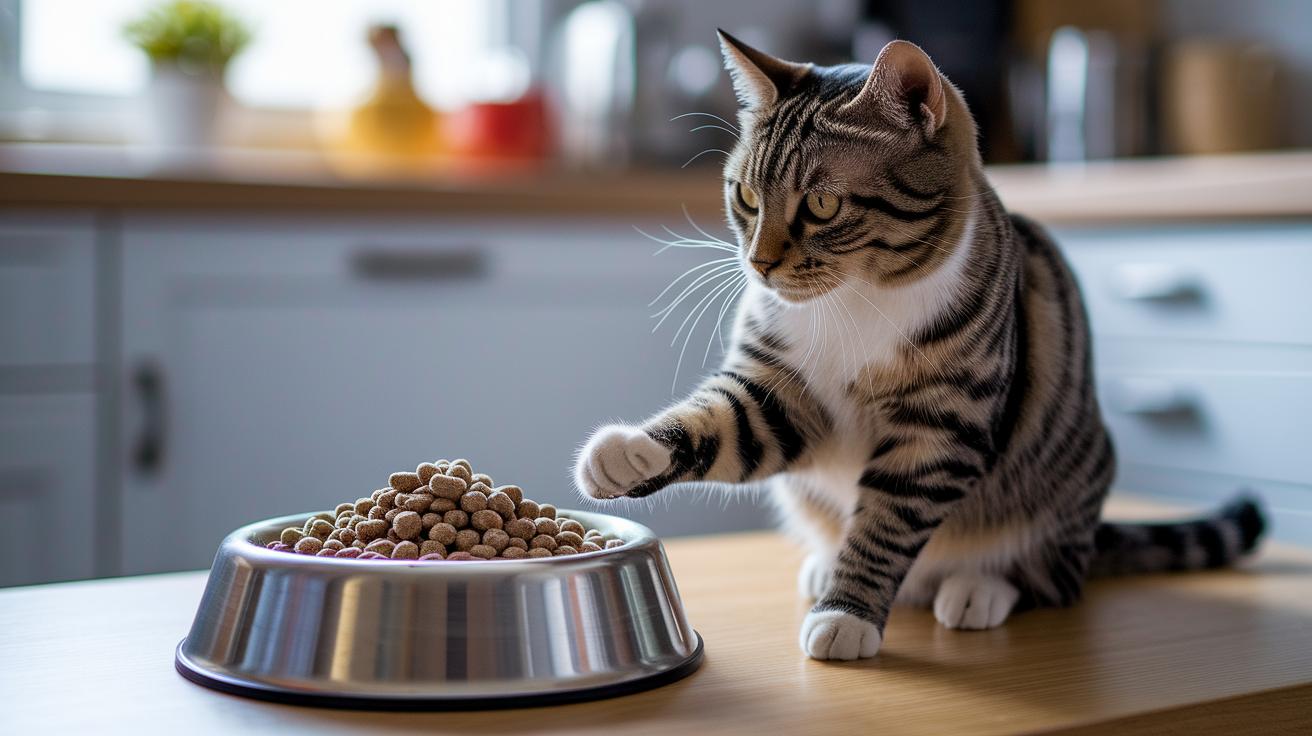

Are you hoping for a happier, healthier cat? You might be wondering if cutting out corn, wheat, or rice in favor of potatoes and legumes can help your cat feel more natural. We looked at the top grain-free foods that mix named proteins, veggie and fruit blends, and good prices. Our expert picks are made with a sensitive tummy in mind and give your playful cat the energy it needs. Let’s check out how these natural choices can work for your furry friend.
Best Grain Free Cat Food: Top 5 Expert-Reviewed Brands
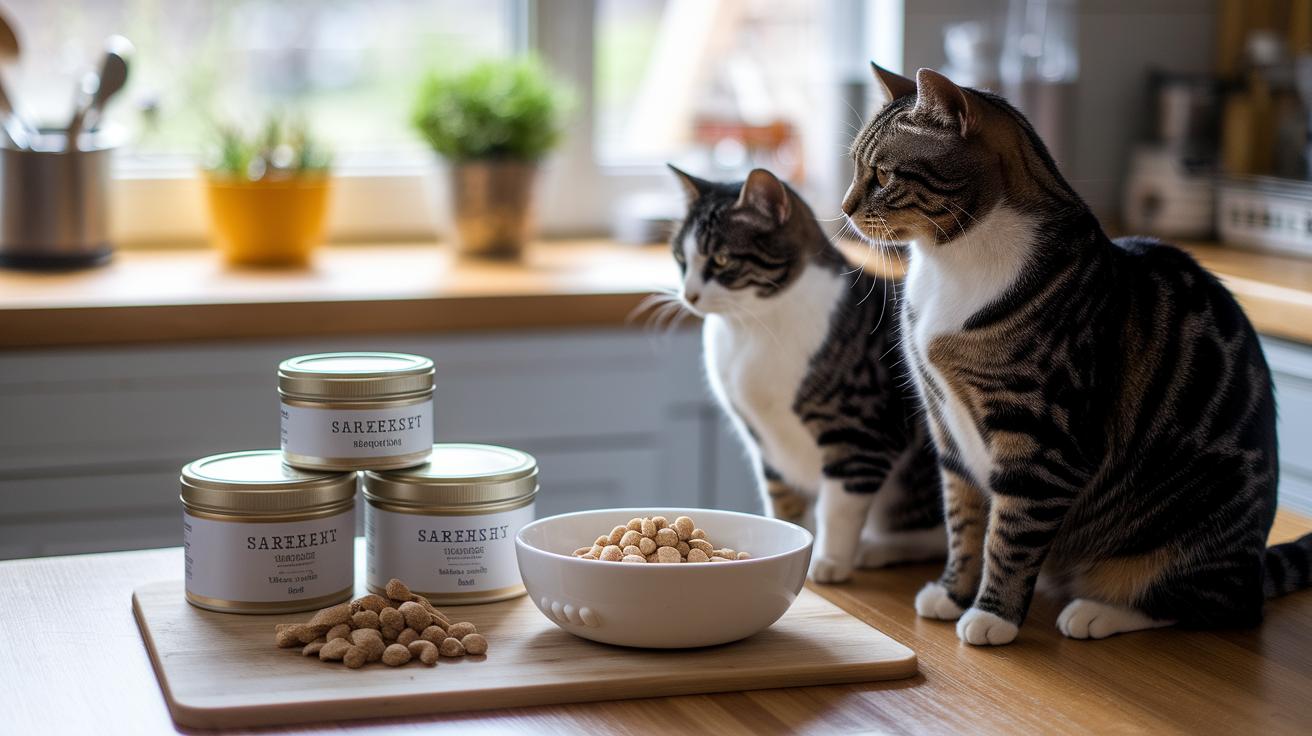
We carefully chose these cat foods to bring your furry friend meals that feel natural and wholesome. We checked each option for ingredient quality, protein amount, and price so that your cat enjoys a diet close to what they would eat in the wild. We picked foods that use named proteins (the good stuff) and skip unnecessary fillers. Plus, we know budget matters. Some of these options even come in trial packs, like 12 tins for just £7 at 40% off.
| Brand | Key Protein Source | Protein % | Price Range | Best For |
|---|---|---|---|---|
| WhiskerWonders | Salmon | 35% | $$ | Sensitive stomachs |
| Feline Feast | Chicken | 32% | $$ | Active adults |
| Purrfect Protein | Turkey | 34% | $$$ | Senior cats |
| Meow Mixers | Beef | 30% | $ | Budget-friendly |
| Kitten Kickstart | Mixed Fish | 36% | $$ | Kittens & growth |
Each brand stands out with a good mix of high protein, quality ingredients, and prices that keep you worry-free. They replace grains with nutritious veggie and fruit blends that help give your cat balanced energy. We trust these picks because they offer vet-checked nutrition that respects your cat's natural needs, making them a smart choice for sensitive eaters and playful kitties alike.
Understanding Grain Free Cat Food Compared to Traditional Formulas
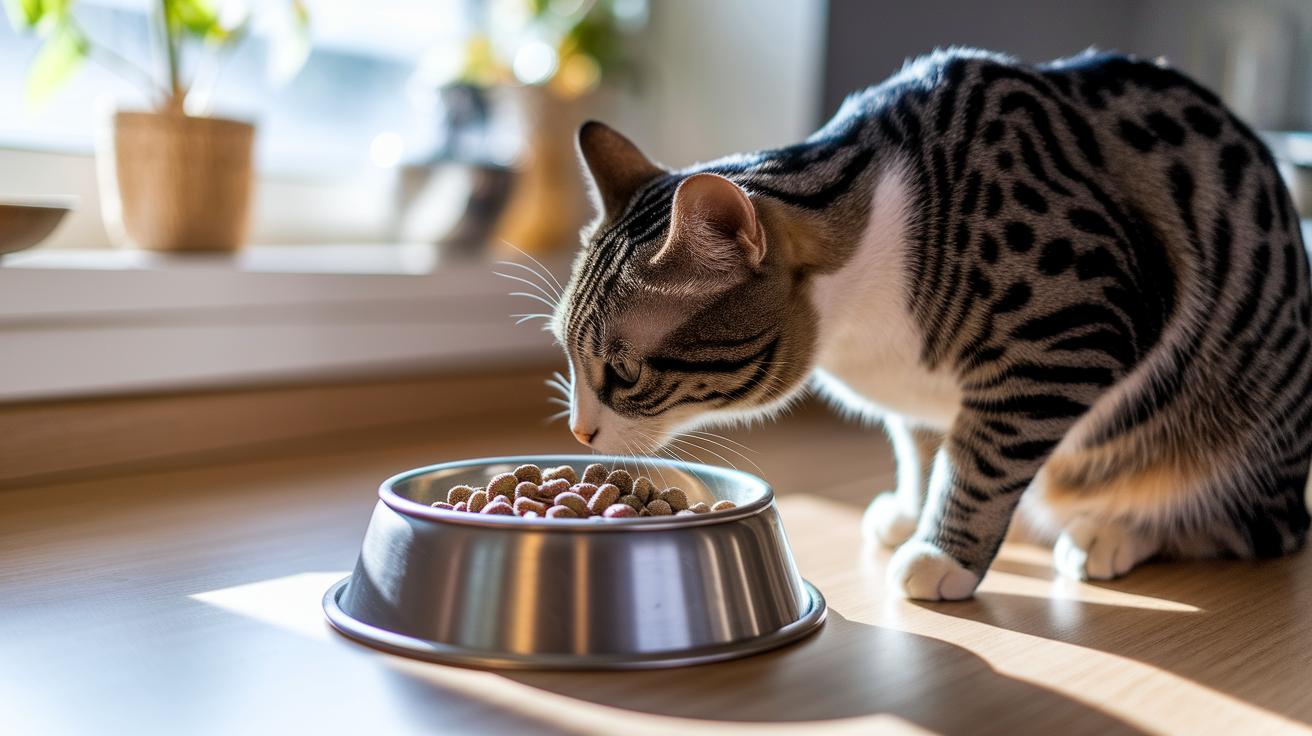
Grain-free cat food is made without common grains like corn, wheat, or rice. Instead, these formulas use other carbs such as potatoes, legumes, or fruits. This food is designed to mimic a cat’s natural prey diet by using more protein and fewer simple carbs.
Traditional cat food usually relies on grains for energy. That can mean more simple carbohydrates in their diet. In contrast, grain-free options offer real proteins from specific meat sources and a range of fibers from vegetables. Dry grain-free kibble might still have starch binders like pea or potato starch. Wet options naturally have more moisture to help with hydration. This different mix can support better digestion and overall health for your cat.
Remember, gluten-free does not mean grain-free. Gluten-free foods like quinoa, oats, buckwheat, or millet are still grains. Many grain-free formulas use legumes and starchy vegetables as the main carb sources.
Nutritional Benefits of a Grain Free Cat Food Diet
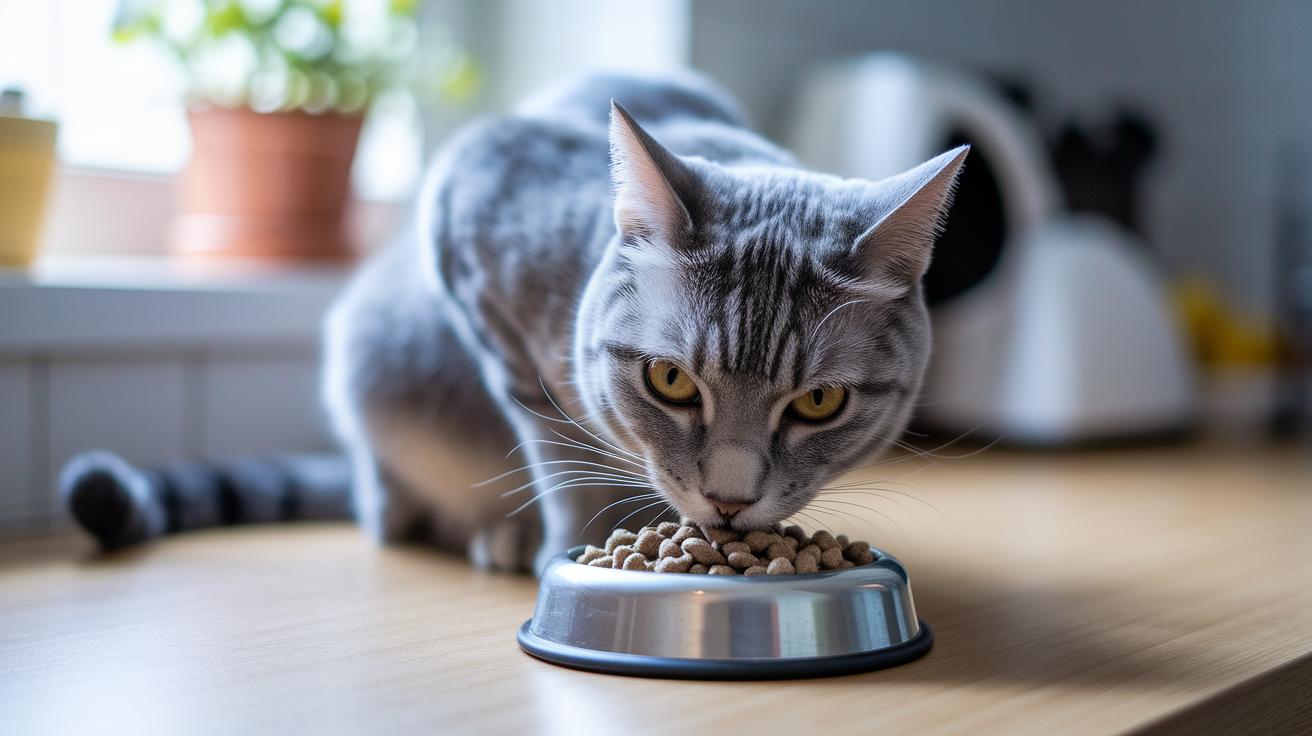
Grain-free cat food is a great way to feed your cat a meal that feels natural. With about 30-40% protein, it mimics what your cat would eat in the wild. This helps build strong muscles and keeps your cat lively.
- Easy digestion: It helps soothe tummy troubles and moves food along gently.
- Muscle support: Packed with amino acids that help build and repair muscles.
- Fewer allergies: Without grains, your cat may have fewer sensitivity issues.
- Extra hydration: Wet grain-free foods add needed moisture to support kidney health.
- Shiny coat: Nutrient-rich formulas help keep the fur soft and bright.
- Weight control: Balances calories and boosts metabolism for a leaner body.
These benefits show that a grain-free diet is more than just a food choice. It offers a balanced meal for kittens with sensitive tummies, older cats, and indoor kitties. High protein keeps them energetic and supports muscle repair, while added moisture helps with hydration. Overall, grain-free cat food is a kind and thoughtful option for pet parents who want the best for their furry friends.
Potential Drawbacks of Best Grain Free Cat Food Options
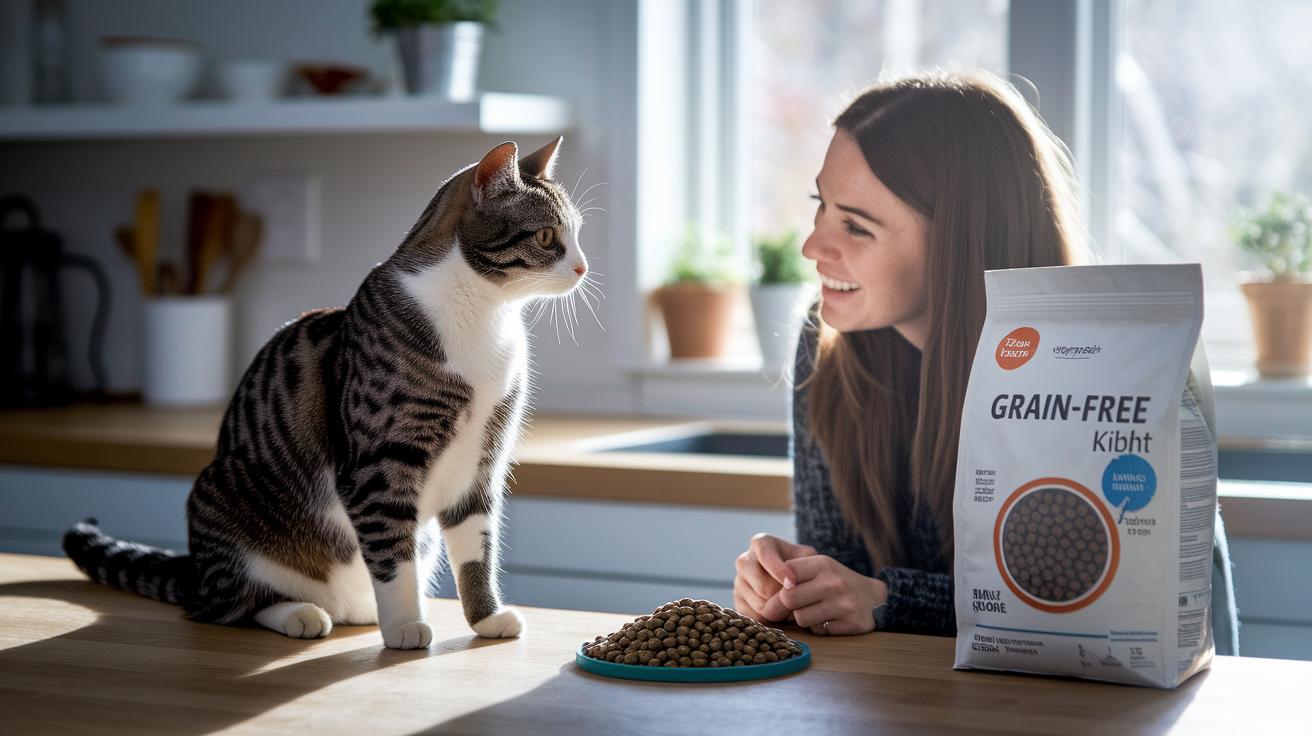
Grain-free formulas can be a hit for many pet parents, but they come with a few trade-offs. They usually cost about 20%–50% more than regular cat foods. This extra cost can add up fast, especially if you have a large or super active cat. Also, some brands swap out grains for starchy ingredients like potatoes and legumes. These ingredients pack more calories as carbs and can change the energy balance your cat relies on.
- Higher price tag
- Carbs from dense starches
- Nutrient gaps when the formula isn't balanced well
- Dry kibbles that use starch binders instead of natural grain fibers for gut health
- Fewer ingredients that might limit overall nutrition
Always check food labels carefully. Look at the ingredient list and nutritional details to make sure your cat gets the best nourishment. By comparing products and reading labels, you can choose a grain-free option that works well for your cat’s health without stretching your budget too much.
Decoding Labels to Choose the Best Grain Free Cat Food
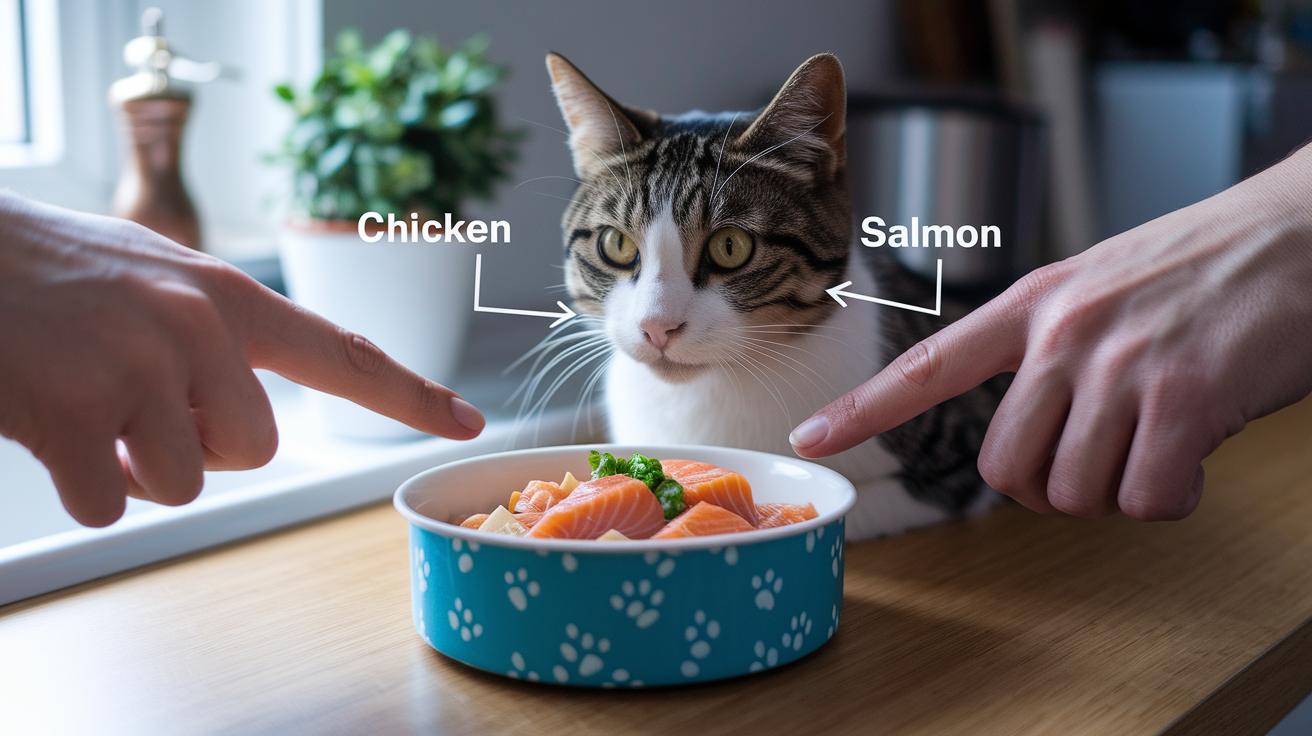
When you check your cat food label, start by looking at the ingredient order. Look for names you recognize, like chicken or salmon, right at the top. This shows the recipe is built around good protein, just like nature made it. A clear list means the food really cares about your cat’s health.
Primary Protein Source
When you see the actual meat listed at the top, you know your cat is getting real protein for strong muscles and plenty of energy. Vague words like "meat meal" might hide lower-quality ingredients. Always make sure you're choosing the good stuff.
Guaranteed Analysis
This part of the label tells you the balance of protein, fat, and fiber. Look for at least 30% protein, 15% fat, and under 5% fiber. These numbers help make sure the food meets your cat’s nutritional needs, keeping them lively and their digestion smooth.
Fillers and Binders
Watch out for filler ingredients like unnamed by-products or binders such as pea starch and potato starch. A high ash content may also be a red flag. If you see these, the food might not be balanced nutritionally.
By checking labels carefully, looking for real meat, confirming the nutrient breakdown, and avoiding vague fillers, you can pick a grain-free cat food that supports your cat’s well-being. This simple checklist helps you make smart, healthy choices for your pet’s diet.
Comparison of Wet and Dry Grain Free Cat Food Formats
Dry Grain Free Kibble
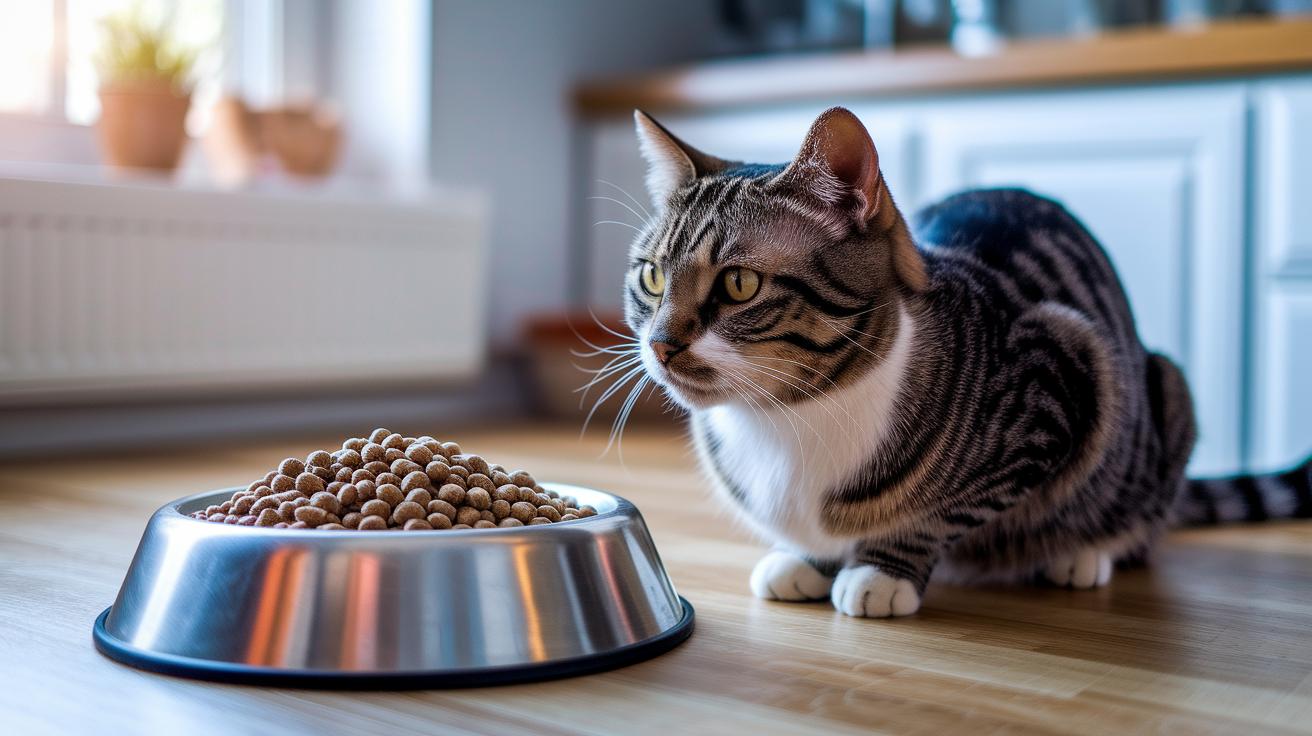
Dry grain free kibble is super easy to use. It stores well for a long time and is quick to serve. The crunchy bite can help clean your cat's teeth by reducing plaque. Many pet parents value the portion control and fast meal option. Some recipes use starch binders (ingredients that help hold the food together), but the focus is on convenience and dental benefits.
Dry kibble is also usually more budget friendly and lasts longer after you open it. It doesn't have as much moisture as wet food, so make sure your cat always has fresh water. This option works best for busy homes and for cats that love a crunchy snack.
Wet Grain Free Options
Wet grain free food comes in forms like pâté or chunky mixes with about 75-80% moisture. This high water content helps keep your cat's urinary tract healthy and gives a feel similar to fresh prey. Its soft texture is gentle on older cats or those with dental issues who might find hard kibble tough to chew.
On the flip side, wet food can cost 10-20% more per serving than dry meals. Once opened, it doesn't last as long, which might be a challenge if you need to stretch meals out. Still, many pet parents say the added hydration and rich flavor make it well worth the extra care.
In the end, choose the food that best suits your cat's needs. Consider their water intake, dental health, and what fits your lifestyle best.
Transitioning to the Best Grain Free Cat Food Safely
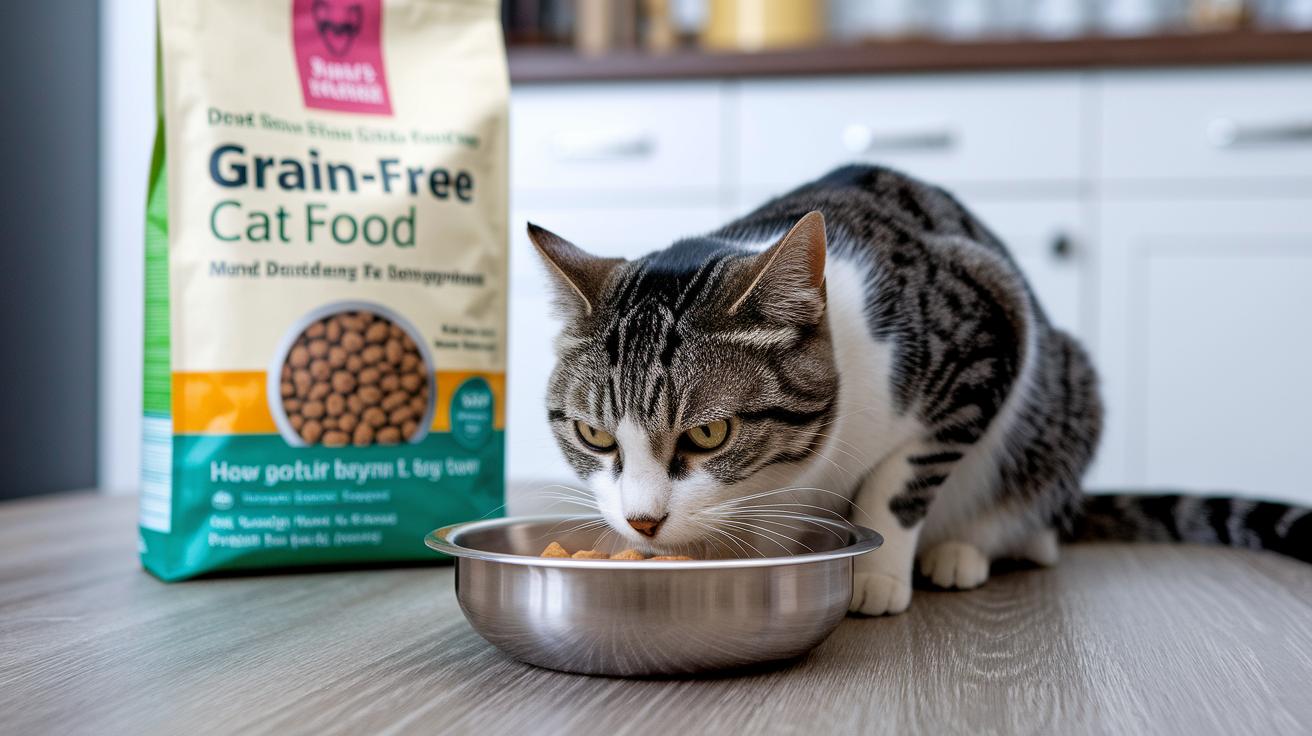
Changing your cat's food can be a bit tricky. A slow change gives your pet's tummy time to get used to the new meal. This careful switch can help keep vomiting or loose stools away. Always have fresh water ready and try to keep your cat's routine as normal as possible.
- Pick a grain-free formula your vet trusts. This helps make sure your cat gets the right nutrients.
- Start with a mix of 25% new food and 75% old food. Keep this mix for the first few days.
- Every 3 to 5 days, add 25% more new food. This slow rise lets your cat adjust well.
- Watch for signs like vomiting, loose stools, or changes in appetite. If you see any of these, slow down the switch.
- Once your cat is eating only the new food, check on them for at least 2 weeks to catch any lasting issues.
Remember, every cat is different. Your timeline might be a little off from these steps. Patience and close watching are key. If your cat still seems uneasy or shows signs of discomfort, call your vet right away.
Final Words
In the action of choosing the best grain free cat food, we walked through top brands, compared wet and dry options, and broke down nutritional benefits and drawbacks. You saw tips on reading labels and transitioning safely.
By weighing ingredient quality, protein percentages, and overall value, you can feel confident in your choice. Enjoy the ease of repeat shopping and the positive impact on local rescues, helping your pet thrive while supporting a great cause.