


Ever wondered if a little boost could help your dog feel more lively, even with kidney issues? These supplements work gently to support kidney function, ease swelling, and keep your pet well hydrated. They help flush out toxins and provide the nutrients your dog needs to stay energetic every day. In this post, we explain how these supplements ease kidney strain and boost overall comfort. If you want to help your dog regain that spark even during tough times, keep reading to find out how you can help your best friend thrive.
Key Benefits of Supplements for Dogs with Kidney Disease

Supplements can be a real help for our dogs facing kidney troubles. They boost the work of your dog's kidneys, especially when kidney disease has taken a toll. Even a small boost can help your pet clear toxins and stay healthier.
These supplements work gently. They calm inflammation and help keep your dog well hydrated. This means your furry friend can feel more energetic and comfortable every day. We know you want your dog to enjoy life, even during tough times.
- Better kidney function
- Reduced inflammation
- Steady hydration
- Oxidative stress support
- Urinary health assistance
- Nutritient boost
Each of these points helps ease the strain on your dog's body. A better kidney function means your pet can remove waste more easily. Lower inflammation helps lessen discomfort. Keeping hydrated is key to healthy cells and proper kidney work. Antioxidants help protect important cells from damage. Helping the urinary tract makes it easier to flush out waste. And adding essential vitamins gives your dog the energy to thrive. Together, these benefits can make even hard days a little brighter for both you and your best friend.
Understanding Kidney Disease and the Role of Supplements for Dogs

Our dogs' kidneys work hard every day. They filter blood, remove waste, balance water and electrolytes (salts), control blood pressure, produce red blood cells, and help activate vitamin D. Often, kidney problems don't show signs until a lot of function is already lost (up to 70%). That's when natural pet nutrition aids and targeted supplements can help ease the burden on your dog's body.
Chronic vs Acute Kidney Disease in Dogs
Chronic kidney disease develops slowly over time. You might notice small changes such as extra thirst, mild weight loss, or shifts in urination habits. By the time these signs show up, much of your dog's kidney function may already be affected.
In contrast, acute kidney injury happens quickly and can be very serious. It may occur because of toxins, infections, or other sudden emergencies. Recognizing the difference is important since acute issues need immediate care.
How Supplements Support Kidney Function
Supplements made for kidney health work in many ways. They help balance electrolytes and lower inflammation, easing the load on the kidneys. Antioxidants fight cell damage, and handy vitamins replace nutrients that might be missing. With a blend of natural pet nutrition aids and organ-supporting supplements, these products help keep your dog well-hydrated and support overall kidney health. This approach gives your dog a better chance of staying comfortable and full of energy, even when facing kidney challenges.
Supplements for Dogs with Kidney Disease: Revive Vitality

If your dog is dealing with kidney issues, the right supplements can give them a little boost. These helpers are made to ease kidney strain by fighting inflammation, replacing lost nutrients, and reducing harmful molecules. They support healthy kidney function and help your pet feel more lively.
Below is a table that shows seven key supplement types for dogs with kidney disease.
| Type | Main Ingredients | How It Helps | Usual Dose |
|---|---|---|---|
| Omega-3 Fatty Acids | EPA and DHA (in triglyceride form) | Calms inflammation | Based on your dog’s weight, per vet advice |
| B-Complex Vitamins | B1, B2, B6, B12, folate | Replaces vitamins lost from extra urination | Follow your vet’s suggestion |
| Phosphorus Binders | Vet-approved binders | Helps control phosphorus in later stages | Customized to your dog’s needs |
| Antioxidant Blends | Vitamins E and C, astaxanthin, CoQ10 | Fights free radicals | As instructed on the label |
| Renal-Specific Probiotics | Targeted probiotic strains (for dogs) | Helps the gut clean up toxins | Follow product guidelines carefully |
| Herbal Blends | Cranberry, nettle leaf, dandelion, astragalus | Supports detox and urinary health | As recommended on the packaging |
| Complete Kidney Support | A mix of essential nutrients | Offers full kidney care | Your vet’s advice is key |
Each type works best when paired with a balanced diet and plenty of water. Talk closely with your vet to pick the best option for your furry friend. These targeted formulas can help lessen kidney stress and improve your dog's overall quality of life.
Dosage and Administration of Supplements for Dogs with Kidney Disease

Before you add any new supplement to your dog's routine, talk to your veterinarian. Every dog is different, and your vet can help set the right dose based on your pet's weight and health. They might say, "Start low and go slow" to make sure your dog gets just what they need without any risk.
A good way to find the right dose is to start small and increase slowly. For example, if your vet recommends fish oil, check that it comes in triglyceride form so your dog can absorb it better. This careful step-by-step change helps support your dog's kidney health without overwhelming their system.
Mixing the supplement into your dog's food can make it easier for them to take their full dose. Stir a little bit into the meal and watch closely for any signs of upset, like a tummy ache, less interest in food, or unusual behavior. Keeping an eye on your dog lets you adjust the dose quickly and keeps your furry friend safe.
Side Effects and Precautions of Supplements for Dogs with Kidney Disease

When you add a new supplement for your dog’s kidney issues, it's important to know what to watch for. Sometimes, your pet may get an upset tummy with vomiting or diarrhea, lose their appetite, or even show a mild allergic reaction. Phosphorus binders need extra care, so it's best to follow your vet's advice closely. If you notice your dog suddenly becoming very tired or acting uncomfortable, it could be a sign to pause the supplement and call your vet. For instance, if your dog starts vomiting after you try a new supplement, it's a good idea to stop and get advice from your veterinarian.
Before you change or add any supplement, talk to your vet. They can help choose the right dose for your dog's needs and check for any interactions with other medications your pet might be taking. We also recommend keeping your canine friend away from foods like grapes, raisins, onions, or garlic, as these can put extra stress on their kidneys.
Selecting Quality Supplements for Dogs with Kidney Disease and Veterinary Guidance
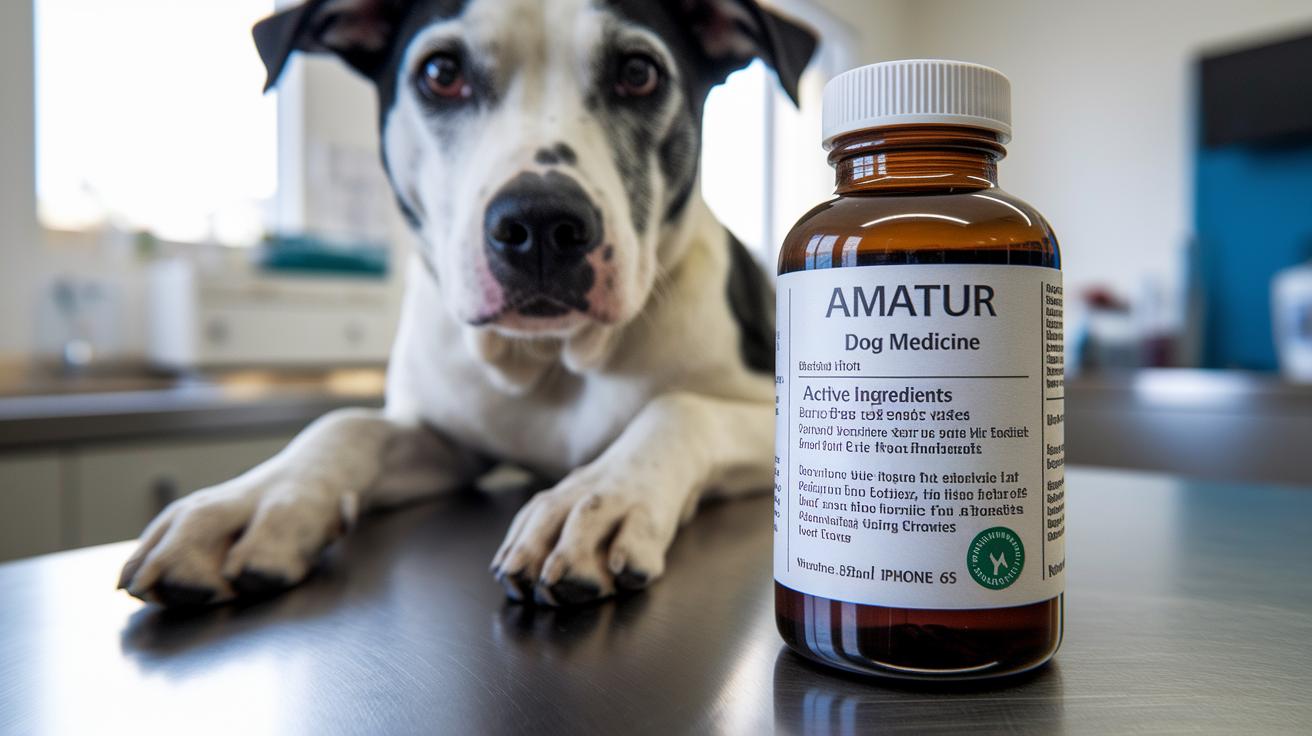
When picking supplements, start by checking the label. Look for a list of active ingredients and note if herbal extracts are made to a set strength (potency) and cleaned for purity. A third-party quality mark on the label is a good sign. It shows that the product is safe and consistent for your dog.
Choose products that are clinically tested and come from trusted makers. These formulas and blends have been backed by scientific research. Vet reviews and clinical trials show that they do what they promise. When a product is well-tested, you can feel sure you are giving your dog safe support for its kidney issues.
Talk with your vet to build a custom plan for your dog. They will help pick a supplement that fits your dog's age, size, overall health, and kidney disease stage. This personalized approach makes the support more effective and safe. Working with a trusted vet keeps your dog's overall care in balance.
Integrating Diet, Hydration, and Supplements for Dogs with Kidney Disease

When choosing food for your dog, pick meals that are low in phosphorus and salt but full of omega-3 fatty acids and quality proteins. These foods help take some of the stress off the kidneys while giving your dog the nutrients they need. Try changing the food slowly. Start by mixing a small amount of the new renal-support diet (about 25%) with the old food (75%) so your dog can get used to it.
Keeping your dog hydrated is key for kidney health. Always have fresh water available to help flush out toxins and support the kidneys. If your dog is not drinking enough, you might add a little broth without salt to encourage more sips. A cool drink can really help the kidneys do their job.
It is also important to mix in any supplements with your dog's food. Adding vet-approved supplements into meals makes it easier to help your dog get balanced nutrition. When you serve a renal diet with the right supplements, you turn every meal into an extra boost of care for your pet.
Final Words
In the action, we explored how targeted nutrients help enhance kidney function and overall well-being for our furry friends. We broke down key benefits like improved kidney function, reduced inflammation, and better hydration, all vital for dogs managing kidney challenges.
We also detailed proper dosing, safety tips, and how supplements for dogs with kidney disease can work hand in hand with a balanced diet and regular vet guidance. Every step is a small leap toward a healthier, happier pet life.
FAQ
What are some of the best kidney supplements for dogs?
The best kidney supplements for dogs combine omega-3 fatty acids, antioxidants, and herbal extracts. They boost kidney function, reduce inflammation, and support hydration for improved overall renal health.
How do natural and herbal supplements benefit dogs with kidney disease?
Natural and herbal supplements use ingredients like cranberry, dandelion, and nettle to ease oxidative stress and calm inflammation. They offer gentle support for dogs managing kidney disease.
How does AminAvast Kidney Support benefit dogs?
AminAvast Kidney Support is designed for dogs to lower oxidative stress and support kidney function. It provides a balanced blend of nutrients that help ease the workload on the kidneys.
How does Azodyl support dog kidneys?
Azodyl for dogs works by reducing toxin buildup that strains the kidneys. It uses targeted enzymes and probiotics to enhance the removal of waste, thereby supporting smoother kidney function.
What should I look for in kidney support dog food?
Kidney support dog food is typically low in phosphorus and sodium and enriched with omega-3s. It helps slow kidney decline and provides balanced nutrition while supporting hydration and overall kidney health.
What do dog owners on Reddit recommend for kidney support supplements?
Many Reddit dog owners recommend supplements featuring omega-3s, antioxidants, and herbal blends. They value products with clinical backing and positive user feedback for reliable kidney support.
What supplement is good for dog kidneys?
A good dog kidney supplement contains omega-3s, antioxidants, and herbs. This mix helps lower inflammation, ease oxidative stress, and support overall kidney function effectively.
What should I avoid giving my dog with kidney disease?
You should avoid foods high in phosphorus and non-prescribed vitamins, as well as toxic items like grapes, raisins, onions, or garlic. These can worsen kidney strain and cause adverse reactions.
How can I improve my dog’s kidney function?
You can improve kidney function by adding targeted supplements, offering a kidney-friendly diet, ensuring proper hydration, and following your veterinarian’s advice closely.
What is the life expectancy of a dog with kidney disease?
Life expectancy varies with disease stage and treatment quality. With proper care, many dogs live a good quality life for months or even years after a kidney disease diagnosis.