


Ever wonder if your Border Collie is all set to shine? Training is more than just teaching commands. It builds trust and sparks progress that lasts.
Starting with simple steps like sit and come makes a big difference. You form good habits and create a bond with each treat and kind word.
This guide walks you through the basics to set a strong stage for positive change. Ready to join your clever Border Collie on a fun, focused training adventure? Let's get started.
Border Collie Training Fundamentals: A Quick-Start Guide
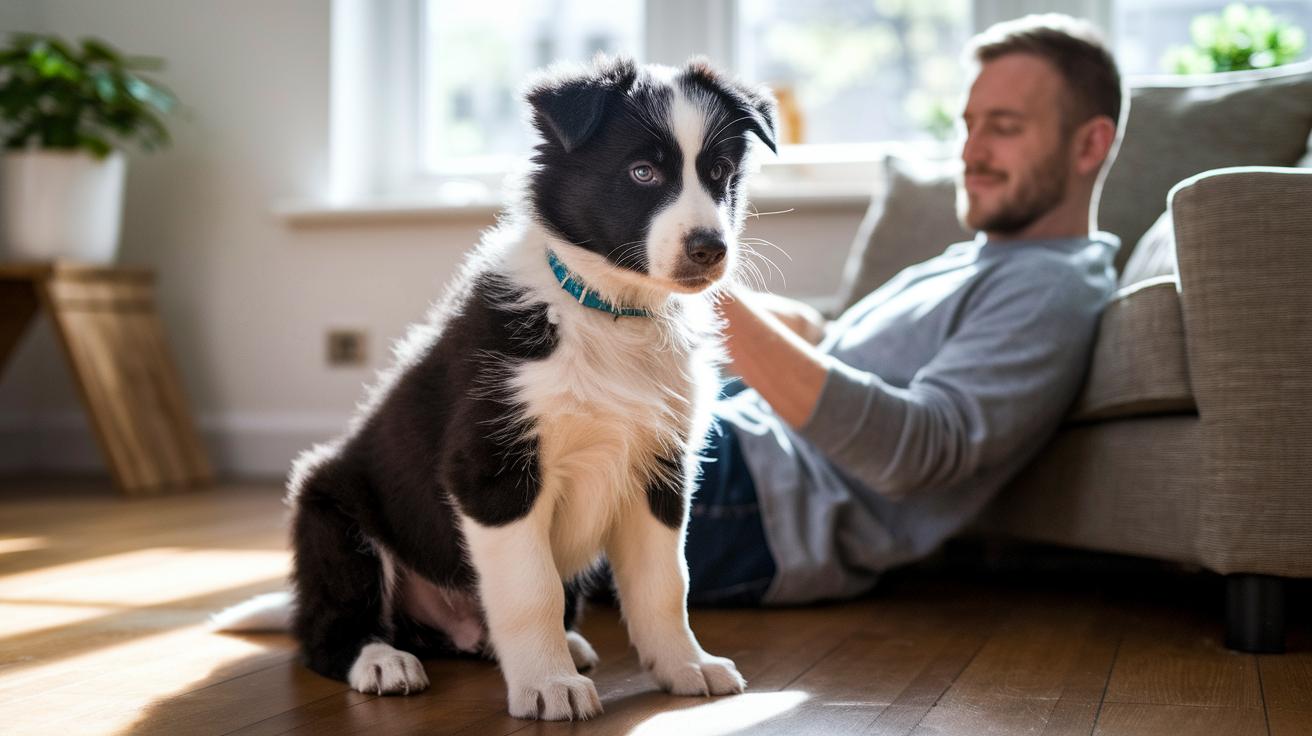
At around 12 weeks old, your Border Collie is ready for formal training. This is a great time for you to join in. Start with basic commands like sit, come, and lie down. For example, say, "When you hear 'sit,' sit down before entering or leaving the house." Remember, training is a journey. It takes consistent time, patience, and love from both you and your pup.
Tools and timing are very important. Use rewards like treats, praise, and play to encourage your dog. Many pet parents love to use dog training treats when their dog gets a command right. Other useful tools are:
- Tennis balls for fun play
- A clicker or whistle for clear signals
- A crate to give your pup a safe space (crate training a puppy)
Start leash training around 10 weeks with short sessions of 5-10 minutes after playtime. This helps manage energy and keeps your dog focused. Each training session builds good habits and a stronger bond with your furry friend.
Structuring Obedience Command Basics for Border Collies

Start with simple commands like "sit." Ask your Border Collie to sit before you go in or out. This small step builds mutual respect and sets a calm tone. The "come" command is just as important. It should work every time, even with a few distractions, just like when Tess came running back after a deer startled her.
Next, work on leash manners early. Try short training sessions around 10 weeks old with lots of praise and treats. When your pup is about 4 months old, begin recall training. Start in a quiet space and slowly add distractions as your dog learns. These simple, steady steps help make training fun and effective.
Here are a few steps to follow:
| Step | Description |
|---|---|
| 1 | Pick a quiet spot with no distractions. |
| 2 | Use treats and kind words to reward a good recall. |
| 3 | Slowly increase the distance as your dog gets better. |
| 4 | Add light distractions once your dog reliably responds. |
| 5 | End each session on a happy note. |
Good leash manners and a strong recall make daily walks smoother. A short, focused training session helps your Border Collie stay alert in busy places. By keeping a regular routine and rewarding progress, you help your pet become a respectful and loving companion.
Leveraging Herding Instincts in Border Collie Puppy Development
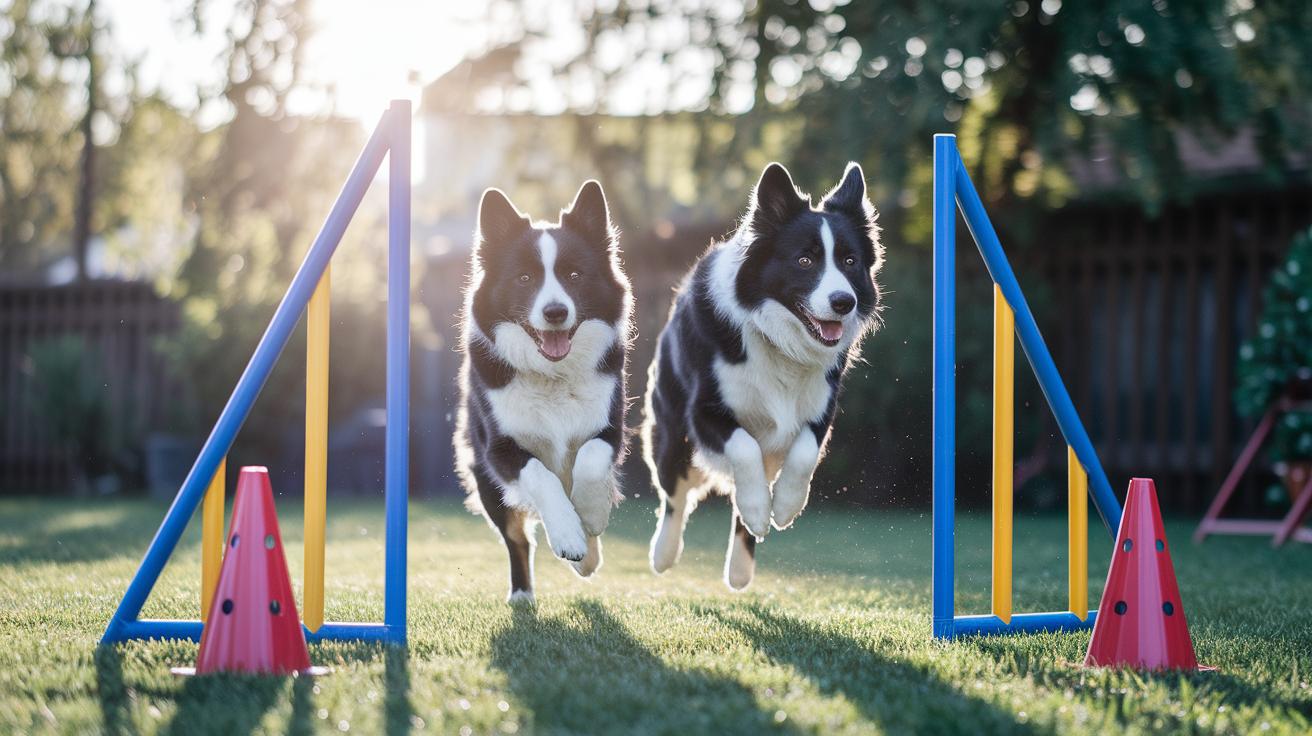
Border Collies come from a long line of herders, so they have a natural urge to round things up. This instinct can sometimes lead to nipping or chasing if it isn’t guided the right way. We suggest using fun drills and agility games to help your pup use that energy. With games like jump-and-weave or a playful fetch, your dog burns energy while building focus and discipline.
| Drill | Equipment Needed | Target Skill |
|---|---|---|
| Jump-and-Weave | Hurdles, Cones | Agility and Coordination |
| Frisbee Fetch | Frisbee, Open Field | Focus and Tracking |
| Flyball Sprint | Flyball Set, Timer | Speed and Discipline |
By adding these drills into your routine, you help turn natural herding instincts into a positive force. Structured play builds good habits while deepening the bond between you and your pup. Regular practice shows your furry friend the difference between gentle herding and unwanted nipping. Over time, these fun sessions become special moments of learning and connection for both of you.
Mental Stimulation and Behavior Management for Border Collie Training
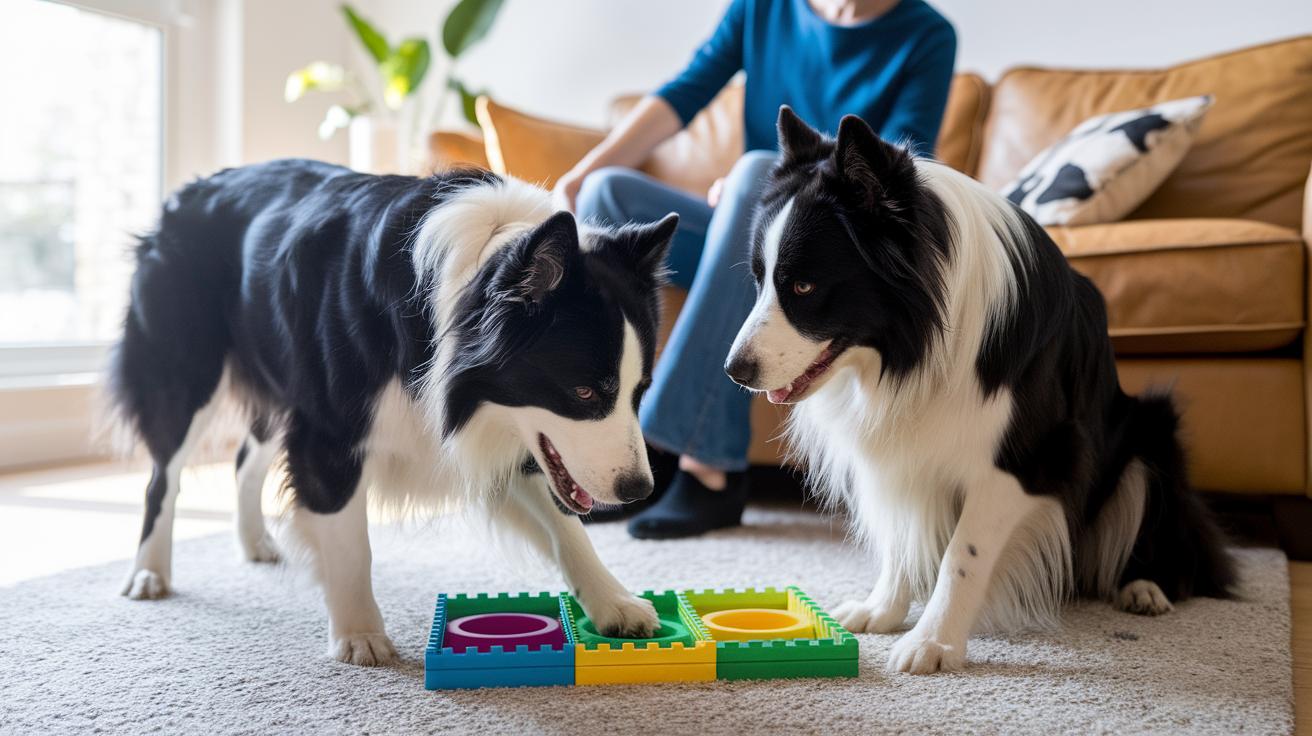
High-energy Border Collies need both physical exercise and brain work. Puzzle toys, fun games, and dog sports are a great way to keep their minds busy. A food puzzle that releases treats can turn playtime into learning time. Regular brain challenges help keep boredom at bay and even stop little mischiefs. They let your pup work on problems while building self-control and focus.
Social time is just as important. Letting your Border Collie meet new people, other pets, and visit new spots builds confidence and softens reactive nipping. A quiet corner or a crate can be a safe retreat when things get too hectic. A calm and steady owner shows your dog that staying relaxed is safe. Small, steady steps like these add up over time and help channel your pup's energy in a positive way.
Advanced Border Collie Training: Beyond Basic Obedience

Once your Border Collie masters basic commands and routines, many pet parents look for ways to take training further. Advanced classes in herding, agility, and tracking let your pup use its natural gifts while channeling that energy into focused work.
A whistle or clicker can be a clear cue from afar. For instance, set up a drill in an open field where your dog responds to a gentle whistle. This builds confidence in long-range obedience and deepens its understanding of your voice and signals.
As your Border Collie becomes more responsive, try mixing in advanced command sequences and agility drills. Exercises like jumping and weaving boost both precision and speed, which are great for competitive events. You can add obstacles that challenge your dog to perform quick commands while moving through a tricky course. These drills sharpen physical skills and help your dog link each command to a specific action. Expert workshops give you hands-on advice and simple, step-by-step techniques that add both discipline and fun to training sessions.
If you are aiming for competitions, field trial practice and certification tips are key. Regular practice with friendly feedback helps pinpoint areas to improve. Set up mock trials to mimic real events and build your dog's stamina and focus under pressure. Many pet parents also join membership services that offer tutorial libraries and live Q&A sessions for ongoing support. These advanced techniques build on your effort and love for training, paving the way for impressive field performances.
Creating a Structured Training Schedule for Border Collie Development

Start by creating a plan that works with your Border Collie's lively nature. Keep training sessions short, about 5 to 10 minutes, right after a walk or playtime. In the first week, focus on house training, establishing a sleep routine, and slowly introducing alone time. For example, after a quick walk, spend a few minutes showing your pup the right spot to rest. This helps set a positive daily routine.
From week 2 to week 8, add new commands and practice on the leash along with some social time. Break the training into clear steps: first, work on basic commands, then practice staying calm while on walks, and finally, introduce brief outings with new people. Balancing exercise with rest keeps your dog engaged without feeling overwhelmed. A well-planned schedule builds skills step by step, letting your Border Collie switch between bursts of energy and calm focus.
Leveraging Digital Canine Courses and Professional Guidance for Border Collie Training

Digital training courses let you learn at your own pace with many fun videos and live Q&A sessions. You can subscribe for around $3.33 a month and get access to a library of skills, progress tracking, and special support made just for border collie training. These online lessons work great with your in-home sessions and fit busy pet parents perfectly. You might even watch a quick video tutorial during a walk and try a new command right away during play.
Virtual workshops bring hands-on advice into your routine. Live sessions and free digital courses share expert tips that boost your confidence as a pet parent. They mix modern online lessons with local, in-person coaching. Look for dog coaching with a solid reputation for clear instructions and positive reinforcement that matches your border collie’s spirited energy and smarts.
Here are a few tips to balance free and paid resources:
- Blend free online tools with trusted local sessions.
- In-home dog courses offer a comfy space to learn.
- Online platforms add advanced techniques to your toolkit.
This mix of digital and on-site coaching helps you and your pup learn together. Regular sessions, both online and in-person, keep training fun and build a strong bond between you and your border collie.
Final Words
In the action, we covered the essentials to build a solid training plan, from basic commands and leash manners to guiding herding instincts and boosting mental stimulation. We shared step-by-step techniques and digital resources to support your journey. With clear timing and positive reinforcement, each tip is designed to enhance border collie training and help your pup thrive. Every step builds confidence and brings you closer together. Enjoy the moments and celebrate the progress along the way.
FAQ
Border Collie training near me
When you search for Border Collie training near you, you’re looking for local classes and trainers who offer in-person sessions tailored to your dog’s energy and learning style. Check local pet centers and community boards.
Border Collie training schedule
When you ask about a Border Collie training schedule, it means using short, focused sessions—typically 5–10 minutes after exercise—with regular practice to build commands step by step while keeping your dog engaged.
Border Collie training at home
When you mention Border Collie training at home, you’re referring to using your living space for structured lessons. Incorporate fun games, treats, and clear commands to build solid obedience daily.
Free Border Collie training
When you look for free Border Collie training, you’re seeking cost-free resources like online videos, articles, and community groups. These can offer useful tips and techniques, ideal for new pet parents exploring training methods.
Border Collie training for beginners
When you ask about Border Collie training for beginners, you’re starting with basic commands like “sit” and “come.” Utilizing treats, praise, and a steady routine helps create a strong training foundation.
Border Collie training videos
When you search for Border Collie training videos, you’re looking for visual guides that show step-by-step techniques. These videos offer clear demonstrations to help you effectively teach and reinforce commands.
Border Collie training book
When you ask for a Border Collie training book, you’re seeking a resource that explains training techniques simply. A useful book will provide step-by-step instructions, real-life examples, and tips from experienced trainers.
How to train a Border Collie to come when called
When you ask how to train a Border Collie to come when called, start by practicing in a quiet space with short distances. Use treats, praise, and gradually introduce distractions to build a reliable recall.
Are Border Collies easy to train?
When you wonder if Border Collies are easy to train, know that they’re smart and eager to please. Their high energy means they learn quickly with mental stimulation and consistent, positive guidance.
What not to do with Border Collies?
When you ask what not to do with Border Collies, avoid harsh corrections, inconsistent commands, and pushing them too hard. Instead, use gentle, positive reinforcement to help them thrive and learn effectively.
How many commands can a Border Collie learn?
When you ask how many commands a Border Collie can learn, understand that these clever dogs can master dozens of commands when training is consistent and fun, constantly challenging their natural intelligence.
What’s the hardest breed of dog to train?
When you ask which breed is the hardest to train, it often depends on individual temperament, though some breeds may be more stubborn. Training success relies on patience, consistency, and understanding your dog’s unique needs.
How do Border Collies compare to breeds like Australian Shepherd, Golden Retriever, Belgian Shepherd, Labrador Retriever, and German Shepherd?
When comparing Border Collies with Australian Shepherds, Golden Retrievers, Belgian Shepherds, Labrador Retrievers, and German Shepherds, each breed has its strengths and challenges. Training methods differ based on energy, intelligence, and natural instincts, so choose the approach that suits your dog best.