


Ever notice how walks with your dog can feel like a tug-of-war? With a few simple tips, you can turn that struggle into calm, happy strolls. Use a tasty treat and patient steps to help your dog feel safe with its collar and leash. When the leash is slack, your pup can explore without any pressure. It makes every walk a peaceful adventure. Ready to change chaotic outings into relaxed moments together? These dog leash training tips help you build fun, stress-free walks with your best friend.
Dog Leash Training Tips: Enjoy Peaceful Walks
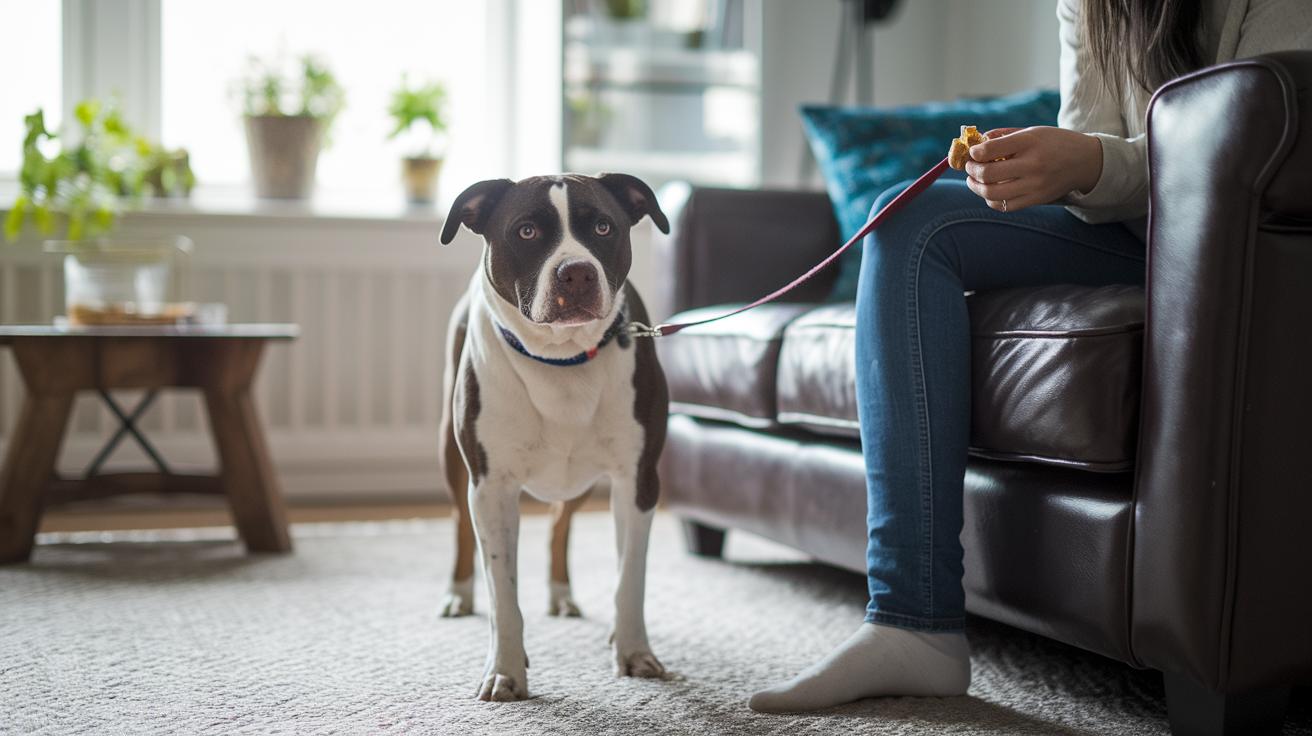
Let's begin with some dog leash training tips that help you and your furry friend enjoy calm walks. We use treats to help your dog get comfortable with the collar, harness, and leash. This way, your pet starts to think, "Hey, this is fun!" and training becomes a breeze.
A loose, slack leash is important. When the leash isn't tight, your dog feels less pressure and is less likely to pull. Research even shows that longer leashes let your dog explore with sniffing and help keep their heart rate relaxed. Start indoors where there are fewer distractions, and break the training into small, simple steps. For example, reward your dog when they walk calmly or trot neatly within 3 to 6 feet of you.
Here are six easy steps to turn training into a peaceful routine:
- Let your dog wear the collar or harness off leash so they can get used to it.
- Attach the leash indoors and practice walking with a loose line.
- Teach a check-in cue by holding a treat at your side to keep your dog focused.
- Move to a quiet outdoor spot and continue reinforcing a slack leash.
- Gradually increase the walking distance while adding mild distractions.
- Practice a short training session daily to build lasting habits.
With gentle control and plenty of rewards, you'll soon master these basics and enjoy calm, rewarding strolls with your best friend.
Dog Leash Training Tips: Gear Selection for Collars, Harnesses, and Leashes
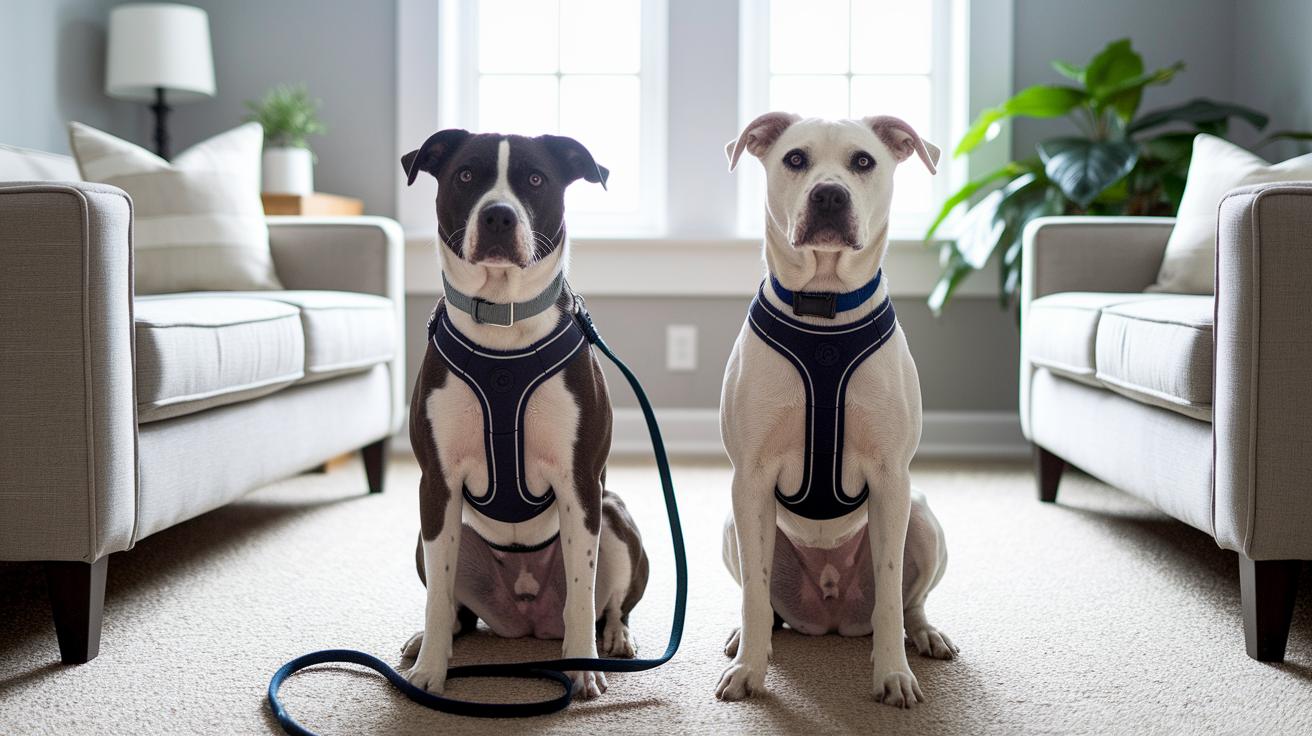
Collar vs Harness
Let your dog try the collar or harness at home before you use it on walks. This way, they can get used to wearing it. If your pup walks nicely with a collar, a back-clip collar works well. But if your dog pulls or has a sensitive neck, a front-clip harness or one made to reduce pulling gives you better control and keeps their neck safe. For dogs that really pull, a front D-ring harness can help guide your dog back to you when they're excited. Think of it like a gentle guide, not a strict command.
Leash Types and Lengths
A leash that is 6 to 10 feet long gives your dog room to sniff and explore, which can help them learn to walk with a relaxed, slack leash. A 4 to 6 feet leash is great when you need closer control during training. You can also choose from adjustable or retractable leashes for extra flexibility, but be careful, retractable leashes may tangle if you're not cautious. Check out our pages on Types of Dog Leashes and Adjustable Dog Leashes to see your options. Picking the right gear makes every walk safer and more enjoyable for you and your pet.
Positive Reinforcement and Gentle Control Methods in Dog Leash Training
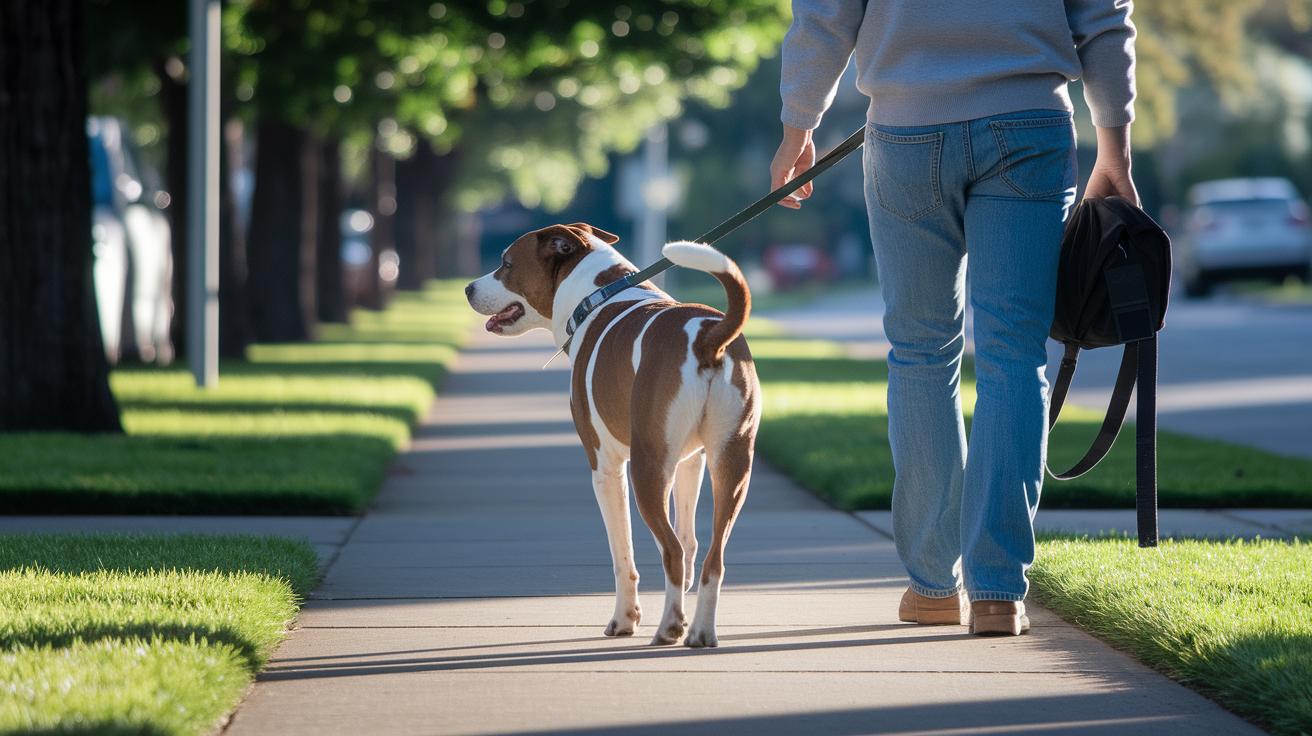
We believe in using more advanced positive reinforcement to build a strong bond with your dog. Instead of using basic treat and praise routines all the time, try noticing and rewarding even small changes. These little wins can help lessen nervous energy and reduce leash pulling.
For example, if your dog glances back at you before pulling, say, "Nice check" and offer a treat. This simple praise builds trust and helps your dog learn to calm down on their own. One pet parent even shared that celebrating small pauses made their dog more relaxed and attentive on walks.
Here are some tips:
- Reward small improvements and add brief check-ins.
- Change the timing of treats to encourage longer calm moments.
- Combine verbal praise with a bit of play to keep training light and fun.
| Technique | Advanced Tip |
|---|---|
| Treat Timing | Change timing to encourage longer calm periods |
| Check-in Cues | Reward quick pauses to help your dog manage excitement |
If you face challenges like persistent pulling or high energy during walks, take a pause and watch your dog's body language. Adjust your reward routine to match what they need. This force-free approach supports both your dog's emotions and physical control.
Troubleshooting Common On-Leash Behavior Issues

When your dog pulls, lunges, barks, or gets distracted, stop your walk right away. Pause until things calm down. This helps your dog learn that pulling ends the fun, while calm behavior brings rewards. For dogs who pull a lot, a front-clip harness can gently guide them without harsh tugging. Consistency matters. A quick redirection with a calm voice stops your dog from getting more excited.
For example, if your dog lunges suddenly, call them back with a word like "come" or "check." Once they settle, offer a treat. This makes training smoother and turns each step into a positive experience.
| Issue | Solution |
|---|---|
| Pulling | Stop and wait for a slack leash, then reward |
| Lunging | Use a familiar check-in cue |
| Barking | Pause the walk and praise quiet moments |
| Distracted Sniffing | Give a verbal cue to refocus |
Keeping a calm and steady routine helps your dog feel more relaxed on busy outdoor walks.
Adapting Dog Leash Training Tips for Different Breeds and Ages

You can start your training journey with a collar as early as eight weeks. Formal leash training usually kicks in when your pup is 12 to 16 weeks old. Every dog is unique. Their breed, age, and personality shape how they learn. Keep it consistent, because it might take a few days or even months for your furry friend to get the hang of walking on a loose leash.
Large Breed Routines
For bigger dogs, a sturdy front-clip harness works best. It keeps your pup’s neck safe and gives you better control. Try doing three short, focused sessions each day that include simple exercises to build strength. A slower pace lets your dog build muscle and feel more confident. Even one minute of focused training can grow into longer, steadier walks over time. Think of it as stacking little wins that add up fast.
Small Breed & Puppy Protocols
Small breeds and puppies do well with a lightweight collar and quick indoor sessions lasting 5 to 10 minutes in a calm space. Rewarding them often with treats or praise helps them learn fast and feel at ease with their leash. As your little one gets more comfortable, gradually try taking the training outside. This lets them adjust to new sounds and sights without feeling overwhelmed. Each tiny success is a big win for your little friend.
Advanced Dog Leash Training Tips for Outdoor Safety and Distraction Management

Start your training in calm outdoor spots like fenced parks or quiet streets. These peaceful areas help your dog build confidence while learning new skills. Once your dog feels safe, slowly move to busier areas with more activity.
Begin with a long leash (about 10 ft) so your dog gets a safe taste of off-leash freedom. This extra space lets your dog explore but still listens to your commands. Keep the leash slack to encourage calm walking by your side. Adjust your pace to match your dog's comfort, so sudden stops or changes don’t startle them.
Here are some tips to remember:
- Walk in places with few distractions first, then try busy routes.
- Use treats your dog loves when distractions pop up.
- Slowly introduce urban elements like bicycles, traffic, and crowds.
- Reward calm walking with praise and treats.
Teaching these skills in a controlled setting builds trust and confidence. Soon, your dog will handle urban adventures with focus and calm.
Final Words
In the action, we covered everything to help you master dog leash training tips. We broke down the process into simple steps, shared gear advice, and highlighted the power of positive reinforcement.
We learned that small wins lead to stress-free walks. Keep practicing these gentle techniques. Your pet will soon enjoy calm strolls while you feel confident and supported every step of the way.
FAQ
How do I train my dog to walk on a leash without tugging, and how do I stop my dog from pulling on the leash while walking?
Training your dog to walk without tugging means rewarding calm walking. You stop when your dog pulls, then resume once the leash is slack. Use treats and praise to build loose-leash habits.
How do I leash train an adult or older dog to walk without pulling?
Leash training an adult or older dog means starting gently. Introduce treats and a check-in cue and practice in low-distraction areas, gradually adding new sights to boost focus and reduce pulling.
How do I train a puppy, especially for the first time, to walk on a leash without pulling?
Puppy leash training should start indoors with short sessions. Reward calm behavior, using treats and praise near eye level, then slowly move outdoors to build a habit of a slack leash.
What is the 10-10-10 rule for puppy training?
The 10-10-10 rule in puppy training generally means 10-minute sessions, 10 repetitions, and 10 treats to keep training engaging. Adapt these numbers based on your puppy’s focus and energy.
What is the 5 second rule for walking dogs?
The 5 second rule for walking dogs suggests rewarding your dog within five seconds of good behavior. Quick, timely rewards help build a positive connection between calm walking and treats.