

Ever worry you might be overdoing it by changing your kitty's litter too often? Keeping the box clean not only keeps your home smelling fresh, but also makes your cat feel safe and loved. It may seem like extra work, but a good routine can really help. In this guide, we share simple tips on when to change the litter, whether you're using clumping, non-clumping, or silica-crystal types. We're here to help make litter care easy so your furry friend stays happy.
Determining the Right Frequency to Change Cat Litter
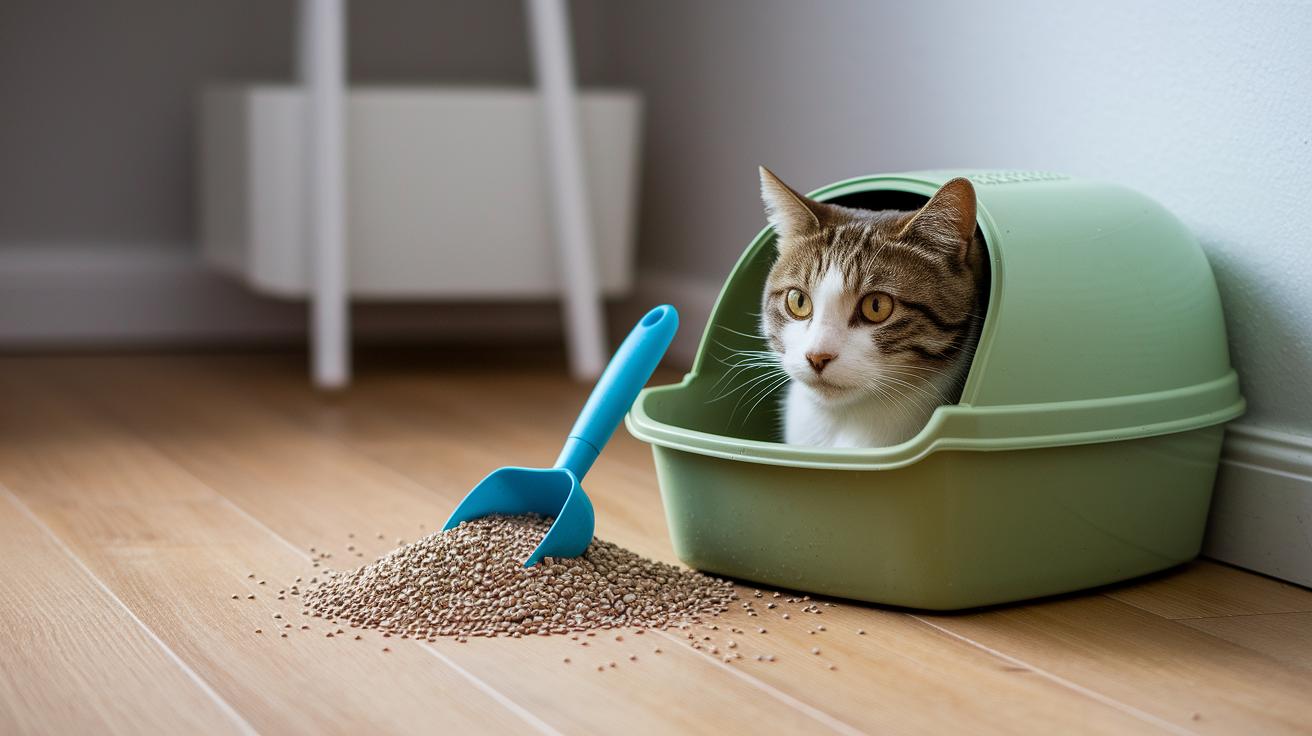
Keeping your home fresh and your cat happy means daily scooping is a must. For one cat using clumping clay litter, give it a full change every 7 days. With more cats, extra waste calls for a new litter every 3 to 5 days so your kitty always feels comfy.
If you’re using non-clumping litter with odor-fighting additives like baking soda or charcoal, the full change can be pushed out to every 10 to 14 days. Still, scoop every day to keep bacteria away.
Silica-crystal litters hold liquids well and can last up to 30 days. But don’t skip removing clumps and solid waste each day. If you catch a strong ammonia smell, it’s a sign to change the litter sooner.
Think of your cat’s litter box like a quick cleaning routine. A clean box makes for a happier pet and a fresher home.
Key Factors Influencing How Often You Change Cat Litter
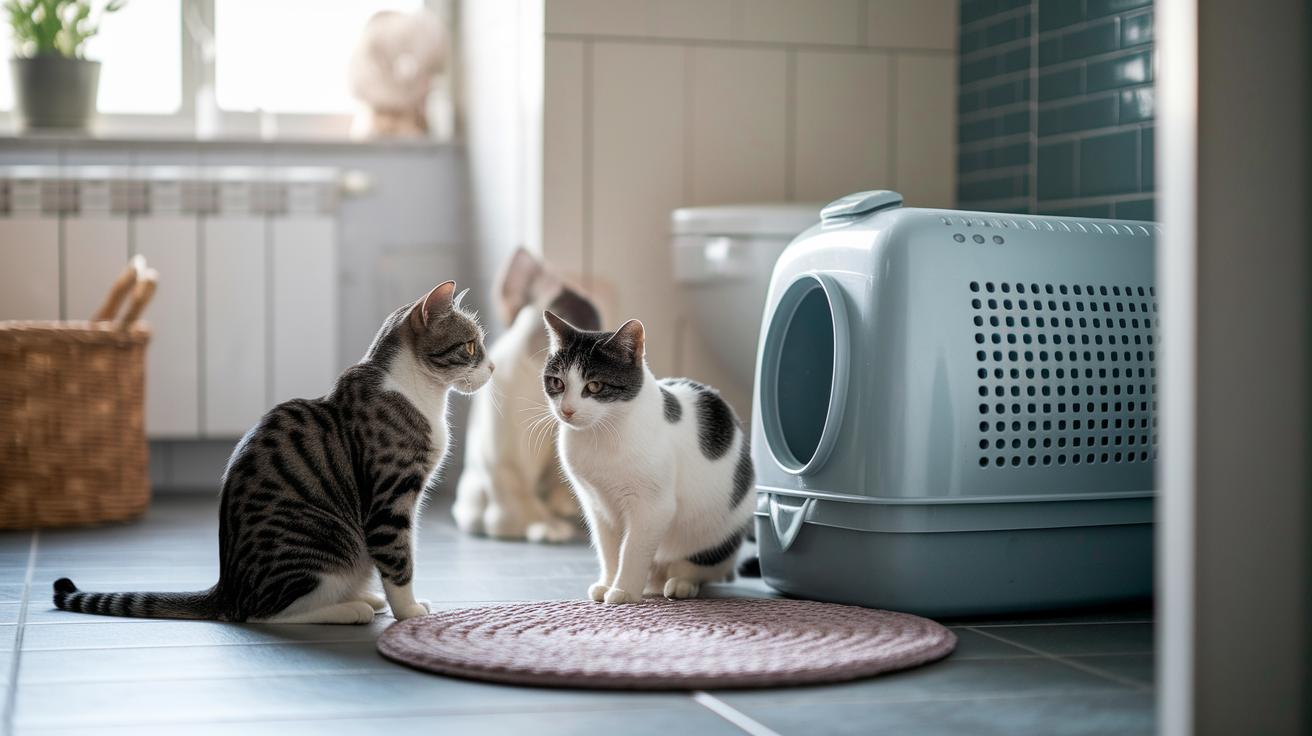
How often you change your cat's litter depends on a few simple things. First, the number of cats sharing a box matters a lot. If each cat has its own box or has been tested to share well, you might get away with fewer full changes. But if several cats share one box, waste builds up fast, so plan on changing it more often.
The type of litter box you have is important too. A box you scoop by hand needs regular cleaning. Even self-cleaning boxes still need a complete litter change on a set schedule. Your vet may suggest how often you should change the litter to keep your pet healthy.
Every cat is different. Some cats use their box more or make more urine, which can lead to a stronger ammonia smell. That sour scent is a clear sign it’s time for a fresh change. Also, if you live in a warm or humid home, bacteria grow faster, and you may need to change the litter more frequently.
- One box per cat or boxes that are comfort-tested for sharing
- Pick a litter box type that fits your routine and home
- Watch for strong smells as a cue to change
By paying attention to these details, you can keep your cat's space fresh and healthy, and that makes life easier for both you and your pet.
Scheduling Litter Changes by Litter Type: Clumping, Non-Clumping & More
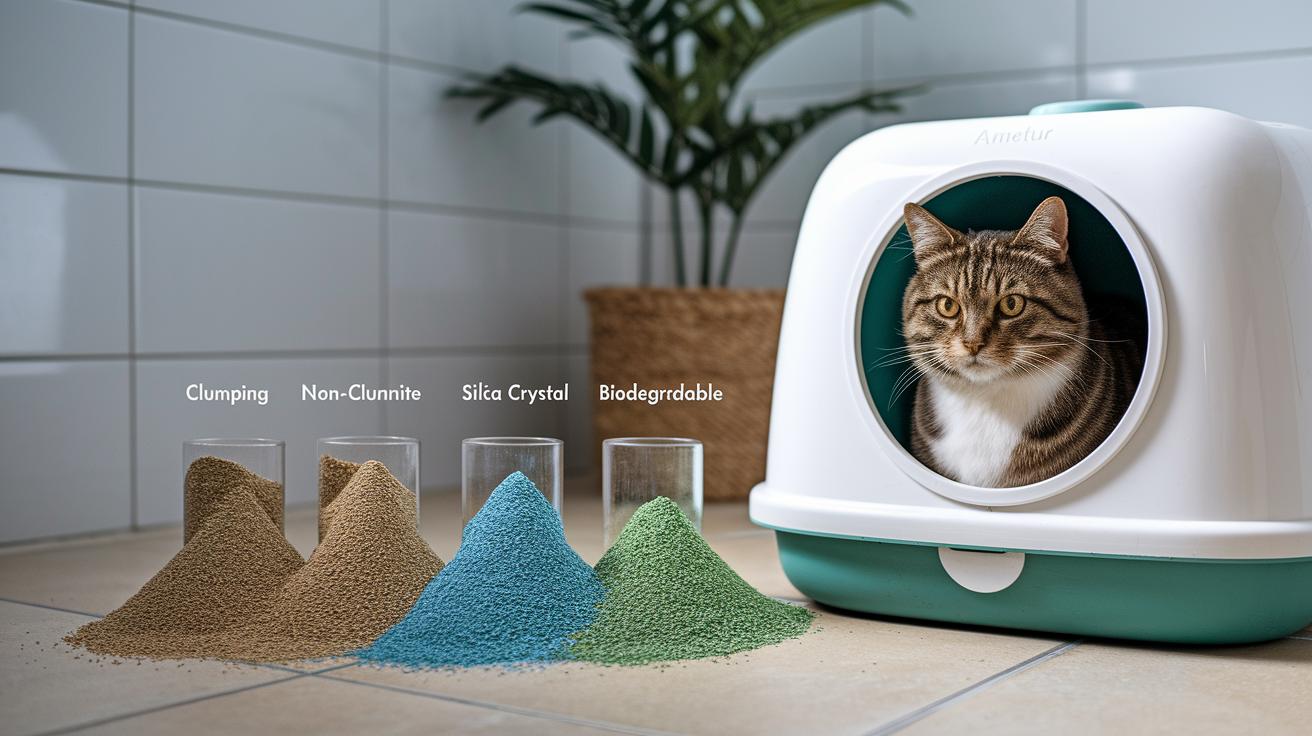
Your cleaning routine should fit the type of litter you use. Clumping bentonite cat litter (see clumping cat litter) does a great job trapping odors. With one cat, changing it once a week works fine. If you have several cats, scooping every 3 to 5 days is best.
Non-clumping clay litters often include helpers like baking soda or charcoal to fight smells. For these, swap in fresh litter every 10 to 14 days to keep buildup at bay.
For silica crystal litters, scoop out waste every day and do a full change each month. Biodegradable litters made from corn, pine, or walnut are eco-friendly (see eco-friendly cat litter). They may not clump as strongly, so it’s best to change them every 7 to 10 days.
| Litter Type | Change Frequency | Pros | Cons |
|---|---|---|---|
| Clumping Bentonite | Weekly (one cat) or every 3–5 days (multiple cats) | Traps odors well; easy to scoop | Not eco-friendly |
| Non-Clumping Clay | Every 10–14 days | Has odor-fighting additives; budget-friendly | Clumps less effectively |
| Silica Crystals | Monthly with daily scooping | Great liquid absorption; low dust | Higher cost; no clumping |
| Biodegradable (corn, pine, walnut) | Every 7–10 days | Eco-friendly; gentle on paws | Less effective clumping |
Step-by-Step Process to Change Cat Litter
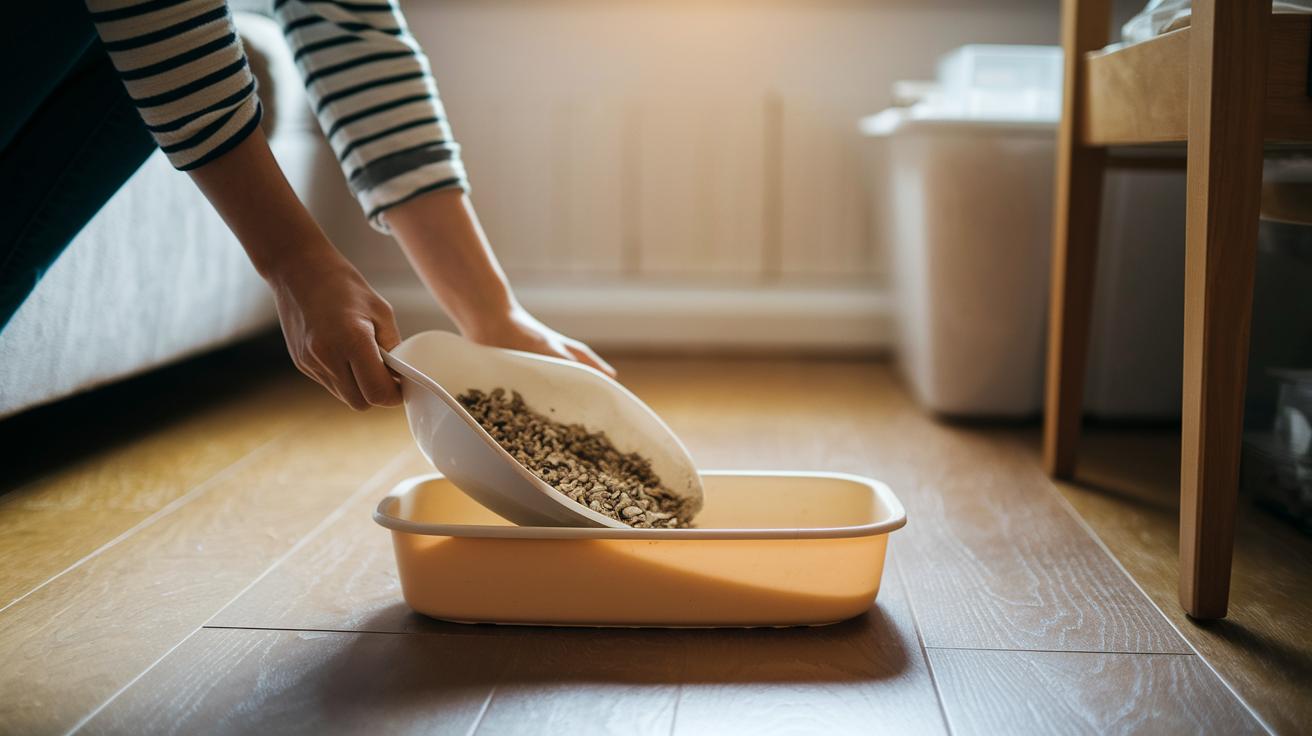
Step 1: Remove Waste and Scoop
Start by scooping out the solid waste and clumped litter. This helps keep bad bacteria at bay. Use a scoop that easily lifts most of the mess, leaving just a bit behind for later.
Step 2: Empty and Dispose of Old Litter
Dump the leftover litter into a trash bag. Make sure every bit of soiled litter is gone. This stops unwanted smells and keeps old litter from mixing with the new.
Step 3: Clean and Sanitize the Box
Wash the box with warm water and a mild soap. Avoid strong cleaners because they can be harsh on your cat's nose. This gets rid of stains and germs, leaving the box fresh.
Step 4: Dry and Inspect for Damage
Dry the box well with a clean towel. Then, check for any cracks or wear. A dry, undamaged box helps stop moisture and odors.
Step 5: Refill and Position for Use
Fill the box with 2-3 inches of fresh litter. Spread it out evenly so your cat has a comfy space. Then, put the box back in a quiet area where your cat feels safe.
Odor Control and Sanitary Upkeep After Changing Cat Litter
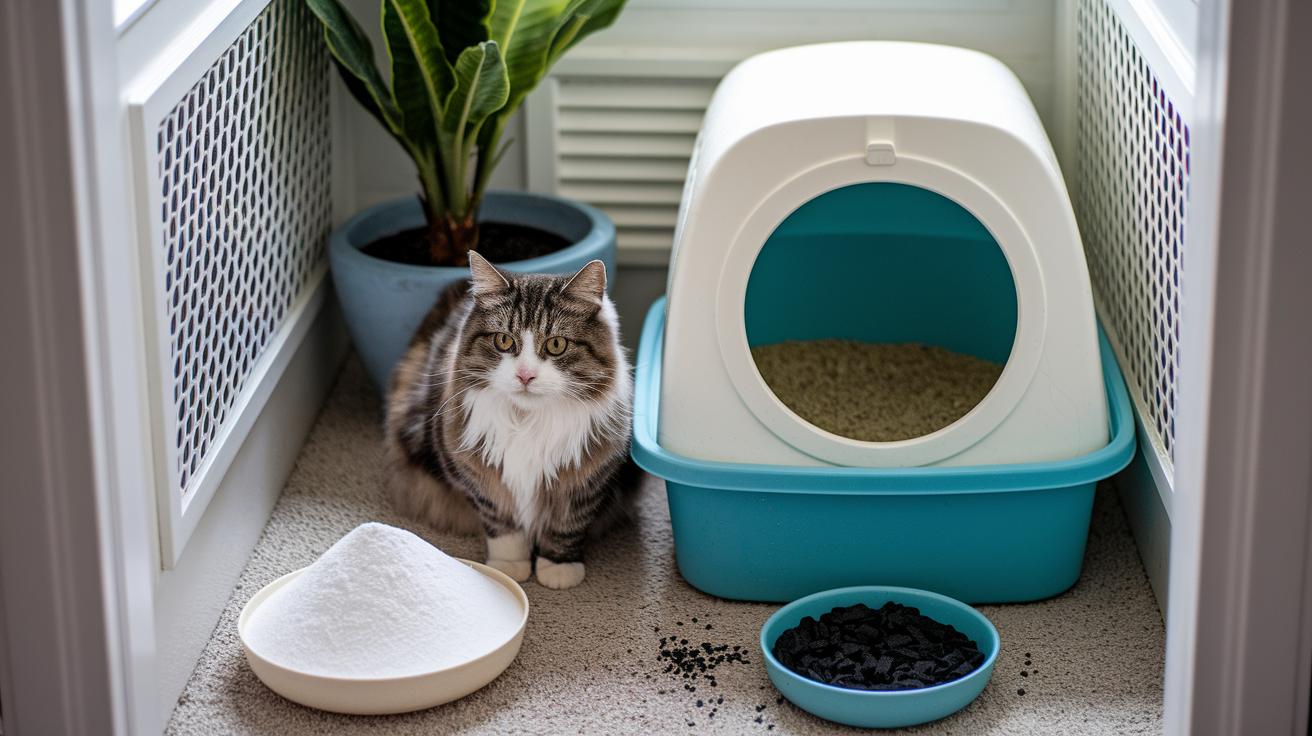
If you notice a strong ammonia smell, it’s a clear sign that your cat’s litter box needs a little extra care. When that odor pops up, try scooping more often or even changing the litter sooner than you planned. A little sprinkle of baking soda or a bit of activated charcoal works wonders by soaking up bad smells naturally before they turn into a strong odor.
Unscented litter is a great pick for kitties who might be bothered by chemical scents. It helps keep your fur baby calm and comfy. Also, placing the litter box in a low-traffic, well-ventilated spot can help control moisture and stop odors from building up. These small tricks keep your home smelling clean and welcoming.
A tidy litter box makes your cat happier and feels like a safe spot. Regular cleaning stops bacteria from growing and keeps the area fresh. When you take care of the litter box, you’re not just making your cat’s day better, you’re keeping your whole home more inviting too.
Sustainable Renewal Timeline and Cost-Saving Strategies for Changing Cat Litter
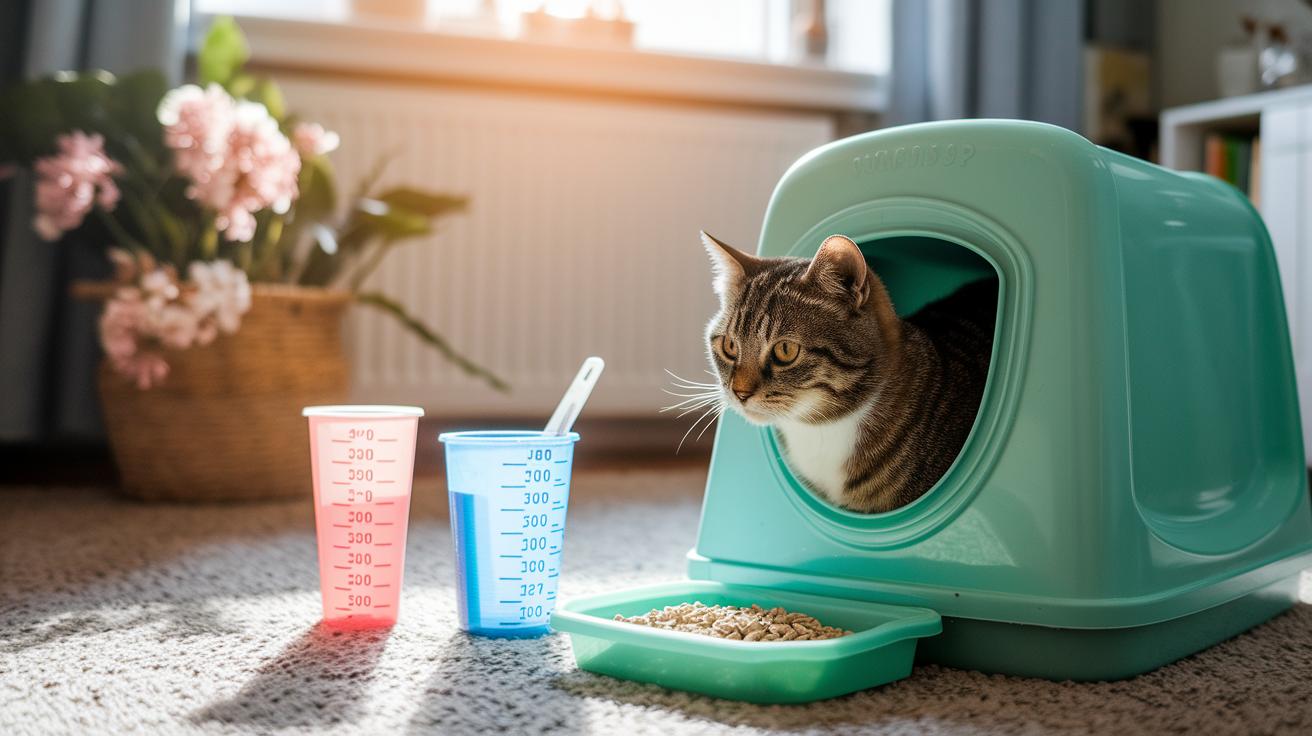
Planning ahead saves time, money, and helps protect our planet. With auto-delivery, you'll always have fresh litter when your cat needs it, and you might even save a few dollars along the way.
One neat trick is to blend a little used litter with new litter. Try mixing one part used litter with three parts fresh litter. This simple mix keeps your cat's box clean, cuts costs, and lessens waste.
Weather plays a role too. In hot, humid days, you might need to change the litter more often to keep odors away. In cooler weather, you can stretch the time a bit longer. Tweaking your routine based on the season helps keep everything fresh.
Don't forget proper disposal. Bag the clumps if you're recycling them or toss them in the trash correctly. This small step helps reduce your environmental footprint.
- Subscribe for on-time, discounted refills
- Mix used with new litter for cost savings
- Adjust change intervals with the seasons
- Dispose of waste properly to cut your footprint
Final Words
In the action, we explored practical steps and clear guidelines for keeping your pet’s litter box fresh. We broke down routines for single or multiple cats, compared clumping to non-clumping options, and examined key cleaning steps for odor control.
By understanding how often to change cat litter based on your pet's needs and your home environment, you can keep things simple and hygienic. With manageable routines and eco-friendly tips, you’re all set to ensure a happy home for your furry friend.
FAQ
Q: What is the best cat litter?
A: The best cat litter depends on your cat’s needs and your cleaning routine. Options include clumping, non-clumping, crystals, wood pellets, and eco-friendly types. Evaluate based on ease of cleaning and odor control.
Q: How often do cat owners on Reddit say to change cat litter?
A: Reddit users commonly suggest a full litter change every 7 days for clumping litter with daily scooping, but frequency can vary based on litter type, cat count, and odor levels.
Q: How often should I change a clumping litter box?
A: For clumping litter, the box is typically changed weekly for one cat and every 3–5 days in multi-cat homes, with daily scooping to trap odor and waste.
Q: How often should I change cat litter for two cats?
A: For two cats using clumping litter, a complete change every 3–5 days is recommended, along with daily scooping to keep the box fresh and odor-free.
Q: How often should I change cat litter crystals?
A: Litter crystals work best when replaced monthly, though you should scoop every day to remove waste and reduce odor buildup in the box.
Q: How often should I change non-clumping cat litter?
A: Non-clumping litter should be completely swapped every 10–14 days, while you continue daily scooping to manage waste and odor effectively.
Q: How often should I change cat litter wood pellets?
A: Wood pellet litter is best changed every 7–10 days, depending on moisture and odor levels. Always scoop daily to extend freshness and reduce smells.
Q: How often should I change cat litter for one cat?
A: For a single cat with clumping litter, a weekly full change is ideal, paired with daily scooping. Adjust frequency if you notice stronger odors or buildup.
Q: How often should I change cat litter entirely?
A: A full litter change is typically done weekly for clumping varieties, 10–14 days for non-clumping types, and monthly for silica crystals, ensuring proper hygiene.
Q: Can you put new litter on top of old litter?
A: You can add new litter gradually to old if your cat tolerates it, but for best hygiene and odor control, a complete cleaning of the box is advisable.
Q: Can I flush cat litter down the toilet?
A: Most cat litters should not be flushed due to plumbing issues and local laws. Only flush labeled flushable litters and always check local guidelines first.
Q: How long does a 40lb bag of cat litter last?
A: A 40lb bag usually lasts around a month for one cat, but usage depends on your scooping frequency, litter type, and the number of cats using the box.