

Ever wonder if a grain-free diet gives your dog a little extra pep? Many pet parents ask about meals that skip grains. They say these diets pack more protein and different kinds of carbs. Others choose foods with grains because they bring natural vitamins and hearty fiber to the bowl. Each option has its own benefits and some drawbacks, kind of like picking between a soft, cozy sweater and a light, cool jacket on a sunny day. In this guide, we look at both choices so you can decide what suits your pup best. Let’s explore dog food options that make tails wag.
Grain-free vs Grain Dog Food: Happy Pups
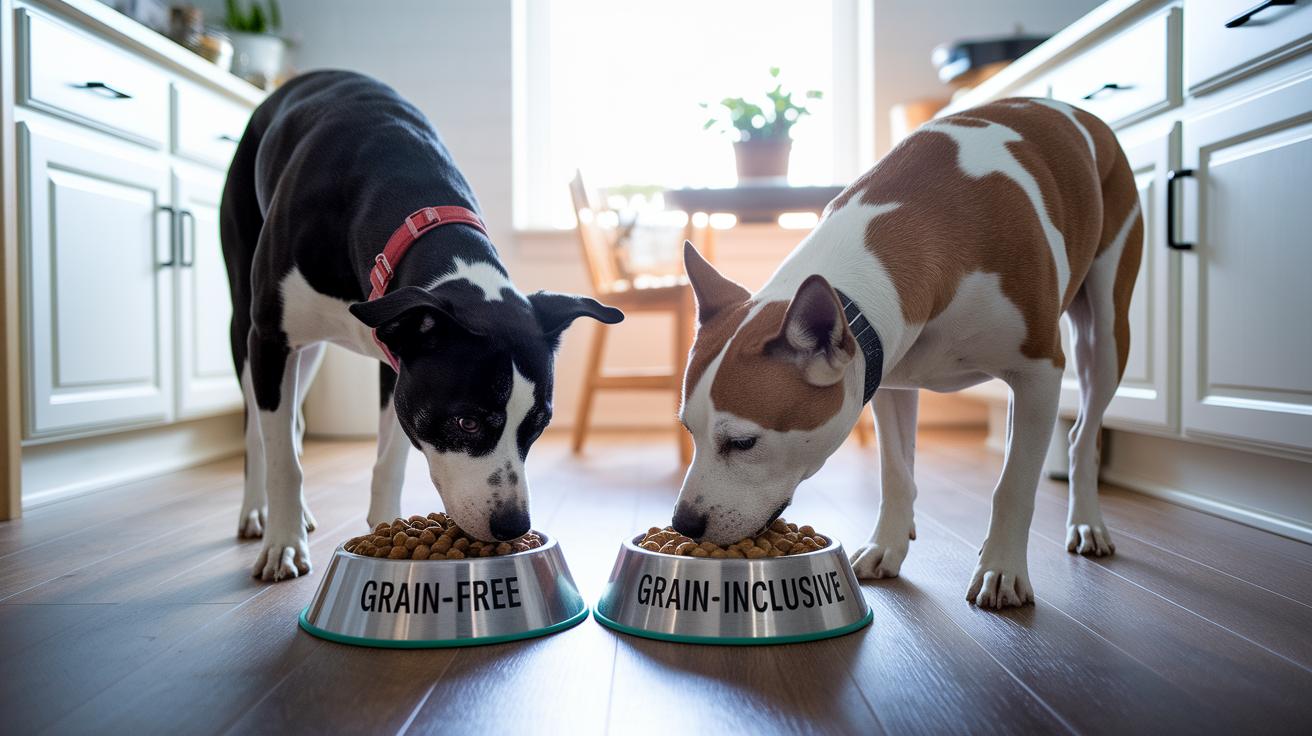
Grain-free dog food skips grains like wheat, corn, rice, and barley. Instead, it uses proteins such as beef, chicken, or fish. It also adds carbohydrates from sweet potatoes, peas, or chickpeas. Some people say this is like a paleo diet for dogs with more protein and different carbs. For instance, you might hear, "Did you know that switching to a grain-free diet helped one pup get more energy and a brighter spirit?"
Grain-inclusive dog food does use whole grains like oats, barley, brown rice, and rye. These grains pack fiber, vitamins, antioxidants, and minerals that give a balanced meal. Many pet parents enjoy this option because it may help with heart health and it can be easier on the budget. You might say, "Switching to a grain-inclusive diet gives your dog a meal full of nature's nutrients."
Both choices have their fans. Some pet parents pick grain-free food to help with sensitive stomachs and better digestion. Others choose grain-inclusive food because it is affordable and full of nutrition. Each type has a few downsides. Grain-free foods can be higher in calories and sometimes may lead to weight gain or nutritional imbalances if not served right. Meanwhile, grain-inclusive foods might not work well for dogs with grain sensitivities. They can also include fillers like refined white rice, which may not add much nutrition.
Every pup is different. Watch your dog's energy and how shiny their coat is. This will help you decide which type of food works best for your furry friend.
Ingredient Profiles in Grain-Free vs Grain Dog Food
Grain-free diets base their carbs on peas, lentils, sweet potatoes, and chickpeas. They also include beef, chicken, or fish for protein and add fibers like chicory root and pumpkin. These ingredients can be easier on your dog's tummy.
Grain-inclusive recipes use ancient grains like oats, barley, brown rice, and millet. They add fiber from whole-grain bran and use similar protein sources. This option gives steady energy and supports heart health.
Key differences can be summarized as follows:
| Nutrient | Grain-Free | Grain-Inclusive |
|---|---|---|
| Carbohydrates | Peas, lentils, sweet potatoes, chickpeas | Oats, barley, brown rice, millet |
| Fibers | Chicory root, pumpkin | Whole‐grain bran |
Both diets add essential vitamins, minerals, probiotics, and preservatives. However, grain-free formulas focus on ingredients that are easier to digest for sensitive dogs, while grain-inclusive recipes offer a balanced, heart-healthy nutrition.
Health and Nutritional Impacts of Grain-Free vs Grain Dog Food

Dogs digest grains even though they are not a must in their diet. Foods with grains offer fiber and vitamins that help keep energy steady and support a healthy heart. Many pet parents pick these diets because they add good nutrients. Yet, refined grains like white rice can sometimes cause quick sugar spikes and may lead to weight gain in less active dogs.
Grain-free recipes cut down on starch to help dogs with sensitive tummies. Dogs with gastrointestinal issues may find that fewer starches lead to better stool and more energy. You might even notice a shinier coat and a happier mood.
But taking grains out completely can remove key B vitamins, fiber, and amino acids that help with metabolism and a strong immune system. A grain-free plan may seem perfect for a dog with sensitivities but might miss the balance that whole grains give.
We recommend keeping a close eye on your pet’s energy and digestion with both types of food. Watch how your dog responds over time. Each pet is different, and the right balance can be the secret to keeping your dog healthy and happy.
Allergies and Sensitivities in Grain-Free vs Grain Dog Food
Most dogs are fine with grains. They often have more problems with proteins found in poultry, beef, or dairy. Some pet parents worry about grains, but many pups digest them well. Grain-free diets use legumes and tubers, which are usually gentle on sensitive tummies. Still, every dog is different and may react to these ingredients too.
If your dog has a sensitive stomach or skin issues, a grain-free diet might help reduce irritation. One case study showed a 5-year-old retriever with chronic ear infections had fewer flare-ups after six weeks on a simple grain-free plan. This story shows that cutting grains can sometimes ease a dog's discomfort and help keep their digestion in balance. If you're thinking about a change, consider trying a grain-free option to help manage flare-ups. You can learn more by reading "Is Grain-Free Dog Food Good" at https://goodpawsgoodcause.org?p=83.
A few dogs might be sensitive to pulses like peas and lentils found in some grain-free foods. Keeping track of your pup's energy, coat shine, and stool can show you if the diet is a good fit. And always work closely with your veterinarian to find the best food for your furry friend.
Heart Health Considerations in Grain-Free vs Grain Dog Food

FDA alerts have connected some boutique grain-free diets with a heart condition called dilated cardiomyopathy (DCM). This happens when there's not enough taurine (a key nutrient) or an imbalance in amino acids. We often check labels to make sure that the food meets strong AAFCO guidelines so it supports your dog's heart.
AAFCO sets clear minimum nutrient levels that apply to all pet foods. They don't treat grain-free and grain-inclusive foods differently. Studies show that grain-inclusive meals with whole grains like oats or barley tend to offer steady nutrition that may lower heart disease risk. It’s like choosing a meal that fills you up and keeps you strong over time.
If you opt for a grain-free diet, keep an eye on your dog's overall energy and heart markers. Regular vet visits and simple blood tests can help catch any signs of trouble early. Balancing a nutrient-packed diet with trusted guidelines is key to keeping your dog’s heart in great shape no matter which option you choose.
Cost Efficiency of Grain-Free vs Grain Dog Food
Grain-free dog food usually costs about $3.00 to $6.00 per pound. Grain-inclusive food is more budget-friendly at about $1.50 to $3.00 per pound. The higher price for grain-free is because it uses special ingredients and different proteins. Many pet parents say they pay a bit more because their dog loves the extra protein and gentle ingredients. When you see your dog have more energy and better digestion, the extra cost seems well worth it.
Grain-inclusive foods give you fiber, vitamins, and minerals at a lower price. Still, they sometimes have fillers that add little nutrition. So, while you save money, check the ingredient list to make sure your dog gets the nutrients they need.
- Grain-free: Uses special proteins and different carbohydrates, so it costs more.
- Grain-inclusive: More affordable with traditional ingredients.
Surveys show that 65% of pet owners are happy to pay extra for grain-free diets. They see it as an investment in a healthier, happier pet. Take your time to compare options and find the best mix of cost and nutrition for your furry friend.
Veterinary Insights and Feeding Strategies for Grain-Free vs Grain Dog Food

Vets say you should switch your dog's food slowly with a seven-step plan. This helps your pet's tummy get used to the change without any upset. Grain-free food may help calm a sensitive tummy, while grain dog food gives a steady source of fiber that supports heart health.
Here is the plan we suggest:
- Mix 10% new food with 90% old food for 3 days.
- Increase to 25% new food for the next 3 days.
- Change to 50% new food for 5 days.
- Move to 75% new food for 5 days.
- Watch your dog’s poop and note any changes in energy.
- Adjust the serving size based on your dog's weight and activity.
- Schedule a vet blood test after one month.
Going slowly is key. We always tell pet parents, "Take it slow so your dog's tummy can adjust." One pet parent even shared that after the switch, her dog had more energy and a shinier coat in just a few weeks.
If you're trying a grain-free diet, check out the Benefits of Grain Free Dog Food page on our website. It explains how these special ingredients help with digestion and energy while still meeting your dog’s needs.
Following these steps makes sure you give your pet balanced nutrition while keeping a close eye on how they feel. This gradual method is practical and based on real advice to keep your dog happy and healthy.
FAQs on Grain-Free vs Grain Dog Food
-
Do dogs need grains?
Dogs don't really need grains, though they do add fiber and help with B vitamins. Check the Nutritional Benefits section for more details. -
Are grain-free diets always healthier?
Grain-free food can be a good fit for dogs with sensitive tummies or active lifestyles. However, it might miss some of the nutrients found in whole grains. See the Diet Comparison section for more info. -
Can grain-free cause weight gain?
Some grain-free formulas have extra calories and less fiber, which can lead to weight gain in less active dogs. See the Weight Management section for guidance. -
How do I rotate diets?
Switching your dog's food should be done slowly over 14 to 20 days. Start by mixing a bit of the new food with the old, gradually increasing the new amount. Visit the Feeding Transition section for a step-by-step guide. -
Are grains common allergens?
Grains are not as common allergens as proteins. Always check labels for ingredients like corn, wheat, or soy. See the Allergen Information section for more details.
Final Words
In the action, we compared key differences in ingredient profiles, nutritional impacts, allergen considerations, heart health risks, cost efficiency, and vet guidance between grain-free vs grain dog food options. We broke down myths, answered common questions, and outlined a simple feeding strategy. Each section aimed to help you decide which approach best supports your pet’s health and your busy lifestyle. We hope these insights simplify your choices and leave you feeling positive about balancing quality care with ethical impact.
FAQ
Grain-free vs grain dog food Reddit and pros and cons
The Reddit discussions on grain-free vs grain dog food highlight that grain-free formulas swap grains for ingredients like sweet potatoes and peas, while grain-inclusive diets offer whole grains for fiber and vitamins. Owners compare costs, digestion, and overall benefits.
How does grain-free vs grain dog food affect large dogs?
The comparison for large dogs shows that grain-inclusive diets often deliver steady energy and heart support, while grain-free options may reduce sensitivities. Your dog’s size, activity, and digestive needs should guide your choice.
Why do some vets not recommend grain-free dog food and do vets recommend it?
The vet stance on grain-free diets is mixed. Some express concern about nutritional imbalances and heart health, while others use grain-free feeds for dogs with sensitivities. It’s best to consult your vet for tailored advice.
What grains do dogs need for heart health?
Dogs benefit from whole grains like oats, barley, and brown rice. These grains provide fiber, B vitamins, and minerals that help support balanced nutrition and maintain heart health.
How do ancient grains compare to grain-free dog food?
Ancient grains like millet and quinoa offer a nutrient-rich source of fiber and vitamins, while grain-free formulas rely on alternative carbohydrates. Choosing between them depends on your dog’s health needs and dietary sensitivities.
What warning should owners consider about grain-free dog food?
Grain-free dog food warnings note a risk of nutritional imbalances and higher calorie density, which can affect sensitive dogs. Owners should monitor portion sizes and consult their vet to ensure balanced nutrition.
What is grain-free dog food?
Grain-free dog food is made without common grains like wheat, corn, rice, or barley. Instead, it uses alternative proteins and carbs such as chicken, beef, sweet potatoes, and peas to better suit dogs with sensitivities.
What is better for dogs, grain or grain-free diets?
Deciding between grain and grain-free diets depends on your dog’s individual needs. Grain-inclusive diets offer sustained fiber and nutrients, while grain-free options may help manage sensitivities and support easier digestion.