
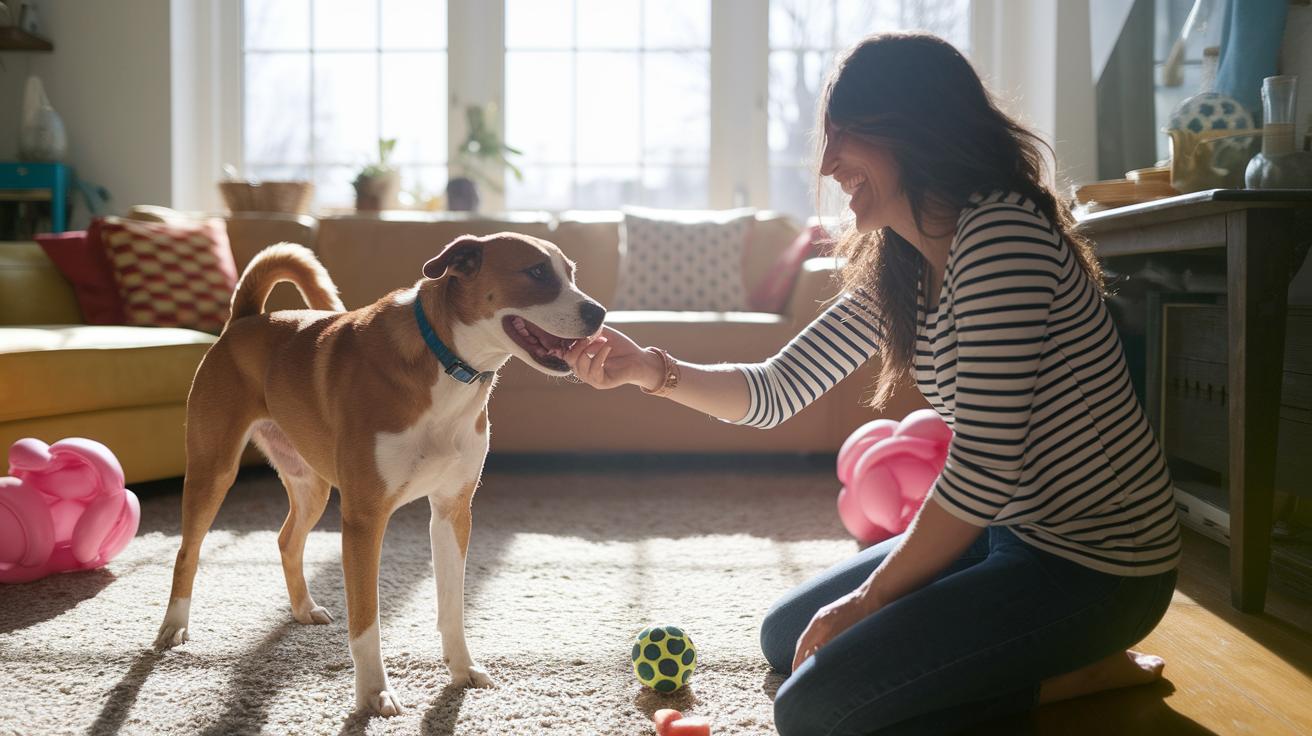

Have you ever noticed how a little treat or kind word can help your dog learn? Research shows that when you reward your pup with treats and praise, training becomes fun and effective. Instead of using strict rules that might stress your pet, this kind approach builds good habits and a closer bond.
Studies tell us that dogs can learn up to 50% faster when they feel loved and supported. Each little win during your training journey makes your furry friend calmer and more confident. Give it a try and see how simple rewards can bring lots of positive change to your dog's life.
Understanding Positive Reinforcement Dog Training
Positive reinforcement dog training is all about celebrating what your dog does right. It means giving treats, kind words, or even a gentle belly rub the moment your dog shows good behavior. This simple method uses operant conditioning (teaching by rewarding actions) to make your dog more likely to repeat these actions. Research shows that dogs trained with rewards learn up to 50% faster than those taught with harsh methods.
This training method does more than teach tricks. It builds a stronger bond between you and your furry friend. When you reward your dog right after it follows a command or behaves well, it learns that these actions lead to happy outcomes. Over time, treats and praise help lower anxiety and boost your dog’s confidence.
Key points to remember:
- Rewards help your dog connect a behavior with a happy result.
- It avoids the fear that comes with punishment-based training.
- Regular rewards make your pet calm and eager to learn.
- Simple treats, a friendly tone, and a little petting can encourage good habits.
For example, try giving your dog a small piece of crunchy kibble right after following your cue. Or, offer a quick belly rub when your dog sits quietly. These little wins add up, helping your dog enjoy learning while you build a warm, stress-free relationship.
Scientific Principles and Benefits of Positive Reinforcement Dog Training
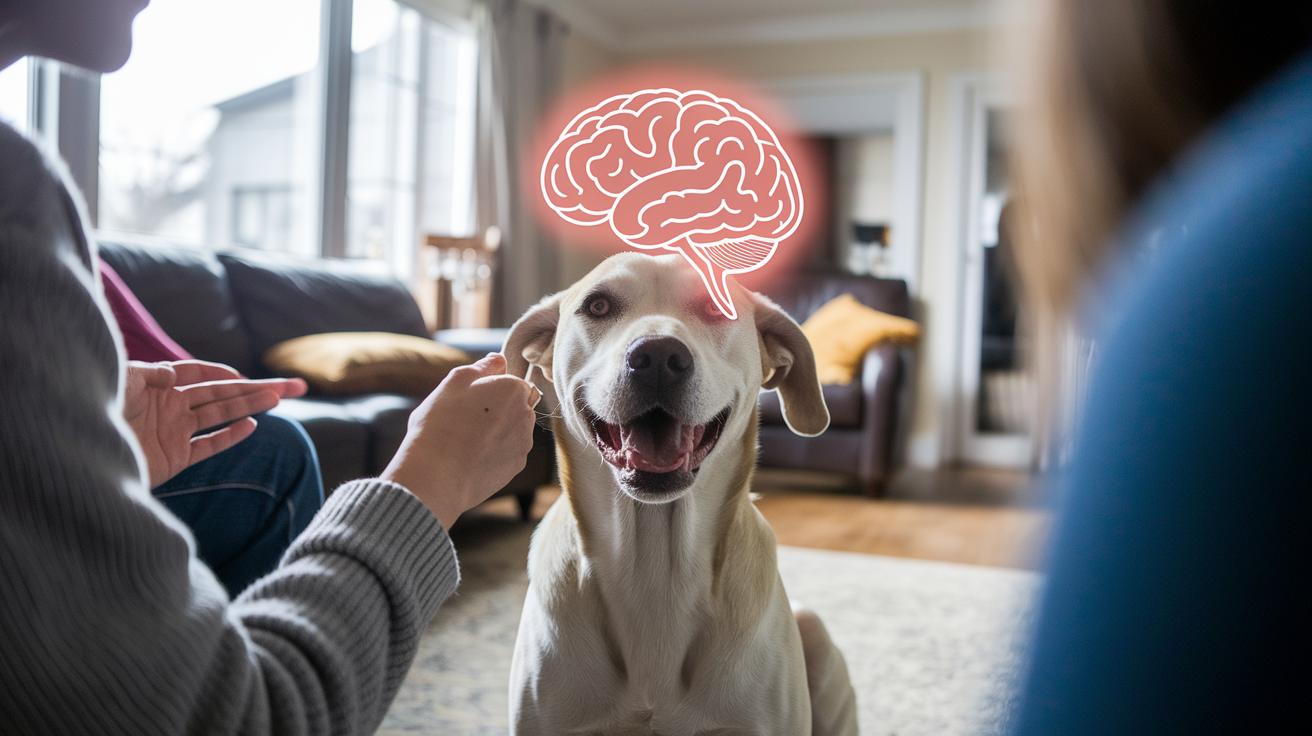
Research tells us that giving your dog a treat right away sparks a burst of dopamine. Dopamine is a natural feel-good chemical that helps form strong habits. Imagine your dog’s brain lighting up like you do when you enjoy your favorite snack.
This quick reward also helps lower cortisol, the stress hormone. With less stress, your dog feels more relaxed over time. These changes work together to build lasting good behavior that goes beyond just following commands.
| Neurochemical | Outcome |
|---|---|
| Dopamine | Builds strong habits for lasting behavior change |
| Cortisol | Helps reduce stress and keeps your pet calm |
Here are some key benefits:
- Strong, lasting behavior cues
- Lower stress for a relaxed pet
- A science-backed way to build your dog’s confidence
Positive reinforcement does more than get your dog to sit. It helps create a happier, more secure pet by building habits that last.
Positive Reinforcement Dog Training Ignites Joyful Results
When you train your pet with treats, the right tools make a big difference. You can use marker tools like clickers or a simple four-pack (about $1.50 each) with extendable sticks. They help you mark the exact moment your dog does something right. Try clicking when your dog obeys and follow up with a treat right away.
Small, low-value rewards work best in these quick sessions. You might use tiny pieces of crunchy kibble, a bit of carrot or green bean, a small cheese cube, or even a small piece of plain roast chicken or pork. Think of these treats as little rewards each time your dog listens. For more ideas on treats, check out the dog training treats page. You can also add place-marker dots when you need to shape more detailed behaviors.
Keeping a steady routine is key. Short and frequent sessions help your dog learn faster. With the right tools and treats, training turns into a fun and rewarding time for both you and your pet.
Step‐by‐Step Guide to Behavior Shaping in Positive Reinforcement Dog Training
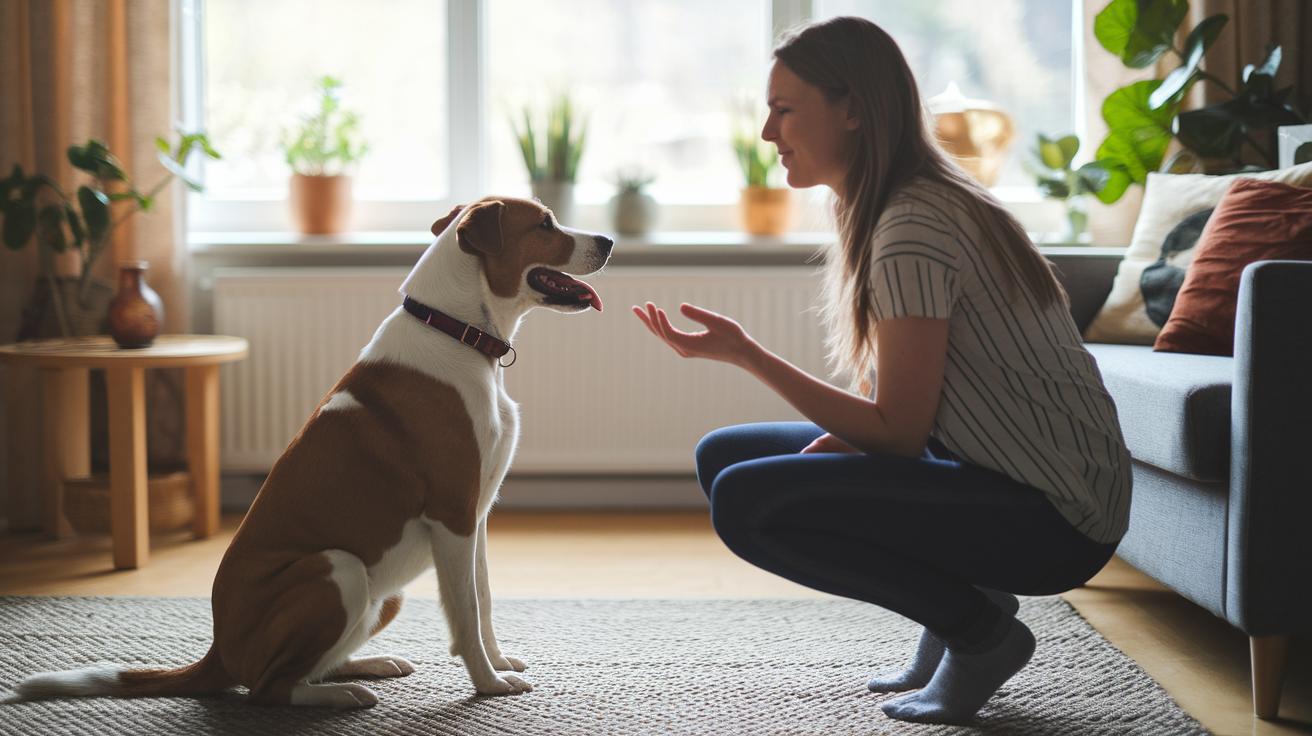
Start with a clear goal. Pick one simple behavior, like teaching your dog to sit. Follow these friendly steps to shape that habit.
-
Choose an easy behavior.
Look for something your dog does naturally. If your dog already sits on command, that's a great start. -
Mark the moment your dog sits.
Say a clear word like "good sit" or use a clicker as soon as they sit. This tells your pet that the action was just right. -
Reward right away.
Hand your dog a small treat immediately. This quick reward helps them connect the sit with the tasty treat. -
Ask for a little more.
Once your dog sits reliably, slowly ask for a longer sit. Start by adding a few extra seconds and then increase the time as your dog gets better. -
Ease off the lure.
In the beginning, you might use a treat to guide your dog. Over time, step back so your dog depends more on your cue than the treat. -
Add extra cues.
Try using a hand signal along with your word. This mixes things up and keeps training fun and interactive. -
Reward often at first.
Give a treat most of the time , about 8 out of 10 tries works best. Later on, you can reduce treats to a few, random rewards.
By following these steps with clear markers and immediate rewards, you make training a fun, interactive session. Each step builds on the one before it, helping your dog learn and feel happy along the way.
Timing and Consistency in Positive Reinforcement Dog Training Sessions
Timing is everything. When you give a treat or mark the right behavior in under one second, your dog quickly makes the link. Even a small delay can drop their learning by nearly 70%. Imagine that when your dog sits and gets a treat right away, it's as if his whole world lights up with joy.
Keep everyone on the same page. When every family member uses the same words and gives the same rewards, your dog will learn faster and avoid confusion. Think about it, if one person says "sit" and another says "down" for the same trick, your dog might not know what to do.
Be kind and clear in your training. Use a calm voice and simple body signals. Short sessions (about 5 to 10 minutes) and fast feedback help create a space with fewer distractions. Here are a few tips to keep in mind:
- Give rewards right away so your pup links the action to the treat.
- Keep training sessions short for better focus.
- Have every household member stick to the same method.
These gentle methods build a trusting environment for your pet. When everyone is consistent, your dog knows exactly what you expect, making training both fun and effective.
Case Studies and Success Stories of Positive Reinforcement Dog Training
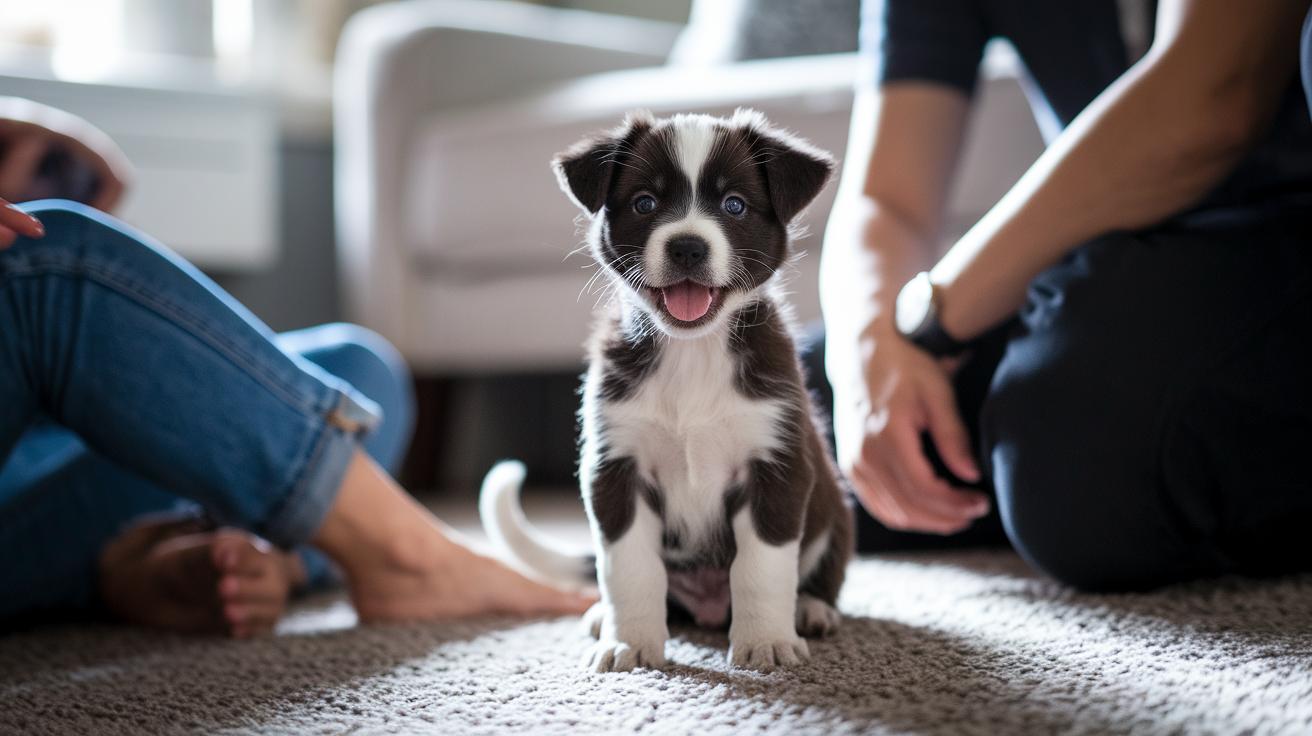
In Case Study 1, a 3-month-old puppy learned to sit reliably in less than two weeks. We did five-minute sessions every day with tasty treats and lots of praise. Soon, the little pup started waiting for its reward and its response rate reached 90%. Imagine saying "Good sit!" and watching your puppy light up with joy as it connects your command to a yummy treat.
Case Study 2 shows how positive training helped an anxious rescue dog. Before training, the dog often paced and whined from stress. After four weekly sessions using gentle cues and rewards, these stress signs went down by 60%. The treats helped build trust, and the bond between the pet and caregiver grew stronger.
Over 25 years of canine research back these results. Using clear, consistent rewards makes learning fun for our pets. Plus, a part of every training purchase helps shelter dogs through rescue donations. (Learn more at https://goodpawsgoodcause.org?p=118)
Troubleshooting Challenges and Safety Precautions in Positive Reinforcement Dog Training
Sometimes, training with treats can go off track. One common hiccup is giving too many treats. This can make your dog gain extra weight. Instead, try using low-calorie treats or break treats into smaller pieces. Your dog still feels rewarded without taking in too many calories.
Another issue is when your dog jumps and you accidentally reward that behavior. When you see jumping, turn away from your dog until it settles down. This simple step helps show your pet that calm behavior brings rewards.
Dogs might get frustrated if a session goes on too long. Keep training sessions under 15 minutes. Ending on a happy note keeps your pet engaged and excited for the next round.
Practical tips to try:
- Use low-calorie treats or split treats into smaller pieces.
- Turn away if your dog starts jumping to avoid reinforcing the behavior.
- Watch for signs of fatigue and wrap up the session if your dog gets frustrated.
Always check for any food allergies and pick a quiet, safe spot for training. Using gentle, positive methods not only builds healthy habits but also supports a kind, caring way to train your dog.
Final Words
In the action, we explored how positive reinforcement dog training can build trust and reduce stress with simple rewards like treats, praise, and belly rubs. We broke down the science behind reward-based methods and shared step-by-step guides, essential tools, and real-life success stories. We also tackled common challenges with practical tips and safety advice. Every element is designed to help your pet learn calmly and build a stronger bond, all while supporting ethical practices in pet care. Enjoy the journey and celebrate every small win.
FAQ
Positive reinforcement dog training near me
The term positive reinforcement dog training near you refers to local trainers who use treats, praise, and fun rewards to guide your dog’s learning in a kind and effective way.
Positive reinforcement dog training reddit
The mention of positive reinforcement dog training reddit indicates that online communities share real-life tips, success stories, and advice on reward-based methods, offering a friendly space for pet parents.
Positive reinforcement dog training examples
Positive reinforcement dog training examples include rewarding your dog with treats, praise, or belly rubs when they sit, stay, or come, which builds trust and reinforces desired behavior without fear.
Positive reinforcement dog training books
Positive reinforcement dog training books offer step-by-step guides and real-life case studies on using rewards like treats and praise, helping pet parents learn and implement kind, effective training methods.
Positive reinforcement dog training psychology
Positive reinforcement dog training psychology explains that using rewards triggers a positive brain response in dogs, releasing dopamine and reducing stress, which improves learning and builds a strong bond with owners.
Positive reinforcement dog Training pdf
Positive reinforcement dog training pdf documents contain clear, printable guides that detail reward-based methods, giving pet parents structured protocols and tips to train their dogs in a kind and effective way.
Positive reinforcement dog training certification
Positive reinforcement dog training certification means there are professional courses available that teach reward-based methods, ensuring trainers use ethical, effective techniques that help build trust without punishment.
Dog training positive reinforcement vs correction
Dog training positive reinforcement vs correction contrasts using rewards for good behavior with punishment for mistakes, showing that kindness builds trust and lasting skills while corrections may create fear and stress.
What is positive reinforcement training for dogs?
Positive reinforcement training for dogs means rewarding desired actions immediately with treats, praise, or play, which encourages the behavior to be repeated and builds a strong, trusting bond with your pet.
What is the 3-3-3 rule with dogs?
The 3-3-3 rule with dogs suggests short, frequent, and consistent training sessions—three minutes, three times a day—to keep learning fun and effective, ensuring your pet stays engaged.
What is the 10-10-10 rule for puppy training?
The 10-10-10 rule for puppy training involves short sessions—ten minutes of training, ten minutes of play, and ten minutes of rest—to help young pups learn effectively without getting overwhelmed.
What are the 4 types of positive reinforcement?
The four types of positive reinforcement include using food treats, verbal praise, toy rewards, and affectionate gestures to encourage and strengthen your dog’s desired behaviors in a friendly way.