


Have you ever wondered if a grain-free diet could help your pup feel better? Many pet parents are trying grain-free dog food to see firmer stools, less gas, and more energy. In this post, we explain how swapping wheat and corn for sweet potatoes, peas, and lean proteins may help a sensitive tummy and boost overall health. True grain allergies are rare, but some dogs do better with a different mix. Let’s see if a grain-free diet can give your pet the extra vitality it needs.
Grain-Free Dog Food: The Quick Verdict on Benefits and Safety
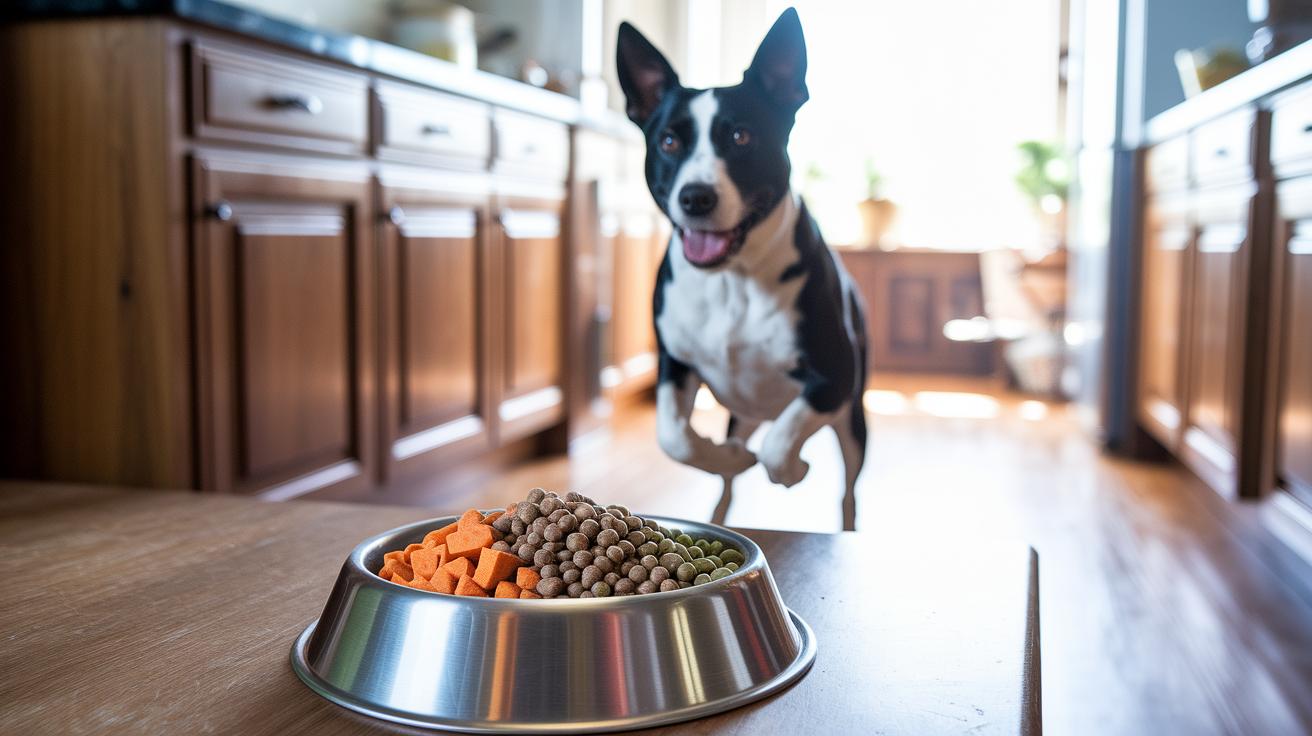
Grain-free dog food swaps out common grains like wheat, corn, rice, barley, and oats for options like sweet potatoes, peas, lentils, and chickpeas. It also includes animal proteins such as chicken, turkey, salmon, or beef to keep your dog lively and support lean muscles. Many pet parents notice firmer stools and less gas, which can make mealtime easier for pups with sensitive tummies.
This type of diet can be a good fit for dogs with skin or tummy troubles. Even though real grain allergies are rare in dogs, some really do better without grains. Grain-free foods must still follow AAFCO standards and have the right number of calories. The FDA looked into DCM between 2018 and 2022 and found no proof that legumes cause heart problems, clearing up many misunderstandings.
- Pros: May lead to firmer stools and less gas
- Pros: Made with high-quality animal proteins to support lean muscles
- Pros: Could help improve skin and ear health for sensitive dogs
- Cons: Might have more fat and calories if not balanced well
- Cons: Could be missing some nutrients if the right supplements aren't added
- Cons: Real grain allergies are rare, so many dogs don't need to avoid grains
Grain-free dog food can help dogs with special dietary needs. But for most pups, a well-balanced diet that includes grains works just as well.
is grain-free dog food good: Spark Pet Vitality
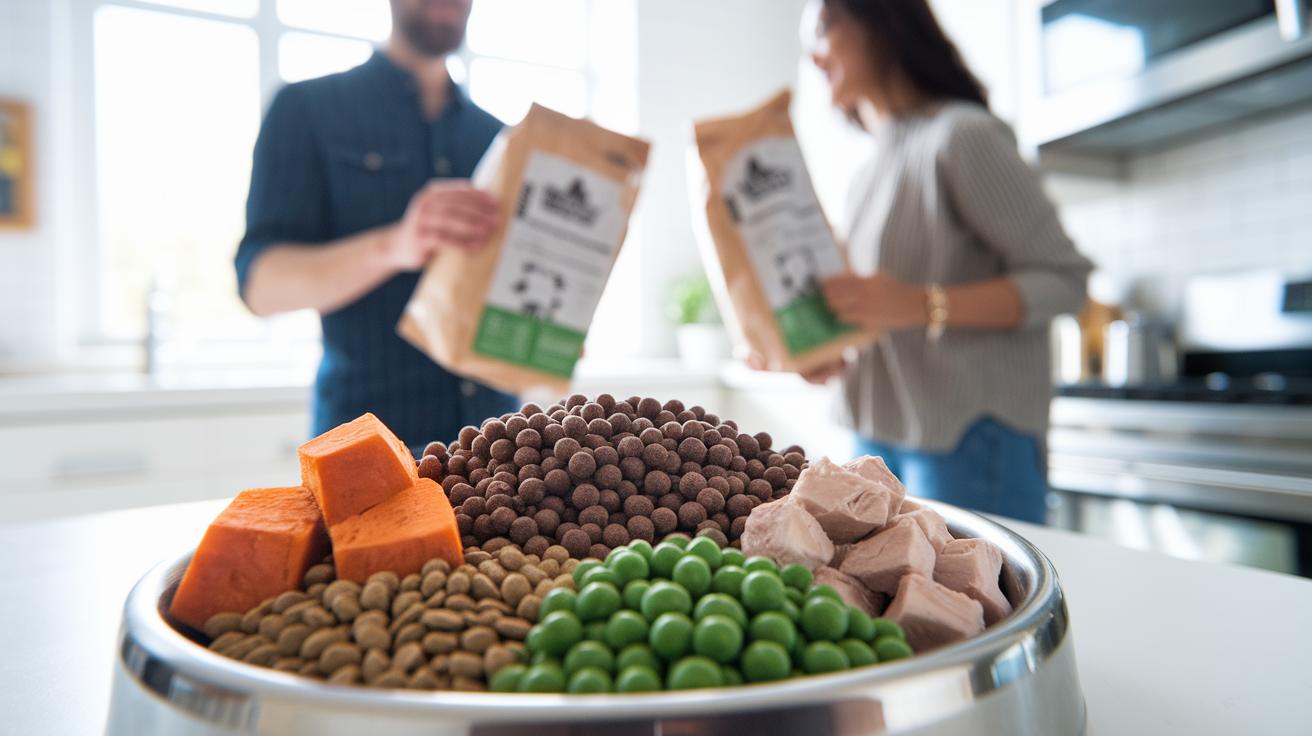
Grain-free dog food blends nutrient-rich ingredients that boost your dog's energy and support overall health. We swap common grains for a mix of special ingredients so each meal is complete and balanced to meet AAFCO standards.
Carbohydrate Alternatives
We use sweet potatoes, peas, lentils, and chickpeas as friendly substitutes for grains. These ingredients provide gentle, steady energy and fiber that helps digestion run smoothly. Plus, they add a tasty texture to every bite.
Animal-Based Proteins
High-quality proteins like chicken, turkey, salmon, and beef lead the way in these recipes. They deliver the amino acids your dog needs to build lean muscle and keep up with adventures. Even if your pup is a picky eater, natural flavors often win them over.
Probiotic & Vitamin Supplements
BC30™ probiotics help keep your dog's tummy happy and boost their natural defenses. We also mix in key vitamins and minerals to fill any nutritional gaps. This way, every meal is as wholesome as it is delicious. For more about using probiotics for dogs, check out Probiotics for dogs.
Health Advantages of a Grain-Free Dog Food Diet

For dogs with sensitive skin or upset tummies, a grain-free diet can work like an elimination diet. It helps you spot which ingredients might be causing problems. Many pet parents have seen fewer skin flare-ups and ear infections when they switched to a grain-free meal. One friend even said that finding the one ingredient meant fewer tummy troubles and calmer skin.
Many pet parents also notice that their dogs have firmer stools and less gas. A simpler diet can make mealtime more comfortable. One pet parent shared that after changing the food, their pup’s stools became firmer, leading to happier walks and a healthier pup.
When dogs eat food that suits them well, they often show more energy and shinier coats. One story we loved mentioned how a dog's coat grew healthier and its playtime got a burst of energy after the switch.
Comparative Analysis: Grain-Free vs Grain-Inclusive Dog Foods
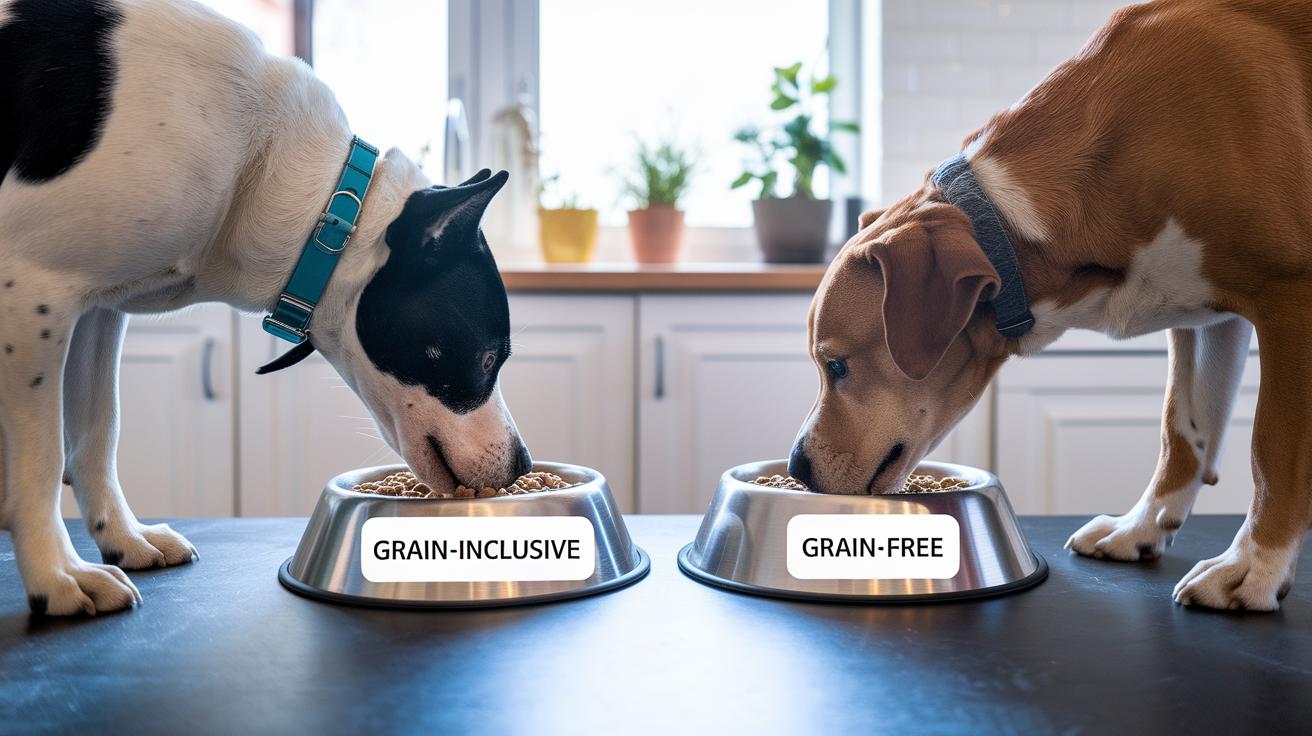
We know picking the right food for your dog is important. Both grain-based and grain-free options meet AAFCO standards. They use different ingredients to help with digestion and energy.
| Aspect | Grain-Inclusive Dog Food | Grain-Free Dog Food |
|---|---|---|
| Primary Carb | Rice, barley, oats | Sweet potatoes, legumes |
| Protein Source | Animal proteins with grains | High-quality animal proteins |
| Caloric Density | Usually a similar calorie count | Often similar, but it can vary |
| Digestibility | Tasty and easy on many dogs | May vary; some dogs react to legumes |
| Common Supplements | Standard vitamins and minerals | Often includes added probiotics and nutrients |
Both options help create a balanced meal plan for your dog. Grain-inclusive foods bring familiar carbohydrates that offer steady energy. Grain-free diets swap those grains for ingredients like sweet potatoes or legumes. The protein quality stays high in both because each food meets strict nutritional rules. Still, some dogs with sensitive tummies might do better with one type over the other. For instance, a grain-free mix might help ease digestion or cut down on gas. And while both foods provide similar calories, proper portion control is key.
Choosing the right food comes down to your dog's unique needs and how their body reacts to different carbohydrate sources.
Veterinary and Regulatory Perspectives on Grain-Free Dog Food
Experts and regulators have looked closely at grain-free dog food to make sure it meets strict food rules. The FDA spent several years checking if these diets might link to heart problems in dogs. Veterinarians say to use them only when your dog shows clear food sensitivities. Here, we share what the rules say, what experts suggest, and the debates that continue.
FDA Investigation Findings
Between 2018 and 2022, the FDA studied diets high in legumes (beans and lentils) and other non-grain carbs. They did not find a clear link between these diets and heart issues like dilated cardiomyopathy (DCM). The report mentioned that some dogs had heart issues but there wasn’t strong proof to blame grain-free food. This means that when a grain-free diet is made right and meets AAFCO standards (AAFCO: a group that sets pet food guidelines), it can give full nutrition without safety worries.
Veterinary Recommendations
Veterinarians suggest grain-free diets only for dogs with clear signs of food sensitivities, such as tummy upset or skin problems. They recommend a full check-up first to make sure the new food is the right choice for your pet’s health. Every dog food, grain-free or not, should meet AAFCO standards and go through careful quality tests. This way, you keep your pet’s meals balanced and safe.
Ongoing Nutrition Debates
Experts are still studying the long-term effects of using more alternative carbs in dog food. Some worry that too many legumes might affect a dog’s metabolism, while others believe that what matters most is the overall mix of nutrients. Research is ongoing, and each dog may react differently to these changes.
Potential Risks and Considerations of Grain-Free Dog Food
We now know that some dog breeds may not handle legume-heavy diets very well. New research shows that these diets might change a dog's heart rhythm, especially in breeds already at risk for heart issues like dilated cardiomyopathy. Some breeds may show early signs of heart strain when fed too many legume ingredients.
Trials have also found that a little drop in key vitamins can lower your dog's energy. This kind of vitamin shortfall might not show up on the package. It is important to check that the food meets AAFCO standards to ensure complete nutrition.
Some grain-free diets might even have as many or more calories as those with grains. That means it’s crucial to measure your dog’s food carefully because even a small scoop can add extra calories.
Not every dog adjusts the same to legume-based carbs. Some pups might have slower digestion changes leading to mild tummy issues. A gradual diet switch and a check-up with your vet can help spot these signs early.
How to Choose and Transition to Grain-Free Dog Food
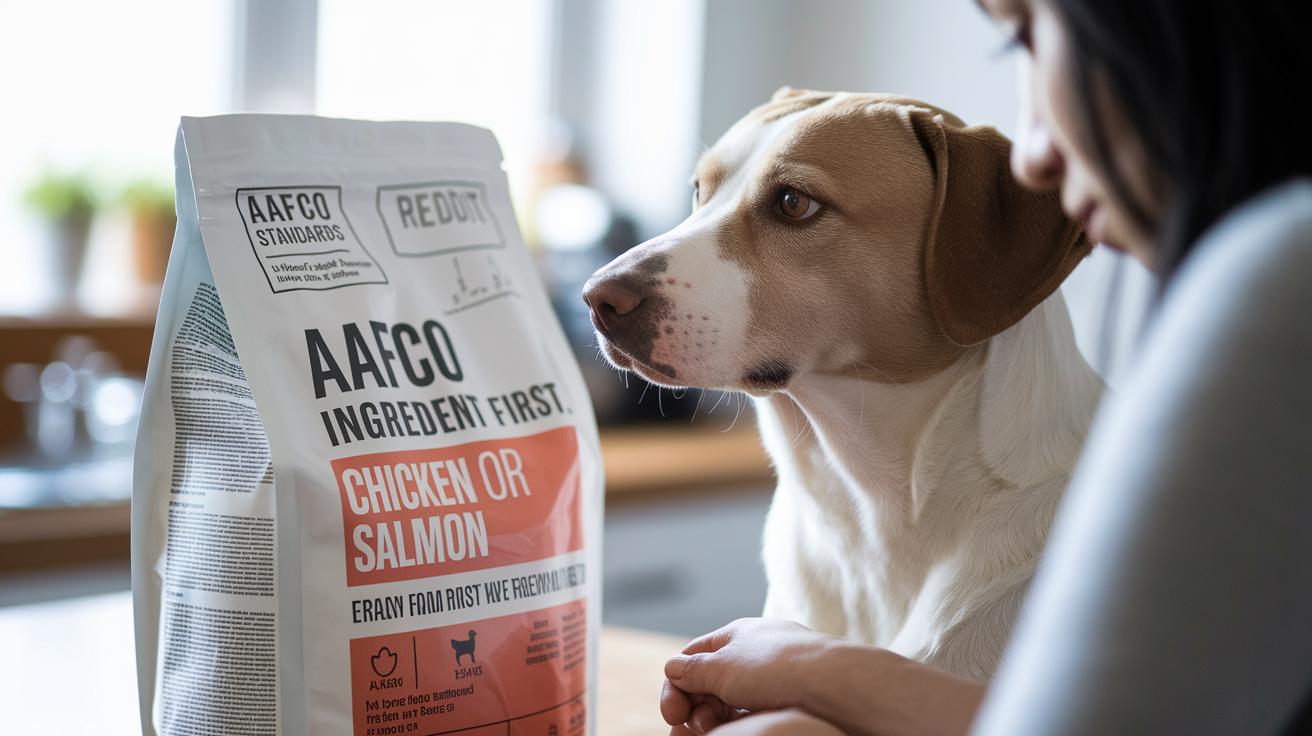
When you shop for grain-free dog food, check that the first ingredient is a quality meat like chicken or salmon. Make sure the food meets AAFCO standards (set guidelines for balanced nutrition) and has clear info about where it comes from. This way, you know every bag is safe.
Look closely at the nutritional label. See if it lists simple carbs like sweet potatoes or lentils. This helps you tell that there are no fillers or low-grade ingredients, making it easier to compare and choose the right food for your pup.
Make the change slowly over 7 to 10 days. Start by mixing a little bit of the new food with your dog's current meal. Gradually add more while reducing the old food. This slow shift helps your dog's tummy adjust without any upset.
Keep an eye on your furry friend after the switch. Notice any changes in stool, energy, or weight. If something seems off, chat with your veterinarian for advice.
Final Words
In the action, we explored the benefits, ingredients, and risks of grain-free dog food while comparing it to grain-inclusive options. We broke down key steps on how to choose and transition safely. Our discussion also highlighted veterinary insights and how proper nutrition supports your pet's health. When you ask, "is grain-free dog food good?" our guide shows that careful research and a balanced approach lead to a healthier, happier pet. Enjoy making informed choices and feel good about your impact.
FAQ
Q: Is grain free dog food good on Reddit?
The discussion on Reddit shows mixed opinions. Some pet parents report benefits like firmer stools and improved skin, while others worry about ingredient balance. The best choice depends on your dog’s individual needs.
Q: What are the pros and cons of grain-free dog food?
The pros of grain-free dog food include firmer stools, reduced gas, and healthier skin. The cons involve unclear links to nutrition issues and possible nutrient gaps. Myths often exaggerate these risks without solid evidence.
Q: Is grain free dog food good for large dogs?
The answer for large dogs is yes for many, as they benefit from protein-rich formulas that aid muscle maintenance. However, always check the calorie content to make sure it meets your pet’s energy needs.
Q: Why do some vets not recommend or caution against grain-free dog food?
The caution comes from vets reserving grain-free options for dogs with specific sensitivities. They are concerned about nutrient balance and potential heart-health issues when formulas lack rigorous ingredient testing.
Q: Is grain-free dog food good for dogs with allergies?
The answer is yes for some dogs with allergies. Grain-free diets may reduce skin irritation and ear infections, though true grain allergies are rare, making it best to base choices on your dog’s specific needs.
Q: What is grain-free dog food and what are its downsides?
Grain-free dog food is a formula that excludes wheat, corn, rice, barley, and oats, using alternatives like sweet potatoes. Its downsides can include potential nutrient gaps and calorie imbalances if the formula isn’t properly balanced.