
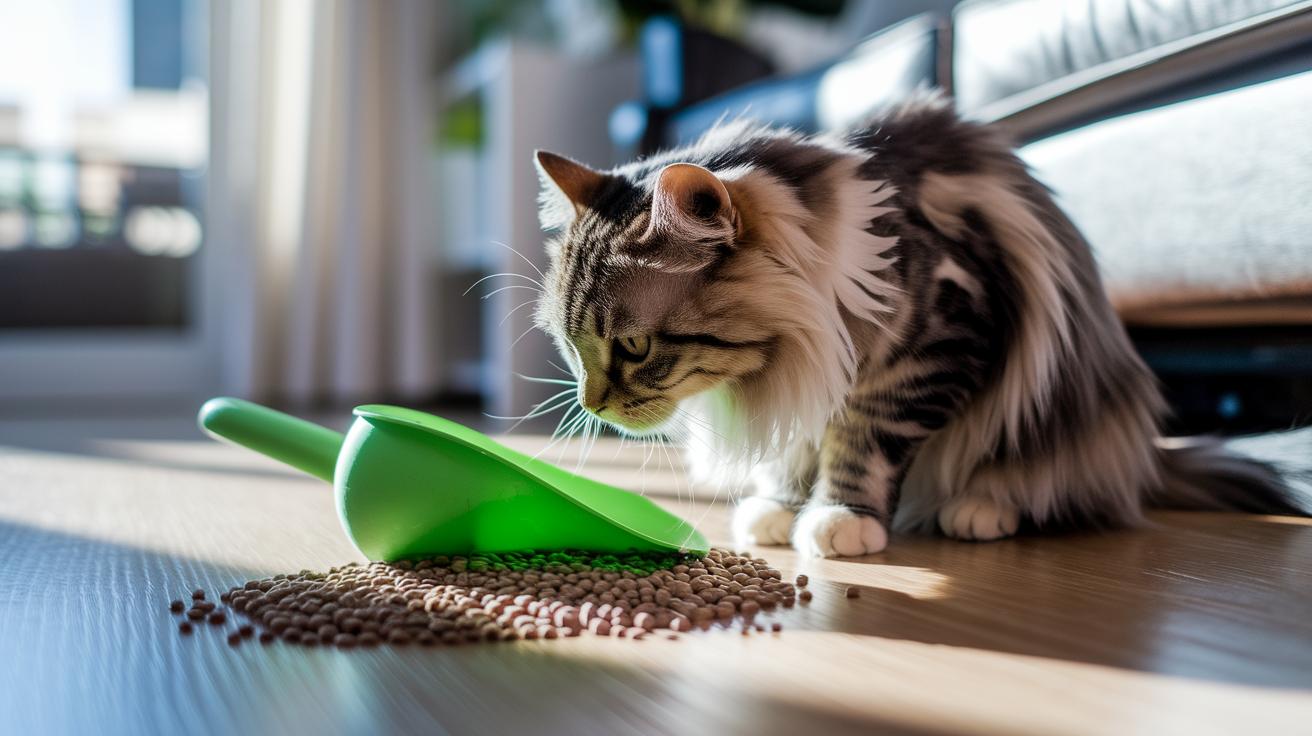

Have you ever thought that your cat’s litter box can be both clean and kind to our planet? Plant-based cat litter is winning over pet parents who want a fresher home and a healthier earth.
It’s made from renewable sources like pine pellets and corn. This means it helps cut down on dust and bad smells while keeping your kitty safe and happy. Imagine it like a soft, natural blanket that pads your cat’s space and helps lower your carbon footprint.
Switching to this litter shows that caring for our pets can also help take care of the environment. It’s a simple step toward a greener future for both you and your furry friend.
Plant-Based Cat Litter: Comparing Eco-Friendly Alternatives to Traditional Clay Litter
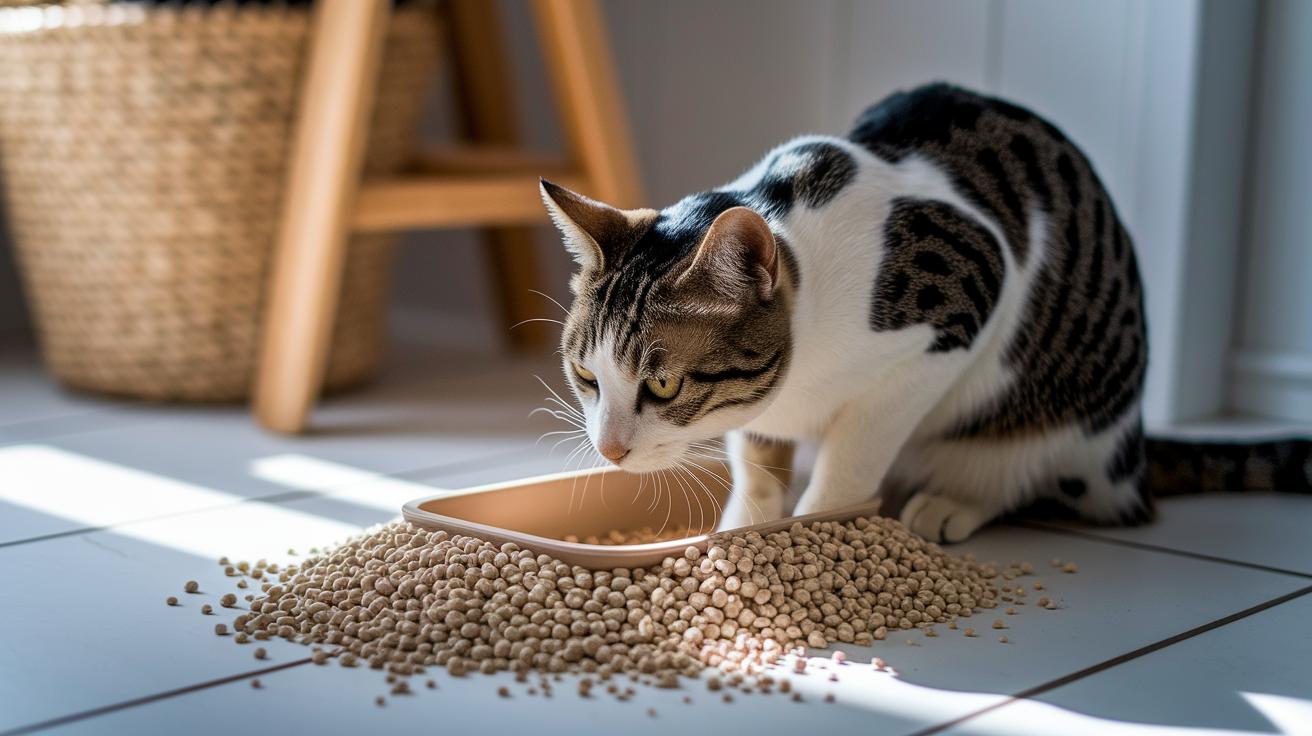
Plant-based cat litter is a smart choice for pet parents who care about their cat's health and our planet. Instead of using traditional clay, plant-based litters are made from renewable materials like pine pellets, corn, wheat, and grass seed. These natural ingredients help control odors and keep dust to a minimum, making your cat's litter box cleaner and healthier.
A 2022 study showed that clay litters create three times more carbon emissions than plant-based options that break down naturally. Switching to a plant-based litter means less exposure to fine silica dust for you and your cat, plus it helps cut down on your home's carbon footprint. Think of pine pellets like a soft blanket that soaks up ammonia and keeps smells under control.
Key benefits of plant-based cat litter include:
- Made from renewable materials for a greener home
- Lower dust levels that support healthy breathing
- Natural odor control with simple, effective ingredients
- Biodegradable, reducing waste in our landfills
Many pet parents say that switching to a plant-based litter means fewer messes and happier cats. One owner mentioned, "My cat's litter box stays fresh longer, and I feel good because I'm helping cut down on waste." This easy change not only makes your home healthier but also supports a more sustainable way of living for all of us.
Types of Plant-Based Cat Litter: Pine, Corn, Wheat, Grass, and Paper
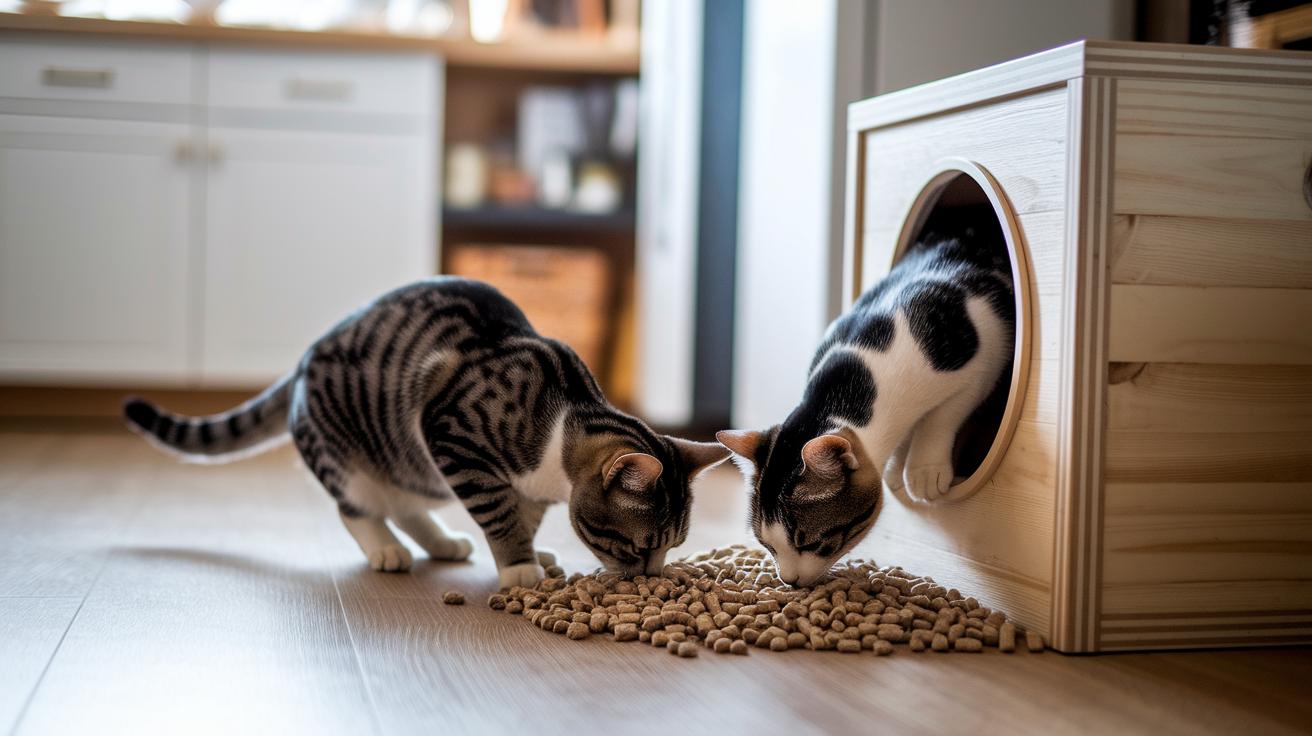
Wood-based cat litters made from compressed pine pellets are a favorite among pet parents. They fight ammonia smells naturally and keep odors in check. These pine pellets form a soft, spongy layer that locks in smells and keeps your litter box feeling fresh longer.
Corn-based litters are another popular pick. They break down naturally, come from renewable sources, and are often safe to flush if your local rules allow it. They work well with regular scoopers and make daily cleaning a breeze. Many pet parents appreciate how these litters mix great performance with eco-friendly benefits.
Wheat-based litters create firm clumps that are simple to scoop, much like the feel of traditional clay. They offer the comfort of familiar texture while being made from a renewable resource. Many pet parents choose this compostable option because it makes cleanup easier.
Litters made from grass seeds form tight clumps that leave fewer stray bits around your home. They work well for both adult cats and kittens, helping to keep your floors and surroundings cleaner.
Recycled paper litters come as soft, non-clumping pellets. They are perfect for healing or declawed cats since they are gentle on paws. These litters help manage waste while keeping the litter box neat.
- Pine: Fights odors naturally and clumps well
- Corn: Breaks down naturally and is often flushable
- Wheat: Forms firm clumps that are easy to scoop
- Grass: Clumps tightly to reduce tracking
- Recycled paper: Gentle, soft pellets that stay loose
Performance and Cleanup with Plant-Based Cat Litter
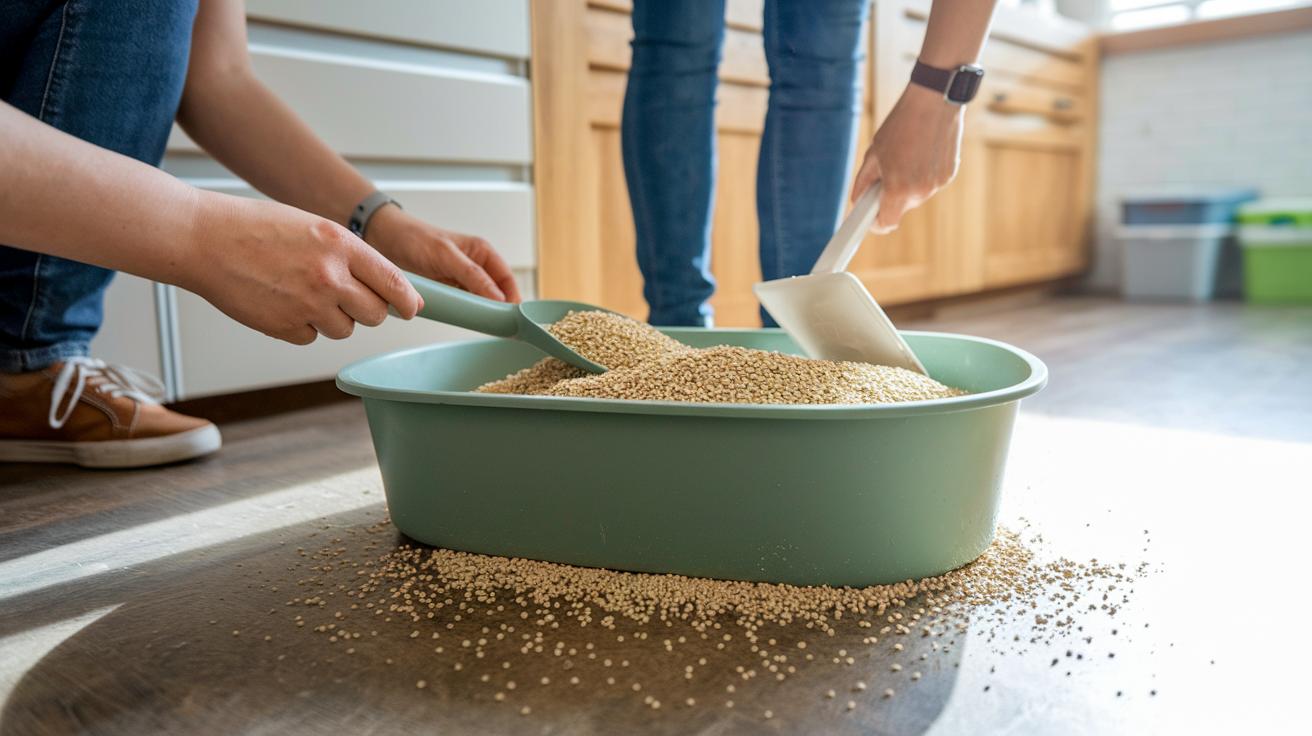
Plant-based cat litter keeps your home smelling fresh by fighting bad odors and neutralizing ammonia with natural granules. These granules form firm clumps that are easy to scoop, although you may need to replace all the litter a bit more often. Non-clumping formulas work well with sifting systems, making daily cleaning a breeze. Many pet parents appreciate that these dust-free, organic absorbents reduce airborne particles, which is great for cats and for anyone with sensitive lungs.
Taking care of the litter box is simple. Scoop it two to three times a day and sift the pellet litter each day. When the pellets begin to break down, replace all the litter. This easy routine keeps the box fresh and stops odors from building up.
Key maintenance tips include:
- Clumping litters: They form tight clumps that are easy to remove but may need more frequent full changes.
- Non-clumping options: They work well with sifting systems and save you time during cleanup.
One pet parent mentioned that switching gradually over a week helped keep their cat calm and curious. This method makes managing the litter box both efficient and eco-friendly.
Environmental Impact of Plant-Based Cat Litter

Plant-based litter is made from renewable materials like wood, grains, and grass that naturally break down. This means it has a smaller carbon footprint than clay litter.
Using a stainless steel, easy-to-clean litter box with your plant-based litter helps it last longer and cuts down on waste. One pet parent shared, "After switching to this combo, I replaced the litter less often, which means less trash and extra savings."
Choosing and Transitioning to Plant-Based Cat Litter

Start by mixing a little of the new plant-based litter with your current one. Over 7 to 8 days, begin with a mix that is about 25% new litter. Then slowly add more until your cat is using only the new litter. Take it slow. This way your cat can get used to it without feeling overwhelmed.
If you see your cat avoiding the new litter, try different textures during short trials. Keep the litter box in the same spot so your pet feels safe and familiar. This steady approach can ease transition stress.
Here are some ideas to consider:
- For cats with breathing issues, try options made from recycled paper or choose a grain-free, hypoallergenic type (less likely to cause allergies).
- If you have more than one cat, a larger box with high sides can help contain the mess and manage any odors.
Watch your cat’s behavior and see what feels best. If one type isn’t a good match, try another with a similar feel and good odor control. With some patience and a bit of trial and error, you’ll discover the best natural litter that makes both your cat and the planet smile.
Eco Purchasing Guide and Availability of Plant-Based Cat Litter
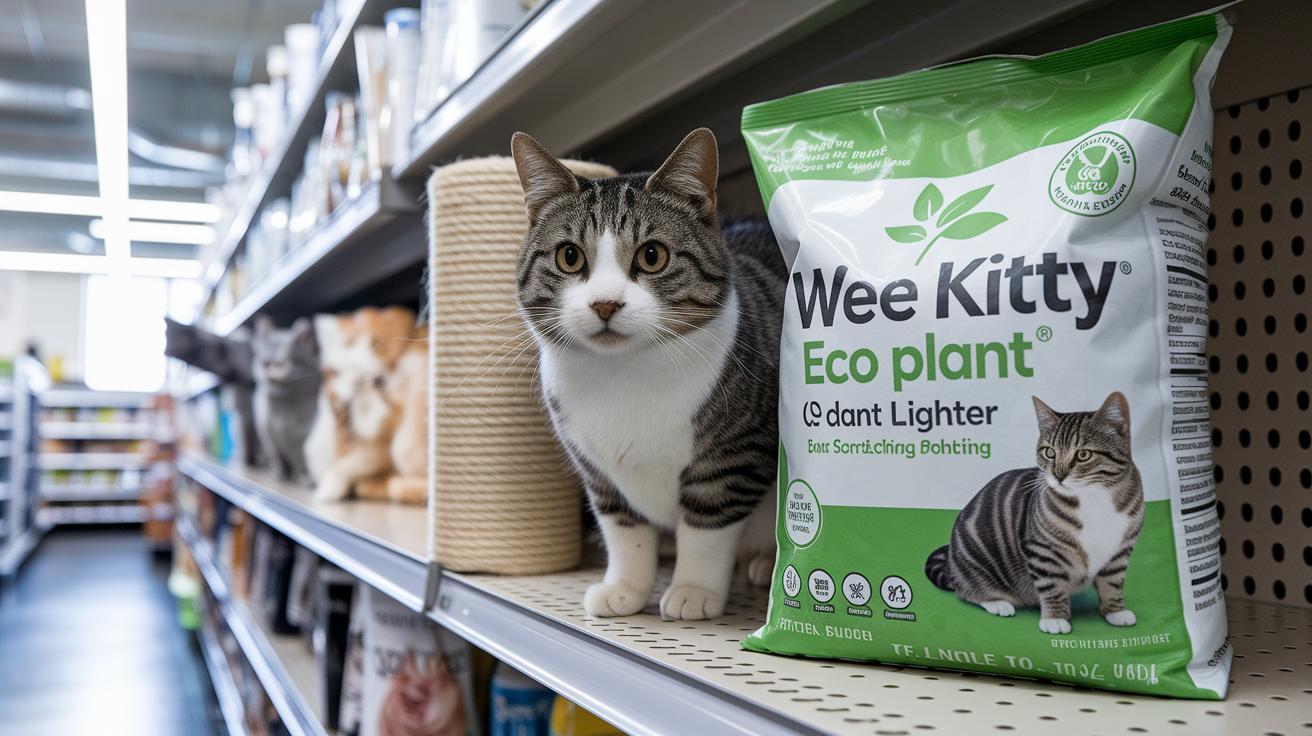
Plant-based cat litter can be a smart pick even if it costs a little more than clay at first. In the long run, you save money because you replace it less often and it helps keep your cat healthy.
Many brands, like Wee Kitty Eco Plant Litter, are sold in U.S. pet stores and online in 20–25 lb bags. The price depends on what it is made from. Some use corn, wheat, pine, grass, or even recycled paper. Each one clumps, controls odor, and cleans up a bit differently.
When you compare options, keep these points in mind:
- Plant-based litters may cost more upfront but can save you money over time.
- You can find them both in stores and online, so you can pick what your pet needs.
- Prices vary by packaging, brand, and material. Check the cost per pound to get a fair deal.
Using an eco purchasing guide for pet litter helps you choose a natural, budget-friendly option. A side-by-side guide on plant-based litters makes it easy to compare compostable choices that fit your eco-friendly lifestyle.
Final Words
In the action, we compared plant-based cat litter alternatives to traditional clay. We saw how options like pine, corn, wheat, and grass seed offer odor control, easy cleanup, and a lower environmental impact.
The guide walked through performance tips and a smooth transition method for your cat. Choosing plant-based cat litter helps reduce waste and supports a safer environment. Enjoy a greener side to pet care and feel great knowing your choice makes a real difference.
FAQ
What is the best plant based cat litter?
The best plant‑based cat litter uses renewable materials for odor control and low dust. Eco-friendly options like ARM & Hammer Plant Power and Okocat Natural Wood Clumping are favorites for many pet parents.
Are plant based cat litters safe and healthy for cats, including kittens?
Plant‑based cat litters are safe and healthy. They are made from natural materials that produce less dust, reducing allergens, and have gentle, unscented formulas ideal for kittens and sensitive cats.
Where can I buy plant based cat litter and what brands should I consider?
Plant‑based cat litter is sold in pet stores and online. Well-known brands include ARM & Hammer, Sustainably Yours, Okocat, and Boxiecat, which offer eco-friendly options for various cat needs.
What alternatives can I use instead of traditional kitty litter?
Alternatives to traditional kitty litter include biodegradable plant‑based options, recycled paper products, sand, or ashes — all of which reduce environmental impact and are gentle on your cat’s paws.
What did people use before commercial kitty litter existed?
Before commercial kitty litter, people used materials like sand, ashes, or soil to manage waste. Today’s plant‑based options offer improved odor control and a friendlier environmental footprint.
How do plant based cat litters perform regarding odor control and cleanup?
Plant‑based cat litters naturally neutralize odors and create minimal dust. Their clumping designs make scooping quick, ensuring a clean litter box and a healthier environment for both you and your cat.
Are there lightweight unscented plant based cat litters available?
Yes, lightweight unscented plant‑based litters are available. They help reduce chemical exposure and are a great choice for sensitive or allergy‑prone cats, keeping the litter area fresh without harsh scents.