
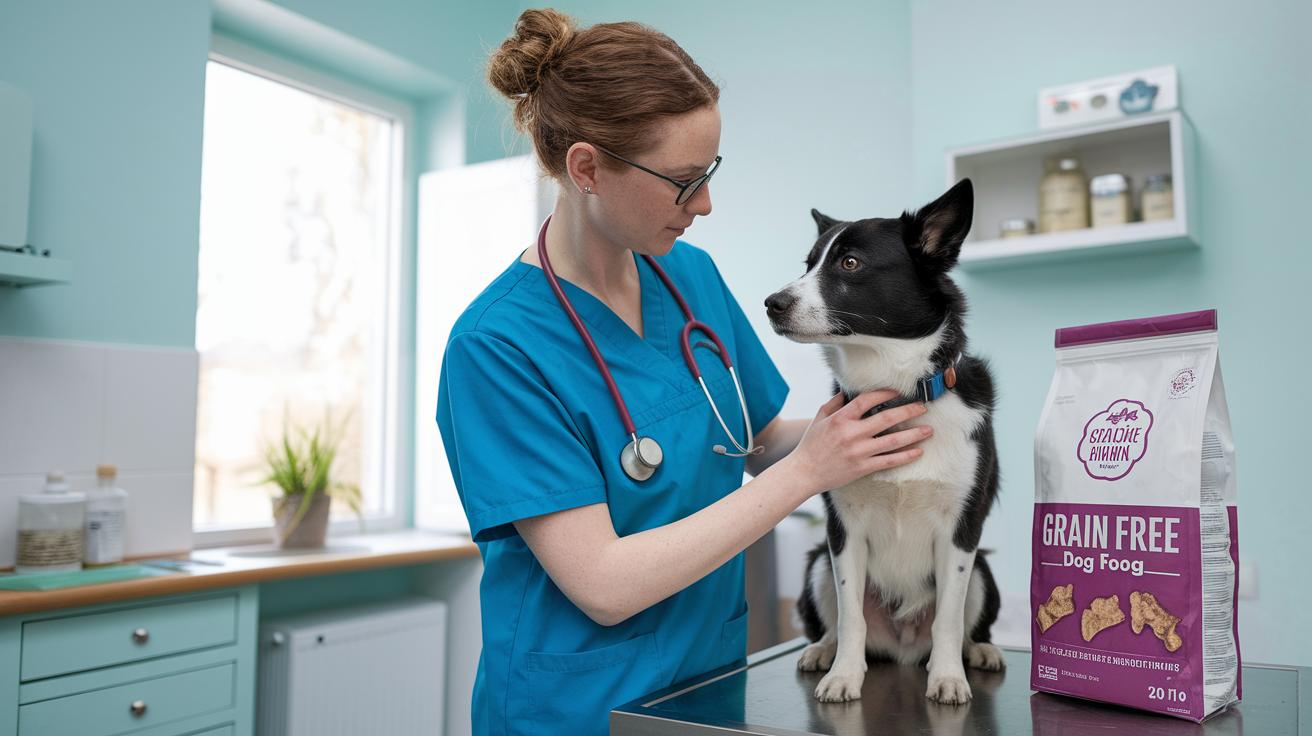

Have you ever asked if grain free dog food is really best for your pup? Many pet parents hear high praise, yet vets suggest a grain free diet mostly when your dog shows allergies or a sensitive tummy. New studies even hint that it could be linked to heart issues in some pups. In this post, we share what vets really recommend and why a balanced diet, whether it has grains or not, should fit your dog's unique needs.
What Veterinarians Say About Grain-Free Dog Food
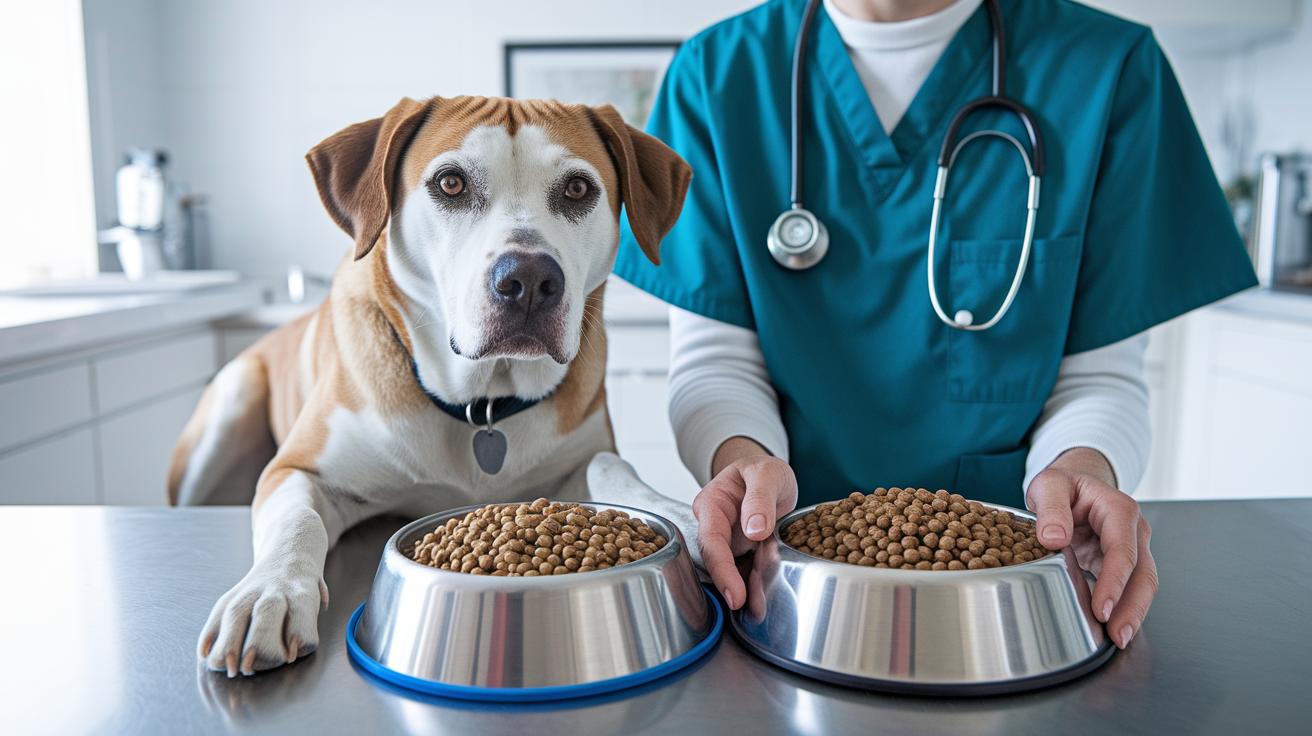
Some vets have mixed opinions on grain-free dog food. They usually suggest these diets only if your pup has a real grain allergy or sensitive stomach. A board-certified small animal skin doctor reminds us that grain-free formulas work best for true grain allergies, not as a one-size-fits-all upgrade.
Recent research from March 4, 2025, raised concerns about a possible link between grain-free food and heart problems like dilated cardiomyopathy (DCM). While some studies point to risks, there is no clear consensus. One vet said, "It is important to match the food to your pet's needs." So, a dog without allergy issues might be just as happy on a balanced diet that includes grains.
Many vets recommend speaking with a veterinary nutritionist to tailor your dog's meals to their health needs. They also suggest checking out more details on pet nutrition at "is grain-free dog food good" (https://goodpawsgoodcause.org?p=83). In short, your vet's advice is all about what suits your dog's overall health best.
Veterinary Reasons to Recommend Grain-Free Diets

Many vets suggest a grain-free diet for dogs with grain allergies or upset tummies. These diets skip common fillers like corn, wheat, and soy, which can cause irritation and upset bellies. Pet parents often see fewer skin flare-ups and better tummy health when these ingredients are removed.
Grain-free recipes usually have just a few ingredients. This makes the diet easier on dogs with true allergies because there is less chance for a reaction. You might notice your dog feels calmer and digests food more smoothly on this type of diet, especially if they have known food sensitivities.
Vets also point out that grain-free foods can lower the inflammation that sometimes happens with common fillers. Some pet owners have seen big improvements when switching to a grain-free recipe for dogs with delicate stomachs. Tailored diets like these can help manage ongoing issues, making them a trusted option for many pet parents.
Risks Vets Warn About in Grain-Free Dog Food

Vets are concerned that grain-free diets might be linked to dilated cardiomyopathy (DCM), a serious heart condition that can lead to heart failure. Studies show that more dogs on these diets are developing DCM, and many experts suspect that common carb ingredients like legumes and potatoes could be part of the reason.
Grain-free diets may help some dogs avoid food allergies, but they might also put their hearts at risk. One board-certified expert explained, "The change in carbohydrate sources seems to affect heart muscle function, though we are still studying how." Think about it: your dog might switch to a diet that reduces allergies but may eventually face a tired, weak heart.
Vets recommend that if you choose a grain-free diet, you keep a close eye on your dog's heart health. Regular vet check-ups and tests can help catch early signs of DCM. Even though cats rarely have diet-related DCM, only 20 cases were reported to the FDA as of 2020, it’s important to manage your dog’s diet carefully.
So, if you decide to go grain-free, do it with your vet's guidance. Watch for signs like lethargy, a drop in appetite, or fainting, and contact your vet right away if you notice any changes.
Grain-Free vs. Grain-Inclusive Diets: A Veterinary Comparison
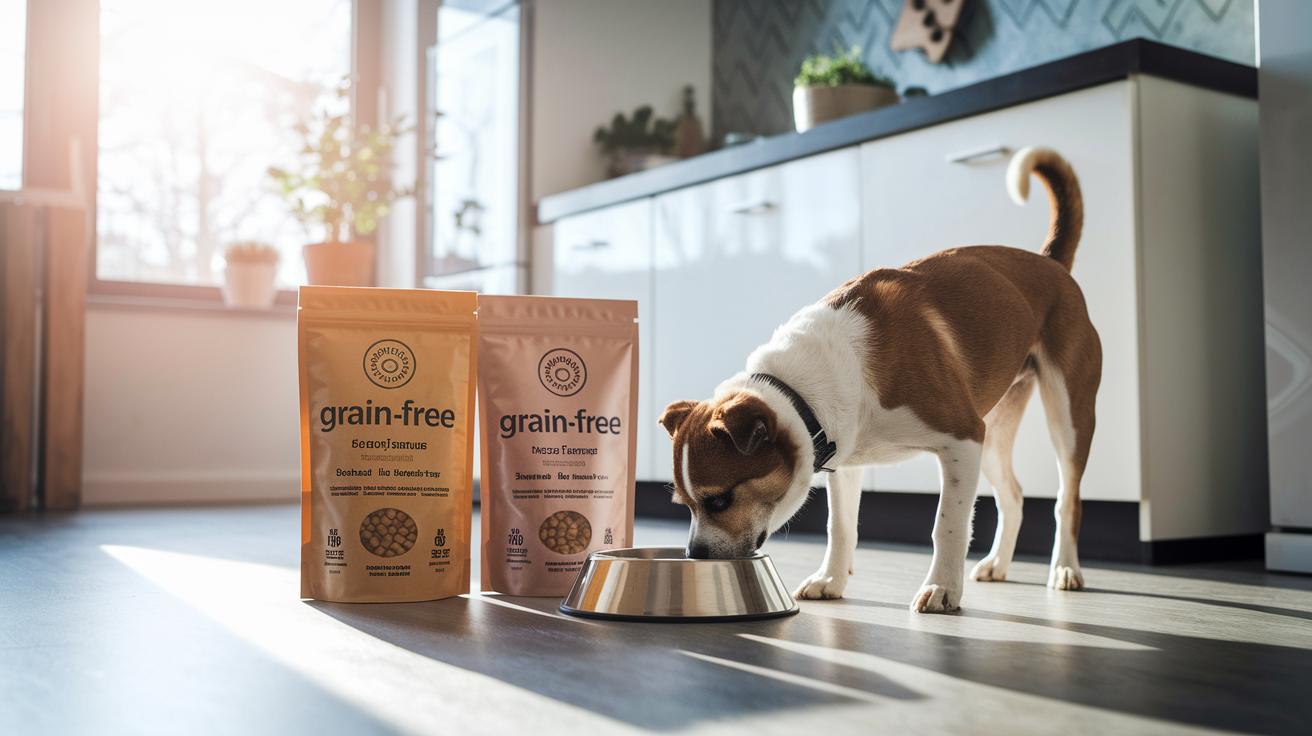
When choosing food for your dog, vets point out clear differences between grain-free and grain-inclusive meals. Grain-free diets have caught the eye of many, thanks to promises of fewer allergens and a simpler list of ingredients. On the other hand, diets that include grains offer benefits like fiber and B-vitamins from whole grains that help keep your dog’s tummy happy.
Vets remind us that any dog food should follow AAFCO life-stage standards. In simple words, this means the food must balance all the nutrients your dog needs to stay active and healthy. For example, a grain-inclusive food might be more affordable while naturally providing key nutrients. Meanwhile, a grain-free food might call for added nutrients, like taurine, to make up for what it lacks. A smart tip: always check that your dog's food is balanced, even without grains.
In real life, both diets have their good points and drawbacks. Grain-free food is a solid choice for dogs with a true grain allergy or sensitive stomach. But for many pets, grains can add a nice boost of fermentable fiber that supports digestion. At times, grain-free meals need extra help to cover all nutritional bases. Conversely, grain-inclusive meals pack nutrients from natural ingredients but may not suit dogs with specific allergies.
| Diet Type | Pros | Cons |
|---|---|---|
| Grain-Free | Simpler formulas, great for true grain allergies, may reduce inflammation | May require extra nutrients, possible nutrient gaps if not balanced well |
| Grain-Inclusive | Provides fermentable fiber and B-vitamins, cost-effective, supports gut health | May trigger mild allergies in sensitive dogs |
| Balanced Formulation | Meets nutritional standards per AAFCO, can be tailored with a vet’s advice | Needs vet input to ensure all health needs are met |
How to Choose Vet-Approved Dog Food Safely
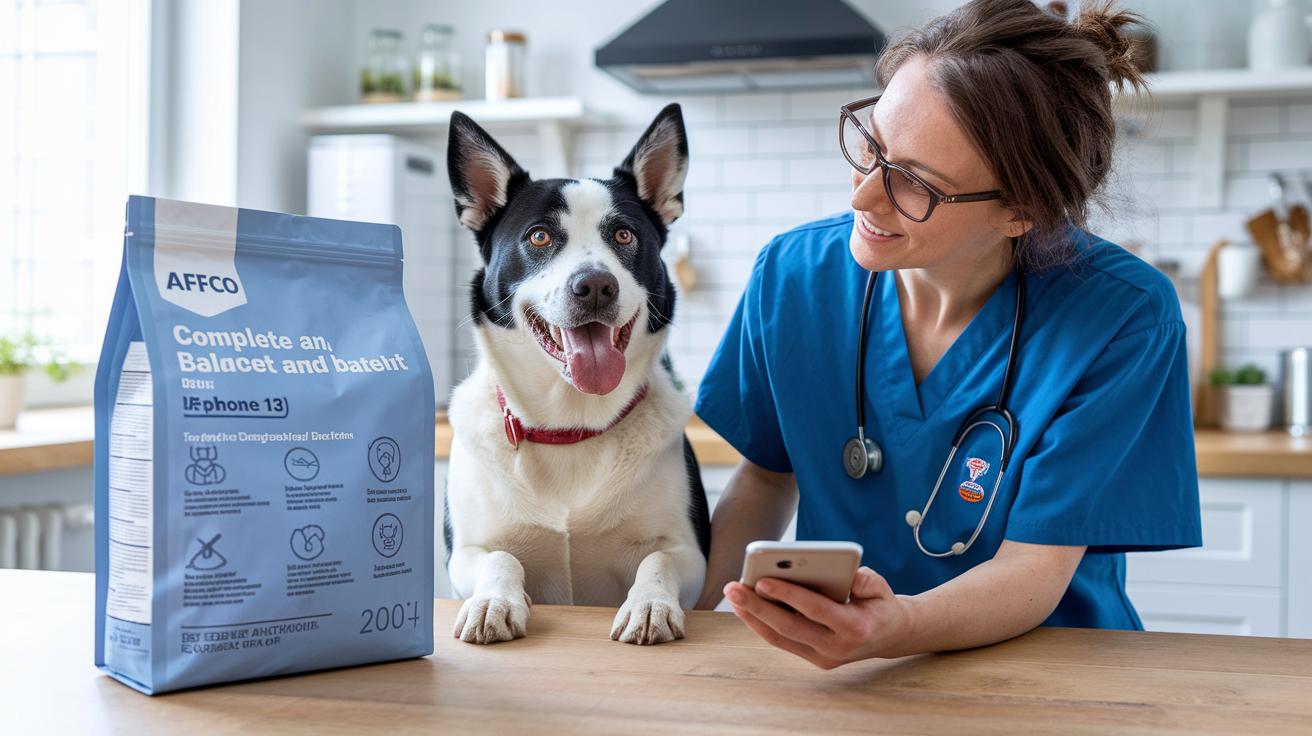
When you choose dog food, make sure it says "complete and balanced" for your dog's age and activity level. Look at the label for an AAFCO statement. This means the food follows basic nutrition rules. And it's always a smart move to ask a vet-nutritionist before changing your dog’s meals. They can help check that the new food meets your pet’s needs.
Here are five simple tips to help you pick vet-approved dog food:
- Make sure the package says it is complete and balanced.
- Look for an AAFCO statement to show it meets nutrition standards.
- Talk to a vet-nutritionist before you change the diet.
- Choose food with a high-quality protein (the first ingredient should be a named meat).
- Steer clear of unnecessary fillers and artificial additives.
These tips help you choose food that supports your dog's overall health and gives you peace of mind.
Alternatives and Holistic Strategies Beyond Grain Removal

Many pet parents are seeking ways to feed their dogs without completely cutting out grains. One option is a limited-ingredient diet that uses new proteins. With fewer ingredients, this type of food gives your dog quality nutrition and may lower the chance of a reaction.
Homemade recipes are another great choice. When you cook for your dog, be sure to mix in exact amounts of supplements like omega-3 fatty acids and taurine (an important nutrient) under your vet's advice. This caring approach lets you adjust meals to your pet's needs and avoid unnecessary fillers.
Wet food or high-protein non-cereal diets also work well. They can be easier on a sensitive tummy and help keep your dog well hydrated. This option supports delicate stomachs without needing a complete grain-free recipe.
Remember to balance any new diet with regular health check-ups, like heart screenings, to make sure your dog stays healthy. Combining these thoughtful feeding choices with routine vet visits helps ensure your furry friend thrives.
Final Words
In the action, we explored vets’ advice on when grain-free diets may work best for pets and when they might pose risks. We broke down expert opinions, compared grain-free and grain-inclusive options, and shared tips for choosing vet-approved food.
We dove into safe strategies and alternatives that support your pet’s unique needs. Do vets recommend grain free dog food? It depends on your pet's health and allergies. Always chat with your vet and make the best choice for your furry friend.
FAQ
What are the pros and cons of grain-free dog food?
Grain-free dog food may help reduce allergy symptoms and ease digestive upset in some dogs, but it can also pose risks like potential nutrient imbalances and heart concerns, so a vet’s input is key.
What warnings exist for grain-free dog food?
Grain-free dog food warnings focus on a possible link to canine dilated cardiomyopathy (DCM). Vets advise careful monitoring of your pet’s heart health when using these diets.
What are common myths about grain-free dog food?
A common myth is that grain-free dog food is always healthier. In reality, its benefits depend on your dog’s needs, and vets recommend grain-free only for pets with genuine grain allergies or sensitivities.
Why might grain-free diets be good for dogs?
Grain-free diets are considered good for dogs with identifiable grain allergies or gastrointestinal sensitivities. They help lessen inflammation and discomfort by avoiding common allergens like corn, wheat, and soy.
Is grain-free dog food good for dogs with allergies?
Grain-free dog food can benefit dogs with diagnosed grain allergies by reducing allergic reactions and digestive issues. However, always work with your vet to decide the best diet for your pet.
What do vets say about grain-free dog food?
Vets are divided on grain-free dog food. While some support it for pets with allergies, others caution about potential nutrient imbalances and heart risks. Professional advice can help guide your decision.
What should I look for when choosing the healthiest dog food?
The healthiest dog food is one that is complete and balanced per AAFCO standards, features high-quality proteins, and suits your pet’s age and activity level. Vet consultation is recommended.
What is meant by non-grain-free dog food?
Non-grain-free dog food includes traditional grains that provide fiber and B-vitamins to support gut health. These diets offer balanced nutrition if formulated to meet your dog’s dietary needs.
What is the FDA warning about grain-free dog food?
The FDA warns about a potential link between grain-free dog food and canine dilated cardiomyopathy (DCM). Pet owners should watch for heart issues and consult with their vet if concerned.