


Have you ever thought that donating money is the only way to help animal rescues? Actually, there are many hands-on ways to lend a hand. You can volunteer your time, foster a pet, or help out with simple daily tasks that mean a lot to local shelters. Getting involved can lift a pet's confidence and create a warm, caring home. In this post, we share clear ideas that show every little effort matters and that every pet parent can make a real difference.
Essential Volunteer and Hands-On Support for Local Animal Rescues
Local animal rescues need kind pet parents like you. Many shelters run simple programs where you go to an orientation, get some training, and work a few shifts. When you join in, you help the rescue run smoothly and give each animal a little extra love.
For example, volunteers spend time with shy pets to ease their worries. By walking dogs, playing with cats, cleaning kennels, and helping out during busy times, you make a big difference. Every little task adds up to a caring community that helps pets feel safe and ready for adoption.
- Walk dogs to give them fun exercise and a chance to socialize.
- Spend time with cats so they feel safe, even in a busy shelter.
- Clean kennels to keep all the animals in a healthy space.
- Help the staff during busy times to keep everything running well.
- Set up play sessions to boost the animals' moods.
- Lend a hand sorting and delivering rescue wish list items.
Ready to help? Check with your local shelter or rescue for upcoming volunteer orientations. Many centers offer flexible shifts that work with your schedule and give you the training you need to start making a difference right away.
Engaging in Foster Care Programs to Double Rescue Capacity

Foster care programs help you make a big difference by letting you care for an animal for just a few weeks. When you welcome a pet into your home for 2 to 4 weeks, you not only ease shelter crowding but also give the pet a chance to learn how to be loved. The shelter covers food, vet care (medical support), and even some basic training. Even if you're new to fostering, your temporary care can get a pet ready for a forever home.
To start, call or visit your local shelter or rescue center. Ask them about their foster program and follow their simple steps. You might join a short orientation or training session. They will help match you with a pet that fits your home and lifestyle. This friendly support builds your confidence and makes fostering a win for both you and the animal.
One local shelter saw a 50% drop in kennel crowding after growing their foster network. That real success shows how your help can give pets one-on-one care and a calmer space to thrive. Your involvement lightens the shelter's load and makes life better for many pets in need.
Organizing Adoption Events and Community Outreach for Rescues
Adoption events bring pet lovers together and help more pets find caring homes. These events spread the word about local rescues while creating a friendly, fun space for everyone. You might see pop-up booths in parks, mobile adoption trailers, or even weekends dedicated to pet adoptions. For example, one city held a spring fair that helped 25 pets go home in just one weekend. When our community unites in this way, pets and people both get a boost of good vibes.
Planning a successful event means thinking through the details. Choose places that are easy to find and have plenty of room for pets and people. Check if you need any permits for parks or community centers. Be sure to plan staff shifts with volunteers, shelter team members, and local helpers so that visitors get all the information they need. And don’t forget to plan for safety by setting aside a special play area and keeping a first aid kit nearby.
Local businesses can add extra spark to your event. Many cafes or pet supply stores might donate supplies or help advertise the event. Some might even sponsor a few small giveaways. By teaming up with these partners, rescues can reach even more pet lovers and make every event brighter and more impactful.
Leading Educational Outreach and Advocacy for Animal Welfare

We believe that spreading simple tips on pet care builds a caring community. School talks on how to care for pets help students become animal advocates. When a local library or community center hosts a workshop, pet owners get clear, hands-on advice to keep pets safe and happy. This approach not only teaches, they inspire everyday support for animal welfare.
When you plan a pet education project, pick topics that everyone can relate to. You might talk about programs like trap-neuter-return for community cats, safe ways to control pests, or even how to plant gardens that help pollinating insects. These ideas are friendly for families, students, and community volunteers alike. Use plain language and clear, real-life examples so anyone can join in.
To create an engaging pet workshop, start by choosing a warm, welcoming spot. Libraries, community centers, or even online platforms work great for these sessions. Pick a time that works for your audience and choose a space that encourages chatting and hands-on fun. Use simple visuals and share everyday examples to connect with your listeners. With a bit of planning and a friendly touch, you can make a real, lasting difference in how your community cares for its pets.
Amplifying Rescue Awareness with Digital Campaigns and Social Media
We know you care about rescued pets. Running a fun digital campaign can help more people see their stories. Try planning posts that share pet profiles and touching rescue tales. Simple hashtags can lift adoption questions by nearly 40%. Picture a "Pet of the Day" post that shows a different rescue story each day. Use friendly photos and clear words that invite pet lovers to click, share, and comment. Post when your community is most active. This way, you build an online family that supports pets and local shelters.
It’s just as important to track your success as it is to set up your campaign. Check basic stats like likes, comments, and shares on sites like Facebook and Instagram. For example, your "Pet of the Day" week might earn about 50 new adoption applications. Watch which posts get the best response and adjust your content based on what you see. This simple feedback keeps your campaign fresh and growing.
Coordinating In-Kind Support and Resource Donation Drives
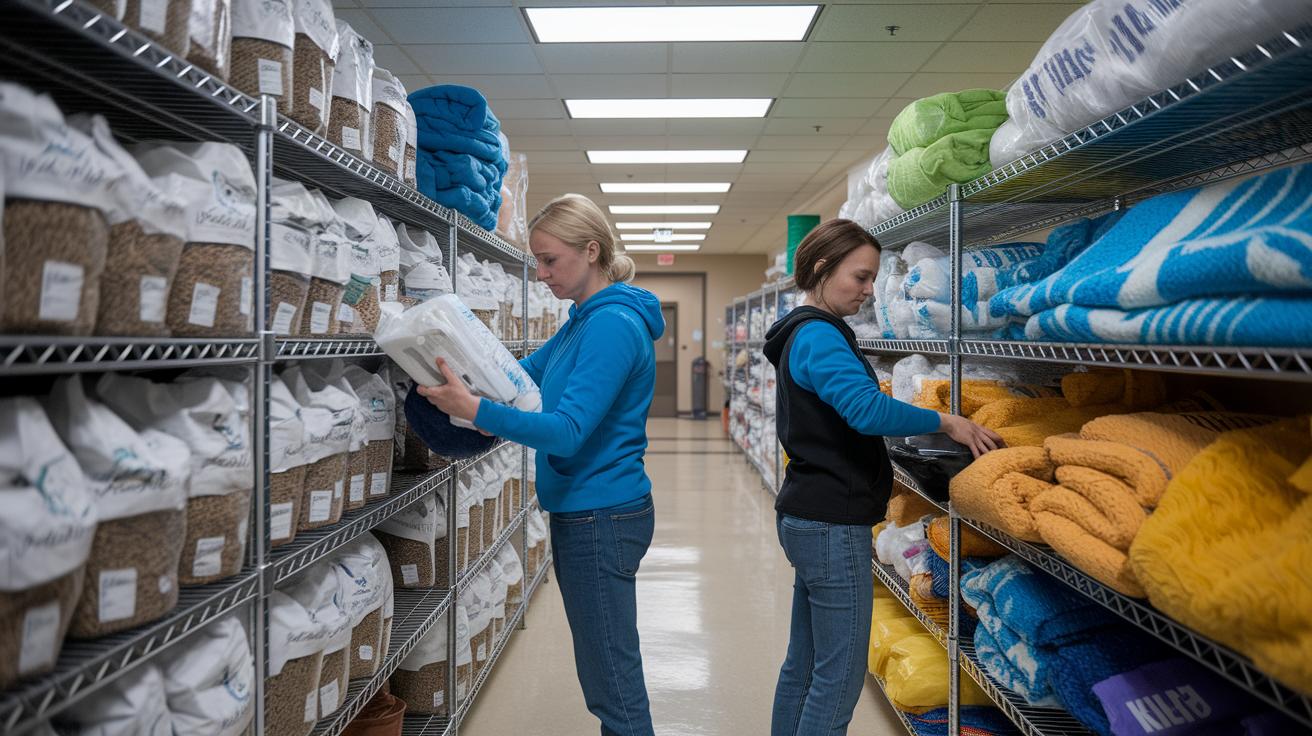
In-kind support is a hands-on way to help local animal rescues while keeping costs low. Many shelters list everyday needs like crunchy kibble, warm blankets, cleaning supplies, and even litter on their wish lists. One workplace drive gathered 300 pounds of food in just two weeks. That shows how quickly community help adds up. When you plan a donation drive, you supply shelters with the real items that help keep them open and feed rescued animals every day.
- Site selection: Pick a busy, central spot that is easy to reach and safe.
- Wish-list setup: Work with your local shelter to make a clear list of what they need.
- Promotion: Tell your community using boards, social media, and local newsletters so people know how to lend a hand.
- Collection: Set up drop-off points and plan regular pick-ups to keep the donations flowing.
- Delivery: Team up with shelter staff to make sure every donation is delivered and recorded correctly.
Teaming up with local businesses can make your drive even stronger. They might offer more drop-off spots, help share your message, or chip in with items. This kind of teamwork not only boosts donations but also builds a caring network of local support for animal rescues.
Final Words
In the action, your hands-on help brings big changes to shelters and rescues. We covered volunteer programs, foster care, event planning, outreach, digital campaigns, and in-kind supply drives. Each method shows clear ways to support local animal rescues besides donating money. Small actions like walking a dog or sharing a pet profile add up to a big impact. Your efforts keep pets happy and rescues strong. Keep making a difference and enjoy the positive change you create.
FAQ
Q: What are 13 creative ways to help animal shelters?
A: The 13 creative ways to help animal shelters include volunteering, organizing adoption events, fostering animals, donating supplies, promoting digital campaigns, and hosting community outreach projects. Each idea boosts shelter support and animal care.
Q: How can I help animal shelters without adopting?
A: Helping animal shelters without adopting means volunteering, running donation drives, supporting foster programs, and sharing rescue stories online. Your actions lighten shelter work and improve overall animal welfare.
Q: How can I help animals as a kid?
A: Helping animals as a kid can mean joining local volunteer projects, caring for household pets, and organizing food or toy drives. Even small steps make a big impact when you show responsibility and compassion.
Q: How can I help animals around the world?
A: Helping animals worldwide involves supporting international rescue efforts, spreading awareness through social media, donating supplies, and joining global pet care initiatives that connect communities across borders.
Q: How do I find animal shelters near me?
A: Finding animal shelters near you is easy with a quick local online search or checking community boards. Visiting nearby shelters helps you get directly involved with animal care and volunteer programs.
Q: How can I support and promote local animal shelters in my community?
A: Supporting local shelters in your community can include volunteering, coordinating adoption events, running social media campaigns, and donating essential supplies. Your active participation brings more attention to shelters and helps animals find homes.
Q: How do I start an animal rescue with no money?
A: Starting an animal rescue with no money means building community networks, partnering with local shelters, volunteering your time, and using free social media tools. Many rescues begin small and grow through dedicated local support.