


Ever thought one little bag of cat litter could make a big difference? When you donate just one bag, you create a clean, safe space where cats and kittens can feel at home. Your kind act eases the shelter’s work and helps keep animals healthy.
In this post, we share five simple steps to show how your donation spreads kindness in your community. Even a small gift can bring comfort to a pet in need.
Donate Cat Litter to Animal Shelters: Share Kindness
Start making a difference with these five simple steps. Every bag of Cat’s Pride corn-based litter you donate sends one pound of litter to shelters. That safe, non-toxic litter helps keep our furry friends' spaces clean and comfy.
-
Find Shelters That Accept Donations
Look for local animal shelters that welcome donations. A quick online search or a visit to your neighborhood animal center should help. Remember, every bag makes a difference. -
Understand Their Needs
Make sure the shelter takes only new, unopened bags of quick-clumping, odor-blocking litter. They may require a recent manufacture date and sealed packaging so you know you’re giving the right kind of help. -
Pack the Litter Carefully
Place the litter in a sturdy, plastic-lined box. Use heavy-duty tape to seal it and write down key dates and details on the package. -
Choose How to Deliver
Decide if you want to drop off the litter at a designated spot or ship it directly to the shelter. Look into cost-saving options like flat-rate shipping boxes. -
Confirm It Was Received
Follow up with the shelter to make sure they got your donation. This lets you see how your help adds up, especially since your gift is part of over 9 million pounds donated nationwide.
Every step you take spreads kindness while giving shelters the safe cleaning supplies they need.
Eligibility and Requirements for Donating Cat Litter
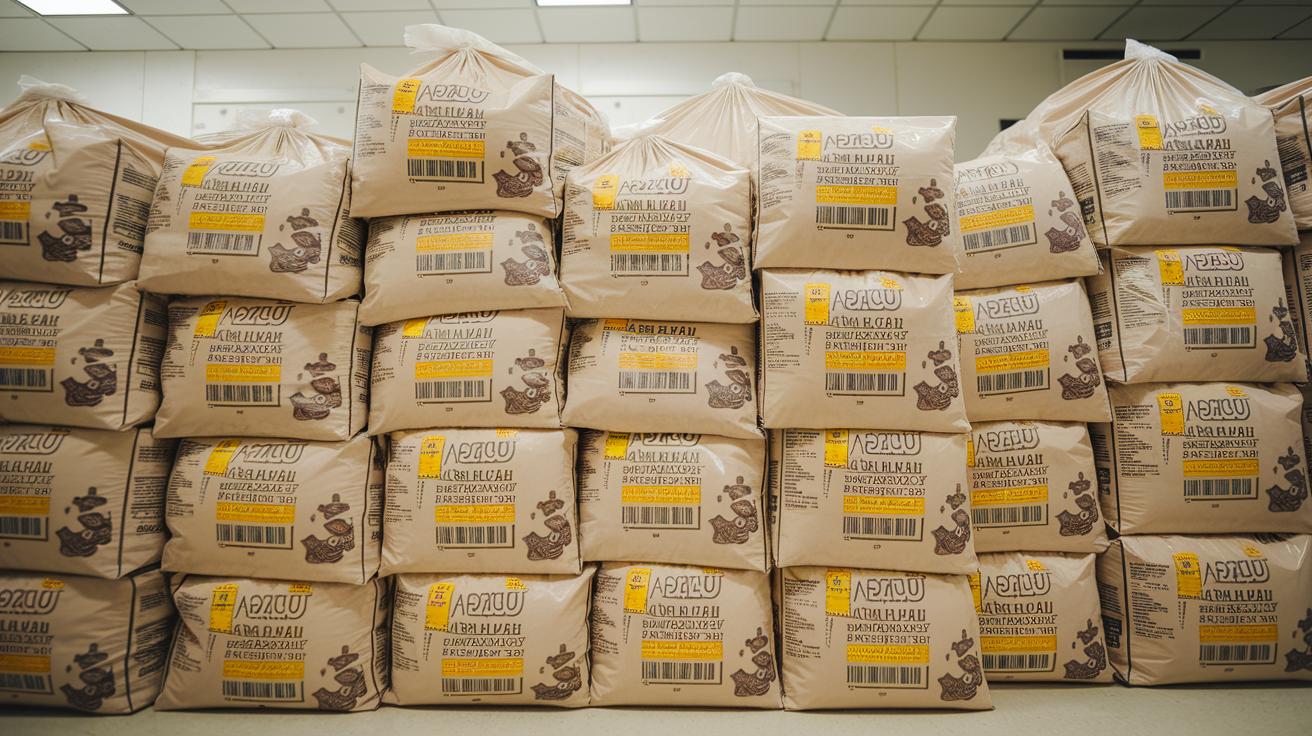
Animal shelters look for specific qualities in donated litter. Please follow Steps 2 and 3 when you prepare your donation. The litter must be new, unopened, and clump quickly. It should be corn-based, non-toxic (free from harmful chemicals), and low in dust so it is safer to work with.
Each bag must include a manufacture date within the past 12 months and be in a sturdy, plastic-lined box. This keeps the litter clean and free from contamination. Every bag you donate helps shelters provide a safe, fresh environment for their cats.
When you pack a bag with these details – new, unopened, quick clumping, low-dust, and made within 12 months in a sealed box – you make a big difference in keeping shelter spaces safe and clean for our feline friends.
Top Animal Shelters Accepting Cat Litter Donations
Many shelters and rescue groups across the country are grateful for your cat litter donations. Our Litter for Good program has partnered with over 120 shelters and cat cafés in all 50 states and Canada. They need fresh, unopened, quick clumping litter to help keep cats safe and cozy.
We work closely with local humane societies who serve their communities every day. For example, Best Friends Animal Society is one of our key partners. These groups, along with local rescue coalitions, depend on reliable litter donations to provide the cleaning supplies that help care for more than 3 million cats each year.
Here are some groups that welcome your extra litter:
- Humane societies that care for rescued pets.
- Best Friends Animal Society, known for their heartfelt care.
- Local rescue teams ready to jump in during emergencies.
- Cat cafés that serve as both safe spaces and adoption hubs.
Your donated litter goes straight to helping these groups keep their areas clean and safe. Every bag supports shelters in meeting the high demand for cleaning supplies. Learn more about how you can help by visiting animal rescue donations.
Best Practices for Shipping and Drop-Off of Cat Litter Donations
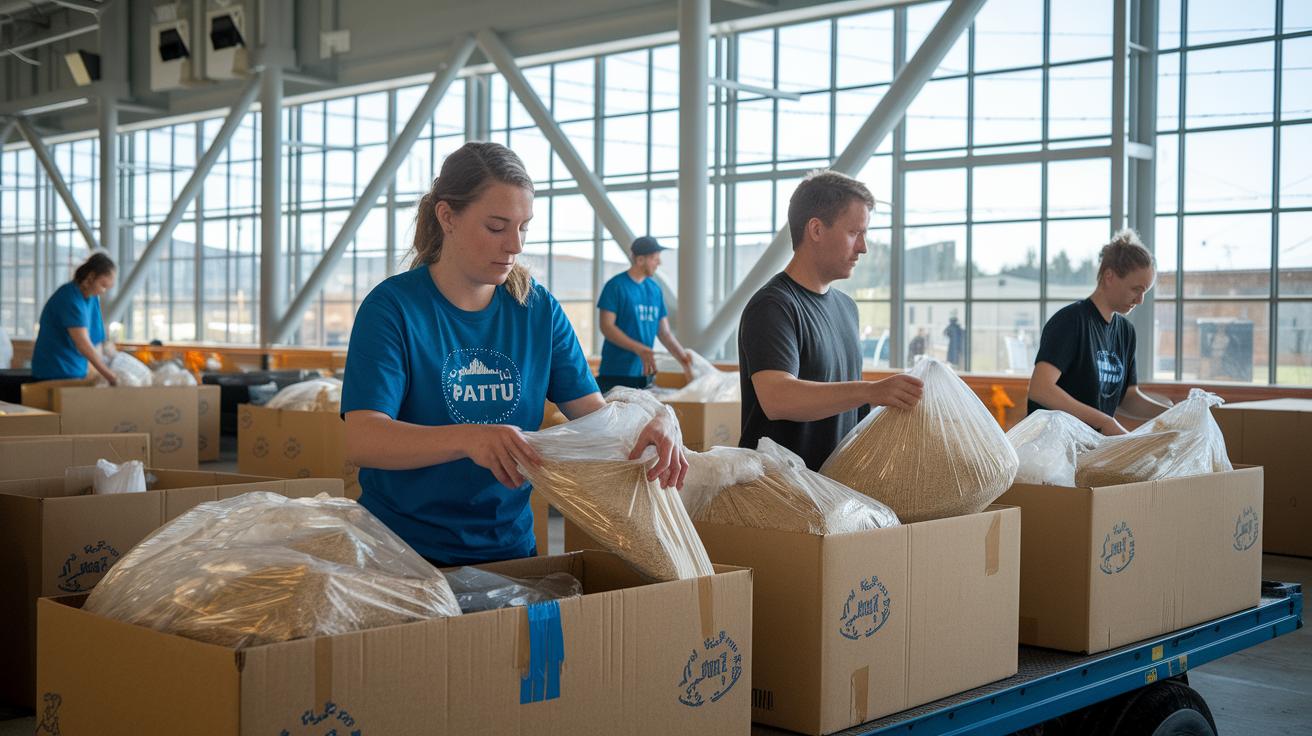
When you ship cat litter donations, flat-rate carrier boxes can help you save money. These boxes often fit litter bags well while keeping costs down. Be sure to seal your package tightly with strong tape. This extra step stops spills and damage during transit.
If you’d rather not handle shipping yourself, try manufacturer-fulfilled donations. With this option, the supplier sends the donation straight to the shelter. It saves you time and extra work.
For drop-offs, check with your local shelter or rescue group first. Common drop-off spots include:
- Shelter front desks
- Donation bins set up for contributions
- Curbside pickups (call ahead to confirm times)
Using these easy methods helps keep shelters clean and safe while supporting rescue teams. Careful planning ensures your donation arrives ready to help improve the pet space. Follow these tips for a smooth experience every time you donate.
The Impact of Donating Cat Litter to Animal Shelters
When you give cat litter to shelters, every bag matters. Each donation helps keep cats in a safe, clean space. In fact, more than 9 million pounds of litter have helped thousands of cats stay healthy.
Your donation can save shelters over $200,000 each year on supplies. This means more money for food, care, and fun toys for the cats. A good, quick-clumping litter makes it easier to clean and gives cats a comfy spot while they wait for their forever homes.
By donating cat litter, you help take care of over 3 million cats each year. Many of these cats are still waiting for a permanent home. Your support gives shelters the supplies they need to keep cats happy and healthy, and every bag of litter makes a real difference in the community.
Final Words
In the action, we walked you through finding eligible shelters, checking requirements, and safely packaging your litter donations. We offered practical tips for shipping or drop-off and highlighted the real impact on shelters and cats. Each step helps ensure your donation makes a difference. By following this guide, you can confidently support rescue centers and strengthen their mission. Your efforts help improve shelter hygiene and feline well-being. Remember, every time you choose to donate cat litter to animal shelters, you’re making a positive change.
FAQ
How can I donate cat litter to animal shelters near California?
Donating in California follows clear guidelines. Shelters accept only new, unopened, and properly packaged litter that meets their safety and freshness standards. Check local sites to find your nearest drop-off.
How can I donate cat litter to animal shelters near Texas?
In Texas, the process is similar. Look for shelters that need new, sealed, corn-based litter and follow local guidelines for drop-off or shipping arrangements.
How do I donate cat litter to animal shelters near me?
You can donate near you by finding local shelters through our resource page. Ensure the litter is new, unopened, and meets the safety standards before dropping it off or shipping it.
Can I donate cat litter to animal shelters?
Yes, shelters welcome donations of cat litter if it is new, properly sealed, and meets their non-toxic, low-dust, and quick-clumping requirements.
What is Freekibble litter?
Freekibble litter is a specific type known for its quick clumping and easy cleanup. Make sure it fits the donation criteria if you plan to donate it to a shelter.
Where can I donate cat litter?
You can donate to partner shelters and cat cafés listed on our “where to donate pet supplies to shelters” page that accept new, sealed bags of approved cat litter.
Where can I get free cat litter for low income families?
Some community programs and local shelters offer free cat litter to low-income families. It’s best to check with nearby rescues or social service agencies for available assistance.
Will animal shelters take old litter boxes?
Shelters usually decline old litter boxes as they prefer new, clean items for safety and hygiene. It’s best to donate only unopened products.
Where can I get rid of used cat litter?
Used cat litter should be disposed of according to local waste guidelines. Do not donate used litter since shelters require fresh, sealed products.
What items can’t be donated to animal shelters?
Shelters generally won’t accept used cat litter, old litter boxes, or any items not in their original, unopened packaging. Always check each shelter’s donation requirements.