
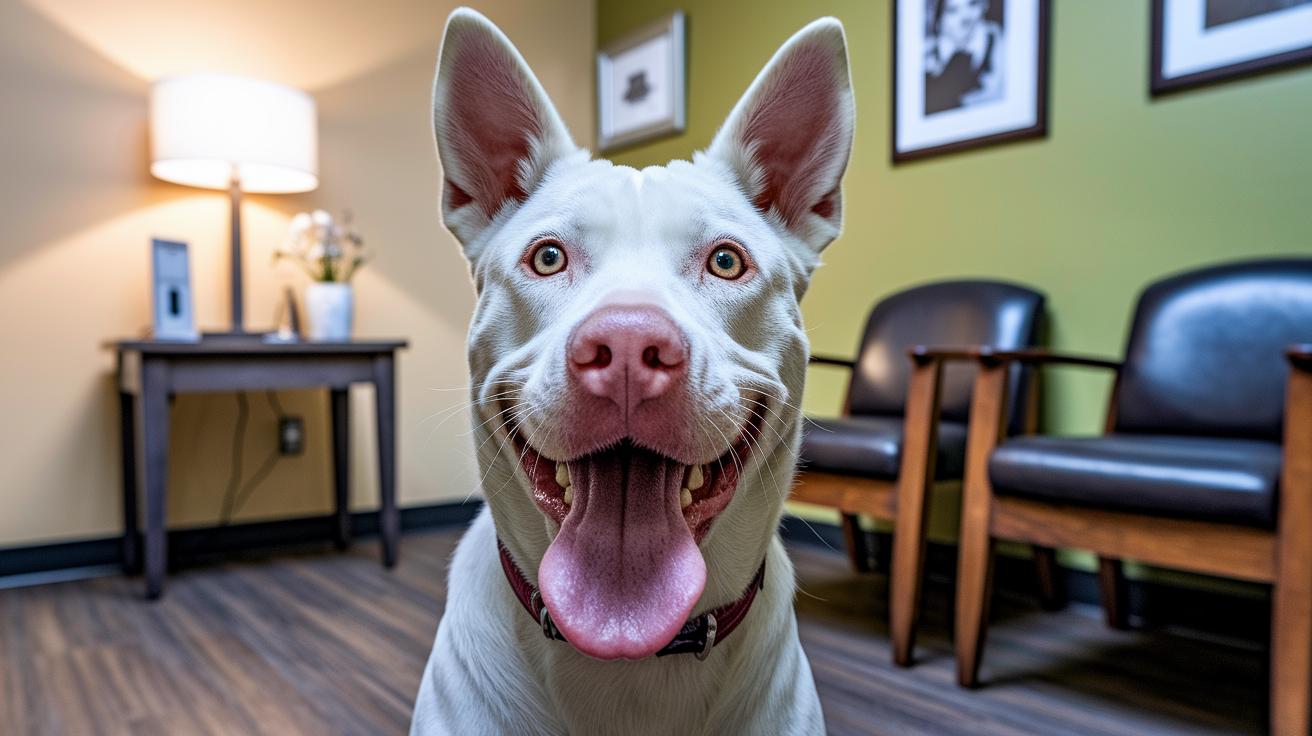

Ever wonder if your dog's smile could be even brighter? Many pet parents skip daily dental care, even though a clean mouth means fresh breath, fewer trips to the vet, and less pain. In this guide, we share simple daily tips, gentle brushing steps, and fun chew toys to help keep your dog's teeth strong. Stick with us and see how a quick routine can light up your pup's smile while keeping them healthy and happy.
dog oral care guide: Brighten Your Pup's Smile
Taking care of your pup's teeth helps keep them happy and healthy. A clean mouth means fresh breath and more fun playtime with fewer trips to the vet. When you care for their teeth, you help prevent painful dental issues that can hurt other parts of their body too.
Stick to a daily routine to keep plaque away and maintain fresh breath. You can brush their teeth gently using a pet-safe toothbrush and toothpaste, let them chew on dental toys that massage their gums, and even try VOHC-approved chews for extra cleaning. Keep an eye on your dog's mouth to catch early signs of sore or red gums.
For example, gentle, small circles when brushing work like magic, smoothing out little wrinkles like on your favorite blanket. We share easy tips and reminders for mixing daily care with occasional check-ups, so your pup can keep flashing that bright, healthy smile.
Understanding Canine Dental Health Basics
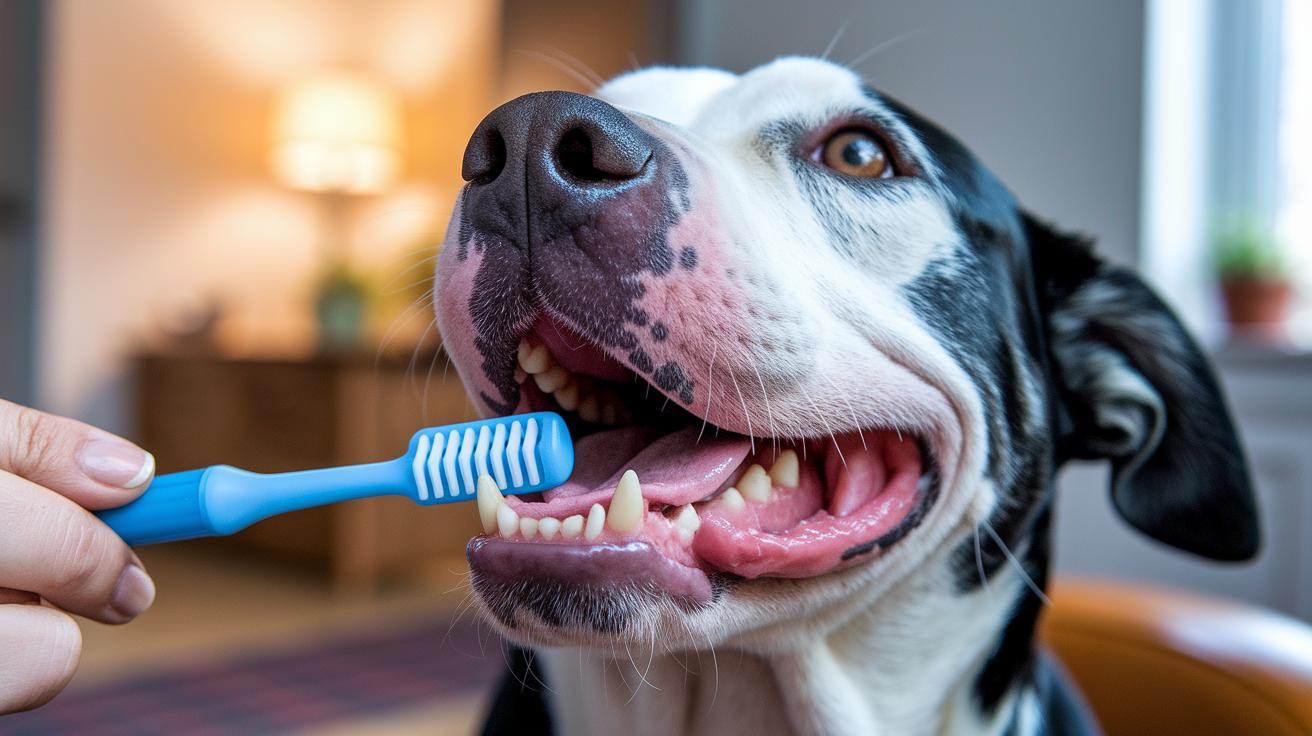
Dogs' teeth work hard every day when they eat, chew, and play. They have different types of teeth like incisors, canines, premolars, and molars that help with biting and grinding food. Plaque can form on these teeth and start dental problems without you noticing. If plaque is left untreated, it can cause painful infections and may even affect the heart, kidneys, or lungs.
A daily dental care routine is key to keeping your dog's mouth healthy. Brushing with a pet-safe toothbrush and toothpaste helps remove plaque and keeps the gums in great shape. Even a small spot on the gums might signal early gum inflammation or infection, so it's important to stay on top of it.
We recommend regular vet check-ups to catch any issues early. Most dogs benefit from an annual visit, but older dogs or those with dental issues might need a check-up every six months. During these visits, the vet checks for tartar build-up and may suggest a professional cleaning if needed.
Keeping up with daily care and regular vet visits helps maintain healthy teeth and gums. A solid dental routine not only brightens your pup's smile but also supports overall health, allowing more playtime and a happier life.
Identifying Common Dog Dental Issues
Your pup's mouth health is important. Dental problems can sneak up on you if you're not paying attention. Catching early signs lets you clear away plaque (that slimy buildup) and slow down tartar (hardened plaque). Many issues start small before growing into bigger health concerns.
Special dental diets and chew treats with the VOHC seal help cut down on plaque. Vet-approved water additives and oral rinses work to lower bacteria and freshen your dog's breath. These steps, used regularly, protect gums and teeth.
Here are four common issues you might see:
- Plaque buildup along the gums
- Tartar deposits (hardened plaque)
- Gum inflammation (gingivitis)
- Advanced periodontal disease
Plaque and tartar often cause discomfort and make eating harder. Inflamed gums can swell and hurt when chewing. If dental disease worsens, it might even affect your dog's overall health. Keeping a close eye on your pup's mouth and using these cleaning methods can help maintain a bright, healthy smile.
At-Home Dog Teeth Cleaning Best Practices

Brushing your dog's teeth every day is the best way to keep their mouth healthy. Use a pet-safe toothbrush or a finger brush along with vet-approved toothpaste to gently remove plaque from your pup's teeth. Don't use human toothpaste because it can upset your dog's stomach and it doesn't clean as well.
Start with a simple routine. You can try these steps:
- Wet the brush with a little water and add a pea-sized amount of toothpaste.
- Lift your dog's lips gently so you can see the teeth and gums.
- Brush in small circles on the front and back of the teeth.
- Work your way carefully to the inner areas.
Being consistent is important. Brush your dog's teeth at least once a day. This helps stop plaque from turning into tartar, which can cause sore gums and even harm important organs like the heart and kidneys. Some dogs might not like the toothbrush at first, so spend a few minutes every day letting them get used to it. A little praise or a pet-safe treat can make a big difference.
Dental toys can also be a fun part of the routine. Rubber or rope toys are great for play and can massage your dog's gums as they chew. A sturdy rope toy not only entertains your pet but also gives their gums a gentle massage that helps boost circulation.
Mixing regular brushing with dental toys is a great way to fight plaque and keep your dog's smile bright and healthy.
Essential Oral Hygiene Products for Dogs
Taking care of your dog's teeth can be simple and fun. You can use a pet-safe toothpaste with a finger brush for better control or a regular toothbrush for a firmer feel.
Try VOHC-approved dental diets and chews that help lower plaque and tartar. Dental toys made of rubber or rope work by gently massaging your dog's gums as they chew. Rotate these toys a few times a week to keep your dog's smile balanced and healthy.
Step-by-Step Dog Teeth Brushing Routine

Brushing your dog's teeth can be simple and enjoyable. Use a pet-safe toothbrush or finger brush with vet-approved toothpaste to help remove plaque gently. Hold the brush at a 45° angle (a small tilt that matches your dog's gumline) so you clean without using too much pressure. Just a few minutes daily will keep your dog's mouth healthy and fresh. As you go, praise your pet and give a pet-safe treat to make the experience positive.
- Let your dog sniff the toothbrush and taste the toothpaste so they get used to the flavor.
- Gently lift your dog's lips to show the teeth and gums.
- Squirt a little toothpaste on the brush and clean in small circles, keeping the brush at a 45° angle.
- Brush both the outer and inner sides of the teeth using short, careful strokes from front to back.
- Praise your dog throughout the process and give a treat at the end to reward them.
DIY and Alternative Dog Oral Care Strategies
Taking care of your dog's teeth at home can be both fun and simple. You can boost your pup's dental care with pet-friendly home remedies that are safe and easy to use.
Try adding a few drops of a vet-approved water additive to your dog's bowl. It helps reduce bad bacteria and freshens breath as your pet drinks. On days when brushing isn't possible, use pet-safe dental wipes. These wipes gently wipe away food bits and light plaque, helping keep your dog's smile cleaner between brushings.
A playful tip is to use dental chew toys. These toys massage your pup's gums and scrape off plaque during playtime. They turn fun into an extra dental care session.
Remember, home care is great, but it doesn’t replace a professional cleaning. A vet cleaning under anesthesia removes buildup below the gumline, where daily care can’t reach. Regular vet check-ups help spot issues early. Mixing daily home care with these easy tips can help your pup enjoy a healthy, bright smile.
Professional Veterinary Dental Care for Dogs
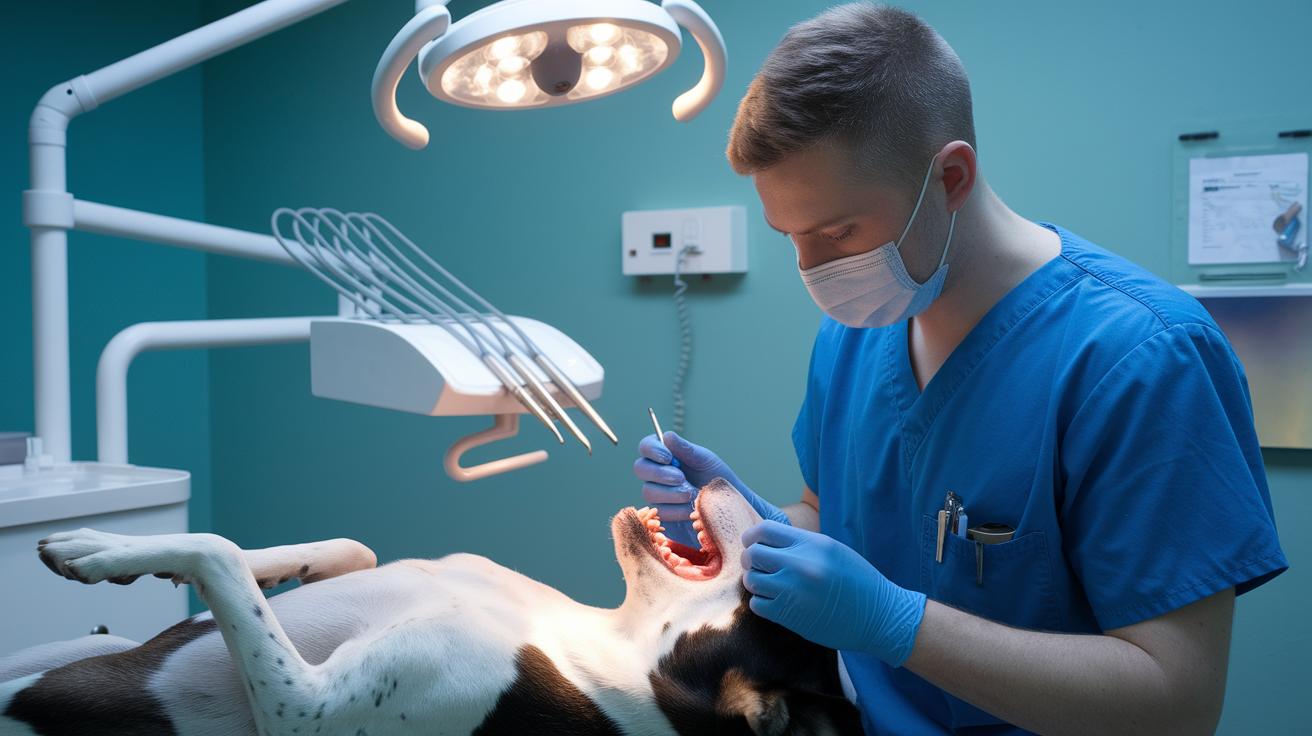
When your vet cleans your dog's teeth under anesthesia, they can do a lot more than what you can manage at home. This procedure lets the vet look at every tiny corner of your pup's mouth, even the areas tucked under the gums. They carefully remove hard plaque and tartar buildup. Cleaning under the gum stops infections that could harm important organs like the heart, kidneys, or liver.
We usually recommend a yearly dental exam to catch any early signs of trouble. If your dog is older or has extra risks, you might want to visit the vet every six months. During these visits, the vet checks the teeth, gums, and overall mouth health with a gentle touch. With anesthesia, your pup stays relaxed so the vet can work safely and thoroughly.
After the cleaning, your vet may suggest a few changes for home care. You might try a different toothbrush or add a water cleaner to your routine. Keeping up with follow-up care is key to preventing dental issues. For more pet care tips, check out our complete pet care guide at https://goodpawsgoodcause.org?p=436.
Final Words
In the action, we broke down how to keep your pet's mouth clean and healthy. We covered everything from brushing techniques and dental toys to safe products and even at-home tips. We also highlighted how regular vet checks can catch early dental issues.
Following this dog oral care guide will help your pet enjoy fresher breath and better overall health. Keep smiling and enjoy every playful moment with your furry friend.
FAQ
What are the best dog dental care products?
The best dog dental care products include VOHC-certified chews, pet-approved toothpastes, and safe toothbrushes. They help reduce plaque and tartar, keeping your dog’s breath fresher and their smile healthier.
How do I provide dog dental care at home?
At-home dog dental care means using pet-safe toothpaste and gentle brushing daily. It can also include dental toys and water additives to manage plaque build-up and support overall oral health.
What dental care options do vets recommend for dogs?
Vet recommended dental care for dogs combines regular brushing, specially formulated diets, and water additives with periodic professional check-ups. These routines help prevent plaque issues and reduce the risk of dental disease.
How can I find dog dental care services near me?
Dog dental care near you can be found by visiting local veterinary clinics and pet care stores. They often offer professional dental cleanings and advice on the best in-home care strategies.
What is Pet Dental Month 2026?
Pet Dental Month 2026 is a time dedicated to raising awareness about pet oral hygiene. It encourages pet parents to focus on dental check-ups, share care tips, and take advantage of local promotions.
What are Veterinary Dental Month promotions near me?
Veterinary Dental Month promotions near me are special offers from local veterinarians on dental services. They help pet parents access affordable cleanings and check-ups to maintain their pet’s oral health.
How do dog oral health water additives work?
Dog oral health water additives work by reducing bacteria in your pet’s water, which supports cleaner teeth and fresher breath. They are a simple, complementary step to daily brushing for enhanced oral care.