


Ever worry that letting your dog off the leash will lead to chaos? It may seem risky at first, but off-leash training builds trust, safety, and confidence. With simple commands and fast rewards, your pup learns to return every time, even when there are distractions. This training turns playtime into a safe, guided adventure where your dog can explore and enjoy freedom. Start in a quiet spot and slowly add more challenges. Soon, you'll have a happy, secure dog. Ready to see how a little practice can bring fun and control?
Achieve Reliable Recall with Off Leash Dog Training Best Practices
A strong recall keeps your dog safe and happy. You want to be sure your pup comes back every time. Start indoors in a quiet room. Call your dog's name and then say "Come!" right away. Reward your pet with a tasty, single-ingredient treat like beef lung bites. This quick reward shows your dog that coming back is a win.
Once your dog does well inside, move to a secure, fenced yard. Keep practicing the recall using a clear marker sound such as a clicker or a happy "Yes!" This helps build trust and keeps your dog focused even with a few distractions nearby.
Here are a few steps to follow:
- Indoor Cue – Use your dog's name followed by "Come!" in a calm spot.
- Immediate Reward – Offer a healthy treat and mark the moment clearly.
- Yard Practice – Move to a fenced yard and introduce gentle outdoor distractions.
- Distance Increase – Slowly stand farther from your dog as you practice.
- Proofing in Multiple Settings – Try the recall at dog parks, on trails, or other safe spots.
Steady practice builds a strong foundation for off leash training. With patience and plenty of positive rewards, you and your dog will enjoy many safe adventures together.
Off Leash Obedience Skills: Balancing Freedom and Safety
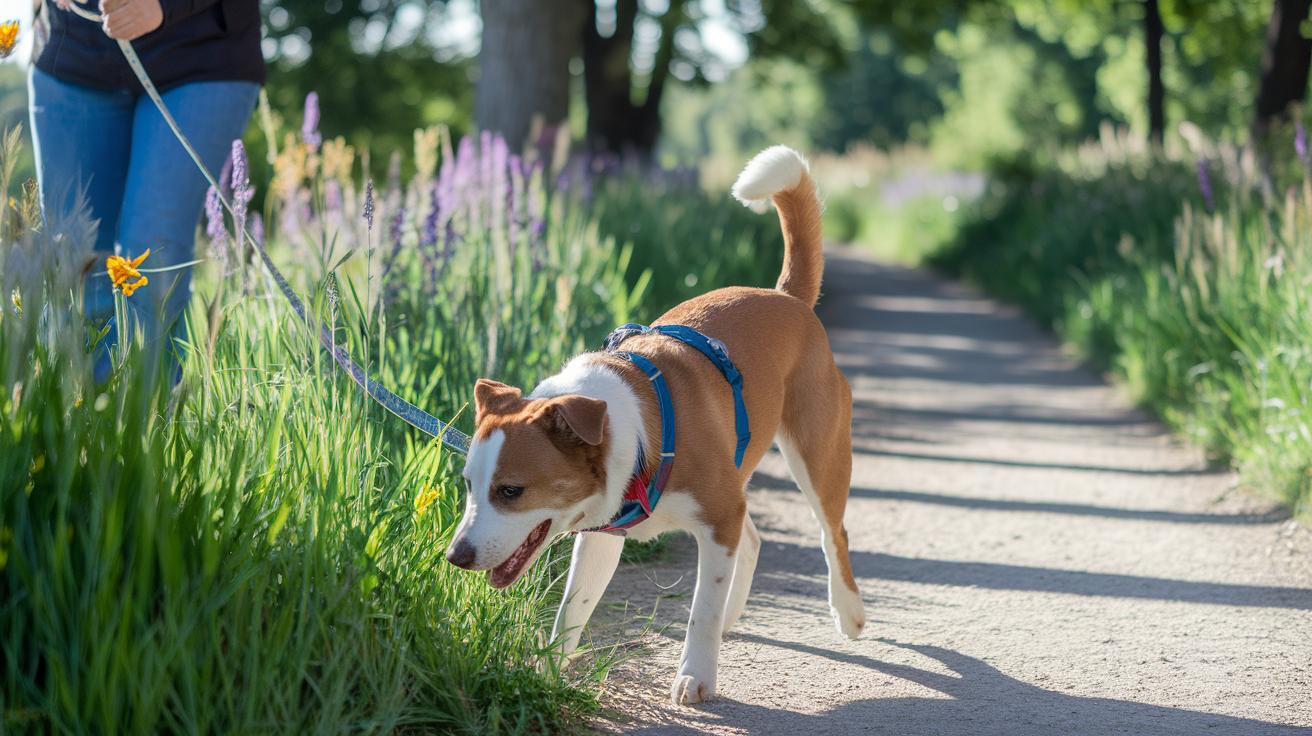
Off leash time gives your dog a chance to run, play, and get exercise while its mind stays sharp. In parks, fields, or on hiking trails, your pet can sniff new smells and see new sights. This time builds its confidence and helps use up natural energy the right way. You see a happy dog exploring while staying close to you.
Safety comes first in off leash training. Pick quiet spots with little traffic and avoid crowded areas. Watch for sudden noises or unexpected meet-ups with people or other dogs. By choosing safe places, you create a secure space for off leash fun.
Every dog is different when it comes to off leash play. Some may get extra excited around other animals while others feel uneasy with loud sounds. Adjust your training to match your dog's behavior and slowly add distractions. Meeting your pet's needs builds trust and keeps obedience strong. These simple steps make off leash time both fun and safe.
Progressing from On-Leash Basics to Off Leash Mastery
This plan builds on what you know about calling your dog indoors. It adds new troubleshooting tips and simple exercises to boost your dog's focus. We break the training into three steps: building strong indoor commands, moving to a fenced yard, and practicing in busy outdoor spots.
Indoor Recall Drills
Start with indoor sessions in a quiet room. Use a clear cue like "Come!" and give your dog a treat right away. If your dog ignores the call, try reducing distractions and offer a tastier treat. This helps your dog learn that a good call means a rewarding surprise. A little extra time and patience can turn a missed cue into a small win.
Yard Training with Progressive Distances
Move next to your fenced yard using a long training leash. Gradually increase the distance between you and your dog. Add simple distractions, like the sound of rustling leaves. If your dog finds it hard to focus, hide a treat in a quiet corner and repeat the command. You can even turn it into a fun hide-and-seek game with treats to keep your pet interested.
Real-World Practice Sessions
Bring training to parks, hiking trails, or other open areas. These spots come with more distractions. If your dog seems overwhelmed, reduce the distance and slowly ramp up the challenge. Mix short calls with quiet moments to help your dog get back on track. With steady practice, your dog will build the focus needed for full off-leash work.
| Phase | Environment | Tools |
|---|---|---|
| Phase 1 | Indoor, low-distraction | Leash, treats, marker |
| Phase 2 | Fenced yard | Long training leash, treats, clicker |
| Phase 3 | Open areas (parks, trails, lakeside) | No leash, high-value rewards, marker |
Advanced Off Leash Dog Training Drills for Consistent Performance

Begin by creating a safe space where you can practice calling your dog from different distances. Try calling from 20 ft, 30 ft, and even 50 ft. Use a clear marker, like a clicker or a quick "Yes!" and reward your dog right away when it comes to you.
Next, add small distractions to your drill. You might invite another dog, set up a few cones, or play sounds of wildlife. These little challenges help your dog focus on your call even when things get a bit busy.
Finally, mix in some fun agility moves. Set up low jumps and simple cones to improve your dog's focus and teamwork with you. With clear commands and regular practice, your dog will grow more confident and reliable when off leash.
Essential Gear for Off Leash Dog Training
A long training leash is key for off leash training. It lets you slowly build up the distance while keeping your pup safe. Pair the leash with yummy treats, like beef lung bites (a treat many dogs love), to keep your dog excited during training. Use a marker tool like a clicker or a steady "Yes!" to let your dog know when it does a good job. These items work together to help your pet focus and respond even when there are more distractions.
When training in open areas or at a distance, a whistle or remote pager is a must to call your dog back clearly. A GPS or trackable collar adds extra safety by showing you where your dog is at all times. Some trainers also use an e-collar for extra guidance, but only with expert help. Each tool works to build a lasting recall and strengthen the bond between you and your furry friend.
Troubleshooting Off Leash Dog Training: Overcoming Common Challenges

Sometimes, you notice your furry friend not listening or getting too excited when off leash. If your dog doesn’t come when you call or runs after small critters, it may be time to adjust your training steps. Spotting these problems early can help you avoid bigger issues down the road.
Try starting with shorter distances and using extra yummy treats that your dog loves. If your recall isn’t working, practice simple, timed recall drills. When your dog gets too caught up chasing wildlife, play games on a leash to help focus their attention. If loud sounds make your pet anxious, try low-volume noises and mix in short agility breaks for a fun change of pace.
If things still don’t improve, consider getting help from a professional trainer. They can share new tricks and techniques to fit your dog’s unique needs, turning today’s challenges into tomorrow’s successes.
Integrating Off Leash Dog Training into Everyday Routines
Turn off-leash training into fun playtime. For example, play a game of fetch recall by calling your dog to come before you throw the ball. You can also play hide-and-seek in your backyard so your pet has to look for you. Try mixing in training calls with regular play to help your dog learn without feeling like work.
Pick a spot that works best for training. In cities, choose a quiet park or a small enclosed area away from lots of people and cars. In the country, open fields work great, but watch out for wildlife that might catch your dog's attention. Regularly practicing in these spots helps your dog remember to come when called, even if things around change.
Get the whole family involved. Ask everyone to use the same clear commands and reward signals so there is no confusion. Keep sessions short and fun, whether at the dog park, a local trail, or during a family walk. This team effort lets your dog practice off-leash skills in different places and strengthens the bond with everyone.
Final Words
In the action, we broke down building a rock-solid recall. We covered indoor drills, yard practice, and real-world sessions. We shared tips on balancing freedom and safety with consistent drills.
We also explored proper gear, troubleshooting common issues, and blending off leash dog training into daily routines. It’s all about taking small steps towards a reliable and fun experience. Your pet will thrive with this balanced approach, and every step makes a difference for our furry friends.