


Have you ever wondered if your puppy's playful behavior can turn into great manners? Training is not just about teaching commands; it is about building a lasting bond between you and your furry friend.
In this guide, we share easy steps from simple bonding exercises to basic commands like sit and stay. With short, fun sessions, every training moment can grow into trust and love.
Get ready to help your pup start a happy journey toward good manners, one step at a time.
Step-by-Step Puppy Training Guide: How to Train a Puppy Successfully
This guide gives you a simple, step-by-step plan to train your puppy. We show you how to build trust and teach key skills, from basic manners to important commands that help keep your little buddy safe.
- Bonding: Spend quality time with your puppy to build trust and love. Check the bonding tips for more details.
- Basic Commands: Teach easy commands like "sit" and "stay" using fun, short sessions. Look at the basic command tricks for guidance.
- Potty Training: Set regular times for bathroom breaks and reward outdoor successes. See the potty training advice for clear steps.
- Crate Introduction: Help your puppy see the crate as a safe, cozy spot by introducing it slowly with gentle praise. Read the crate training steps for help.
- Socialization: Let your puppy meet new people and explore safe places. This helps them become friendly and well-adjusted. Check the socialization goals for more ideas.
- Leash Manners: Start by practicing indoors, then slowly move to outdoor walks. Reward calm behavior as you go. Find leash training tips in the detailed section.
- Recall Practice: Use fun games and treats to teach your puppy to come when called. Discover more recall ideas in the recall tips section.
- Consistency: Keep training sessions regular and positive to build lasting habits. Read the consistency advice for extra support.
Next, dive into each detailed section for step-by-step guidance to give your puppy a great start.
House Training a Puppy: Potty Training with a Schedule

A steady routine makes house training easier. We know your puppy will feel more secure with regular breaks. Try taking your little one outside after meals, play, or naps. Choose one outdoor spot and say "go potty" every time. This helps your puppy learn the right time and place to go. When you can't keep an eye on your pup, using a crate can help keep accidents at bay. Don't forget to praise and treat your pup right after a successful break. It makes the learning even more fun!
| Time of Day | Purpose of Break |
|---|---|
| Morning | After waking and breakfast, head outside to start the day. |
| Mid-morning | A quick break following play keeps things on track. |
| Afternoon | After a nap or lunch, another trip outside builds routine. |
| Evening | Post-dinner and play time helps end the day calmly. |
Keep potty time both fun and purposeful. Stick to your schedule, use the same spot, and use your simple cue each time. With lots of praise and rewards after each successful break, your puppy will soon make this routine a natural part of the day.
Crate Training a Puppy for Confidence and Safety
The crate gives your puppy a cozy place to feel safe and sound. It can help ease nerves and stop some unwanted chewing when you can't keep an eye on your furry friend. Over time, a crate can become a calm haven that your puppy really loves.
Make the crate inviting. Pick one that fits your puppy nicely and add a soft bed along with a few safe toys. At first, leave the door open so your pup can explore without feeling trapped. Use treats and kind words to help your pet see the crate as a fun spot.
Place the crate in a quiet corner of your home. Let your puppy step inside for a few short visits while you stay nearby. Reward your little one with a treat each time it goes in. Once your pup is comfortable, gently close the door for brief moments, always keeping things happy and relaxed. Before long, your puppy will enjoy longer crate times, even when you're not around or while you sleep.
Obedience Training for Puppies: Teaching Sit, Stay, and Come
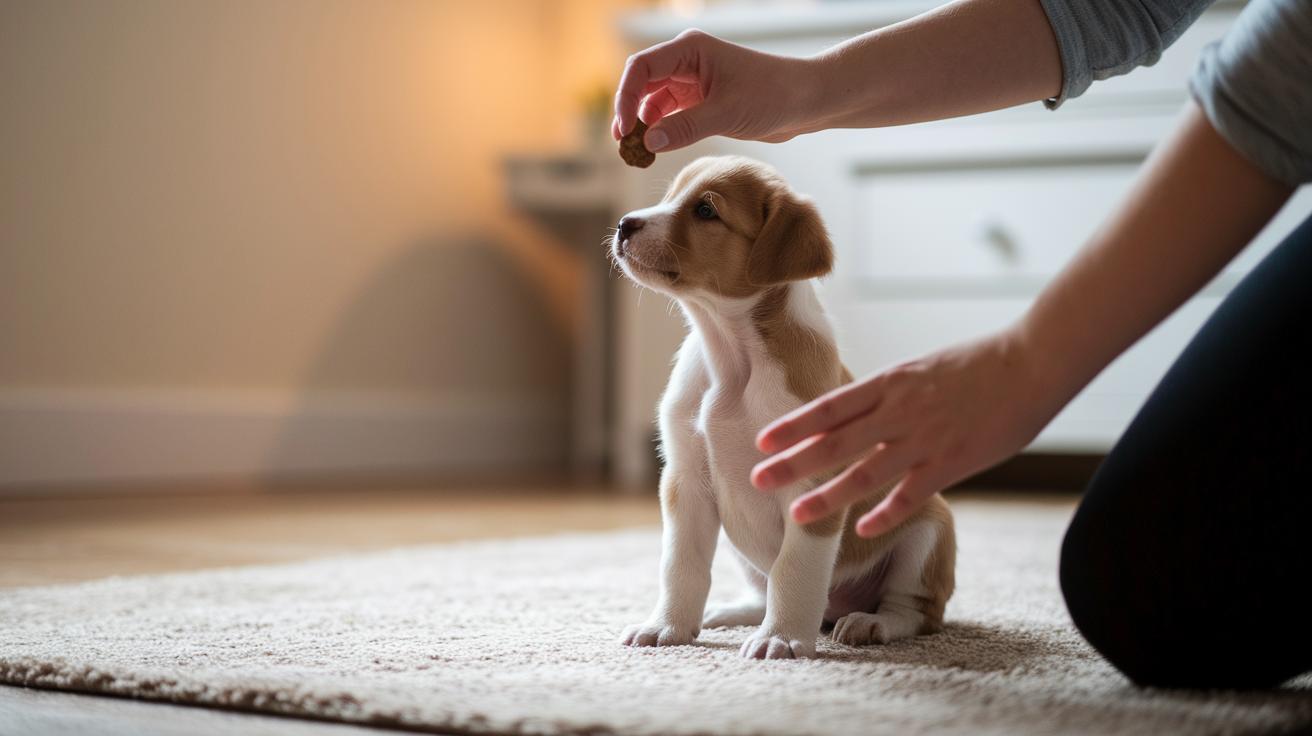
Training your puppy builds a warm bond and makes learning fun. Begin in a quiet room free of distractions. Use soft treats and lots of praise right away when your pup listens. Keep sessions short, around 10 minutes, and add little distractions as your puppy grows.
Sit Command
Hold a treat near your puppy's nose and slowly move it upward. Your pup will naturally sit as they follow the treat. The moment your puppy sits, say a happy word or use a clicker, and quickly give them the treat with praise. Try saying, "Good job!" right after they sit.
Stay Command
Ask your puppy to sit and then show your open palm like a stop signal. Stay calm and slowly step back. Give a short pause before you return for a reward. Add a bit more time each time so your puppy learns to stay in place.
Come Command
Start indoors by calling your puppy in a cheerful tone. Once they understand, try it outside with a long leash. Every time they come back, reward them generously. This builds trust and keeps your pup safe while having fun together.
Puppy Leash Training: Guiding a Puppy on a Leash
When you're starting indoor leash training, use a lightweight leash in a calm, familiar room. Your puppy will feel safe. Let them wander around wearing the leash. When they stay calm, offer a few soft treats. This way, your puppy sees the leash as a fun friend. Keep sessions short and playful so they grow more confident.
Once your puppy is at ease indoors, try training outside. Begin in a quiet outdoor spot where there are few distractions. Walk slowly while rewarding your pup with tasty treats when they stay by your side. Gradually add small distractions so your puppy learns to focus on the fun training. With each step, your puppy earns better leash manners, making walks a safe and joyful adventure for both of you.
Socializing a New Puppy: Early Socialization Strategies

Helping your new puppy explore the world can be both fun and safe. Start with short outings where your pup meets new sounds, sights, and smells in a calm way. Reward good behavior with treats and a gentle tone. This helps your little buddy learn that fresh experiences can be pleasant.
Picture taking your puppy to a quiet shop. Allow them to explore a small area while you cheer every curious look at something new, be it a person or an object. Offer a treat each time your pup stays calm near a busy sign or a friendly face. This kind of praise shows your puppy that new places can be fun.
Then, try a neighbor's backyard or a quiet park. Introduce one pet or person at a time. Keep these moments short and positive , give a treat and praise right away when your puppy stays relaxed. These small wins help build a confident and friendly pup.
Correcting Puppy Biting & Unwanted Behavior
Puppies often bite, and it’s not always just cute nibbling. Sometimes they bite because they’re overexcited, curious, or sore from teething. It’s best to catch this early so you can guide them before it becomes a habit. For example, if playtime turns into biting, taking a short break helps your pup learn that biting stops the fun.
Redirecting your pup is key. One simple trick is to scatter a few treats on the floor during play. This shifts your puppy’s focus from biting to snacking on tasty rewards. Offering safe chew toys also gives them a good outlet for teething pain. These toys soothe their gums and show them what is okay to chew on.
Keep your approach consistent with gentle corrections. When your puppy bites, calmly remove your attention and offer a toy instead. This steady response helps your pup see that biting means missing out on playtime.
Final Words
In the action, this guide takes you through essential steps, from bonding and potty training to crate, leash, social, and behavior lessons. Each section shows you clear, step-by-step instructions so you can turn training sessions into fun moments.
The detailed tips help you learn how to train a puppy with care and consistency. Every lesson builds confidence and deepens your bond, making everyday training a rewarding and positive experience. Enjoy every step, knowing you’re supporting your pet’s health and happiness.
FAQ
How to Train a Puppy Book?
The How to Train a Puppy Book offers a simple guide that covers bonding, basic obedience, house training, and crate methods. It gives clear steps for new pet parents to work with their puppies.
How to train a puppy not to bite and discipline a puppy?
Training a puppy not to bite involves using gentle corrections, offering proper chew toys, and consistent redirection. Clear rules and short time-outs help your puppy learn good manners without harsh discipline.
How to train a puppy to pee outside, on a pad, or for toilet?
Training a puppy for the toilet means following a consistent schedule, choosing a spot, using verbal cues, and rewarding successful potty breaks—whether outdoors or on a pad—to build solid habits.
How to train a puppy in 7 days?
Training a puppy in 7 days focuses on short, focused sessions covering bonding, house training, and basic obedience. Quick and repeated practice, along with rewards, makes for rapid progress.
What is a puppy training schedule by age?
A puppy training schedule by age adapts to growing needs. Early stages focus on bonding and socializing, while later phases introduce basic commands, leash manners, and more advanced activities as your puppy matures.
How to train a puppy for kids?
Training a puppy for kids involves simple, engaging methods that work well for young families. Short sessions, clear commands, and positive rewards help create a safe and friendly bond between kids and puppies.
What is the first thing you should train a puppy on?
The first step is to build a strong bond and basic obedience. Establishing trust and simple commands sets a positive foundation for house training, crate training, and socializing.
What is the 3-3-3 rule with puppies?
The 3-3-3 rule suggests three minutes per training session, three repetitions per command, and three days to consistently introduce a new behavior, making learning manageable and fun for your puppy.
What is the 10-10-10 rule for puppies?
The 10-10-10 rule involves ten minutes per training session, ten repetitions of a command, and about ten days to solidify a behavior. This structure helps ensure steady learning while keeping sessions brief.