
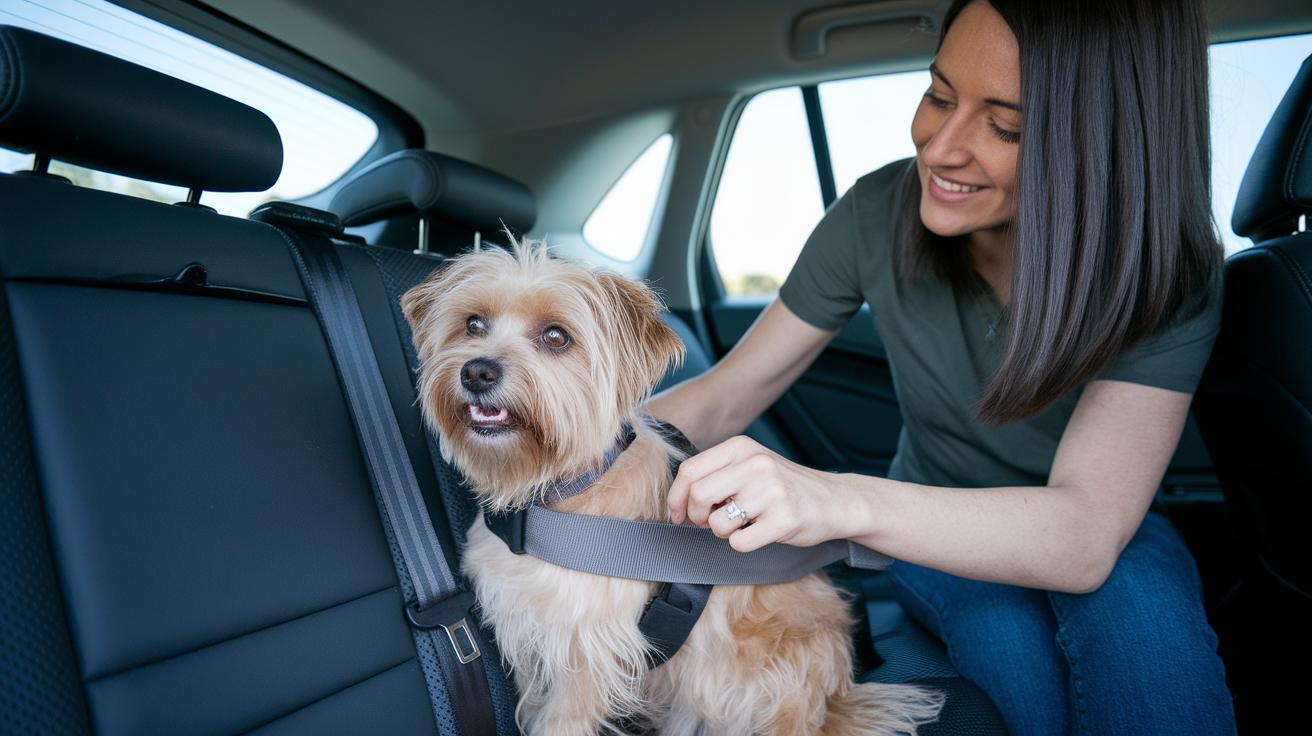

Ever wonder if your pet is safe when you brake quickly? We know you love your furry friend, and a good pet seatbelt can help keep them secure, just like your own seatbelt does for you.
In this simple guide, we show you how to secure a pet seatbelt in easy steps. First, learn how to check that the seat fits just right. Next, we explain how to fasten the harness so it stays snug without rubbing. Finally, we show you how to attach the seatbelt properly so your pet is safe on every drive.
Follow our practical tips and keep your pet as safe as you are when you buckle up.
Step-by-Step Guide to Installing Your Pet Seatbelt
A pet seatbelt helps keep your furry friend safe during sudden stops or accidents. It spreads the force of a crash across your pet's chest and shoulders, lowering the risk of injury and keeping your pet snug in the center rear of the car.
Step 1: Prepare Your Vehicle and Harness
Park on flat ground and turn off the engine. Spread the crash-tested harness out on the seat. Use a measuring tape to check your pet's chest and neck. Make sure you can fit two fingers in there. This ensures the harness is snug but still lets your pet move naturally.
Step 2: Fit the Harness on Your Pet
Gently slide the harness over your pet's head. Adjust the shoulder and chest straps so they fit securely. Think of it like buckling up yourself, first loop in the straps, then make sure it's comfortable for your pet.
Step 3: Attach the Harness to the Seat Belt
Thread your car’s seat belt through the harness loop. Fasten the carabiner securely to both the waist and shoulder parts. The clip should lie flat against the back of the harness so that there is no extra room for movement during a sudden stop.
Step 4: Position and Adjust in the Car
Place your pet in the center rear seat for extra protection from side impacts. Tighten the seat belt to remove any slack, yet still let your pet sit, stand, or lie down comfortably. Give it a firm tug to be sure everything is secure. Now you're ready for a safe trip.
Choosing the Right Pet Seatbelt Harness for Your Vehicle

A good harness is a must for keeping your pet safe while you drive. Crash-tested harnesses use heavy-duty nylon webbing and strong steel parts. Many work for pets weighing between 10 and 75 lbs and feature sturdy stitching to hold up during sudden stops.
A snug fit means you can snugly slide two fingers between the harness and your pet’s chest and neck. To get it right, measure your pet’s chest and neck.
For smaller dogs, a booster seat that lifts them up a bit can give extra protection.
When picking a harness, keep these points in mind:
- Make sure the harness fits your pet's weight and size.
- Check that the material and metal parts are strong enough to handle bumps.
- Ensure it works well with your car's seat belt.
- Think about booster or elevated options if your pet is small.
A good harness spreads the force of a crash evenly over your pet’s chest and shoulders. Also, check that it meets federal safety standards.
Essential Tools and Equipment for Pet Seatbelt Installation
Before you start, make sure you gather all the tools you need. Having everything ready makes the job easier and helps you avoid extra pieces that might lower the safety of your setup. We want you to use only trusted gear to keep your pet safe on every ride.
Here are the items you'll need:
- Crash-tested harness with a built-in seatbelt loop
- A carabiner clip that is rated for vehicles
- A measuring tape to check sizes
- A soft cleaning cloth
- Scissors to trim any loose threads
- The instruction manual from the manufacturer
Always check that each tool meets safety standards before you get started.
Verifying Vehicle Compatibility and Safety Precautions for Pet Seatbelts
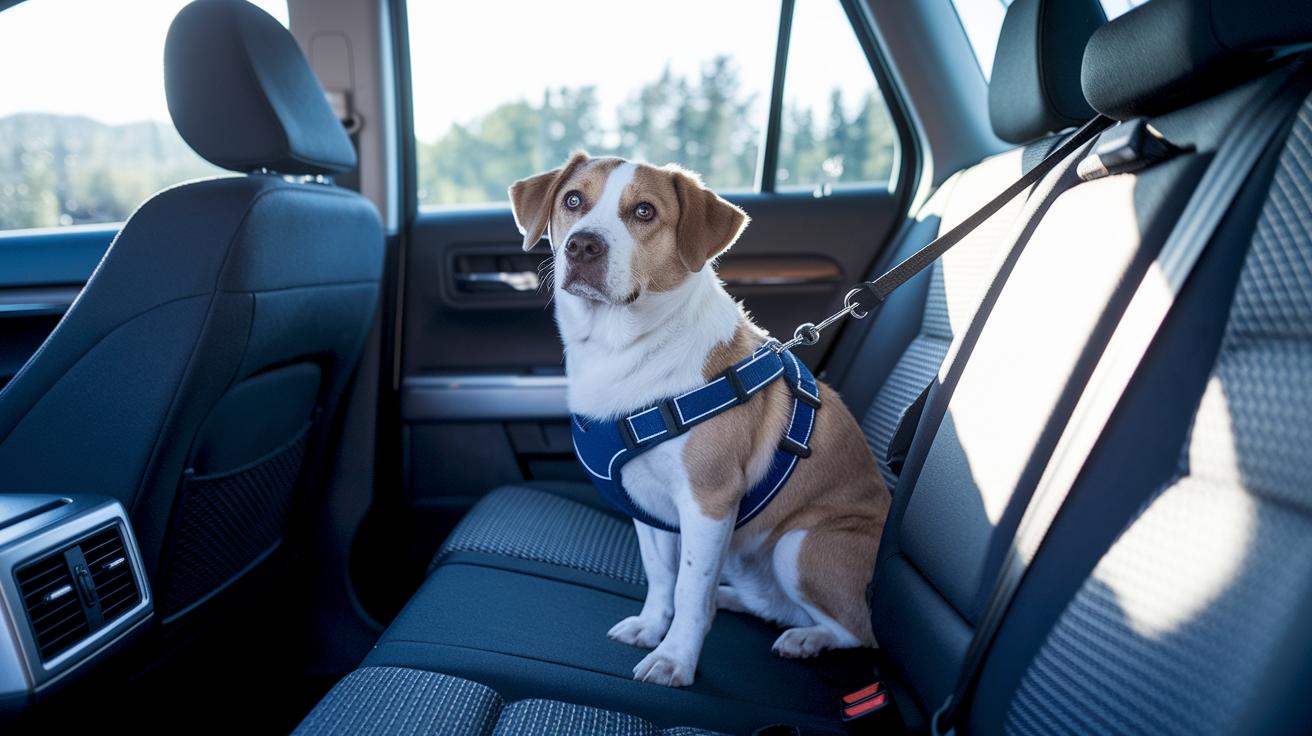
Making sure your car works well with your pet seatbelt is very important. Each vehicle has a different seat belt design, which can change how securely your pet's harness stays in place. A good setup keeps extra movement to a minimum and holds the harness tight.
Always check that the back center seat fits your pet's harness design. Look at your owner's manual for any special adjustments needed for your car.
- Confirm the seat belt routing matches your harness setup.
- Make sure the clip sits flat against the harness.
- Remove any slack, but don’t tighten too much, your pet should stay comfortable.
- Give the harness a firm tug to check that it is secure.
Always refer to your owner's manual for any unique seat belt configurations in your vehicle.
Troubleshooting Common Pet Seatbelt Installation Issues
We want to keep your pet safe on every ride. Even a little mistake can cause discomfort or put your pet at risk if you need to stop suddenly. Knowing common mistakes can help you fix issues quickly, making sure your pet stays secure and comfortable.
| Error | Fix |
|---|---|
| Extra clips used | Use only the manufacturer’s carabiner |
| Hooked to front leash ring | Clip to the ground-designed harness loop |
| Harness positioned incorrectly | Center it on the chest, not the neck |
| Carabiner misaligned | Rotate so it lies flat |
| Straps too tight or too loose | Adjust for a two-finger fit |
Before you hit the road, double-check that everything is securely in place.
Maintenance and Care for Your Pet Seatbelt System
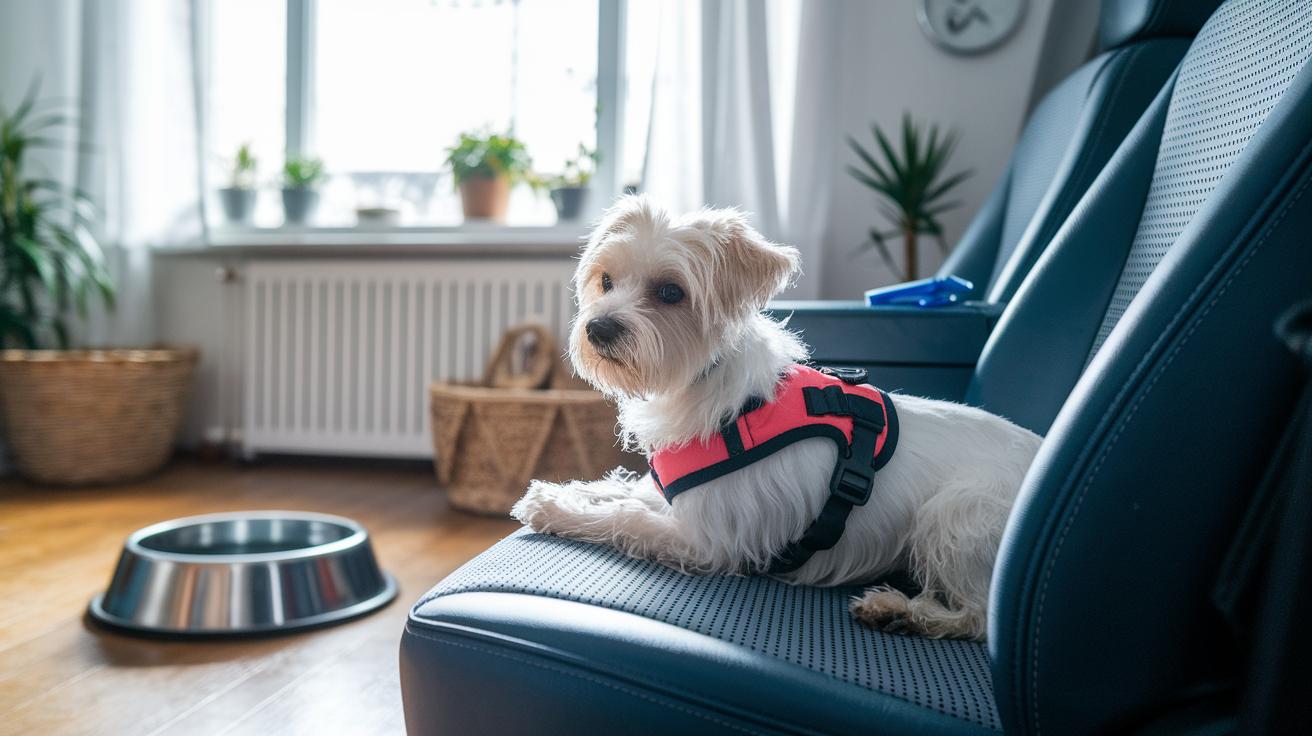
Your pet seatbelt helps keep your furry friend safe on every trip. We care about making sure it stays in top shape. Here are a few simple steps to take care of it:
- Clean the harness every week with mild soap and water.
- Dry the metal parts and buckles after each wash.
- Check the nylon straps for any wear or fraying.
- Test the buckles each month to make sure they work well.
- Look for rust on any metal parts before you head out.
- Store the harness in a cool, dry spot away from the sun.
If you notice torn straps, loose stitching, or clips that don't work, please replace the harness immediately. Damaged gear might not protect your pet during travel. Taking care of your pet seatbelt is an easy step to keep your pet secure and comfy on every ride.
Resources and Demonstration Videos for Installing a Pet Seatbelt
Watching a video can clear up any confusion and help you set up your pet seatbelt right. The guides show each step as it happens, so you can follow along easily and see the proper way to do it. Many harness makers share free video tutorials that walk you through everything with practical tips and visual help.
Your vehicle’s owner's manual is another great resource. It has seatbelt diagrams that show you the best way to route your pet harness. You can also look up the Federal Motor Vehicle Safety Standards online to understand how the design keeps your pet safe.
Try these three main resources:
- The manufacturer's installation videos.
- Your vehicle owner's manual seatbelt diagrams.
- The Federal Motor Vehicle Safety Standards online reference.
These tools help you follow every step for a safe and secure ride. And if you join pet travel forums, you might pick up even more tips from fellow pet parents.
Final Words
In the action, we walked through a simple guide to securing your pet in the car. We covered how to prepare your vehicle, fit the harness over your pet, attach the seatbelt, and make a final safety check. We also touched on how to choose the right harness and keep it in good shape. Understanding how to install a pet seatbelt means you can keep your furry companion safe while taking the stress out of travel. Keep it simple and safe, and enjoy every ride with peace of mind.
FAQ
How to attach a dog seat belt?
Attaching a dog seat belt means preparing the vehicle and harness, fitting the harness on your pet, then threading the seat belt through the harness loop and clipping the carabiner securely.
Are dog seatbelts a good idea?
Dog seatbelts are a good idea because they keep your pet safe in sudden stops and prevent distractions while driving, ensuring a more secure ride.
Why are there two hooks on a dog harness?
The two hooks on a dog harness mean the design spreads crash forces evenly across your pet’s chest and shoulders, improving safety during travel.
Is it illegal for dogs to ride in the front seat of a car?
It might be illegal for dogs to ride in the front seat, as airbags and seat angles can be dangerous; checking your local laws is always wise.