


Ever wonder if a pet seatbelt could save your furry friend's life on every drive? It might seem like an extra step, but even a small dog left unrestrained during a sudden stop can feel a heavy impact. Buckling up is more than just a step, it's peace of mind for both you and your pet.
A snug pet seatbelt cuts crash force by more than 80%. It holds your pet secure so you can focus on the road without worry. Safe rides help keep your pet comfortable and protected.
How Pet Seatbelts Keep Pets Safe on the Road
When pets are not buckled up in a moving car, they can become dangerous projectiles during sudden stops or crashes. Even a small pet, like a 10-pound dog going 30 mph, can hit with almost 300 pounds of force. That risk affects both your pet and everyone in the car.
A pet seatbelt used with a snug harness keeps your furry friend secure. It stops your pet from roaming around the car and helps keep the driver focused on the road. Studies show that using a pet seatbelt can reduce the crash force on a dog by over 80%. Yet, only about 55% of pet owners secure their pets properly.
It works much like the seatbelt you wear every day. It controls sudden moves and minimizes the force on your pet's body. By preventing your pet from sliding toward the windshield or the dash, a pet seatbelt helps make every ride safer.
Buckling up is not just about safety; it also brings peace of mind. With your pet safely secured, you have one less worry on every trip.
Pet Seatbelt Crash Protection: Reducing Impact Forces
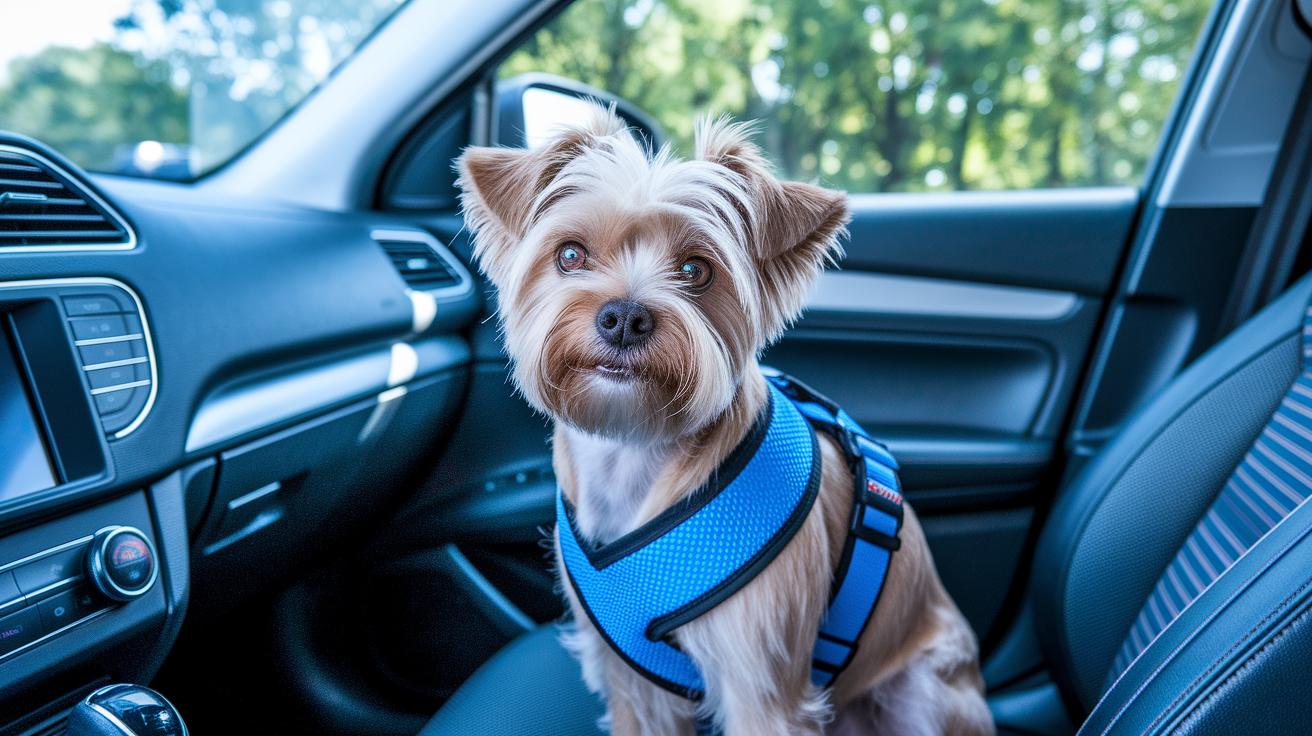
Our pet seatbelt is built with strong tear-resistant nylon and polyester webbing to keep your pet safe even in sudden stops. It comes with shock absorbers that lower the force felt by your pet in a crash. For example, a 10-pound pet at 30 mph could face about 300 lbs of force without a seatbelt. With our design, that force drops to roughly 50 lbs. In a similar test with a 20-pound pet at the same speed, the force goes from around 600 lbs unrestrained to about 75 lbs when secured.
| Pet Weight | Speed | Unrestrained Force | Restrained Force |
|---|---|---|---|
| 10 lbs | 30 mph | 300 lbs | 50 lbs |
| 20 lbs | 30 mph | 600 lbs | 75 lbs |
We use durable materials and built-in shock absorbers to reduce harmful impacts. This thoughtful design helps protect your pet and adds peace of mind every time you hit the road.
Reducing Driver Distractions with Pet Seatbelts
A pet seatbelt keeps your furry friend secure so you can focus on driving. Studies show almost one-third of drivers get distracted by pets roaming loose in the car. With your pet buckled in, they can't wander into the front or get at your feet, which means fewer surprises while you drive.
When your pet is properly restrained, the ride is calmer for both of you. A snug harness helps your pet feel safe and less anxious, so they stay in one spot even during a bumpy ride. This extra peace of mind lets you check road signs and traffic without constant worry. In short, using a pet seatbelt cuts down on sudden movements and driver stress, making the journey safer for everyone.
Benefits of Using a Pet Seatbelt: Safe Rides

When your pet's seatbelt fits right, you know they stay safe and comfy. A snug seatbelt helps protect your pet during sudden stops or little bumps. Plus, it can make car rides more relaxing. To find the right seatbelt, check the fabric, how much it adjusts, and what type of clip it uses. We suggest using a harness clip instead of one for a collar to help prevent neck injuries. And make sure the straps let you slide two fingers in so it fits well.
- Measure your pet’s chest and check the size chart.
- Make sure the buckle works with your car’s seatbelt or LATCH system.
- Use tear-resistant nylon or polyester webbing.
- Pick one with a shock absorber if you can for extra cushion.
- Give it a gentle tug to see that it’s adjustable and secure.
Safety and comfort go hand in hand. Look for a seatbelt with strong, tear-resistant material that lasts. Adjustable straps mean a good fit for pets of different sizes. Using a harness clip protects your pet’s neck, and a shock-absorbing design adds extra safety during bumps. With these features, your pet can enjoy a smooth ride while you keep your focus on the road.
Installing and Maintaining a Pet Seatbelt
Our pet seatbelt is super easy to use. The clip fits right into your car’s seat belt slot or a child-safety latch, so you know it will stay in place even if you brake hard or hit a small bump. The quick-release buckle lets you secure or remove your pet in just a few seconds. This setup keeps your pet safe and helps you stay focused on the road.
To keep the seatbelt working well, follow these simple steps:
- Wipe it down with a pet-safe cleaner after each ride.
- Check the strap often for any signs of fraying or wear.
- Inspect the clips and buckles for loose parts or damage.
- Test the quick-release to make sure it works smoothly.
Taking care of your seatbelt like this gives you peace of mind on every trip.
Legal and Veterinary Guidance for Pet Seatbelt Use

Some states have rules to keep your pet safe on car trips. In New Jersey and Rhode Island, your pet must be secured with an approved restraint or you could face a fine of up to $200. There is no national rule yet, but these state laws remind us that secure travel is important for every pet.
Veterinarians recommend using a harness-based restraint instead of a collar clip. A snug harness helps calm your pet during sudden stops and avoids neck strain. It protects your furry friend from injury and helps ease travel anxiety.
Following these legal and vet guidelines means you can avoid fines and keep your pet safe on every ride. A properly fitted pet seatbelt reassures you and your pet, letting you both focus on the road ahead.
Final Words
In the action, we saw how a pet seatbelt can cut injury risks and lower driver distractions. We walked through choosing a snug, easy-to-install model and keeping it in top shape for safe trips.
This guide helped show how secure restraints meet legal guidelines and vet recommendations. Using a pet seatbelt brings real comfort and peace of mind.
Experience the true benefits of using a pet seatbelt for a safer, calm drive.
FAQ
What are the benefits of using a pet seatbelt or dog harness?
Using a pet seatbelt means your pet stays securely in place, reducing injury risks during sudden stops or collisions while also lowering driver distractions and keeping your furry friend calm on the road.
Are dog seat belts required by law?
Dog seat belts are required in some states, such as New Jersey and Rhode Island, which can impose fines for unsafe transport. Always check your local laws to stay compliant and safe.
What features should I look for in the best dog seat belts?
The best dog seat belts use tear-resistant nylon webbing, integrated shock absorbers, and secure clip-in harness design. They provide stable restraint to reduce injury risks and keep your pet and driver safe.
Why should I choose a crash-tested dog harness or car seat?
A crash-tested dog harness is designed to absorb impact forces, cutting the risk of injury in accidents. Its secure design prevents your pet from becoming a projectile during sudden stops.
What guidance does the Center for Pet Safety provide on pet seatbelt use?
The Center for Pet Safety recommends using harness-based restraints instead of collar clips to reduce neck injuries. Their guidance emphasizes a proper, snug fit for effective pet protection during car trips.
Is a dog car seat worth the investment?
A dog car seat is worth it as it keeps your pet secure and minimizes distractions by preventing roaming. It helps reduce injury risk during sudden stops and provides peace of mind for pet parents.