


Have you ever thought about your pet's safety when you drive? Just like you buckle up, your furry friend needs a secure seatbelt too. A good pet seatbelt helps keep them safe during quick stops or small bumps on the road. We’re here to share easy tips and gear ideas that work. Our guide covers snug harnesses and pet-friendly carriers. Ready to make every car ride safe and calm for you and your best friend?
How to Secure Your Pet with a Car Seatbelt
When you buckle up, make sure your pet is buckled up too. A good pet seatbelt keeps your little friend safe if you need to stop suddenly or in an accident. A strong harness or carrier helps prevent injuries like broken bones or fractures.
For dogs, a harness made just for them works best because a regular seatbelt may not fit all breeds. Small dogs and cats should ride in carriers that clip to the seatbelt, while larger dogs need a harness that attaches tightly to the belt. This helps cut down on collisions and stops your pet from moving around and distracting you.
Before every trip, follow these simple steps:
- Pick a restraint that fits your pet's size
- Clip the harness or carrier to the seatbelt slot
- Make sure the buckle is locked
- Adjust the straps for a secure, comfy fit
- Give it a quick tug to check its hold
Make sure the gear is snug but comfortable. Your pet should be safe without feeling squished. A quick check of the buckle can keep distractions to a minimum and help protect your pet in an emergency. Using the right safety gear means both you and your pet can relax and enjoy the ride.
Types of Pet Seatbelts, Harnesses, and Carriers
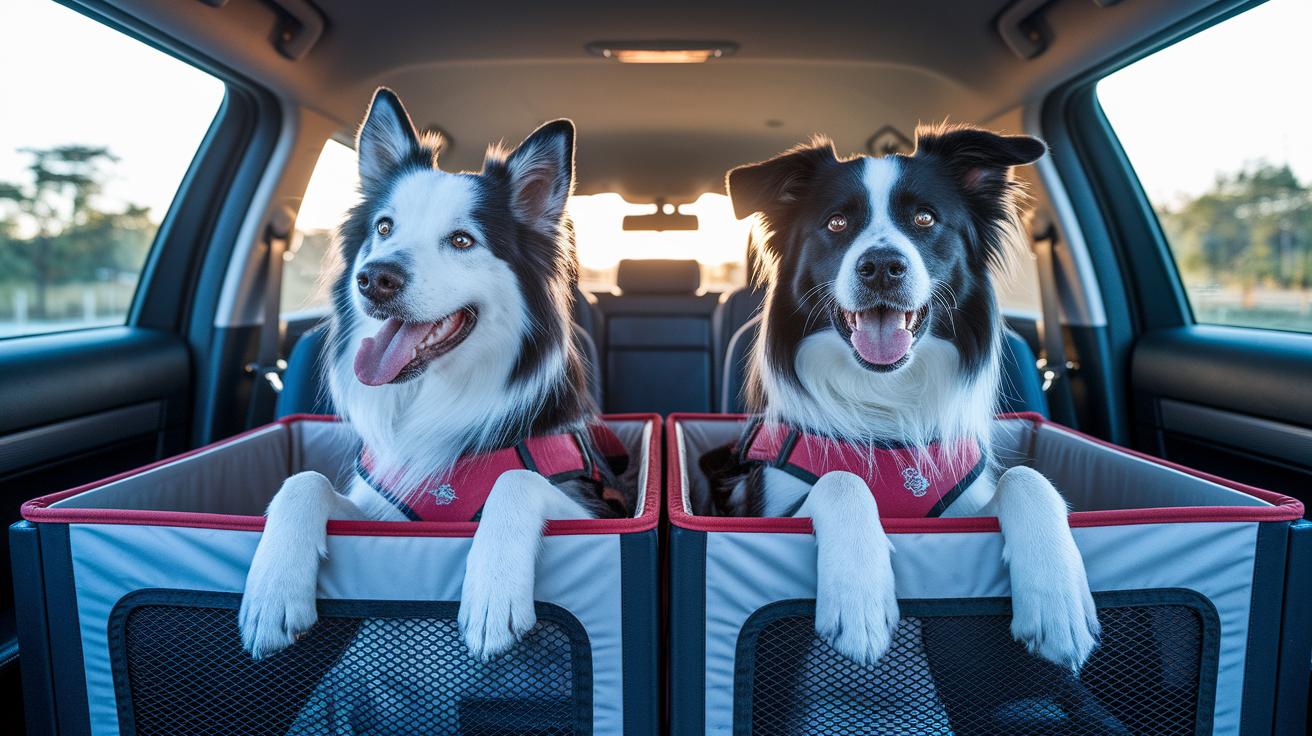
When it comes to keeping your pet safe on the road, the right restraint makes a big difference. A crash-tested harness lets your pet sit or stand while stopping them from moving forward in a sudden stop. It works great for everyday dogs who love to move but need a little extra safety. A zipline harness clips onto a cargo hook, so active dogs can enjoy a bit of roaming in the back seat while still being safe.
Crash-tested crates offer a secure space for your pet. They give enough room to stand, turn, and lie down, and they stay firmly in place during the ride. This option is perfect for dogs that need a bit of extra space and some confinement. Plush carry boxes create a warm, cozy environment for small or anxious dogs. These boxes let your pet see what’s going on outside without giving up safety.
Back seat hammocks add extra comfort, especially for older pets or those who love a soft ride. They help keep your pet from sliding off the seat by forming a safe barrier that also absorbs bumps. For larger dogs that find full restraints tricky, back seat barriers can hold them in place while still letting fresh air flow through.
Using the right restraint not only keeps your pet safe but also helps you focus on the road. Always choose gear that fits your pet’s size and personality. And remember to check that everything is installed properly before you start driving.
| Type of Restraint | Best For | Key Feature | Installation |
|---|---|---|---|
| Crash-tested harness | Everyday dogs | Stops forward launch | Clips to seatbelt |
| Zipline harness | Active dogs | Controlled movement | Attaches to cargo hook |
| Crash-tested crate | Vigorous or anxious dogs | Offers room and safety | Secured inside car |
| Back seat hammock | Senior or comfort-needing pets | Cushions and contains | Straps to back seat |
Step-by-Step Pet Harness Installation Guide
Make sure you follow these five simple steps for a safe, secure, and comfy harness for your furry friend:
-
Measure & select correct size
Measure your pet's chest and check their weight. This helps you pick a harness that fits like a favorite t-shirt. -
Clip to belt receiver or anchor
Fasten the harness by clipping it to your car's seat belt or anchor. Listen for a click to know it’s secure. -
Adjust for snug fit
Tighten the straps until you can slide two fingers between the harness and your pet. This keeps it snug but comfortable. -
Verify buckle engagement
Check that the collar, chest plate, and belt are all fastened properly while still giving your pet room to move. -
Simulate stress test
Gently tug on the harness or mimic a quick stop to make sure everything stays in place before you head out.
Acclimating Pets to Seatbelt Harnesses and Traveling Safely
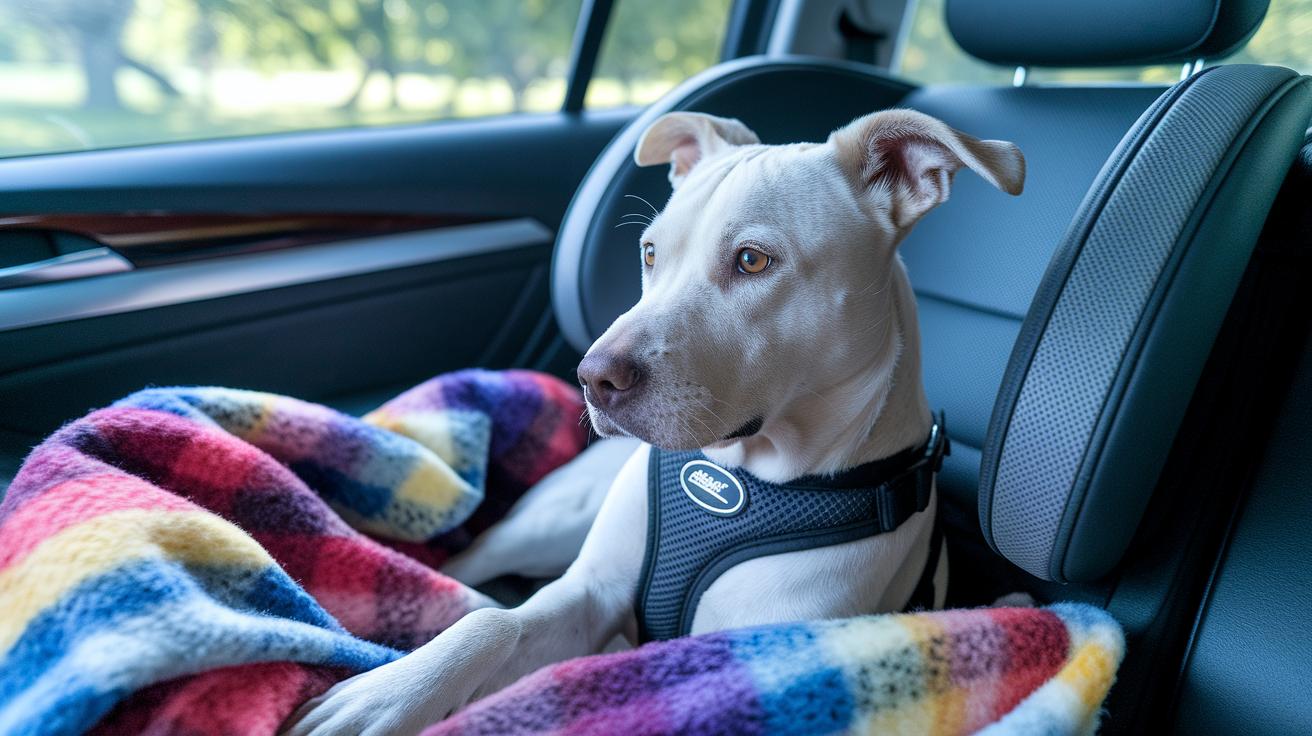
Start with quick rides of 5 to 10 minutes. Offer a treat, kind words, or a favorite toy. This helps your pet see the harness as a part of a fun adventure.
Bring along a familiar blanket or bedding. This little piece of home can ease anxiety and make the car feel safe. Keeping the car calm and playing soft music can also help.
If you notice signs of motion sickness or worry in your pet, talk to your vet about options like anti-nausea or anti-anxiety remedies. Slowly lengthen the rides to build confidence. Celebrate every small win.
It’s a smart idea to keep a pet first aid kit handy. Pack essentials like bandages, a spare leash, a collar, the harness, and even a muzzle for emergencies. Also, jot down local emergency vet contacts along your route.
By taking it slow and using plenty of positive rewards, you're making travel safe and fun for both you and your pet.
Essential Road Trip Safety Tips Beyond Seatbelts for Pets
We know your pet's safety matters to you. Plan a stop every 2 to 3 hours so your pet can take a potty break, drink some water, and stretch those legs. This not only keeps your furry friend comfortable but also helps you stay alert behind the wheel. Picture a small rest stop where your dog gets a little walk and a quick sip.
Keep your car doors and windows securely closed. Even if open windows look tempting, they can lead to accidents during sharp turns or sudden stops. A secure car means extra peace of mind as you drive.
Check that your pet's ID is current. A microchip can really help bring your pet home if they wander off. Pets with microchips have a much higher chance of being reunited with you.
Pack fresh water, food, and bowls for the trip, and keep an eye on the temperature inside the car. It's also wise to have a pet first aid kit close by. And why not keep a list of local vets for your route? That way, you're ready if something happens.
By taking these extra steps, you're helping to create a safe road trip for your pet, way beyond just using a seatbelt.
Cleaning, Maintenance, and Inspection of Pet Seatbelt Gear

Your pet's ride is safer when their gear is clean and secure. After each trip, hand wash the harnesses and straps with a mild detergent and let them air dry completely. A simple tip: if your pet gets muddy, clean the gear like you would wash their favorite blanket.
Before every outing, check all seams, buckles, and attachments for wear or damage. Think of it like making sure a bicycle has no loose parts. If you find any stiff metal buckles, a tiny drop of lubricant can help. Replace any worn or frayed straps right away and store the gear flat or hang it up so it keeps its shape.
Taking care of these steps makes the gear last longer and keeps your pet safe and comfortable on every ride.
pet car seatbelt safety tips: Enjoy Secure Rides
Many states now require you to keep your pet secure during car rides. That means you need a pet seatbelt, a harness, or a crash-tested pet carrier. When you shop, look for gear that has a crash-test certification. Marks like ASTM show it meets the proper standards.
Using approved gear not only follows the law but also makes your car safer. A pet that is properly secured will stay in place during sudden stops, which can help avoid injuries like broken bones or organ damage. Manufacturers add extra safety features to lessen risks in a crash.
Follow your state's rules and check your pet's safety gear each time you travel. Your care makes a big difference in keeping your pet safe on the road.
Final Words
In the action of this guide, we covered practical steps to keep pets safe on the road. We walked through choosing gear that fits, securing harnesses and carriers properly, acclimating pets with quick practice rides, and even cleaning and legal tips for pet travel.
Remember these key points:
- Pick the right size
- Secure the harness
- Adjust for a snug fit
- Test every buckle
- Stay compliant with local rules
Use these pet car seatbelt safety tips to enjoy stress-free rides while supporting rescues.
FAQ
What are pet car safety harness options?
The pet car safety harness options include crash-tested and adjustable designs that secure dogs during travel. These harnesses help reduce injury and distractions, ensuring your pet stays safe while you drive.
Should dogs wear seat belts in the car, and are dog car seat belts safe?
The idea behind dog seat belts is that they keep dogs secure and prevent injury during sudden stops. Well-designed, crash-tested belts and harnesses offer a safe way for your pet to travel comfortably.
What is the safest dog seat belt or harness?
The safest dog seat belt or harness is one that fits properly, is crash-tested, and clips securely into your car’s seatbelt receiver. Options like the updated 3-in-1 designs balance comfort and protection.
How do you secure a pet carrier or dog with a seat belt?
The process to secure a pet carrier involves clipping the carrier’s buckle into the car seatbelt receiver and ensuring a snug fit. This straightforward attachment keeps your pet stable during your drive.
Why might some dog trainers not recommend harnesses?
The concern from some dog trainers about harnesses arises from fears of restricting a pet’s natural movement. However, many modern harnesses are designed to be supportive while preventing injury in a car crash.