
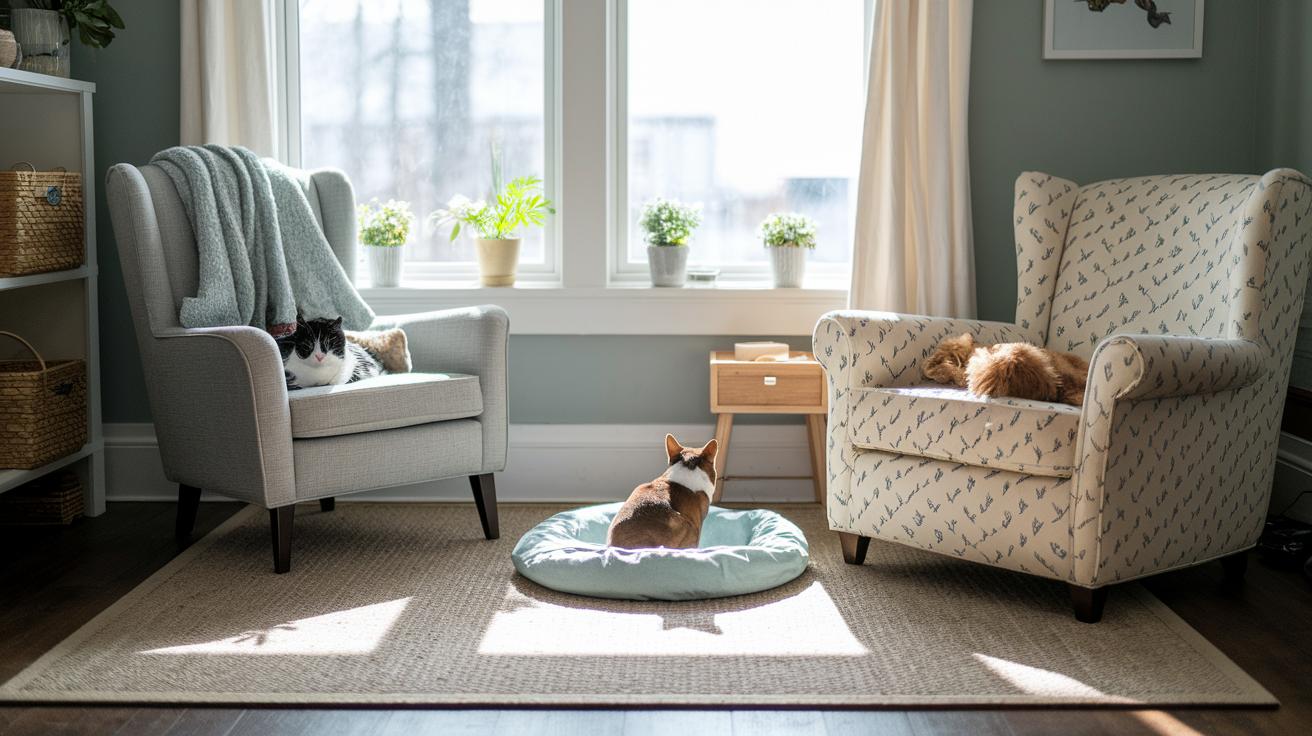

Are you wondering if your home is ready for a new furry friend? It might seem like a simple task, but a few easy steps can help your pet settle in comfortably. With a bit of planning, you can ease any worries and make a safe, warm space that feels like home. Let's go over a simple checklist that covers both the physical setup and the cozy, loving feel your pet deserves from day one.
Adoption Readiness Checklist for Your Home Before Adopting a Pet
Planning ahead can make a big difference when you welcome a new pet into your home. Adopting a pet is a long-term promise that goes beyond just buying supplies. When you get ready in advance, you help your new friend feel calm and loved from the start.
It’s not just your space that needs to be ready , your heart should be, too. Making sure you’re emotionally prepared means your pet will feel safe and cared for on day one. Plus, this careful planning shows your commitment to the well-being of animals and supports local shelters.
Here’s a simple checklist to get you started:
- Research and choose the pet that fits your household best.
- Give your floors and fabrics a good clean and remove any allergens.
- Remove or secure items that are toxic or easily breakable.
- Set up safe spots for playing, resting, and eating.
- Gather all the essential supplies before your pet arrives.
- Plan out the first day’s routine, like entry points and carrier setup.
- Book an initial visit with your vet.
- Get ready in your mind for the pet’s adjustment period.
Following these steps builds a loving base for your pet’s new life. Each task, from cleaning to planning the welcome, helps create a safe, calm space where your new friend can flourish.
Pet-Proofing Your Home: Removing Hazards and Defining Safe Zones
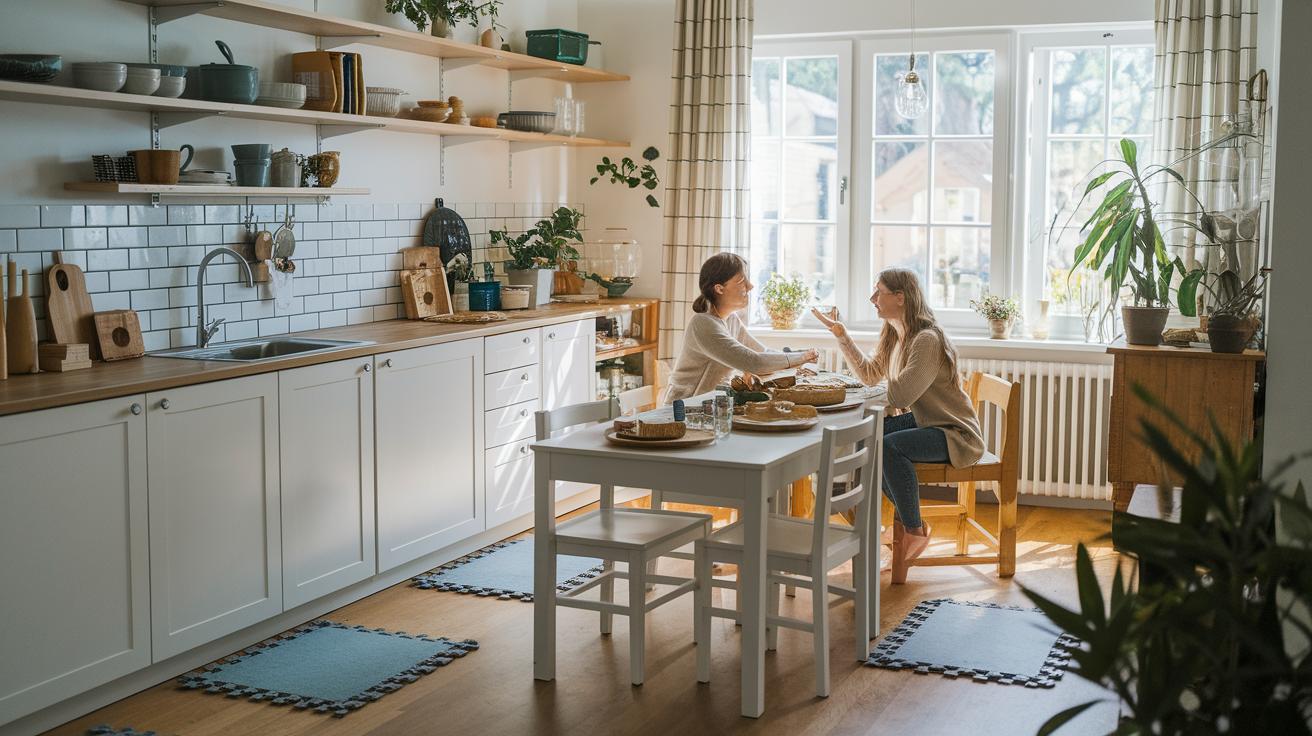
Kitchen and Dining Areas
When you're in the kitchen or dining room, think of pet-proofing like baby-proofing. We suggest you keep cleaning supplies and chemicals high up or locked away. Also, store food and trash safely so your pet can't reach them. Use slip-resistant mats on the floor to help your pet move around without slipping.
Living Room and Common Spaces
In the living room, keep things tidy for your pet's safety. Tuck away loose cords and secure bookshelves. Remove breakable items and small objects your pet might swallow. Arrange your furniture to create clear pathways, and use safe barriers if there are spots that might be risky.
Bedroom and Sleeping Zones
In the bedroom, set up a safe spot with washable bedding and a cozy area for your pet. Keep windows secured or add sturdy screens, and lock balcony doors to avoid escapes. Also, remove any sharp or small objects that might cause harm. These steps help create a calm and secure space for your new friend.
Shopping Essential Supplies for Your New Pet and Home Setup
We know how exciting it is to welcome a new pet into your home. The right supplies make the change smoother for both you and your furry friend. When you shop, think about your pet’s age and breed so you can choose items that really work for them.
Start with the basics. A sturdy crate that grows with your pet can feel like a warm, safe den, perfect for when the weather turns cold. Writing a quick list before you shop helps, too. Make sure each item fits your pet’s size and needs. Whether it's a chew-toy for a teething puppy or a soft plush for a kitten, small choices can brighten their day.
It also pays to check that toys and gear are built to last. Remember, many pets thrive on routine, and having the right tools helps build a deeper bond right from day one.
| Item | Purpose | Recommended Quantity |
|---|---|---|
| Food bowl | Holds pet food | 1 |
| Water bowl | Holds fresh water | 1 |
| Collar & leash | Helps with control and ID | 1 set |
| Crate/carrier | Makes traveling safe | 1 |
| Bedding | Makes a cozy spot | 1 set |
| Toys | Offers fun and exercise | Varies |
Getting these essentials ready means your pet can settle in quickly and feel safe every day. Enjoy picking out the best gear to start building many happy memories together.
Setting Up Pet-Friendly Living Areas at Home

Create a calm and comforting space by setting aside a quiet spot for your pet to rest and a clear zone for play. Keep these areas away from busy traffic and loud sounds so your pet can settle in with ease. Picture a cozy corner with a soft bed where your furry friend can nap after some playful energy. This calm space helps your pet feel safe and ready to enjoy your home.
Next, set up a dedicated area for training and daily routines. Use pet gates to mark where your pet eats, plays, and rests. You can also create an exercise corner with chew toys and chase toys so your pet can practice simple commands while exploring safely. This clear setup helps your new friend learn the house rules and feel more at home.
Finally, choose pet-friendly furniture and cleaning zones to keep your home tidy. Pick durable, easy-to-clean floors and wipe-friendly furniture that can handle little accidents. Keep cleaning supplies close by so you can do quick touch-ups. This thoughtful plan blends comfort with practicality, making your home a fun and clean retreat for both you and your pet.
Planning Your Home’s First-Day Welcome for a New Pet
When your new friend comes home, keep things calm and friendly. Choose one quiet spot with a soft bed and a few familiar items to help your pet feel safe and secure.
For now, let your pet explore just that space. When it's time to meet everyone, introduce family members one by one so things don't feel too overwhelming. Stick to a simple routine: a little playtime here and some quiet moments there. If you have a new puppy or kitten, follow your vet's advice on health and training.
Watch your pet closely on the first day. If it hides or seems nervous, give it some extra time to settle in. Noticing and tuning in to your pet's feelings helps build trust and sets the stage for a long, happy bond.
Scheduling Veterinary Care and Home Health Preparedness for Your Pet
Get a wellness exam scheduled for your new friend within seven days of adoption. You can choose a local clinic like the one at 318 Indian Trace, Weston FL 33326. They're open every day from 8 am to 9 pm and often skip the fee for the first exam. You'll want to plan visits for vaccines, dental checks, parasite control (especially in spring), and any lab tests your pet might need. Your pet might also need procedures like spay/neuter, specialty surgeries, CT scans, or other in-house tests. For extra help, check out the new pet owner care guide.
It helps to keep a pet first-aid kit ready for minor emergencies. Gather bandages, antiseptic wipes, tweezers, and a list of emergency contacts including your vet's info. Keep the kit in a spot that's easy to grab and check it often to swap out expired items. Doing this helps you feel ready for any sudden mishaps. Plus, updating your vet-approved kit every six months makes sure you're always set.
Establishing Daily Home Routines for Your Adopted Pet
Start your day with a simple routine that makes your pet feel safe. Feed them at the same time every morning. Take a short walk or have a quick play session to help wake up their senses. After breakfast, do a safety check. You can secure loose cables, lock away chemicals, and check your fences. This little effort sets a calm tone for the day.
In the middle of the day, spend some time playing and practicing simple tricks. Offer a healthy snack and use easy commands to build your bond. Keep your home tidy with pet-safe cleaning products and close the bins for waste. This helps make sure your home stays fresh and safe for both of you.
In the evening, wind down with a calm routine that helps with rest. Serve a light meal and, if needed, enjoy a brief exercise session. Check that your pet has enough water and plan any routine dental care. A final walk around your home to secure any missed spots wraps up the day for a happy, safe pet.
Final Words
In the action, you’ve seen how to set up a home that feels safe and welcoming for your new pet. The post broke down practical steps, from pet-proofing rooms and gathering essential supplies to planning a calm first-day welcome and scheduling vet care. It showed you a clear and simple guide on how to prepare your home before adopting a pet, keeping routines, safety, and care in harmony. Enjoy building a warm space where your furry friend can thrive.
FAQ
How can I adopt a pet for free?
Adopting a pet for free means using community events and free adoption days hosted by shelters like the ASPCA. These events help animals find homes without fees holding you back.
How do I adopt a pet?
Adopting a pet means researching local shelters, meeting animals in need, and getting ready for a long-term commitment. It starts with choosing a pet that fits your lifestyle.
What are the costs involved in adopting a pet?
The cost of adopting a pet varies by shelter fees, medical care, and vaccinations. Some adoption events offer free days, while others charge modest fees to support the shelter’s care.
How do I make my dog happy when home alone?
Making your dog happy when home alone means providing engaging toys, a comfy bed, and safe spaces. Background music and puzzle feeders can also help keep them calm and entertained.
What is the ASPCA free adoption day?
The ASPCA free adoption day is an event where you can adopt a pet with no fees. This helps animals find homes and supports the rescue community by removing cost barriers.
How much do dogs cost at the pound?
Dogs at the pound typically come with low adoption fees that help cover their care. These fees vary by location, so check with your local pound for up-to-date pricing.
What is the 3-3-3 rule when adopting a pet?
The 3-3-3 rule means easing a pet into your home by allowing three days for isolation, three days for supervised introductions, and three days for a gradual adjustment. This rule helps your new friend settle in smoothly.
Where should an adopted dog sleep on the first night?
An adopted dog should sleep in a quiet, secure spot near you on the first night. A cozy bed and familiar item can help make the transition calm and comforting.
Which dogs are the hardest to get adopted?
The hardest dogs to get adopted are often older breeds or those with special needs. These dogs may require extra patience and care, but with the right home, they can thrive.