


Ever wonder why adoption fees are different from one pet to another? When you pay the fee, you help cover the shots, check-ups, surgeries, daily care, and even the paperwork. Yes, the fee can seem high, but it pays for all the work that goes into getting a pet ready for your home. In this article, we will explain each part of the fee so you can see how your money makes a real, positive difference when you welcome a new friend into your life.
What Pet Adoption Fees Cover and Why They Vary
Adoption fees help cover the care and costs needed to get a pet ready for a new home. They can be as low as under $100 at city shelters or above $500 at some rescue groups. When you pay a fee, you are helping cover many services.
- Veterinary care like vaccines, microchipping, spay/neuter surgeries, and other health checks
- Daily costs such as food, housing, and keeping the shelter running
- Administrative work, including staff wages, building upkeep, and paperwork
- Bundled services like full behavioral checks or trial home visits
Fees differ because each group works in its own way. City shelters may get government help to lower costs. In contrast, private rescues and foster groups often spend extra time and money on one-on-one pet care, which can raise fees. Some groups show a detailed list of costs so you know what each fee is for. Others bundle several services together. Either way, the fee helps cover both the immediate care and the extra work needed to get a pet ready for adoption.
Medical Cost Components in Pet Adoption Fees Explained
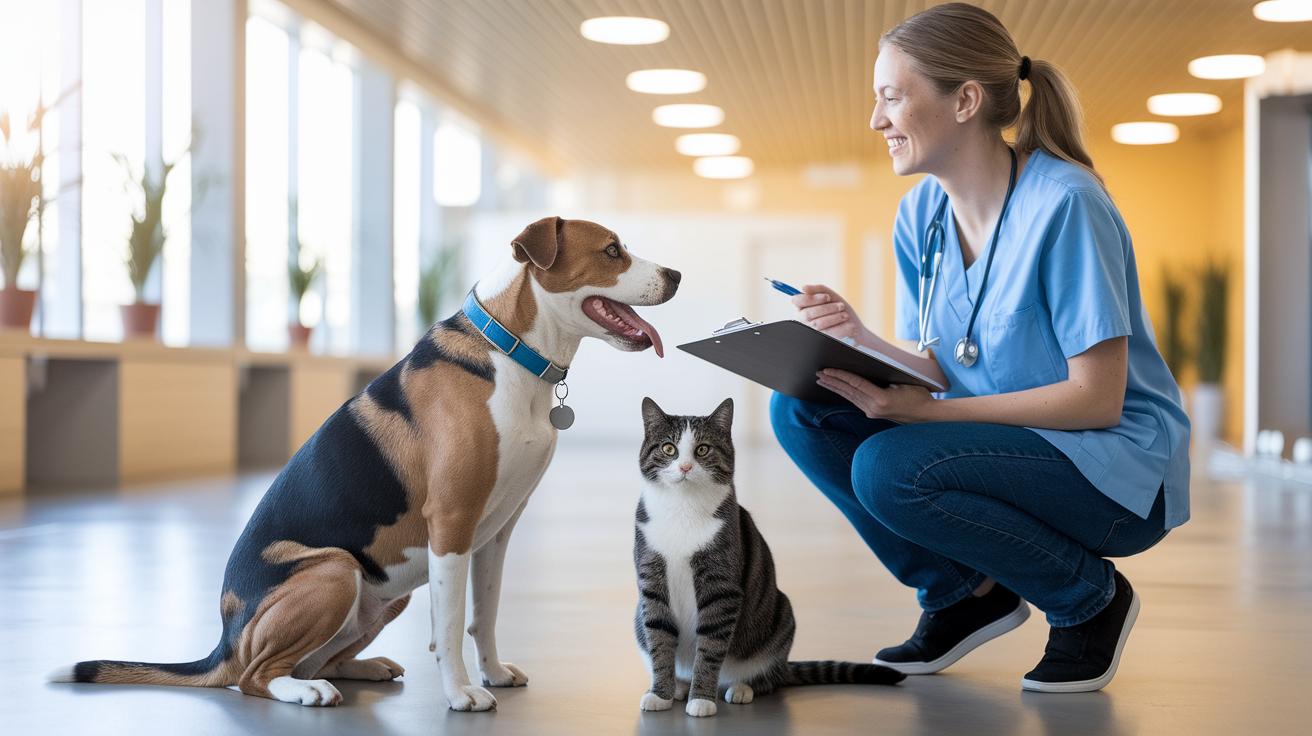
Every pet adoption includes essential care to help your new friend start off on the right paw. The adoption fee covers treatments like shots, tests, and other care that our vet teams provide with love.
| Cost Component | Price Range |
|---|---|
| Vaccinations | $15 – $100 per dose |
| Microchipping | $25 – $50 |
| Spay/Neuter Surgeries | $200 – $500 |
| Bloodwork & Deworming | Included as needed |
A pet's age and overall health can change what care they need. Older pets or those with past health issues might get extra tests or treatments. Plus, if you're adopting from another state, you may need to pay health certificate fees on top of the usual cost. Every adoption fee is unique because it reflects the special care each animal receives.
Comparing Pet Adoption Fees at Shelters Versus Rescue Groups
When you’re thinking about adopting a pet, the fees can really shape what you get. City-run shelters usually ask for less than $100 because they get help from the government. On the other hand, rescue groups that use foster homes may charge more than $500. That fee often covers several months of food, extra care, and lots of one-on-one attention. Some places even mix both ideas, offering essential services along with a few extra treats. Knowing what each fee covers helps you see the real value in each option.
Government-Supported Shelters
City shelters keep costs low by using public funds. Their fee covers basic health care like doctor's check-ups and temporary housing. They often give you a list of services so you know exactly what you're paying for.
Foster-Based Rescue Networks
Foster rescues treat every pet with lots of personal care and love. They sometimes charge over $500. That fee can cover a steady supply of food, special vet care, and more time spent making sure your pet is ready for home. This extra cost reflects the time and care these rescues put into nurturing animals.
Combined Models
Some groups use both shelter facilities and foster care. Their fees blend lower basic costs with extra services like longer trial periods and added health support. Asking for a detailed fee list can help you see exactly what is included.
Before you decide, ask for all the fee details. Compare the options so you can choose what fits you best and supports local efforts like animal rescue donations (https://goodpawsgoodcause.org?p=118).
Administrative and Operational Expenses in Adoption Fees
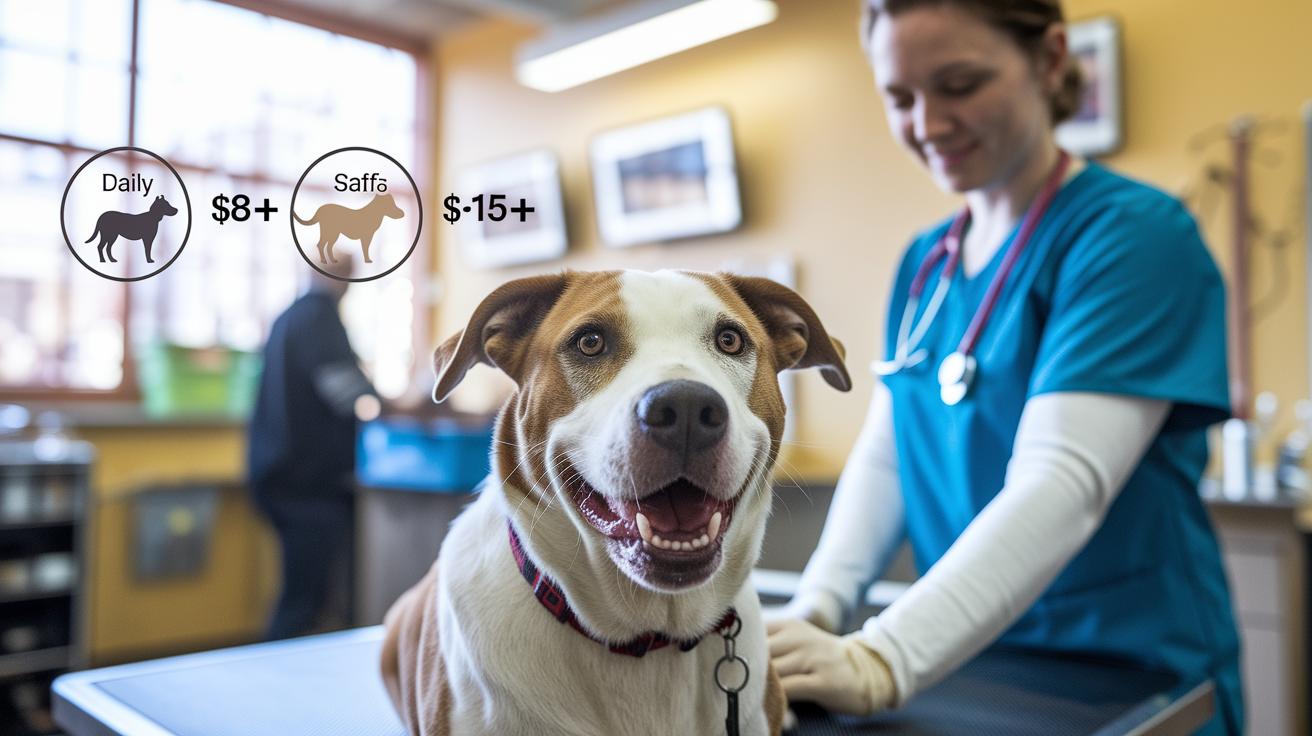
Shelters have many everyday expenses that help keep our pets safe and well cared for before they find a new home. We spend about $8 to $15 each day on food, bedding, and basic supplies for every dog. With a typical shelter stay of 9 to 14 days, these amounts add up quickly to keep the space warm and welcoming.
We also cover costs to keep our facilities in tip-top shape. For example, salaries for our caring staff, like veterinarians who earn around $60,000 to $80,000 a year and behavior specialists who bring in $35,000 to $50,000, are built into the fee. Money for utilities, cleaning, and repairs also helps maintain a safe, neat space. When you contribute through the adoption fee, you are helping ensure that every pet receives thoughtful care until they find their forever family.
Additional Costs Beyond Pet Adoption Fees Explained
When you bring home a new pet, the adoption fee covers the care before adoption but not the basics you'll need later. You will likely need to buy items like a collar, leash, bed, and toys separately. These essentials help your pet feel secure and loved once they leave the shelter. It helps to plan a starter kit budget. Check out sales or even secondhand options at pet stores to keep costs low. And if your pet has special needs, be sure to set aside a bit more for extra supplies.
Beyond the basics, new pet parents handle ongoing medical care. Routine costs such as vaccinations, training classes, grooming, and even emergency vet visits can add up. Even treatments known before adoption become your responsibility at home. Here are two simple tips:
- Set aside a little fund every month for surprise vet visits.
- Look into local, low-cost pet care options to ease routine expenses.
Regular check-ups and emergency visits can vary, so having extra funds makes a big difference. Budgeting wisely helps you care for your new best friend.
Getting the Best Value from Pet Adoption Fees

When you adopt, the fee usually covers important check-ups and vaccines that might cost $500 to $1,500 if you paid privately. Paying a small fee means your new pet gets a healthy start. Many shelters even offer a 14- to 30-day trial period along with extra help, like phone advice on behavior. This fee covers more than just the treatment, it gives you and your pet a smoother settling-in period.
Getting care early can help you avoid surprises later on. When small problems are fixed right away, you may skip costly emergency visits down the road. In short, the adoption fee is a smart investment, keeping your pet healthy and helping you manage costs over time.
Key Questions to Clarify Pet Adoption Fee Details
When you adopt a pet, it's important to know what your fee covers. This helps you avoid surprises and makes the process easier. Find out if the fee is broken down into specific costs or if it's one simple charge. This way, you know exactly what you're paying for and feel confident about your decision.
Ask if the fee covers things like behavior checks, trial periods, and extra support if problems come up. Also, check if any extra charges, such as out-of-state health certificates, might be added later. Knowing these details means you understand what you're paying for and helps ensure your new furry friend gets the care they need after adoption.
Final Words
In the action, we broke down what pet adoption fees cover, from vet care and daily shelter costs to administrative and extra post-adoption expenses. We looked at differences across shelters, rescues, and combined models while sharing key questions to ask for clear fee details.
Every fee component works together to support a pet’s health, care, and a better life. Pet adoption fees explained here show how each dollar helps care for your new friend and supports ethical animal-welfare causes.
FAQ
- How much does it typically cost to adopt a pet from shelters or rescue groups?
- The cost to adopt a pet usually ranges from under $100 at municipal shelters to over $500 at rescue organizations, covering vet care, daily expenses, and administrative costs.
<dt>What are typical adoption fees at PetSmart for both dogs and cats?</dt>
<dd>PetSmart adoption fees often vary but generally fall between $50 and $150, reflecting local shelter pricing and recent vet care provided before adoption.</dd>

<dt>What does the 3-3-3 rule mean for pet adoptions?</dt>
<dd>The 3-3-3 rule in pet adoptions typically encourages spending dedicated time with a pet, preparing three essential items, and allowing a trial period to ensure a smooth transition into your home.</dd>

<dt>Why are adoption fees so high for dogs?</dt>
<dd>Adoption fees for dogs cover essential veterinary services like vaccinations, spay/neuter surgeries, and microchipping, as well as daily care and facility expenses, which adds up to a higher fee.</dd>

<dt>What does it mean when pet adoption fees are waived?</dt>
<dd>When fees are waived, it means the shelter or rescue is running a special promotion or event where the adoption charge is eliminated, though new pet parents still cover future care and supplies.</dd>

<dt>Which organizations are well-known for pet adoptions?</dt>
<dd>Organizations such as Animal Humane Society, Pet Haven Inc of MN, Crossroads Animal Shelter & Community Veterinary Clinic, Feline Rescue, Underdog Rescue MN, and Caring For Cats are recognized for their commitment to pet care and adoptions.</dd>