
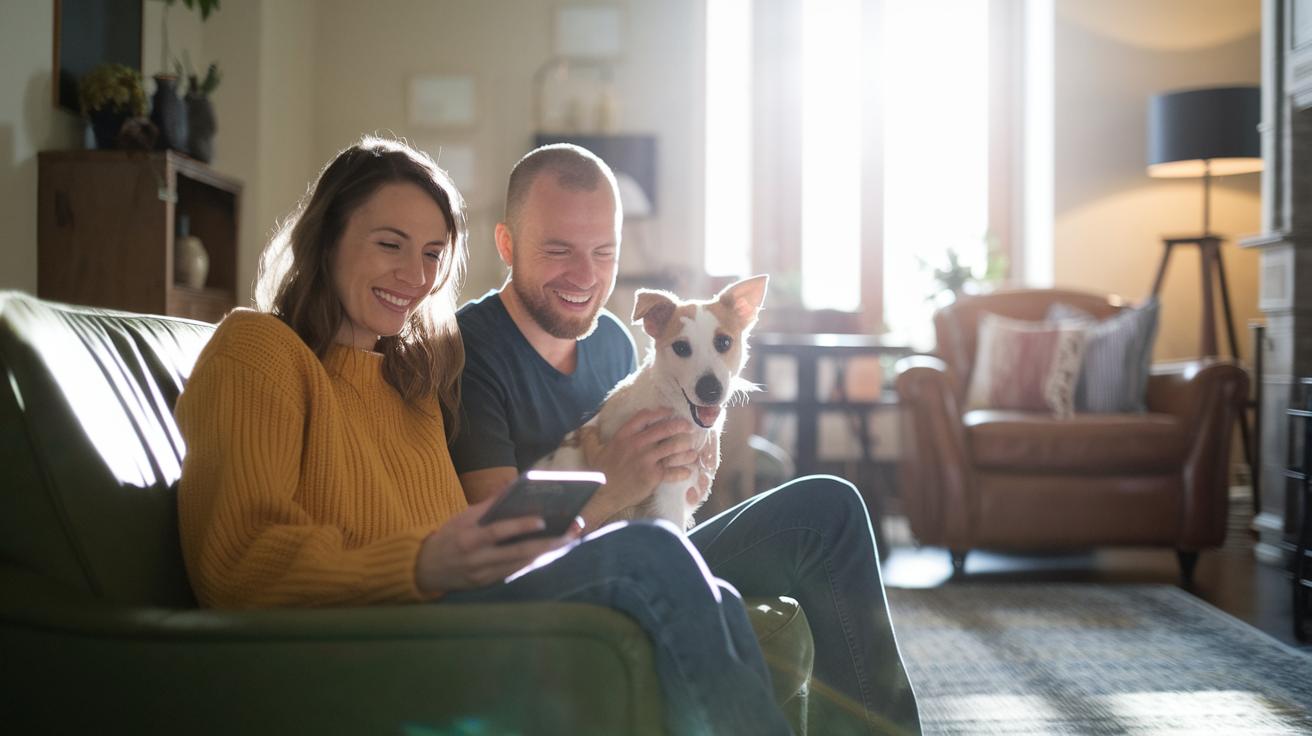

Are you ready to welcome a new furry friend into your life? Bringing your dog home after adoption is both exciting and a bit challenging. Imagine a quiet space where your pup can settle down before all the fun begins.
In this guide, we share simple steps to help your new companion adjust. First, give your dog some time to relax and feel safe. Then, build trust by setting clear, easy-to-follow rules. A calm start makes all the difference.
These tips will help you and your pup begin your journey together on the right paw. Enjoy every moment as your new friend finds a loving home.
Step-by-Step Guide to Introducing Your Newly Adopted Dog to Your Home
When you bring your new dog home, start with a quiet three-day detox period. Set up a peaceful spot with soft bedding where your dog can relax and feel safe. This gives your pet a chance to settle in after the busy shelter.
Over the next 30 days, create a routine that makes your home feel like a secure and friendly space. From day one, set simple rules like keeping dogs off the couch. Reward gentle behavior as you and your dog learn to understand each other better.
Follow this simple plan for a smooth transition:
| Time Period | Focus |
|---|---|
| First 3 Days | Quiet detox period in a secure space |
| First 3 Weeks | Simple routines like feeding, toilet breaks, and short walks |
| First 3 Months | Gentle training and extra bonding time; use every encounter for learning |
These gradual steps will build your dog's confidence. A calm, routine-filled home helps ease worries like pacing or chewing, especially when things in the house change. Enjoy getting to know your new friend and watch them blossom in their new safe space.
Preparing Your Home for a Newly Adopted Dog
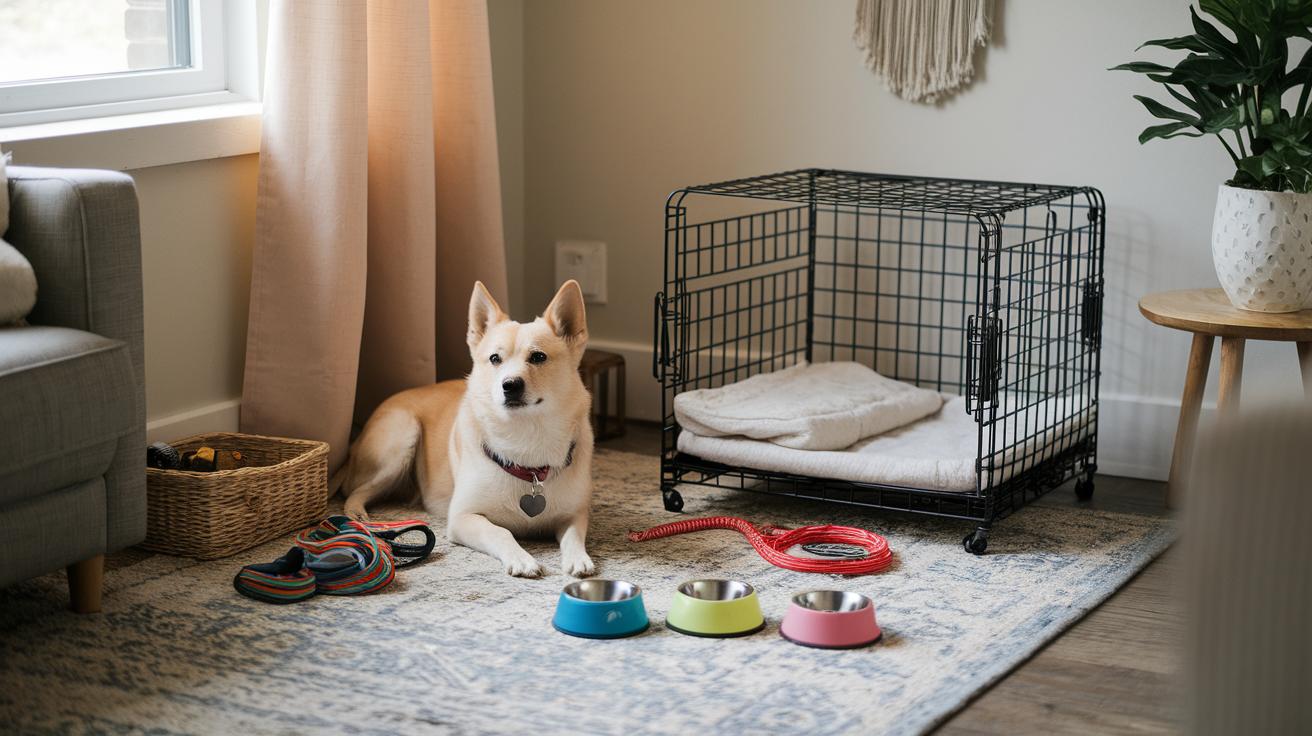
Before your new pup steps into your space, get your home ready with all the necessary supplies. Have a cozy bed, a crate for safe resting, bowls for food and water, a collar with an ID tag, fun toys, and a leash waiting. Think of it as setting up a small hotel room just for your pet.
Make a quiet, low-key spot where your dog can relax. Add comfy bedding so your new friend feels secure. This calm area will help your pup unwind after the busy shelter environment.
Try these simple tips to keep your home safe:
- Clear dangerous items: secure trash bins, tuck away electrical cords, and lock cabinets.
- Plan for playful moments: set aside a space where exploration and chewing are okay.
- Define a special spot: use a pet mat or a small rug so your dog knows it’s their zone.
Remember, when your home is ready, your pup can settle in with ease. I once jotted down a list of everything my dog needed, a bed, bowls, and toys, and checked each off as I got them. That little system made sure my dog had a calm, safe place to begin a happy new chapter.
Establishing a Consistent Home Routine for Your Adopted Dog
Begin with a steady routine from day one. The first 30 days are key to helping your dog settle in. A clear schedule for meals, potty breaks, exercise, and rest not only eases stress but also builds trust. Every moment becomes a chance to teach good manners and show that your pup is safe and loved.
Here are some ideas to get started:
- Take a morning walk around 7 AM. This helps your dog wake up and explore.
- Serve meals at about 8 AM and again at 6 PM to keep eating times steady.
- Enjoy a play session in the mid-afternoon so your pup can burn off energy.
- Allow for rest breaks after activity to help your dog calm down and recover.
These steady routines give your new friend a sense of stability. You’ll notice small improvements and spot any issues quickly. A set schedule makes every day feel predictable and safe for your furry companion.
Introducing Your Adopted Dog to Family Members and Pets

When you welcome a new dog, plan the first meeting in a quiet park or a friend's yard. This neutral place makes it easier for everyone to feel at ease. Start with a short walk on leashes so both pets can explore the space together.
If there are children at home, always keep a watchful eye. Guide kids to speak in soft voices and pet gently. Think of it like treating your new friend as if it were your favorite storybook character, nice and kind.
When introducing the new dog to your other pets, try these simple steps:
- Take side-by-side walks with both dogs.
- Swap a bit of their bedding or favorite toys so each can get used to the other's smell.
- Allow on-leash introductions at home where you control the space.
Be careful around special spots like feeding areas or favorite beds. These "hot" zones might make pets protective. Keep an eye on these areas and, if needed, separate them for a little while until they feel more comfortable.
With patience and careful watching, each step will help your new friend settle in with your family.
Monitoring Your Adopted Dog’s Behavior and Adjustment
Keep a close eye on your new pup as it settles in. In the first few weeks, your dog might hide, pace, whine, chew on things, or even have a few accidents. You may see your little furball exploring every corner like a curious detective. A sudden pause during a walk could mean your friend feels uneasy in a new place.
Separation anxiety is common too. If your dog clings to you, barks, or whines when you step away, it’s a sign that it needs more time alone. Think of it as your pet saying, "I’m not ready to be by myself just yet."
Try these simple tips to ease your pet’s stress:
- Give short bursts of alone time so your dog learns that being on its own is safe.
- Use the crate as a cozy spot by letting your pup rest there during busy moments.
- Keep goodbyes short and calm, a quick farewell is less stressful than a long, emotional send-off.
Watch these early signs closely. Every little change helps you understand how your pet is doing. If stress signs last beyond three weeks, consider asking a professional for advice. Sometimes a little extra support can go a long way in helping your new friend feel at home.
Building Trust and Bonding with Your New Dog after Adoption
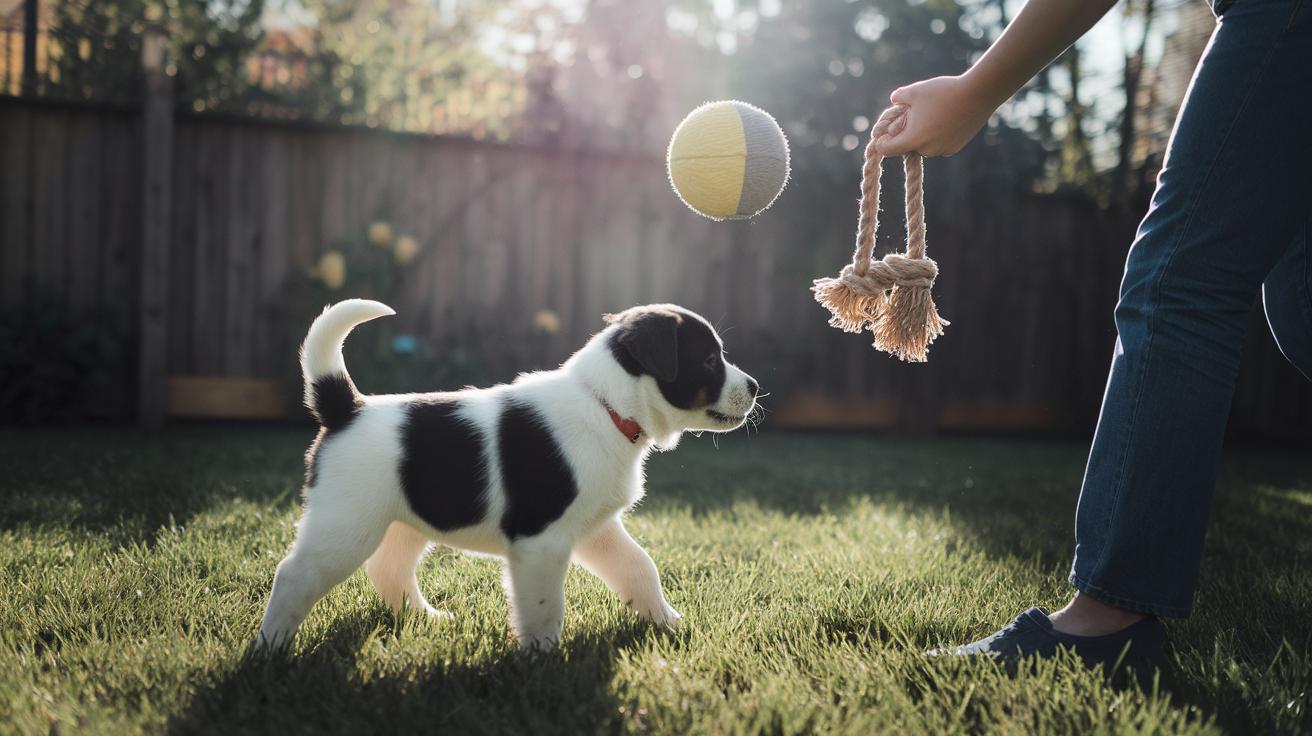
Think of nurturing your new pup much like tending a little garden. A bit of care each day goes a long way. Spend short, fun moments playing games that let your dog move and explore. Try tossing a ball or having a gentle tug-of-war with a rope. These simple games help your dog feel secure and loved.
Try adding in some calm grooming or mini training sessions. You can teach your dog to sit, come, or settle with easy steps. Every time your dog does something good, give a small treat or a kind word. This approach makes your dog learn that friendly behavior has its rewards.
One-on-one walks are a wonderful way to build a connection. A quiet stroll around the block gives you both a chance to enjoy new smells and sights together. Keep your tone calm and patient, especially if your dog is a bit shy or new to the rescue life.
Remember, trust builds slowly. Doing little things every day will help your new friend become more confident and secure. A touch of love and care every day can create a bond that lasts a lifetime.
Final Words
In the action, we explored clear steps that help make sure a new dog feels safe and loved. We covered setting up a cozy space, establishing steady routines, and easing introductions with family and other pets. We even looked at how to spot signs of stress and build trust through simple bonding activities.
Remember, knowing how to introduce a new dog to your home after adoption sets the stage for a happy life together. Every little step counts. Enjoy the progress and cherish the moments together.
FAQ
How do I introduce a new dog to my current dog at home if there’s jealousy, dominance, or aggression?
Introducing a new dog to your resident dog means planning gradual, controlled meet-ups. Start in a neutral space with both dogs on leashes, allow short interactions, and reward calm behavior to build trust.
How do I introduce a rescue dog to my home?
Introducing a rescue dog means creating a calm, safe space and starting slowly. Let your new friend explore at their own pace while keeping initial interactions gentle and supervised to ease anxiety.
How do I introduce a puppy to a dominant or aggressive dog?
Introducing a puppy to a dominant dog means arranging brief, on-leash meetings in neutral areas. Supervise closely, reward calm behavior, and gradually increase the time they spend together while ensuring each dog has its own space.
What should I avoid when introducing dogs to each other?
Avoid forcing interactions, using harsh corrections, or ignoring signs of stress. Instead, let each dog set a comfortable pace and take breaks if tension or anxiety appears during their introduction.
What is the 7-7-7 rule for dogs?
The 7-7-7 rule promotes balanced interaction by suggesting timed periods for play, rest, and independent time. This method helps prevent overwhelming your dog while easing them into new social experiences.
What is the 3-3-3 rule with dogs?
The 3-3-3 rule splits introductions into three segments: three minutes of meeting, three minutes apart, and three minutes together. This structured routine helps to gradually build comfort and reduce stress.
What is the 90-10 rule for dogs?
The 90-10 rule means that dogs should spend 90 percent of their time in calm, positive interactions and only 10 percent in moments of stress. This approach encourages a relaxed atmosphere during the transition.
What do welcoming home quotes and experts like Cesar Millan suggest about introducing a new dog?
Welcoming quotes and experts like Cesar Millan advise using patience, clear household rules, and gentle guidance to ease nerves. Their tips help establish a smooth transition for both the new and resident dogs while creating a warm environment.