
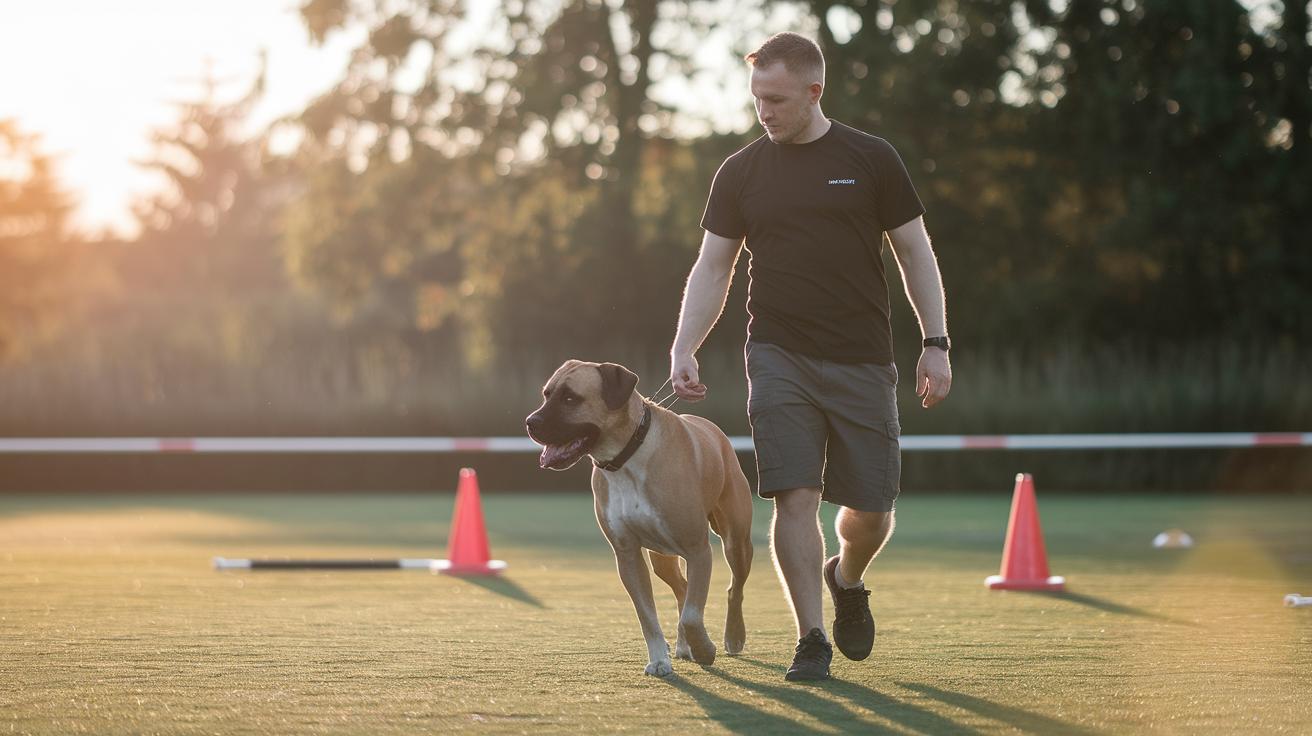

Have you ever thought that your dog's aggressive behavior might be a call for help? Sometimes, what seems like tough behavior is really your pet trying to tell you something.
It all starts with noticing what sets your dog off. A relaxed walk on a leash or a tasty treat can gently guide your pup toward better behavior.
By using safe, trusted methods and working with experts, you and your furry friend can build a bond filled with trust and calm. Give these kind techniques a try and see the real progress in your pet's behavior.
Aggressive Dog Training Blueprint: How to Control and Modify Aggressive Behaviors
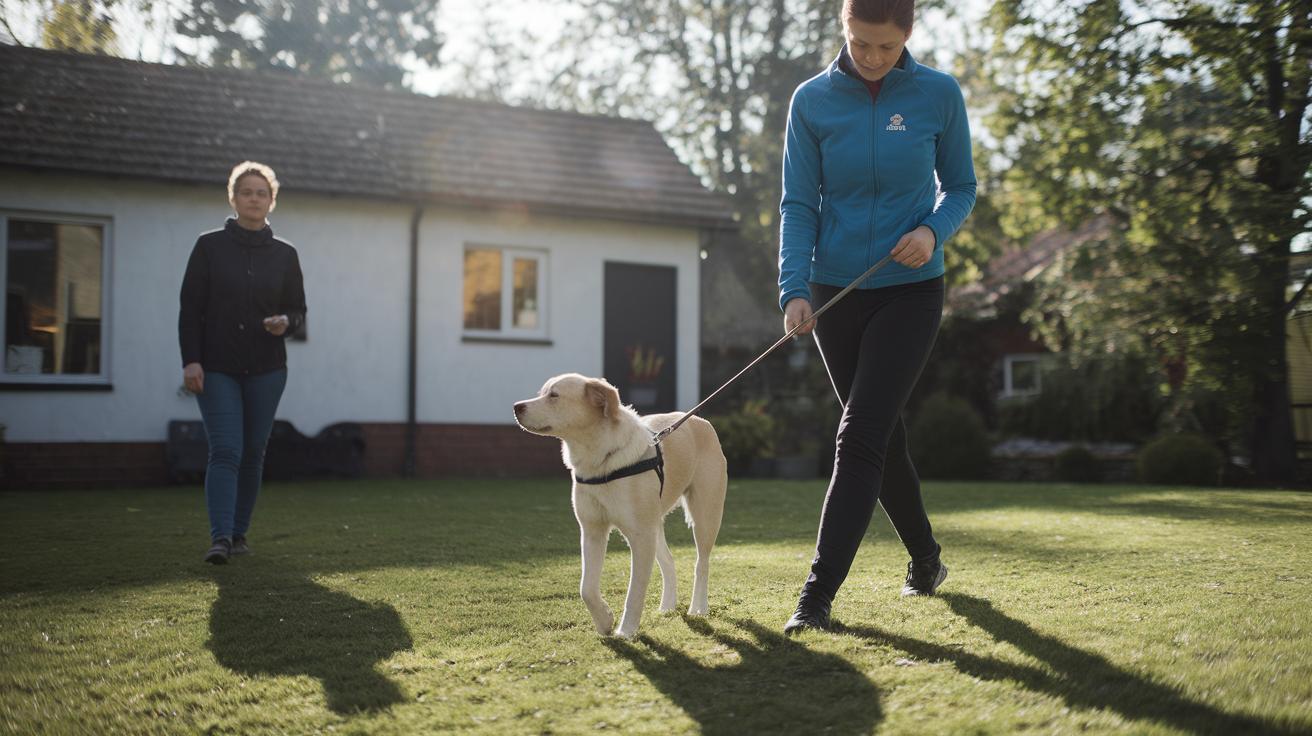
Dogs sometimes show aggression, and that can be dangerous when someone or another pet might get hurt. Before you start training, take time to figure out what sets off your dog. Use safe steps like walking on a leash and, if needed, a muzzle to keep everyone safe. It also helps to keep your dog away from visitors until you get a handle on the behavior.
Before you train, watch your dog and learn what makes him upset. We use kind, patient methods that build trust over time. Notice places that can be risky, such as busy parks or when unexpected people come by, so you can keep things calm. Stick with proven techniques and avoid harsh tools like shock or prong collars. This way, you manage aggression with care.
Being consistent is key to changing behavior. Reward moments of calm with tasty treats and praise. Many pet parents find that working with a certified trainer or behavior expert makes a big difference. Together, you can help your dog form new, calm habits that replace aggression.
- Find your dog's triggers and note when he feels stressed.
- Keep him on a leash in tricky places.
- Use a properly fitted muzzle if his behavior might get out of hand.
- Separate him from guests during stressful times.
- Consult a certified trainer or behavior expert for extra guidance.
Identifying Triggers in Aggressive Dog Training

Understanding what sets off your dog's anger is key for any pet parent. When you recognize what upsets your dog, you can build a gentle training plan to help them feel safe and calm.
Sometimes your dog reacts out of fear when facing new people, loud sounds, or busy places. For instance, a dog might bark at a man in a hat or get nervous during a storm. Places like busy parks and vet offices can make these feelings even stronger. Noticing these triggers early lets you adjust your training and keep your pet relaxed.
Watch your dog's body language closely. Sometimes, signs like a quick yawn or gentle lip licking show that they feel stressed. These small hints can help you stop a little worry from growing into a larger problem. When your dog senses that you understand them, they feel more secure.
- Certain people (for example, a man with a hat)
- Children or unfamiliar faces
- Loud sounds like fireworks or thunderstorms
- Busy spots such as parks or vet offices
- Yawning as an early sign of stress
- Lip licking when feeling uneasy
- Pacing or jerky movements
- A tucked tail or showing the whites of the eyes
By knowing these triggers and early signs, you can keep an eye out and step in before a stressful moment turns into something bigger. Every little effort helps your furry friend feel more secure and happy.
Aggressive dog training ignites positive canine change
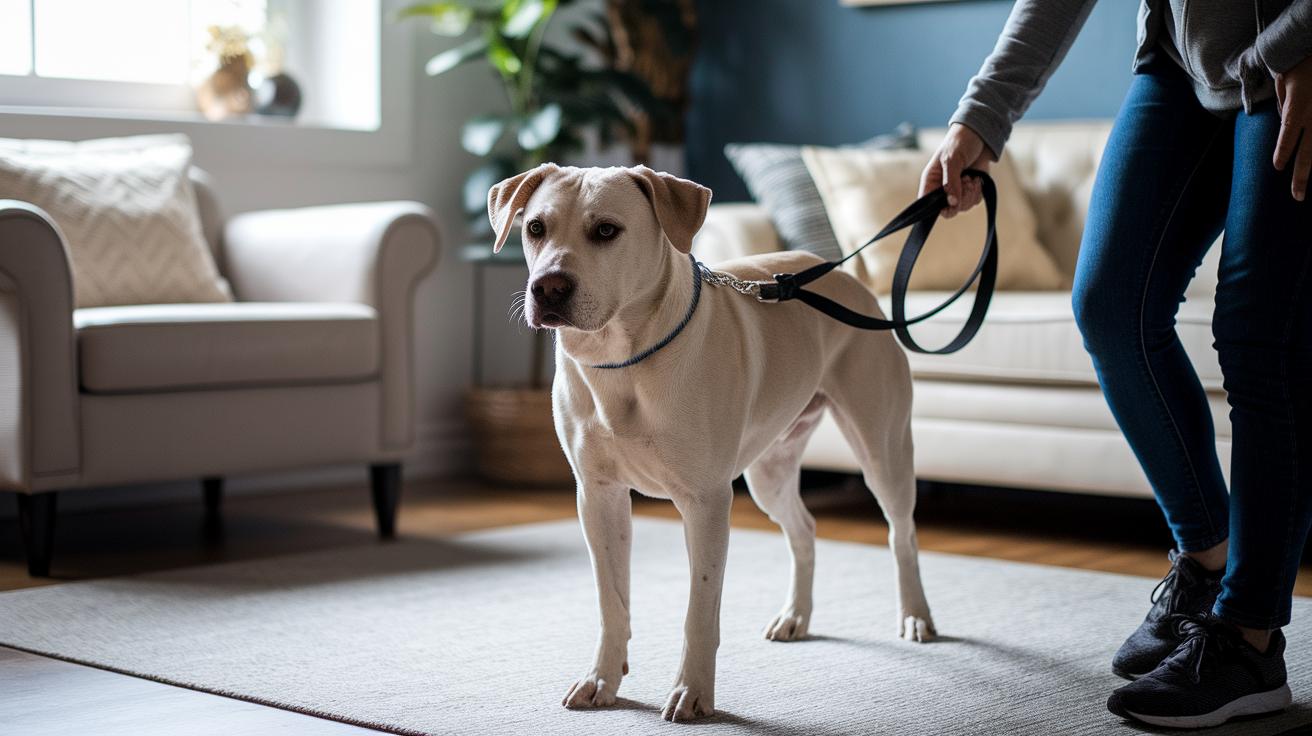
Creating a Safe Training Environment
Start by making a calm spot for your dog. Pick a quiet room, remove extra distractions, and keep anything that might scare your pet out of reach. Use soft lighting and familiar scents so your dog feels at ease. A sturdy leash and, if needed, a well-fitted muzzle can keep both of you safe in these first sessions. Think of this space as a cozy den where your pup feels secure and ready to explore new tricks.
Desensitization and Counter-Conditioning
Now that your safe space is set up, slowly introduce things that normally upset your dog. Begin with very mild versions of these triggers. When your pet sees or hears these low-level reminders, give them a reward like praise or a favorite toy. This small treat helps change their feelings from worried to calm. Over time, you can make the triggers a bit stronger as your dog learns to stay relaxed.
Positive Reinforcement Techniques
Using treats, quick rewards, and kind words really boosts your dog's confidence. When they do well, reward them right away so they connect calm actions with positive surprises. A clicker can mark the exact moment they are relaxed, reminding them that staying calm brings lots of benefits. With patience and repetition, your dog learns that being steady not only feels nice, but it also earns them plenty of love and treats.
Professional Aggressive Dog Training: When to Seek Expert Help
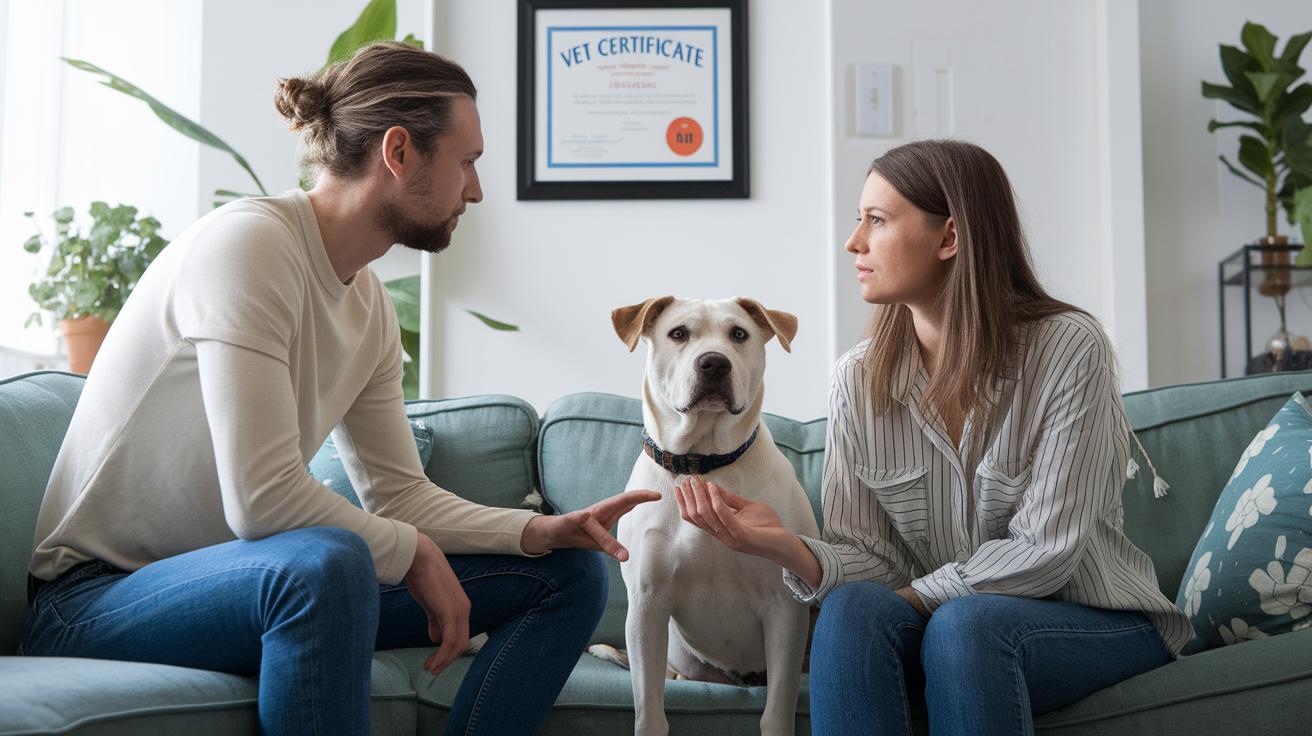
If your dog shows serious aggression, it might be time to get help from a trusted expert. Look for a dog trainer or a veterinary behaviorist who uses science-based methods and positive reinforcement. They should use kind techniques, not shocks or harsh collars. Ask about their background and if they’ve worked with similar cases before. It helps to hear success stories from other pet parents.
A good expert knows that aggression is a natural response and works on building trust instead of fear. They will point out early signs of stress in your dog and suggest ways to slowly lower exposure to things that upset them. A caring trainer takes the time to listen to your worries and watch your dog's behavior before making a plan.
When you choose someone, make sure their methods are clear, simple, and consistent. They should explain each step in words that make sense to you. It’s a bonus if you can talk to other pet parents who have seen improvements with their dogs. This way, you’re sure to work with someone who is both skilled and compassionate.
Maintaining Progress in Aggressive Dog Training

Relapse Prevention Plans
When your dog feels more confident, you can slowly bring back things that once upset them. Start with very gentle challenges and add a bit more difficulty over time. Stick to a steady routine so your dog knows it’s a safe space to learn. This simple plan helps keep progress on track and stops old habits from coming back.
Progress Tracking Methods
Noticing small changes in your dog's training is important. Keep a small behavior journal and jot down what you see each day. You might even make short videos during training to catch moments you might miss. Regular check-ins help you spot what’s working and what might need a tweak. This keeps you both moving in the right direction.
Reinforcement Schedules
Rewarding your dog the right way is key. Start by giving a treat every time your dog stays calm. Then, slowly change to giving treats only sometimes, maybe one for a few calm actions. This helps your dog learn to trust its own self-control while still knowing a reward is coming. Keep up with regular training sessions and gradually add more challenges for steady improvement.
Safety Protocols in Aggressive Dog Training Sessions

A strong lead, a snug muzzle, and clear barriers help create a safe place for training. They cut down on distractions and stop sudden triggers.
Plan your escape routes and rehearse emergency steps. Decide ahead of time which path takes you to a safe spot. Think of it like this: if the session turns tense, you'll know exactly where to go. If your dog's behavior gets rough, use a calm, firm voice and quickly move your dog to safety.
Quick action during a surprise keeps everyone safe and the training effective. Plus, part of this sale helps local shelters run behavior classes through animal rescue donations.
Final Words
In the action of our blog, we explored a clear blueprint for managing aggressive dog behavior. We broke down key topics like spotting triggers, creating a safe space at home, using rewards for progress, and knowing when to seek professional help.
We also covered how to track progress and maintain safety during training. These steps help simplify care, keep pets secure, and support rescue efforts.
Remember these five crucial steps:
- Spot triggers.
- Set a safe zone.
- Use rewards.
- Track progress.
- Seek professional help.
FAQ
Where can I find aggressive dog training services, including boarding and regional options near California, Texas, or near me?
Finding local aggressive dog training is key. Start by checking local listings and directories for trainers offering in-home sessions and boarding options. Many professionals provide hands-on help in your area.
What aggressive dog training techniques work best for aggressive dogs?
Effective aggressive dog training techniques include gradual exposure to triggers combined with desensitization and positive reinforcement using high-value rewards. Communities like reddit often share practical examples and ideas from personal experiences.
Are there affordable aggressive dog training options available?
Affordable aggressive dog training may be found through community programs, local shelters, or trainers offering flexible pricing. It helps to compare options, seek referrals, and ask about payment plans for quality, cost-effective support.
Can aggression be trained out of a dog and how do you train a dog to stop being aggressive?
Aggression can be reduced with consistent, reward-based training and professional help. Gradual desensitization, clear messaging, and structured routines help a dog learn to stop aggressive behaviors over time.
Can an aggressive dog be rehabilitated?
An aggressive dog can be rehabilitated with patience and structured behavior modification. Expert guidance, gradual trigger exposure, and reinforcement of calm behavior can lead to lasting improvements in your pet’s conduct.