
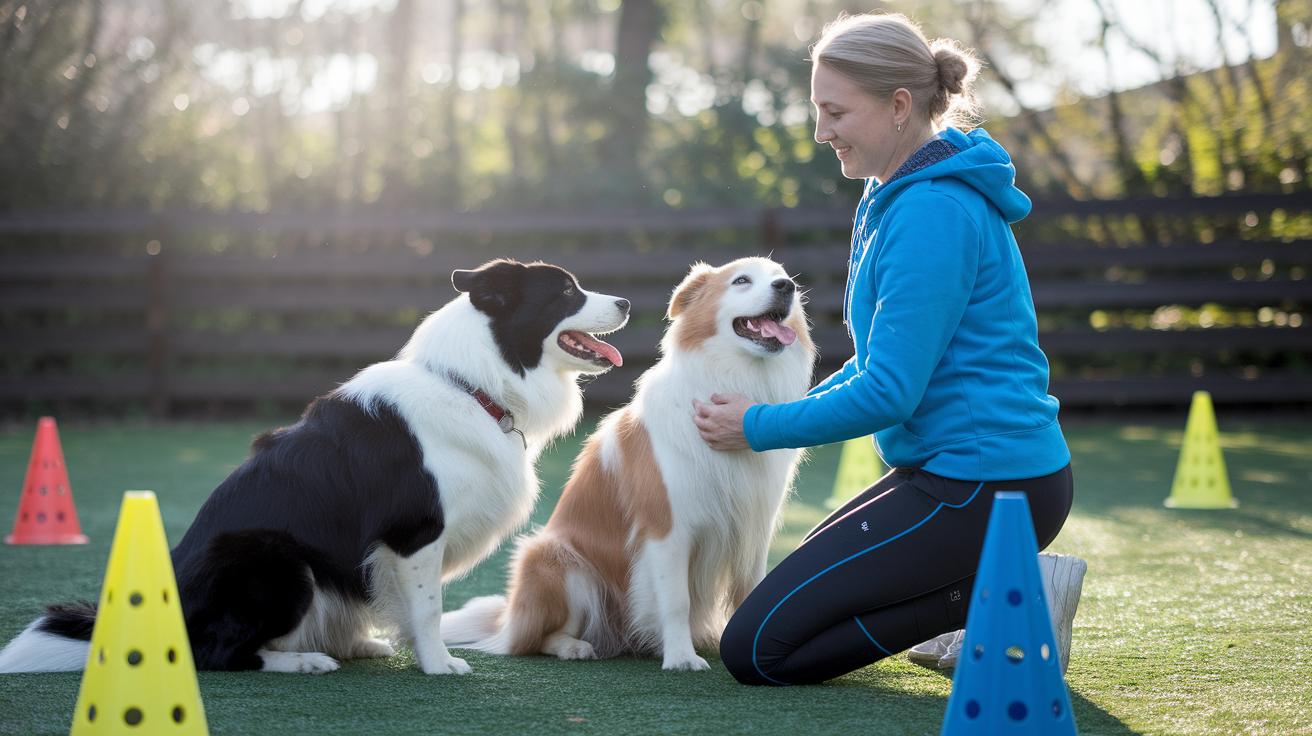

Ever wondered if your pup could be a bit calmer when they bark a lot? We know that barking is normal, but too much noise can really wear you out. In this guide, we share easy, step-by-step ways to help manage barking. We focus on clear rules, rewarding quiet moments, and using a little patience. These techniques help cut down on excess barking and even strengthen the bond between you and your pet. Read on for smart tips that lead to a calm, happy home where everyone listens.
Immediate Steps for Effective dog barking training
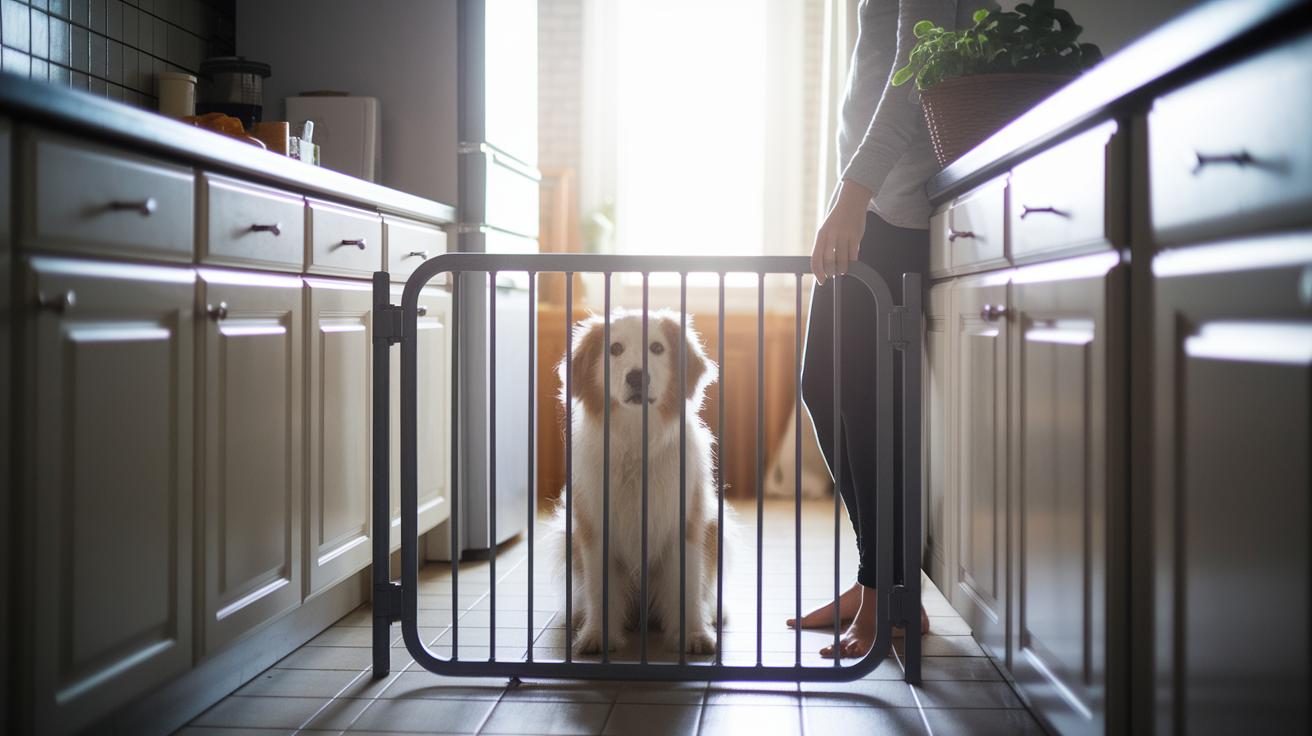
Start by setting up clear management. Notice when and where your dog tends to bark. Use barriers like baby gates or crates to keep your pup away from triggers. For example, if your dog barks during food prep, keep them out of the kitchen until they can relax.
Next, try an ignore approach. When your dog barks, avoid eye contact, verbal cues, or any gestures. Just wait until the barking stops. Fun fact: ignoring a bark can teach your dog that quiet moments bring rewards, not extra attention.
Then, reward any quiet moment. As soon as your dog stops barking for a couple of seconds, praise them and offer a treat. This helps your dog learn that staying quiet is a good thing.
Finally, be ready for a short burst of extra barking before improvement. This is normal. Stay patient and stick with your plan. Avoid saying "no," as it can sometimes encourage more barking.
Understanding Why Your Dog Barks for Training Success
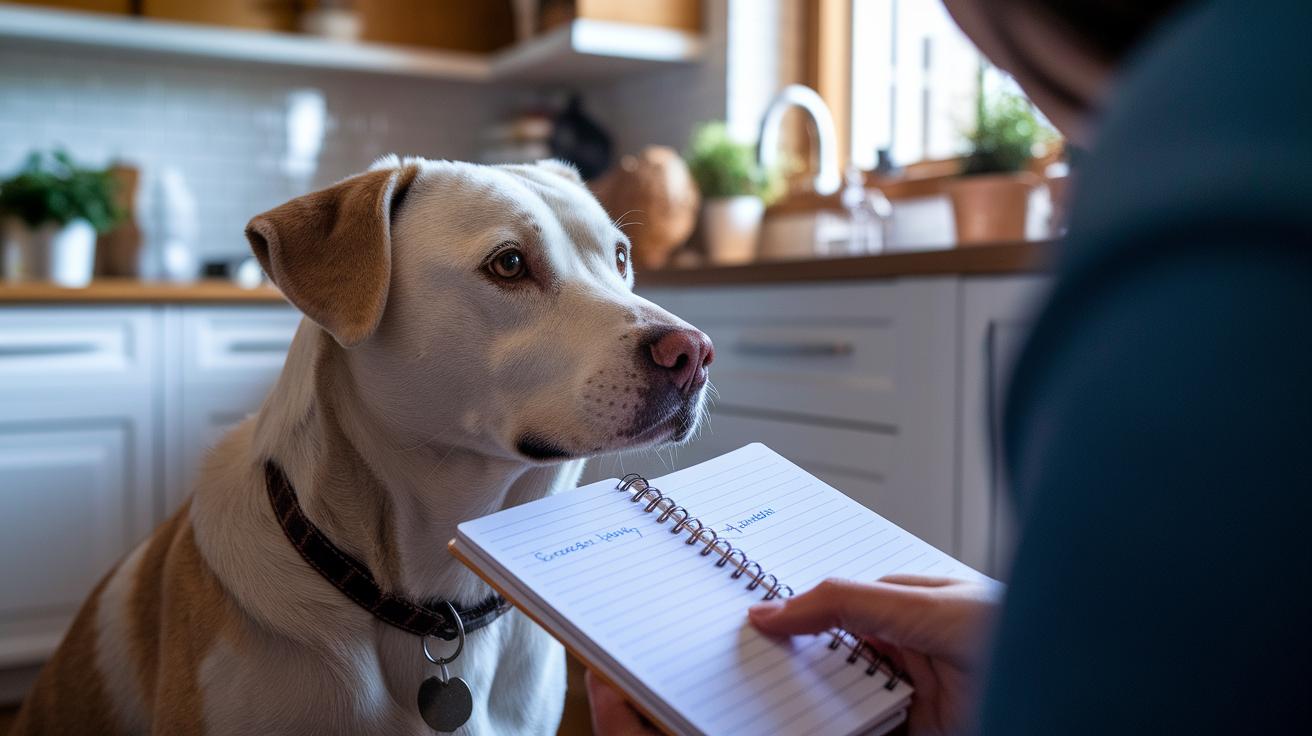
Keeping a simple log of each time your dog barks is very helpful. Write down the time, where you are, and what was happening. For example, you could note, "At 6 PM in the kitchen during food prep, barking started." This log helps you spot patterns and figure out what triggers the barking.
There are several kinds of barking. Demand barking is when your dog asks for something, like food during meal prep. Alert barking happens near windows or outside when any noise or movement catches their eye. And when your dog barks because they feel lonely, that is separation anxiety barking.
Tracking these details lets you change things to help your pup. Once you know what sets the barking off, you can try simple fixes. For example, you might cover windows to block the view or adjust your routine to ease separation anxiety.
When you begin to ignore a bad barking habit, you might notice a sudden burst of barking at first. This burst is normal. It shows that your dog is adjusting to the change before the barking slowly stops.
Here’s a quick tip: use a simple table or list to keep track every day. Write down the time, the spot, and what might have triggered the bark. This way, you can see clear patterns over time.
For example, you might record an entry like this:
| Time | Location | Trigger |
|---|---|---|
| 7 PM | Living room | Doorbell rings |
Over time, your log will help you train your dog to be calm and quiet.
Positive Reinforcement and Hush Command Training for Barking Control

When your dog is quiet for even one or two seconds, say "quiet" in a steady, friendly tone. Right away, offer praise and a tasty treat like your favorite dog training treats. Did you know that even a brief pause in barking can make a big difference? Rewarding a short moment of silence can help your dog learn calm behavior.
On October 13, 2025, a trainer used this same method with a dog that barked at the window. With a clear hush command and a timely reward, the dog's barking soon improved noticeably.
You can take this training further by practicing in different places. For example, in a busy park, use the quiet command together with recall cues to keep your pup focused even when there are many distractions.
Try these drills every day in different settings. Over time, gradually extend the quiet period before you give the reward.
Anti-Bark Training Techniques and Behavior Modification Drills for Canine Vocal Control

When training your dog to be quiet, try using a clicker to mark moments of silence. Instead of relying on barriers or ignoring the barking, click at the very first hint of calm. Say something like, "Notice the calm, click!" and then give a treat. This simple method shows your pet that quiet moments are a win.
One owner reported a 30% increase in quiet time within one week after pairing the clicker with immediate rewards. This example shows how a well-timed click can lead to steady, positive changes.
Here are some ideas to refine your training:
- Click exactly when you first notice silence.
- Reward with a treat right after the click so your dog connects quiet with something tasty.
- Slowly extend the quiet period needed before giving a reward.
- Keep using the clicker during any bursts of barking. This teaches your pet that only lasting silence earns a treat.
Using this clicker drill adds a helpful tool to your training mix, giving you clear, measurable results while keeping your pet’s progress in focus.
Tailored Quieting Training Programs for Different Barking Scenarios
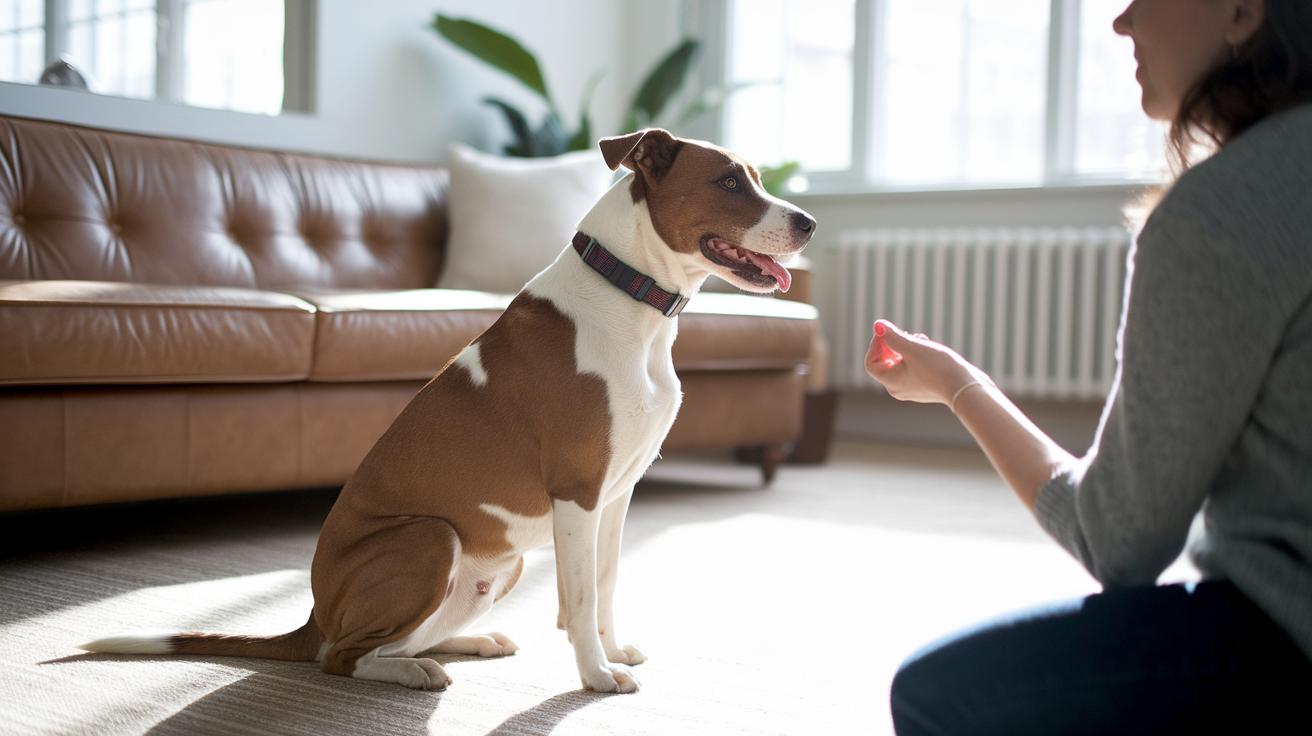
If your dog barks at the window or in the yard, try a recall game. Call your pup from a safe distance and reward them with a treat when they stay calm. This friendly routine helps them learn to be quiet even when there are distractions.
For barking during food prep, start by managing your dog's space. Use a gate or a special mat to keep them away from the kitchen. You might see a burst of barking at first, but that's normal. Instead, offer a different activity or a calming cue and praise your pup once they settle down.
If your dog barks at night, set up a calming bedtime routine. Turn on a white noise machine to cover up outside sounds. Make your dog's crate cozier by adding soft bedding or a favorite toy. Soon, your furry friend will see the crate as a safe, quiet place to sleep.
| Scenario | Trigger | Technique |
|---|---|---|
| Alert Barking | Noises or movement outside | Recall games with treat rewards |
| Demand Barking | Kitchen distractions during food prep | Use barriers or a station mat and offer alternatives |
| Nighttime Barking | Disruptions to sleep | Bedtime routine with white noise and a cozy crate |
These simple plans help you handle each kind of barking in a clear and calm way. Notice the differences and choose what works best for your pup. Give these ideas a try and enjoy a quieter, happier home.
Tracking Progress in Your dog barking training Plan
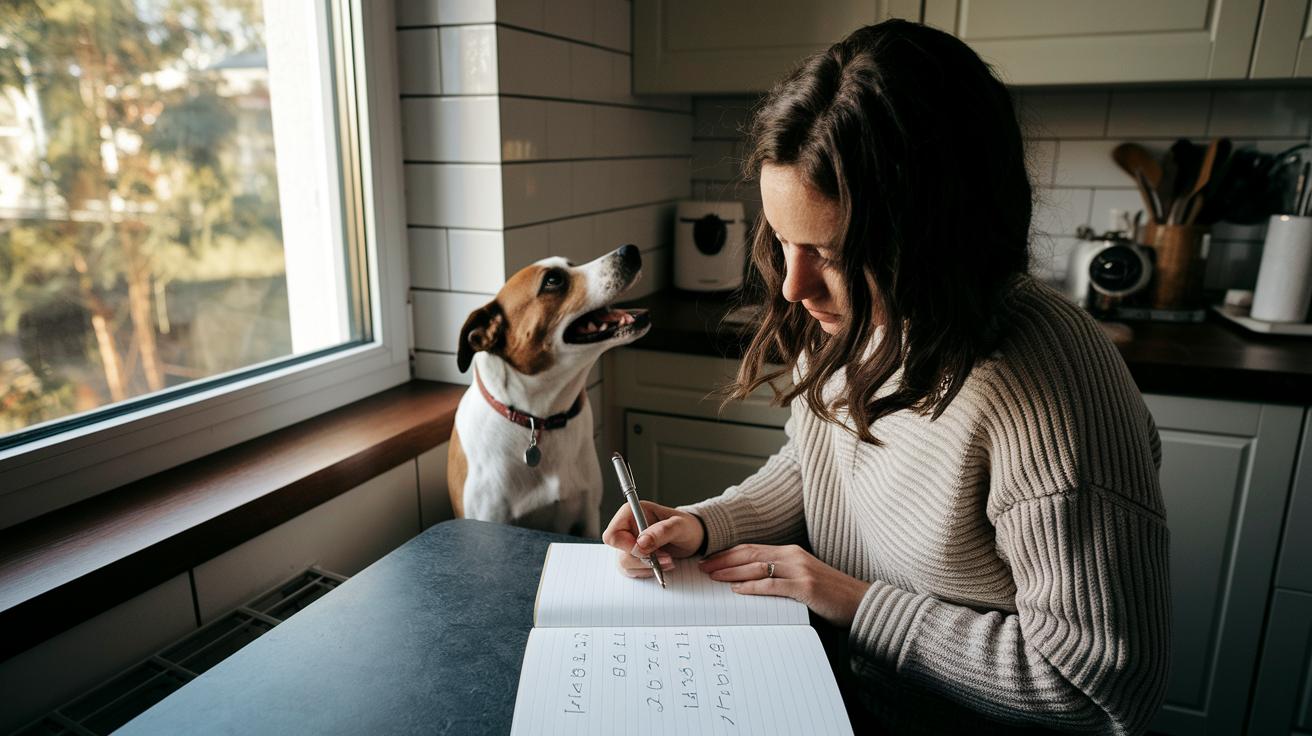
Keep a daily note of your dog's barking to see what's working and what isn't. Each time your dog barks, jot down the date, time, where it happened, what started the bark, how you responded, and what came next. For example, you might write: "July 12, 7 PM, kitchen during food prep, ignored barking, rewarded silence for 3 seconds."
Using a notebook or an app makes it easy to see patterns. Write down these details:
- Date and time of the barking
- Where the barking occurred (like near a window or in the kitchen)
- What set off the bark (doorbell, food smell, noise outside)
- How you handled it (blocking access or using a distraction)
- What happened right after (did the barking stop or get worse)
Reviewing these notes helps you change up your training steps. For instance, if your dog barks more near windows, you can block the view to calm them. Keeping a steady log also shows you when your dog feels most uneasy, which helps you adjust your approach to training separation anxiety.
Recommended Supplies and Resources for Your dog barking training

Getting the right supplies can turn training time into a fun, calm experience for you and your dog. We start with vet-reviewed, tasty treats that work wonders in building a quiet connection. Pair these treats with a clicker to celebrate each quiet moment. A station mat gives your pup a special place to relax, away from distractions. For busy homes full of outside noise, no-view window films and a white-noise machine can really help. A cozy crate cover also makes your dog's space feel extra safe and snug.
One pet parent shared a story about how using a clicker with treats when their dog stayed calm made a big difference. That small change helped shift the behavior from constant barking to peaceful pauses.
| Supply | Role |
|---|---|
| High-value treats | Reward calm behavior |
| Clickers | Mark quiet moments |
| Station mats | Create a safe spot |
| No-view window films | Block outside distractions |
| White-noise machines | Muffle extra sounds |
| Crate covers | Offer a secure retreat |
We also suggest checking out video tutorials from certified trainers and local pro contacts. Every time you pick these supplies, you're also supporting rescue donations. This means you help more pets find a loving home, just by training your dog.
Final Words
In the action, we've walked through immediate steps, understanding why your dog barks, and effective positive reinforcement techniques. We outlined a simple four-step method that includes management, ignoring unwanted vocalization, rewarding quiet moments, and handling extinction bursts. Our tips on tailored quieting programs and progress tracking give you a clear path forward for your dog barking training. These steps can help simplify shopping for repeat essentials and support animal rescues. Enjoy the journey, your thoughtful efforts make a big difference for your pet and others in need.
FAQ
Can a dog be trained to stop barking and what is the best way to handle excessive barking?
Training a dog to reduce barking works with clear steps: manage triggers using barriers, ignore unwanted barks, reward quiet behavior, and repeat consistently. This positive method helps your dog learn to stay calm.
What is the 3 bark rule?
The 3 bark rule means a dog is allowed three barks before you take action. This rule sets a consistent cue, helping your pet learn when to settle down during training.