
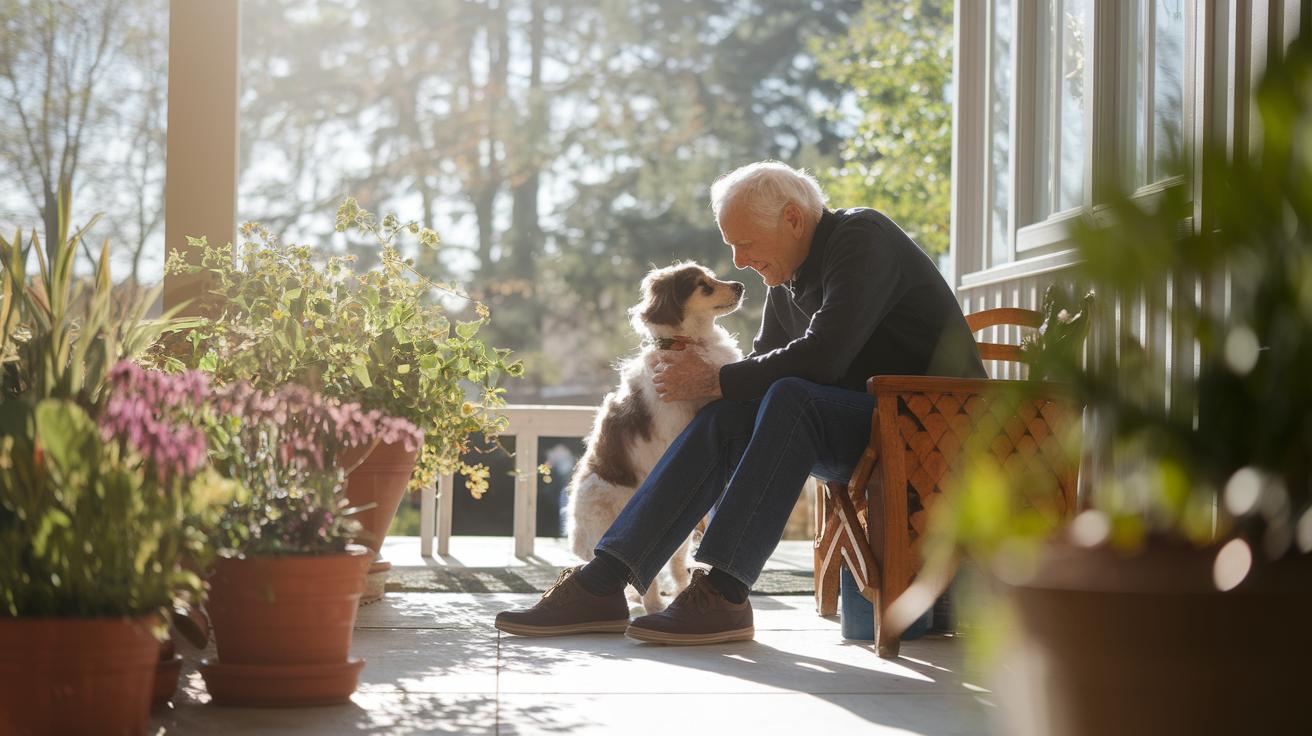

Ever wonder if your pet's playful spark fades with age? With just a few thoughtful changes, their later years can be bright and full of love.
In this guide, we share simple tips and real advice on spotting early health concerns, tweaking meals and exercise, and making your home comfy for your furry friend. We truly believe every pet deserves a care plan that keeps them happy, healthy, and full of life.
Key Health and Wellness Strategies for Elder Pet Care

Our older pets need a bit of extra love and care as they face new health challenges. Regular vet visits help spot problems like arthritis and dental issues early on. Adjusting their food, exercise, and home setup makes them more comfortable and boosts their overall well-being.
We know that aging changes how our pets work. Small dogs may become seniors at 7 years, larger dogs around 5 or 6 years, and cats typically at 10. Knowing these signs helps you create a care plan that keeps your furry friend happy and vibrant.
- Get a vet exam every six months to catch issues like arthritis, dental problems, or kidney trouble before they get worse.
- Learn your pet's aging signs so you know when to add a little extra care.
- Serve a low-calorie, nutrient-packed diet with omega-3s, glucosamine, and antioxidants to keep them healthy.
- Enjoy gentle walks and low-impact play to help maintain their muscle tone and joint flexibility.
- Create a cozy home with soft beds, ramps, and elevated bowls to reduce strain and boost comfort.
- Keep their mind sharp with puzzles, treat toys, and interactive games.
Following these ideas can make a big difference in your pet's life. With regular checkups, good food, safe exercise, a comfy home, and fun mental activities, you help your senior companion live their best years while feeling loved every day.
Recognizing Early Aging Signs in Senior Pets
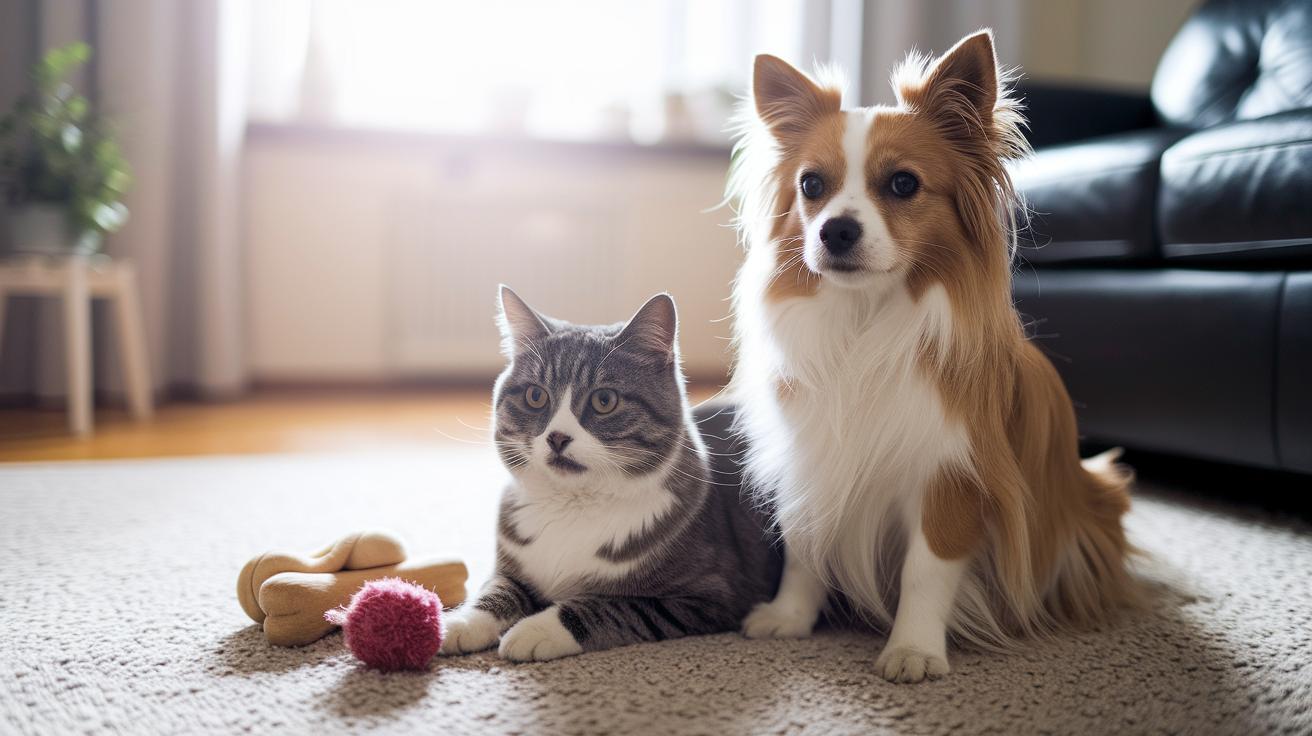
Every pet ages in its own way. A small dog may be considered a senior at around 7 years, a large dog at about 5 or 6 years, and most cats turn senior around 10. That means it's important to keep a close eye on your furry friend for any small changes.
Here are some signs to watch for:
- Noticeable stiffness
- Less interest in play
- Changes in sleep habits
- Weight gain or loss
- Altered bathroom routines
- Drinking more water than usual
- Buildup of plaque on teeth
- Losing muscle strength
By spotting these signs early, you and your vet can address issues like arthritis or kidney problems before they worsen. Keeping track and making little care adjustments can help your pet stay comfy and enjoy their golden years.
Tailoring Nutrition for Mature Animal Needs
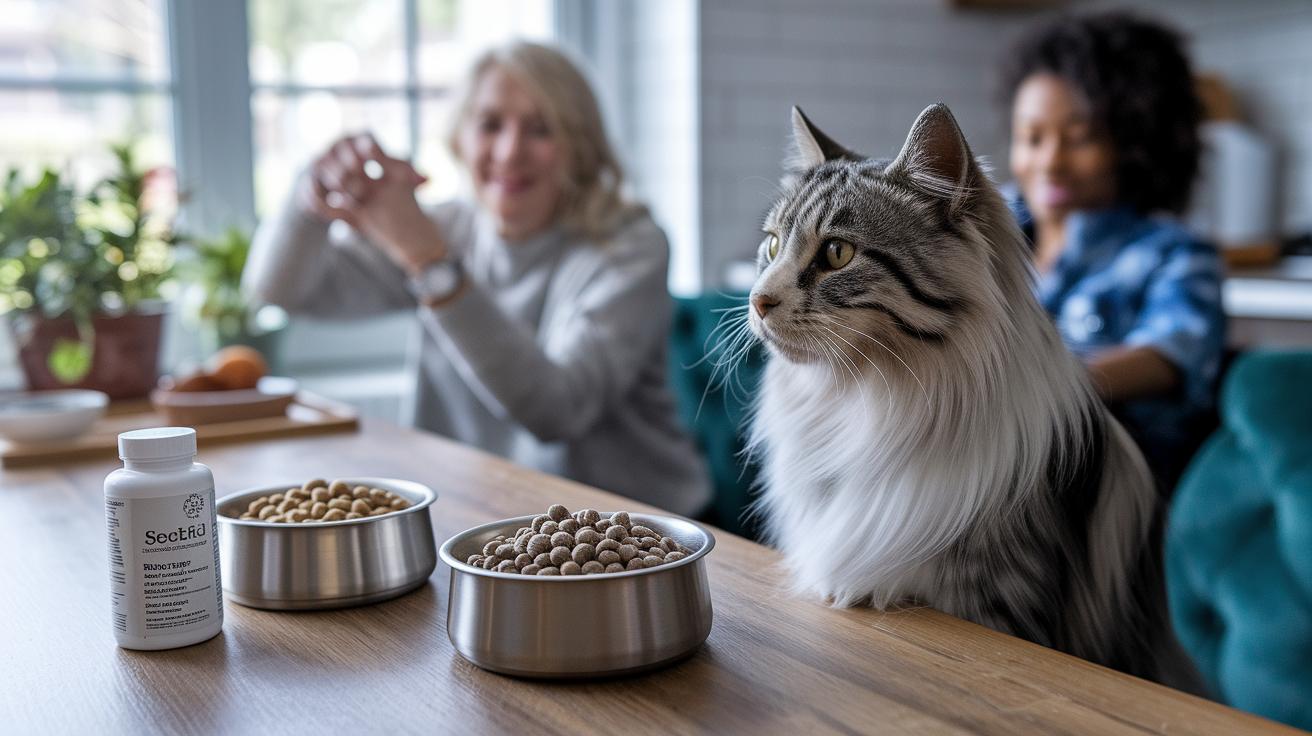
As your pet grows older, they burn fewer calories and need meals packed with important nutrients. A balanced meal helps keep their muscles strong and their energy steady as their body changes.
Senior pets do best with a mix of key foods. Lean protein helps keep muscles in shape and repairs tissues. Fiber makes sure food moves smoothly through their system. Omega-3 fatty acids and antioxidants work together to ease inflammation and support heart health. Ingredients like glucosamine and chondroitin can help protect joints. Many pet parents opt for vet-recommended or prescription diets that combine these ingredients in one meal plan. Checking your pet's body condition every month can show you if you need to tweak their portions.
Planning meals is a practical way to support your older pet. Measuring their food and sticking to a regular schedule lets you keep an eye on their calorie intake. Adjust portions when their activity level or weight changes. By following these simple tips, you help your pet enjoy a comfortable, active life every day.
Safe and Effective Exercise for Seasoned Companions

Taking it slow and steady with exercise keeps your older pet feeling good. It helps keep their body moving, supports healthy joints, and sharpens their mind. A gentle walk makes the heart happy and reduces the stiffness that comes with age. Plus, a bit of movement can lift their mood and keep them curious about what’s happening around them.
We suggest adding three low-impact exercises to your daily routine. First, try a short leash walk lasting 10–15 minutes twice a day. This lets your pet enjoy the fresh air and soft exercise. Next, water play or swimming is a fun way to move without putting too much strain on muscles and joints. Finally, indoor play using soft toys gives a bit of exercise and keeps their brain busy.
Making a few changes at home can also help. Ramps or steps give your pet an easier way to reach their favorite resting spot without climbing too much. Non-slip mats help prevent falls, and a supportive harness makes walks safer and more comfortable. These small tweaks keep exercise fun and safe for your season-worn friend.
Routine Medical Checkups and Diagnostic Guidance for Elder Pets
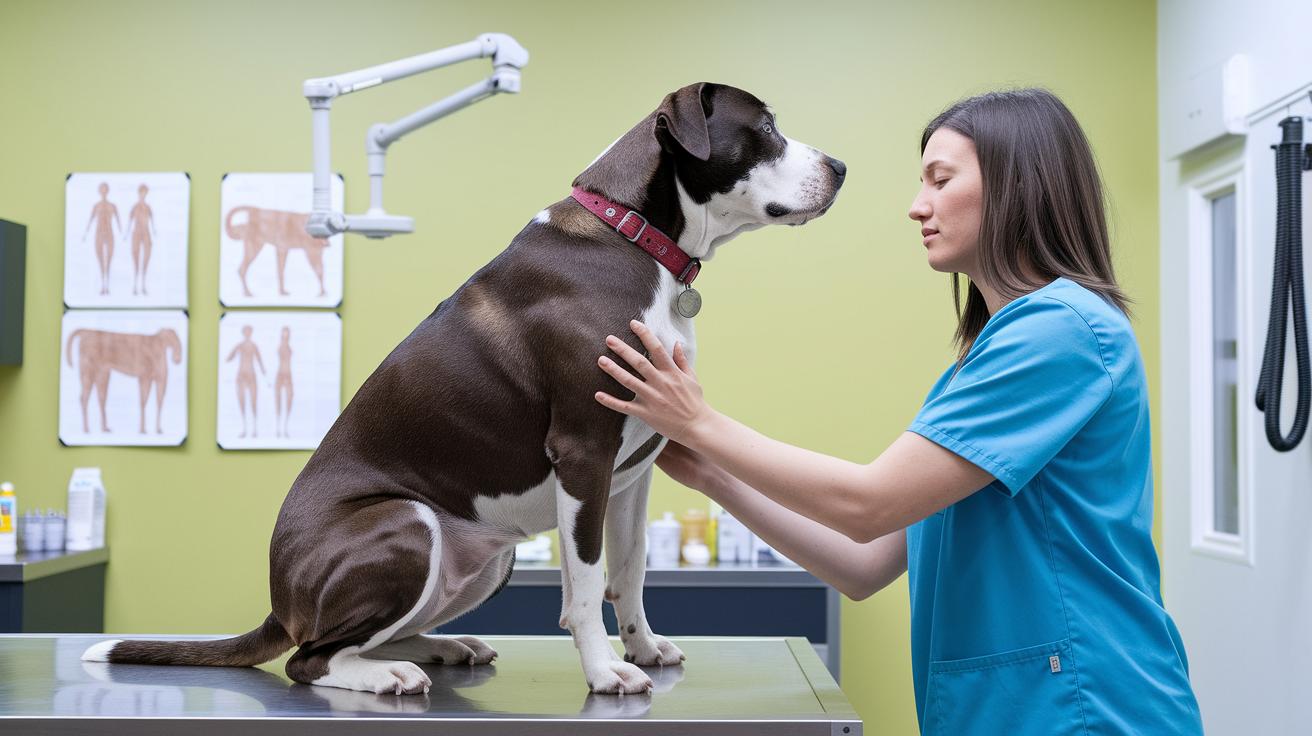
Regular vet checkups help keep your older pet happy and healthy. These visits catch early signs of things like arthritis, dental issues, or organ problems before they become big concerns. At each visit, your vet checks how your pet moves, acts, and overall feels. This makes it easier to adjust care plans when needed. Keeping up with these appointments helps you see your pet's health over time and may save on long-term costs.
| Check-Up Component | Recommended Frequency | Purpose |
|---|---|---|
| Physical Exam | Every 6 months | General health check |
| Dental Check | Every 6 months | Stop gum and tooth problems |
| Blood Work | Every 6 months | Find early signs of organ issues |
| Diagnostic Imaging | As needed | Look at joints, tumors, and more |
Caring for your pet means more than just booking appointments. It also means keeping simple records and watching for any changes in their routine or mood. This way, you and your vet can tweak vaccinations, parasite protection, or order more tests like thyroid checks or joint images if needed. This smart, early approach helps your companion live a full, safe, and active life.
Creating a Comfortable Home Environment for Aged Pets

Your pet's safety and comfort start at home. Little changes can ease joint pain and make everyday life simpler. A memory-foam bed that hugs aching joints works wonders. Low ramps or pet stairs give your furry friend a gentle way to reach favorite spots. Raised bowls ease neck and back strain while helping your pet drink more easily. These small upgrades make your home feel warm, safe, and inviting during those golden years.
Managing accidents is important too. Absorbent mats and washable pads give your pet a clean, secure spot when accidents happen. They keep your home neat and help your pet feel less stressed during those moments.
Remember, changes in the weather can affect your pet's comfort. A steady home temperature and non-slip floors help prevent falls and keep your pet safe no matter the season. It's like having a favorite cozy chair that always fits the mood.
Mental Stimulation and Behavioral Support for Elder Pets

Mental stimulation is important for older pets. Just like a walk keeps you fit, fun challenges help keep your furry friend alert and happy. Activities that mix simple play with learning slow down the aging process. They also boost your pet's confidence and keep their spirits high.
Try fun, easy activities that make your pet think. Puzzle feeders turn treat time into a little game. Scent games let your pet hunt out hidden snacks. Even a few quick training sessions with new commands can make a big difference. These activities add variety and joy to everyday life.
Keep an eye out for signs of stress. If your pet seems confused, anxious, or wanders off more than usual, it might need extra care. Simple fixes like calming supplements or a pheromone diffuser can help. And if you notice ongoing changes, it's a good idea to ask a professional behaviorist for advice. Your companion deserves a happy, comfortable life.
Selecting Supplements and Nutraceuticals for Joint and Immune Support

When our furry friends reach their golden years, a little extra help can go a long way. Supplements can be a gentle boost for joint movement and a strong immune system. With the right nutrients, your pet may feel less stiff and ready for more play.
There are a few key types to consider:
- Joint support: Formulas with glucosamine, chondroitin, and MSM help keep cartilage strong and reduce joint pain.
- Omega-3 fatty acids: These help lower inflammation and support heart health.
- Antioxidants and probiotics: Vitamins E and C, along with good bacteria, can uplift your pet’s immune system and gut health.
Using these together can ease chronic aches and add a bit more pep to your senior companion's step. Always check with your vet before trying something new and follow the dosage instructions on the label.
When you shop for these supplements, choose products that are vet-approved and made just for older pets. Keep an eye on changes in your pet's energy, movement, and overall cheer. A little record of these shifts can help you know what’s working best, giving your buddy the comfort they deserve as they age gracefully.
Monitoring and Preventive Care: Long-Term Health Management
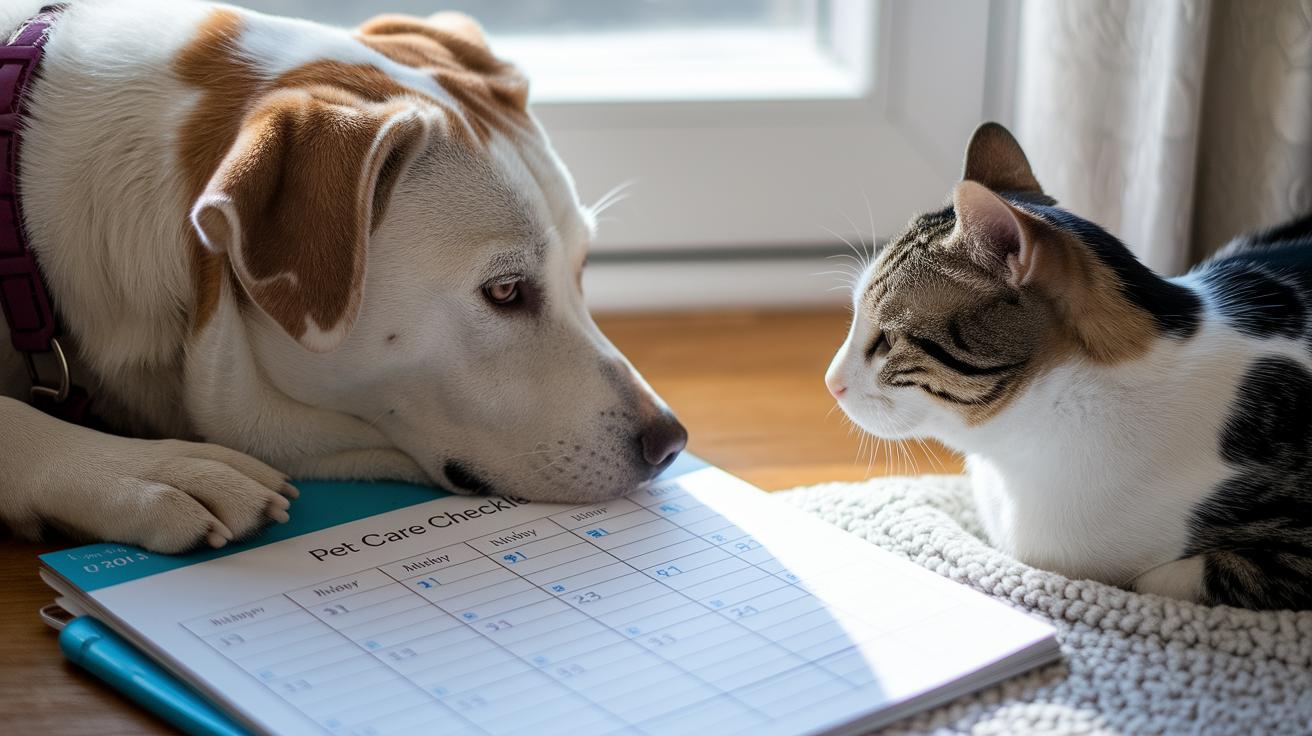
Keeping a simple log of your pet's daily habits can help you spot early signs of trouble. Note what they eat, how they use the bathroom, how they move, and any change in behavior. Even a small change, like a bit less energy or a different bathroom routine, can signal a need to check in with your vet.
Plan your pet's care for the whole year. Schedule seasonal vaccines, parasite checks, yearly dental cleanings, and routine blood tests. Think of it like a personal calendar for your pet's health that keeps things on track and makes sure necessary updates are made.
Work closely with your vet. Share your notes and review medicine or care routines every few months, especially as your pet grows older. Regular chats with your vet help keep your pet's care just right for their needs.
Final Words
In the action, we covered health tips, safe exercise, balanced nutrition, and mental care for aging pets. We shared ideas like home modifications and routine vet checkups to keep your pet comfy and safe.
This elder pet care guide offers clear, practical ideas to boost pet wellness. We hope the tips make daily care simpler and bring joyful, healthy days for your furry friend.
FAQ
What is the elder pet care guide pdf?
The elder pet care guide pdf provides practical tips for keeping your aging companion healthy. It covers nutrition, exercise, home adjustments, and preventive care to ensure your pet feels loved and safe.
What does free pet care for seniors near me mean?
Free pet care for seniors near me means local services offer low-cost or no-cost health resources for older pets, including wellness clinics, vaccination drives, and community programs to keep your pet comfortable.
What are senior dog care facilities?
Senior dog care facilities are specialized centers that offer tailored services for aging dogs. They focus on medical checkups, gentle exercises, and a calm environment to maintain your pet’s well-being during their later years.
What are senior dog care products?
Senior dog care products include items designed to meet the unique needs of aging dogs. They feature softer materials, joint support ingredients, and easy-to-use designs that boost comfort and overall health.
How do senior and geriatric dogs differ?
Senior versus geriatric dog distinguishes between dogs just entering their senior phase and those in a more advanced, frail stage. Understanding this helps guide adjustments in diet, exercise, and overall care.
How do you care for a senior dog with dementia?
Caring for a senior dog with dementia starts by creating a safe, calm environment. Use consistent routines, low-stress activities, and consult your vet about medications or supplements to support your dog’s brain health.
What are the signs that your senior dog is healthy?
Signs your senior dog is healthy include a steady weight, bright eyes, good mobility, and regular appetite. Balanced energy and clear communication during vet visits also indicate that your pet is doing well.
What do AAHA Senior Care Guidelines recommend?
AAHA Senior Care Guidelines outline recommended practices for elder pet care, including biannual vet visits and specific health tests. They help pet parents detect issues early and maintain the best quality of life for their pets.