
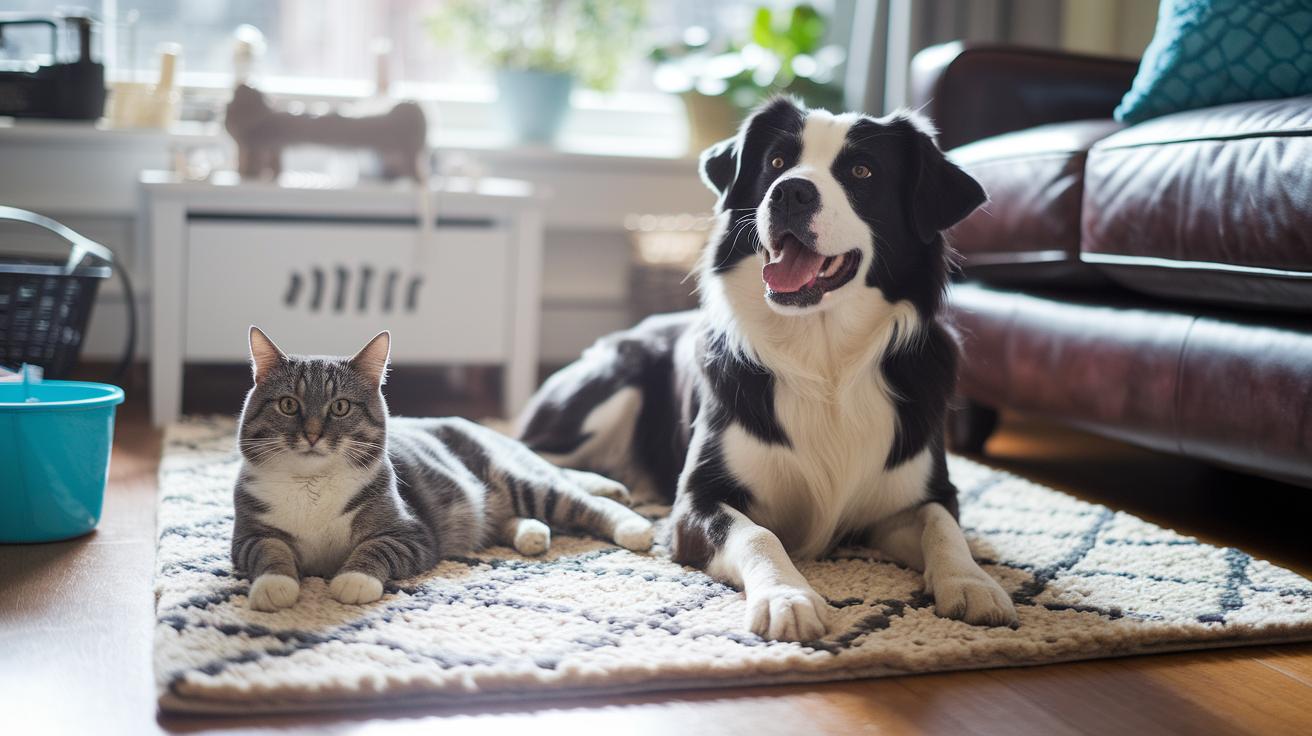

Have you ever felt that you can boost your pet's health right at home? You might be surprised at how small, simple ideas can help a lot.
From picking a pet that fits your lifestyle to making a safe, playful space, every little step matters. This guide shows easy routines like proper feeding, gentle grooming, and some fun exercise.
We’re here to share practical tips that help keep your furry friend happy and healthy every day.
Key Pillars of a DIY Pet Care Guide

The very first step is picking a pet that matches your lifestyle. For example, if you love outdoor adventures, breeds like Labradors or German Shepherds are a great choice. This decision sets up daily routines and helps you bond with your new friend right away.
Getting your home ready is just as key. Clear away any breakable items and create non-slip areas so your pet can explore safely. Picture it like setting up a little pet paradise where every spot is safe. Quick tip: Keep pathways and corners free to avoid accidents for everyone.
Feeding your pet right is essential, too. Whether you have an energetic puppy or a calm senior, serve meals that match their life stage with balanced food and fresh water daily. This simple step boosts overall health and keeps your pet brimming with energy.
Grooming is a great way to connect with your pet every day. Brushing, bathing, trimming nails, and cleaning ears keep your buddy looking neat and give you a chance to spot any minor issues early. For example, a slicker brush (a tool that helps manage shedding and mats) makes grooming easier and more enjoyable.
Don't forget about exercise and health checkups. Daily play sessions and walks keep your pet active, and routine vet visits or even virtual consultations help catch any problems early on.
When you focus on a safe home, proper food, regular grooming, fun exercise, and checkups, you're building a complete DIY pet care plan. This simple system helps ensure your furry friend stays happy and healthy every single day.
DIY Grooming Instructions for Animals
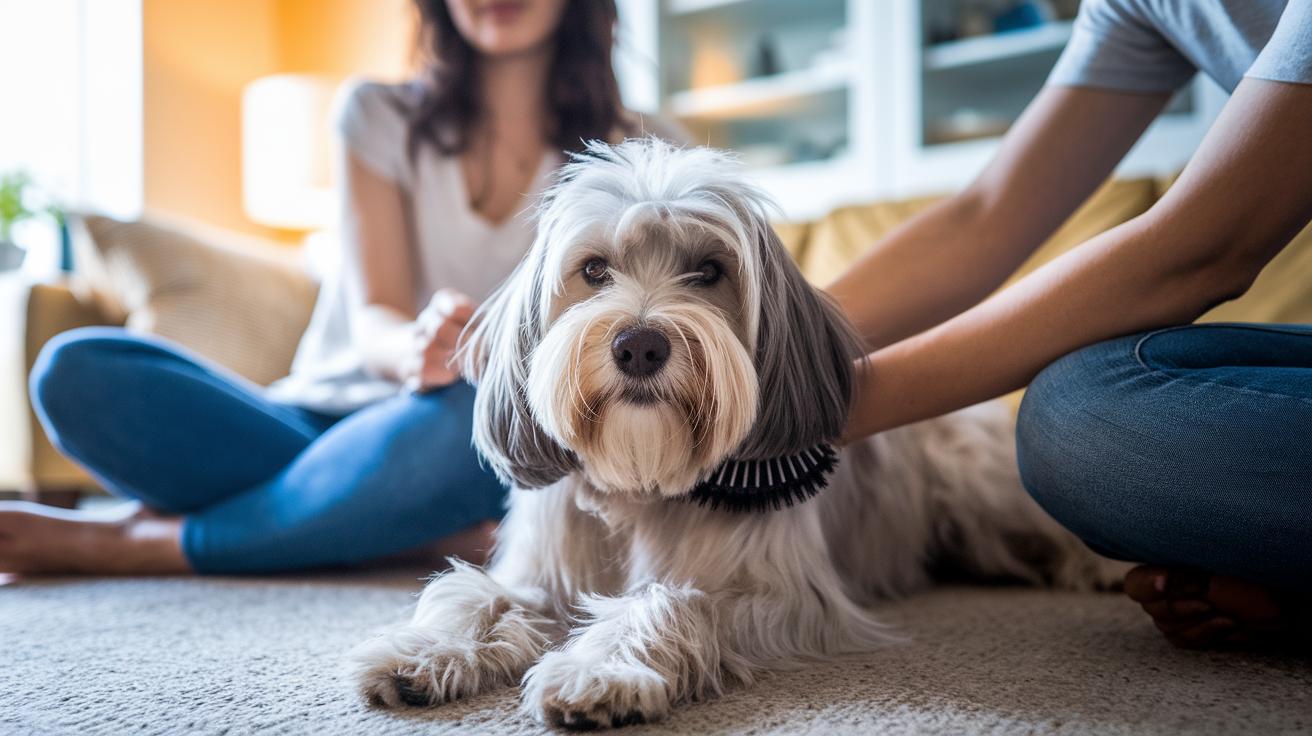
Grooming helps your pet feel good and stay healthy. Start by using a slicker brush to remove loose hair and keep tangles away. For pets with long hair, try an undercoat rake, it makes detangling a breeze.
When it’s time for a bath, keep things calm and simple. Use warm water and set up a non-slip mat so your pet stays safe. Choose a pet-friendly shampoo made for their skin and rinse well to avoid irritation. A gentle bath keeps your pet relaxed and fresh.
Trimming nails is important too. Use pet nail clippers or a grinder with care so you don't cut the quick (the pink part inside the nail). Have some treats ready to make it a fun, rewarding time for your pet.
Don’t forget to clean ears and eyes gently with a soft damp cloth and a vet-approved solution. This easy step helps prevent infections.
Finally, clean your grooming tools after each use and check them for any damage. Keeping your tools in good shape not only saves you money but also makes grooming safe and effective for your pet.
Homemade Nutrition Recipes for Furry Friends

Making your pet's meals at home can be fun and gives you full control over the fresh, vet-approved ingredients. You can try a DIY dog shampoo by mixing 1/4 cup castile soap with distilled water. If you don't have castile soap, baby shampoo, mild unscented dish soap, aloe vera gel, or a bit of baking soda can work too. This gentle mix cleans your pet's coat and is kind to sensitive skin.
Another tasty option is a peanut butter and oats dog treat. Start with 1 cup rolled oats and stir in a couple of spoonfuls of peanut butter. Be sure the peanut butter does not contain xylitol (a sweetener that can hurt dogs). Shape the mix into small balls and bake at 350°F (175°C) for 15 to 20 minutes until they become firm. These treats have a crunchy bite that may help clean your pet's teeth.
For a natural flea spray, mix water with a few drops of a pet-safe essential oil and a pinch of baking soda. Always test a small spot on your pet first to be sure they don't react.
When you make these easy recipes, you control the ingredients, save money, and keep your furry friend happy and healthy.
Affordable Shelter and Housing Tips for Companions
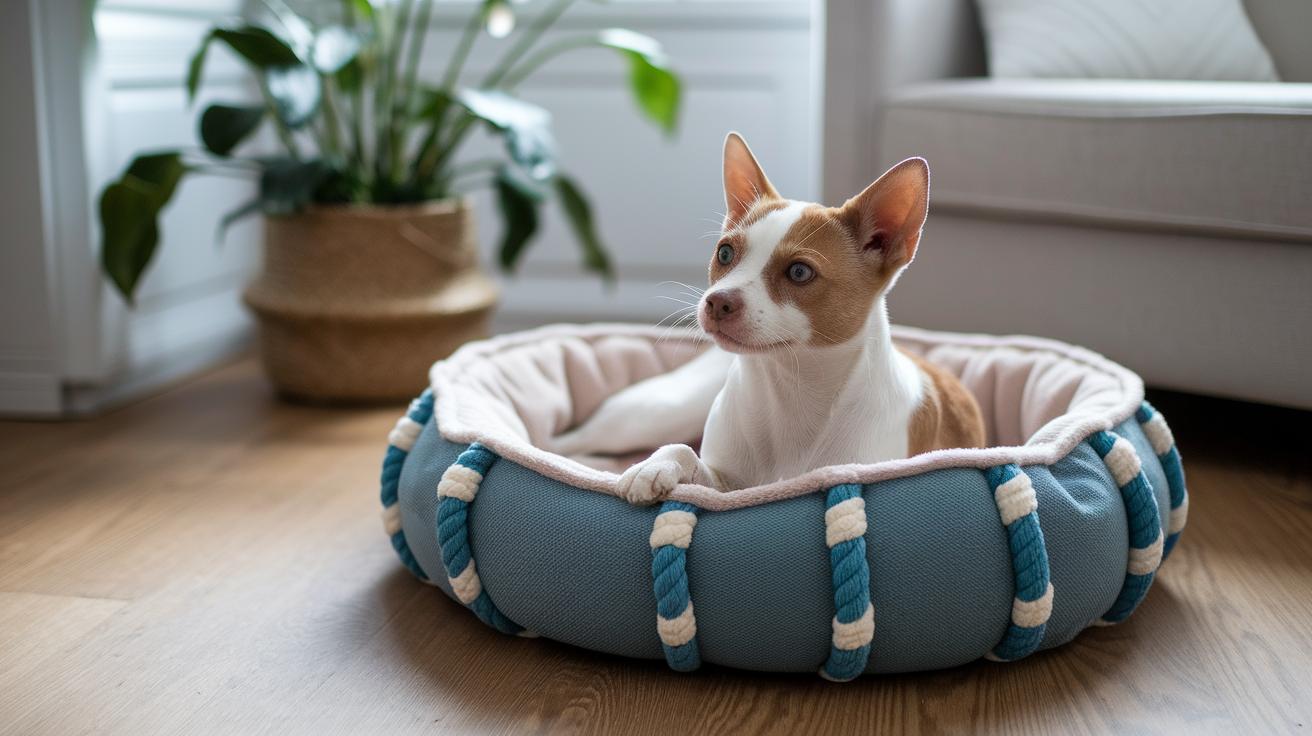
Making a safe, budget-friendly place for your pet is fun and easy. You can start by using things you already have. Try upcycled fabric or no-sew fleece rope to create a pet bed that is both cozy and strong. A DIY washable bedding setup makes clean-up simple and gives your pet a secure spot to rest.
Set aside a small area that gets fresh air and is simple to clean. Choose non-toxic and chew-resistant materials so your pet stays safe. Here are some tips for a small companion space:
- Use soft fabrics that can handle lots of play.
- Build a setup that is easy to move around for cleaning and checking the temperature.
- Create a cat hideaway or a little nook for small rodents with layered blankets and cushions.
Also, think about keeping indoor critters comfortable. Use a fan on warm days or make a snug spot for cooler times. For ideas on safe travel and easy-to-change designs, check out our small pet travel carrier. These simple tips help you build a shelter that is practical and full of love for your furry friend.
First Aid Kit Creation and Health Maintenance at Home
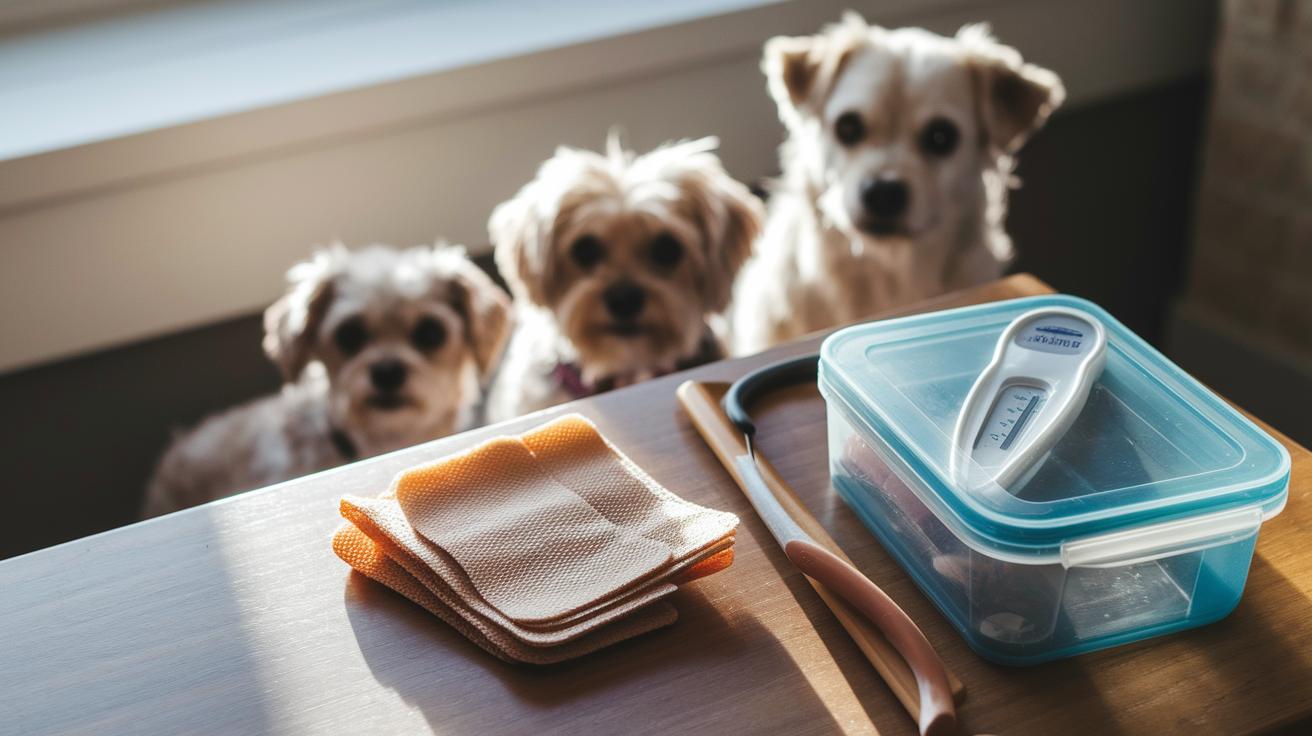
A full first aid kit is a must for caring for your pet when surprises happen. Start by gathering simple supplies like gauze pads, adhesive bandages, tweezers, antiseptic wipes, and a digital thermometer. These basics let you clean wounds, dress small cuts, and check your pet's temperature at home.
For instance, when your dog looks worried after a small injury, a quick wrap with a clean bandage can help ease the hurt and calm your nerves. If you don’t have a bandage, you can use a soft cloth or no-sew fleece. Just wrap gently so you don’t cut off circulation.
When it comes to medicine, always follow safe, over-the-counter guidelines. Check the dosage on the package carefully and, if you're in doubt, ask your vet what’s best for your pet.
Don’t forget about keeping parasites away. A flea comb is great for removing unwanted critters, and a diluted, pet-safe essential oil spray can keep them at bay. Little steps like these can really add up to big benefits.
It’s also smart to check your pet's temperature and weight regularly. A quick look can spot any changes early, helping your furry friend stay happy and healthy even when little emergencies pop up.
Inexpensive Exercise Plans and Enrichment Activities

Making indoor play fun for your pet is simple. You can create little play areas with easy DIY puzzle feeders to challenge your pet for a tasty reward. This type of game keeps your pet's mind busy while making snack time a special treat. You can also cut fleece into strips about 1.5 inches wide and 20 to 30 inches long to make no-sew rope toys that are just right for tug-of-war.
Try playing chase games inside too. Wave a wand in front of your cat to move like a fluttering bug or roll a ball across the floor for your dog. These games help your pet burn off extra energy and also make your time together even more fun.
Set aside 15 to 20 minutes twice a day for play. A regular routine like this makes sure your pet gets both exercise and brain stimulation. You can even hide small treats around the room for your pet to find. Every corner can become a mini-adventure!
Remember, simple household items can turn your home into a safe playground. With these easy exercise ideas, you help your pet stay healthy and happy while managing stress.
Safety Checks, Routine Care Scheduling, and Behavior Training
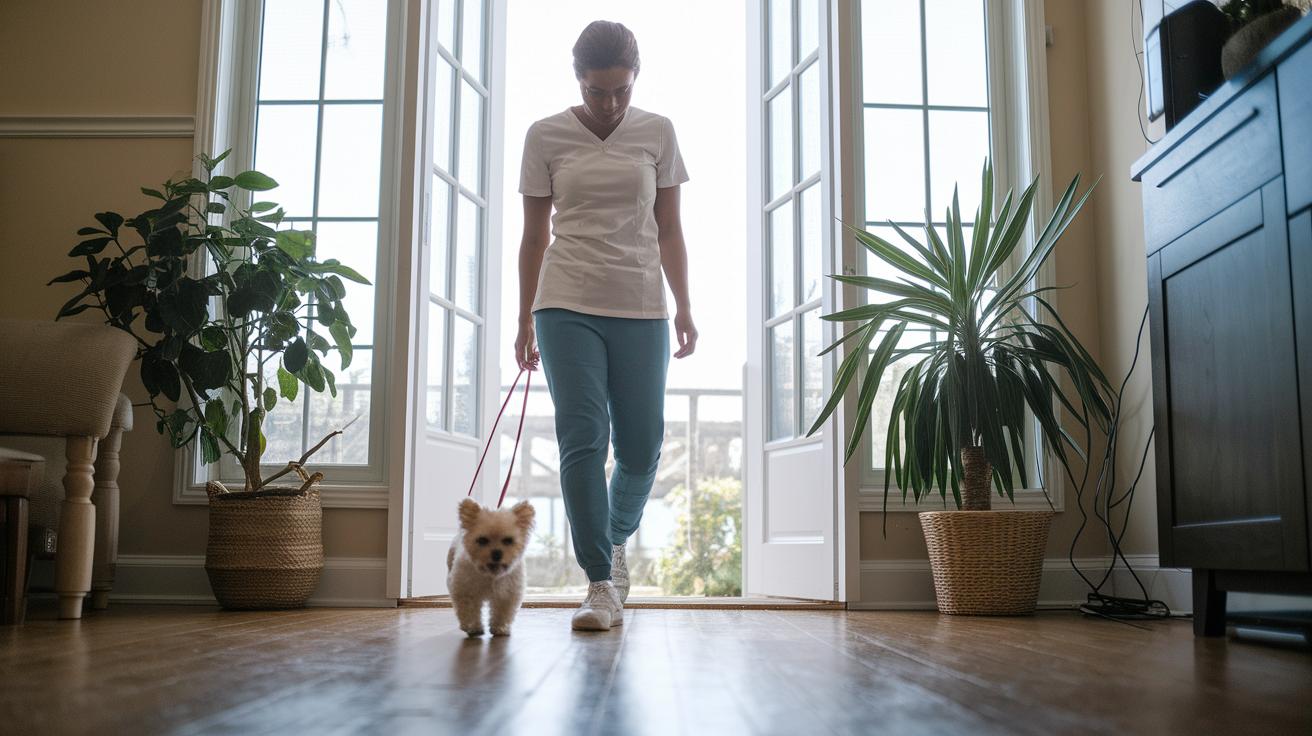
Start by walking around your home with your pet in mind. Remove any plants that might be harmful and pick up small things that your pet could swallow. Secure your electrical cords and check that fences and gates are locked tight. These steps help keep accidents away in a snap. For instance, make sure no loose wires or dangerous objects are near curious paws.
Then, create a clear care calendar. Write down when you feed your pet, groom them, and schedule vet visits or vaccinations. A simple schedule keeps you organized and helps your pet feel secure. Here are some ideas:
- Write daily routines like feeding and playtime.
- Mark weekly grooming and exercise sessions.
- Schedule yearly vet checkups or even online visits to catch health changes early.
Next, try some basic behavior training to build trust with your pet. Reward good behavior with treats and praise. A clicker can help remind your pet of the right actions, especially when dealing with tricky tasks like untangling matted fur or easing anxiety. Always handle your pet calmly during grooming or quick health checks.
Keep an eye out for signs that something might be off, like sudden tiredness, changes in appetite, or skin problems. These could mean it’s time to see a vet right away. For more training ideas and starter routines, check out our new pet owner care guide.
Together, smart home checks, a steady routine, and gentle training help build a strong, happy, and healthy life for your pet.
Final Words
In the action, we explored safe home setups, easy grooming tips, homemade nutrition, and smart shelter ideas. We touched on building a first aid kit, planning fun exercise, and setting up routine care checks. Each part of our DIY pet care guide offers you simple ways to keep your pet healthy and happy every day. This roadmap shows how you can easily manage your pet's care while helping rescues. Keep these steps in mind, and enjoy more quality moments with your furry friend.
FAQ
What are simple ways to take care of animals?
The simple ways to care for animals include feeding nutritious food, providing clean water, ensuring safe shelter, scheduling playtime, and performing routine health and grooming checks.
How can I take care of my dog step by step, and where can I find a dog care guide pdf?
Taking care of a dog step by step means starting with feeding, daily walks, regular grooming, and vet visits. A PDF guide can provide clear, detailed instructions and health care tips.
What is the 90 10 rule for dogs?
The 90 10 rule for dogs means that about 90% of a dog’s wellbeing depends on routine care, like feeding and exercise, while 10% covers extra activities and special training.
What should I include in a pet care guide?
A pet care guide should include sections on nutrition, grooming, exercise, shelter, routine checkups, and safety measures. It helps pet parents stay organized and ensures comprehensive care.
What is the easiest pet to take care of at home?
Often, the easiest pet to take care of at home is a fish or small rodent, since their care typically involves simple feeding, regular cleaning, and minimal space requirements.
How do I create a pet care schedule?
Creating a pet care schedule involves listing daily tasks such as feeding, exercise, play, and grooming. Use a calendar or digital reminder to keep track and maintain consistency.