


Have you ever wondered if keeping your pet at home makes them happier and healthier? When you care for your pet in a familiar place, stress goes down and routine takes shape. We recommend a few simple steps like feeding them on time, setting aside play sessions, and planning regular grooming. This helps your furry friend feel safe and loved.
In this guide, we’ll share easy tips to create a calm home for your pet. Stick with us and see how these small changes can make a big difference in your pet’s well-being.
In-Home Pet Care Guide: Cherish Pet Joy
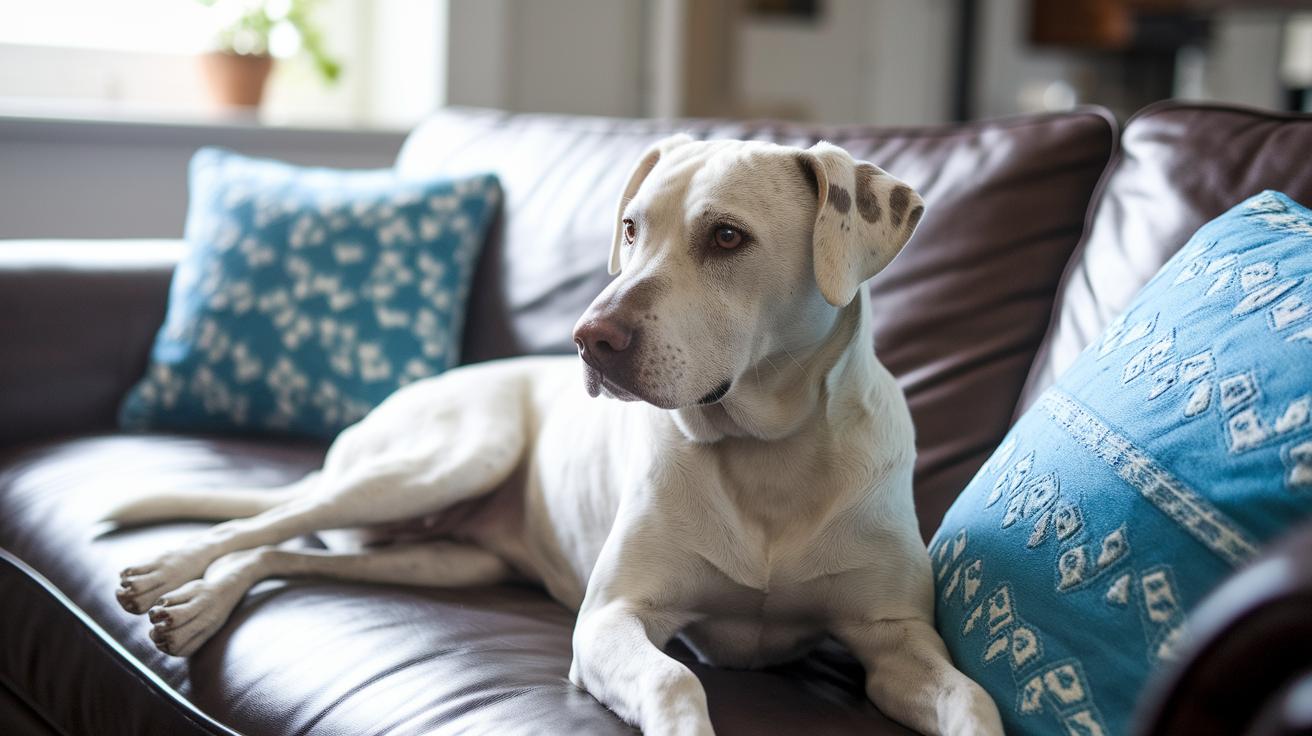
Taking care of your pet at home means they stay in a place they know well. It helps keep stress low and gives them a steady routine. This way, your pet gets the attention they need without the change and noise of boarding or daycare.
When your pet stays home, they keep their normal habits. Familiar surroundings and regular check-ins help them feel calm. You know your pet best, so you can spot small changes and keep them safe.
Here are some simple tips to follow:
- Feeding schedule: set regular meal times.
- Exercise blocks: plan walks or play breaks.
- Grooming slots: brush and tidy them up.
- Health checks: watch for signs they need a vet visit.
- Playtimes: set aside time for fun and games.
These easy routines help lower anxiety and boost your pet's health. When they know when to eat, play, and relax, your pet feels secure. Small daily rituals build trust and make their day a little brighter. Every meal and walk is a step toward a happier, healthier pet.
Feeding & Nutrition Strategies in Your In-Home Pet Care Guide

Getting your pet's meals right is key for a happy, healthy life. Different animals, ages, and energy levels need different meal patterns. For instance, a playful dog may do best with two good meals a day, while a laid-back cat might benefit from smaller meals given more often. Keeping a schedule helps your pet's tummy work well. Whether your buddy is a big dog or a tiny critter, a meal plan made just for them sets a solid base for their health. These home feeding habits not only keep their digestion steady but also turn every bite into a boost of energy. For a fresh and balanced start, check out the New Pet Owner Care Guide.
| Species | Meal Frequency | Portion Size |
|---|---|---|
| Dog | 2 meals/day | Based on weight and age |
| Cat | 3-4 meals/day | Small, measured servings |
| Rabbit | Multiple small meals | Fresh veggies and hay mix |
| Small Rodent | Frequent snacking | Tiny, regulated amounts |
Always make sure your pet has fresh, clean water. Cleaning their bowl daily and refilling it keeps them well hydrated and full of energy.
DIY Grooming & Hygiene Tips for an In-Home Pet Care Guide

Setting up a little grooming spot at home can make a big difference. Use a non-slip mat and good lighting so you can see every little detail. No matter if your pet has long, flowing fur or a neat, short coat, the right brush or comb will keep grooming fun and simple. Create a calm, cozy space where your pet feels safe and relaxed.
With just a few basic tools, you can handle many grooming tasks yourself. Try these easy tips at home:
- Coat brushing
- Nail trims
- Ear cleaning
- Dental wipes
- Paw massages
- Fur detangling
A steady grooming routine can help cut down on mats and shedding. And if you spot any unusual patches, signs of irritation, or if your pet looks uneasy, it might be time to check in with a professional.
Indoor Exercise & Play Techniques in an In-Home Pet Care Guide

Keeping your pet active indoors is key to their happiness and health. When your pet plays, they stay lively, relaxed, and full of energy. Regular playtime can help your pet sleep better at night and stay alert during the day. Fun indoor activities keep boredom away and help avoid unwanted mischief.
- Hide-and-seek – Let your pet look for you. It sharpens their focus and boosts their agility.
- Stair sprints – Quick runs up and down the stairs burn off energy in no time.
- DIY agility jumps – Arrange small hurdles with chairs or low tables so your pet can jump safely.
- Laser-pointer chases – A moving beam of light on the floor gets your pet excited for a fun chase.
- Treat treasure hunts – Hide a few small treats in safe spots around your home to spark their curiosity and mind.
Keep an eye on your pet while they play. Short sessions of about 10 to 15 minutes work best. Watch for signs like slowing down, heavy panting, or uninterest. If your pet starts to tire, take a break so they can recharge. This way, every game stays fun and safe, and your pet builds confidence and focus with each playtime session.
Health Monitoring & At-Home Veterinary Check Advice in Your In-Home Pet Care Guide
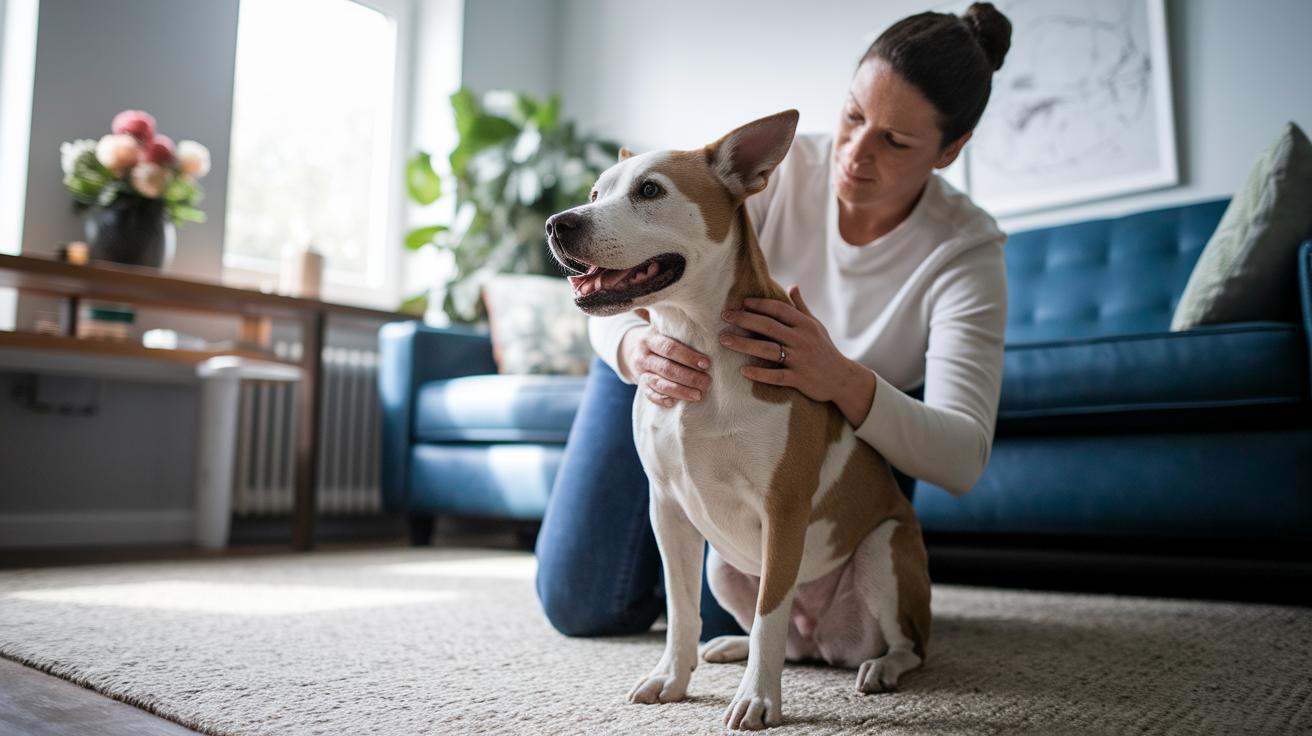
Regular check-ups at home help you spot changes in your pet quickly. Taking a few minutes each week to look at your pet’s fur, eyes, gums, and joints can catch small problems before they grow into bigger ones. It also makes you feel more confident and gives your vet useful clues if a visit becomes necessary.
| Issue | Check Method | What to Do |
|---|---|---|
| Skin problems | Look for rashes or bald spots | Book a vet visit |
| Ear concerns | Check for redness or build-up | Clean or call your vet |
| Joint stiffness | Gently move the legs and see how it feels | Watch activity or ask your vet |
| Dental care | Inspect the gums and teeth | Brush or visit the vet |
- Gauze
- Antiseptic
- Styptic powder
- Bandages
When it's time to give medication, use a gentle approach. A calm voice with kind words or a treat makes it easier for your pet. Offer a small amount of water to help the pill go down and confirm that your pet takes the full dose. This careful method lowers stress and helps your pet trust you even more.
Behavioral Training & Mental Stimulation in an In-Home Pet Care Guide
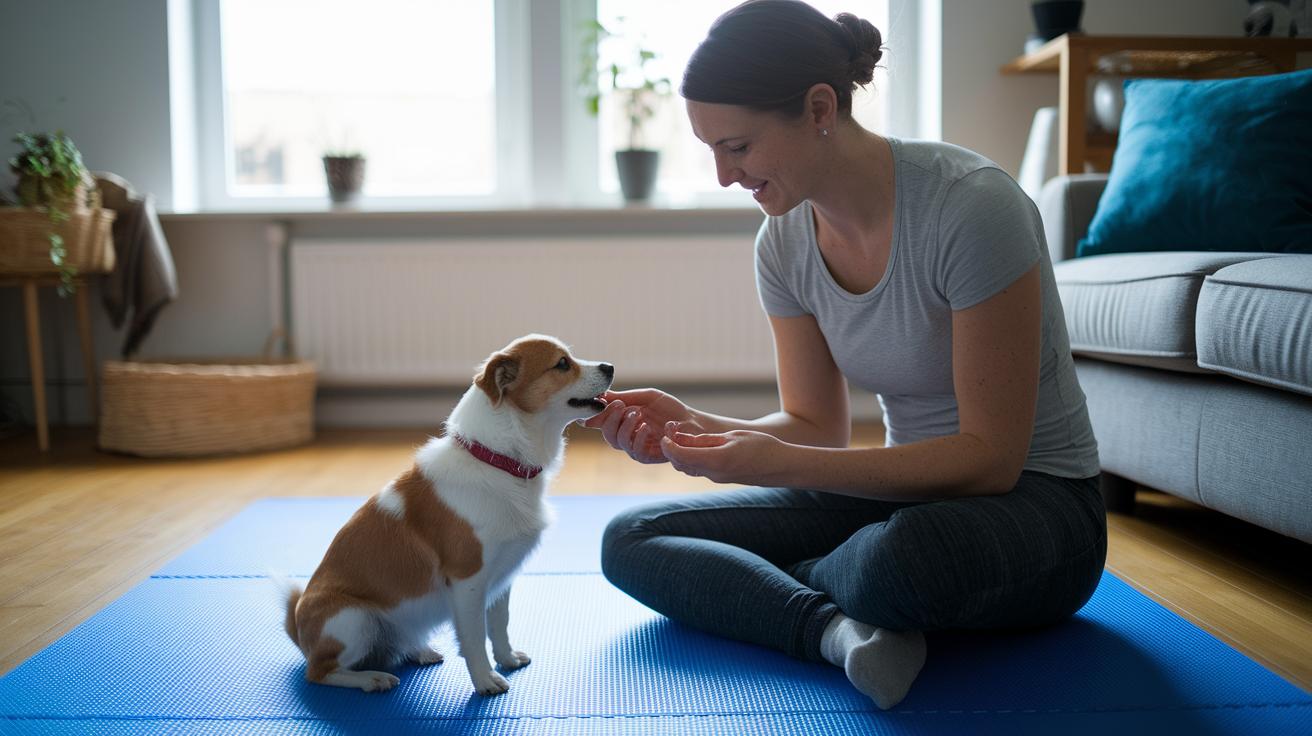
Building trust with your pet starts with positive reinforcement. When you reward good behavior with treats, kind words, or a quick play session, your pet learns what to do. Using clear commands and gentle corrections makes everything easier for both of you.
When dealing with issues like jumping or chewing, clear cues are the secret. Keep your commands simple, use a calm voice, and offer rewards. This steady routine not only curbs unwanted habits but also builds your pet's confidence during training.
House Training Step-by-Step
- Start by setting a regular time to take your pet outside.
- Pick a quiet spot where your pet feels safe.
- Use the same cue every time you get to the spot.
- Reward your pet right away with a treat or a kind word.
- Slowly increase the time between breaks as your pet learns the routine.
DIY Brain Games
- Shell game
- Treat puzzles
- Scent trails
- Toy rotation
- New-command drills
Every pet is unique. Young pets like short, fun sessions with lots of treats, while older pets or larger breeds might do better with a slower pace. By watching your pet and adjusting the training to fit their energy, you can keep the experience fun and supportive.
Preparing Your Home Environment for In-Home Pet Care

Take a walk around your home and look for things that might hurt your pet. Check for loose cords, plants that could be toxic if nibbled, and cleaning supplies within reach. These hazards can upset or injure your pet. When you spot and fix them early, you give your sitter one less worry. Imagine finding a worn-out cord by your pet's favorite sleeping spot. By securing it, you keep your pet safe and show that you care.
- Cord covers
- Cupboard locks
- Pet-safe cleaners
- A special feeding area
- A spot for waste
- Emergency contacts posted up
- Items to help them feel familiar
A clear, written guide for your sitter or family members is a big help. A simple checklist that shares feeding times, play breaks, and any extra care instructions makes sure everyone knows what to do. This does wonders for keeping your pet's day calm and safe.
Final Words
In the action of everyday care, this in-home pet care guide shows you how to build a routine that covers feeding, grooming, indoor play, and health checks. We shared practical tips and strategies to help you keep your pet happy and healthy while reducing stress. A simple plan makes all the difference in providing comfort. Enjoy the extra cuddles and peace of mind that come with a well-organized routine and remember that every small effort contributes to a big impact.
FAQ
In home pet care guide reddit
The phrase in home pet care guide reddit refers to discussions and tips on Reddit where pet parents share their routines and insights on caring for pets at home.
In home pet care guide for dogs
An in home pet care guide for dogs outlines easy-to-follow routines, including feeding, exercise, and grooming tips tailored for keeping your dog happy and healthy.
What are good templates for pet sitter instructions?
Good pet sitter instruction templates outline daily routines, feeding schedules, and emergency contacts. They are available as free downloads in Word, Google Docs, or online formats to ensure consistent care.
Is $50 a day good for house sitting?
$50 a day for house sitting can be a fair rate. It generally covers basic responsibilities and pet care, though rates vary depending on the workload and local market standards.
What are the red flags in a pet sitter?
Red flags with pet sitters include lack of references, poor communication, unclear care instructions, and limited experience with pets, all of which could lead to missed care details.
What are the hardest pets to take care of?
The hardest pets to take care of usually have specialized diets, require extensive grooming, or need lots of exercise, such as exotic animals or pets with special health needs.
What is a normal rate for a pet sitter?
Normal pet sitter rates typically range from $15 to $30 per visit, depending on services provided, pet type, and the local cost of living.