


Have you ever thought that caring for your pet could help the planet? At Eco Pet Harmony, every meal, toy, and grooming session can be gentle on nature. We choose items like collars that break down naturally and shampoos made from plants. These choices keep your pet happy and help cut down on waste and carbon output. Even small changes in how we care for our pets can make a big difference. Let’s explore some practical ways to make pet care kinder to both your family and the Earth.
Eco-Friendly Pet Care Practices: A Comprehensive Framework
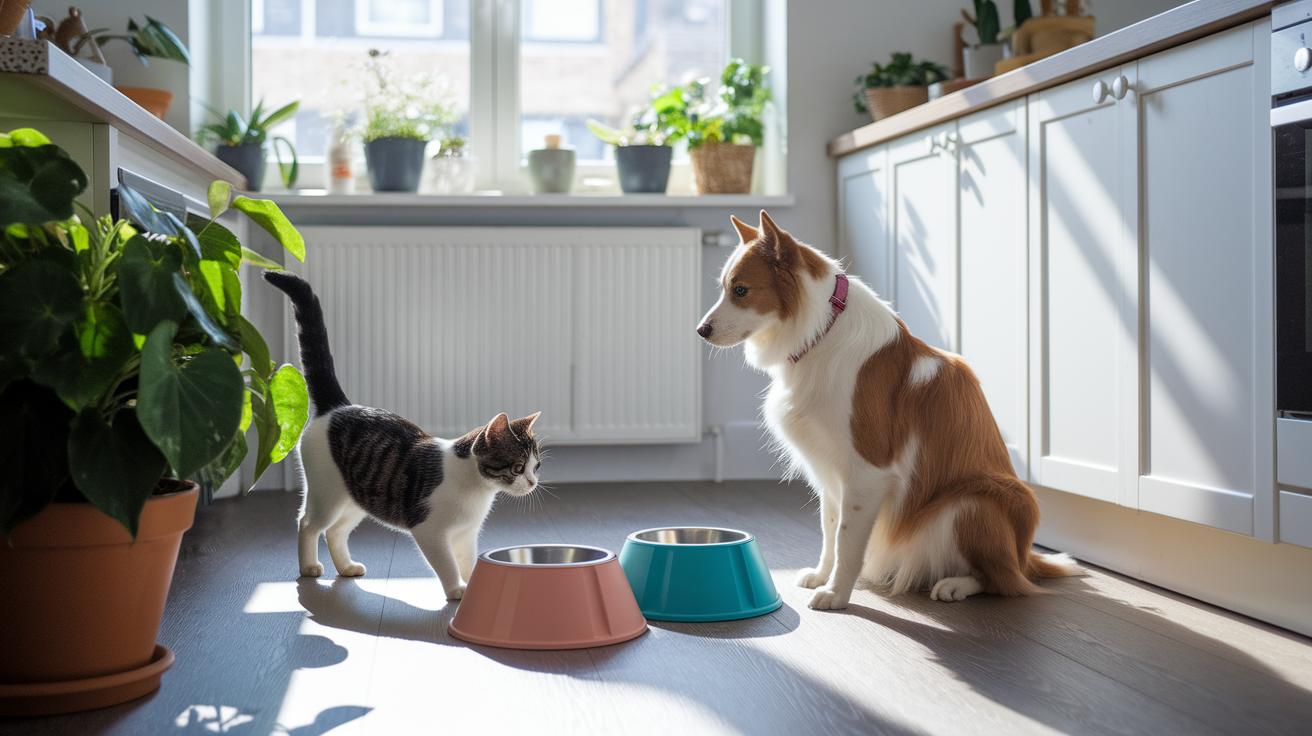
Eco-friendly pet care is all about making choices that help the planet. We pick products and habits that last longer and produce less waste. Materials that break down naturally keep our world a bit cleaner. In the pet world, tons of plastic, packaging, and carbon emissions add up each year. Even our smallest friends leave a carbon trace, so switching to greener habits is important.
We all have a role in making pet care kinder to nature. When it comes to feeding, using ingredients that come from sustainable sources and planning meals well can cut down on food waste. In grooming, using plant-based shampoos or even a simple mix like vinegar and baking soda protects both our pets and our water. When managing waste, choosing compostable dog bags or biodegradable cat litter helps reduce what goes into landfills. And for play and travel, picking strong, eco-friendly toys and planning low-carbon outings makes a big difference.
Key steps to follow include:
- Organize feeding routines to avoid waste with good storage and planned meals.
- Use non-toxic, biodegradable products for grooming.
- Choose compostable or recyclable materials for waste.
- Pick sustainable gear for play and local outings.
- Keep home routines energy-saving with smart cleaning.
These eco-friendly ideas help us care for our pets while caring for the planet. Every choice, from the pet treats to the toys, builds a caring system for our furry pals. Learn more about our ideas in our comprehensive pet care guide and join us in building a greener future for your pet and our world.
Sustainable Pet Nutrition: Natural and Organic Food Choices

When you choose meals for your pet, check for labels that explain where the ingredients come from. More brands are using meat from sources that care for the planet, even trying proteins made from insects, plus organic veggies and packaging that is kind to nature. Did you know New Zealand’s raw-food market has a smaller environmental footprint than many regular pet diets? It shows that even our furry friends can enjoy food that helps the earth.
Look over the ingredient list and watch for words like "responsibly sourced" or "organic." Your dog or cat can do well on food that is gentler on nature. Here are some quick tips to help you make choices:
- Pick products that share clear details about their ingredients.
- Compare the quality of nutrients in organic versus regular food.
- Try out raw or insect-based diets if you're looking for something new.
- Plan meals ahead and store food the right way to cut down on waste.
Studies tell us that sustainable diets may lower land use and greenhouse gas emissions by as much as 50% compared to typical kibbles. Small steps, like proper storage and meal planning, can add up. When you choose natural pet nutrition, you not only give your pet a balanced meal but also help protect our planet.
Sustainable Pet Grooming Practices: Green Grooming Suggestions and Eco-Safe Cleaning
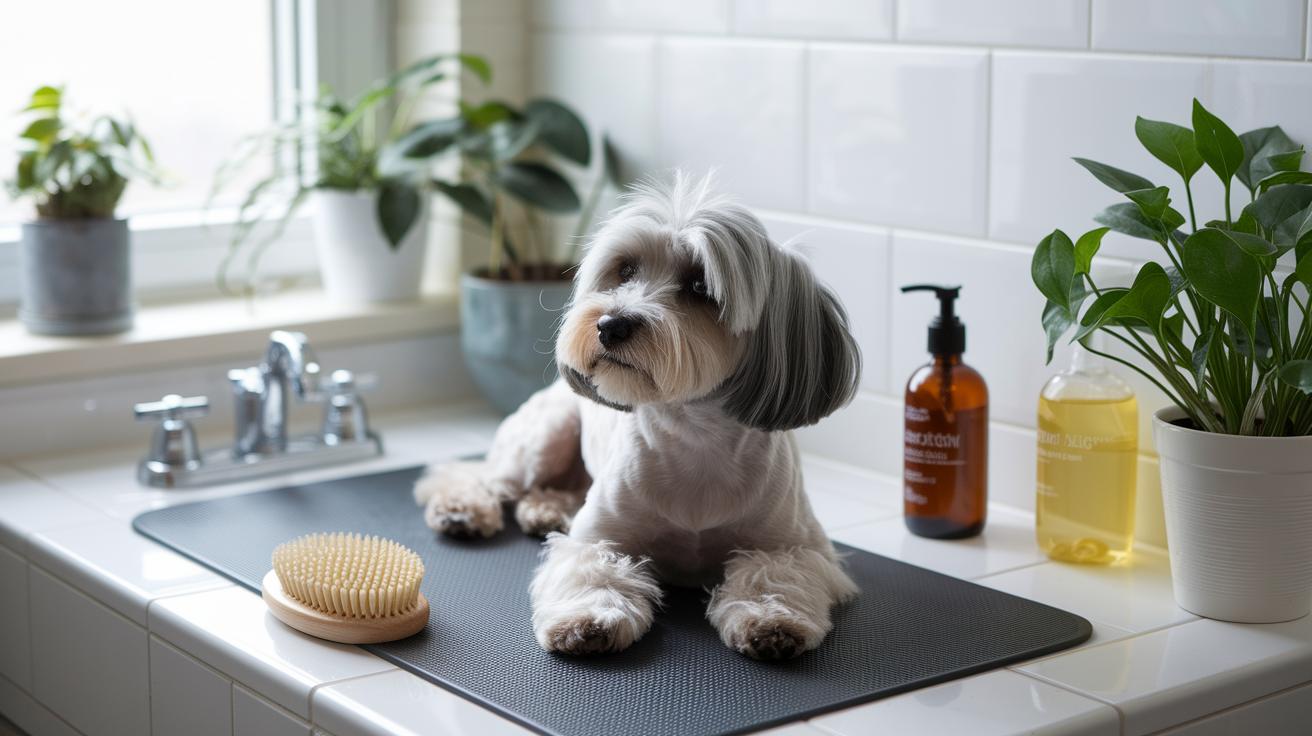
Start with eco-friendly products that care for your pet’s skin and our water. Choose shampoos and conditioners made from plants that break down naturally. These are gentle on your pet and safe for the earth. Look for brushes made of bamboo or recycled materials. Also, pick grooming sprays that clean without harsh chemicals like triclosan, phosphates, or sulfates.
Here are some green grooming suggestions:
- Use products with natural ingredients that break down safely.
- Choose brushes and combs from sustainable sources.
- Opt for sprays that clean without dangerous chemicals.
- Try simple DIY recipes, like mixing vinegar and baking soda, for a natural clean.
When you groom your pet, save water by turning off the faucet during lathering. Use a spray bottle to help keep water use low. You can even use the rinse water to water your plants, so no drop goes to waste.
These eco-friendly cleaning ideas help protect our water and lower your pet’s carbon pawprint. This way, you help both your pet and the planet thrive.
Sustainable Pet Waste Management: Reduction Methods and Biodegradable Products

We all want our pets to be happy while keeping our world clean. Start by changing little habits to lower waste. For dogs, use poop bags that are certified compostable. These bags are made from starch-based bioplastics and break down naturally. For cats, choose litter made from recycled paper, wood pellets, or corn, which you can safely compost. Quick tip: Switching to biodegradable cat litter gives you good odor control and helps the planet.
Home composting is another way to reduce waste. In some places, you can compost pet waste into rich soil for your garden (for plants, not food). Just mix the waste with dried leaves or other high-carbon materials to keep the compost safe and free of germs.
Key strategies include:
| What to Do | Why It Helps |
|---|---|
| Use compostable poop bags | Reduces plastic waste |
| Select biodegradable cat litter | Cuts down on plastic packaging |
| Check local compost guidelines | Ensures safe composting |
| Maintain your compost system | Keeps germs away |
Before buying, check labels and certifications to make sure products really break down over time. These small changes in your pet care routine can make a big difference for our planet and for all animals.
Sustainable Pet Gear and Accessories: Ethical Sourcing and Renewable Innovations

When you choose sustainable pet gear, you're helping your pet and the planet. We love products that are built to last. Try collars, leashes, and beds made from hemp, organic cotton, or recycled ocean plastics. These items stand up to daily use and often carry labels like GRS and Fair Trade. These marks show a real commitment to responsible sourcing.
Hemp-fiber toys are a great pick. They are tough and gentle on the earth. Bamboo feeding bowls and recycled-fabric blankets offer comfort while keeping the environment in mind. When you shop, check both the product's full life and its packaging. Items with less packaging and clear eco-guidelines usually have a lower carbon footprint.
Here are some quick tips for pet care:
- Look for clear info on material origins.
- Check for labels that confirm ethical production.
- Do simple repairs to extend your pet gear’s life.
Keeping your pet's gear in good shape is important. A well-cared-for product lasts longer and saves you money. By choosing and maintaining sustainable items, you help support greener practices that benefit pets and our world.
Sustainable Pet Habitat Care: Eco-Friendly Home Environment
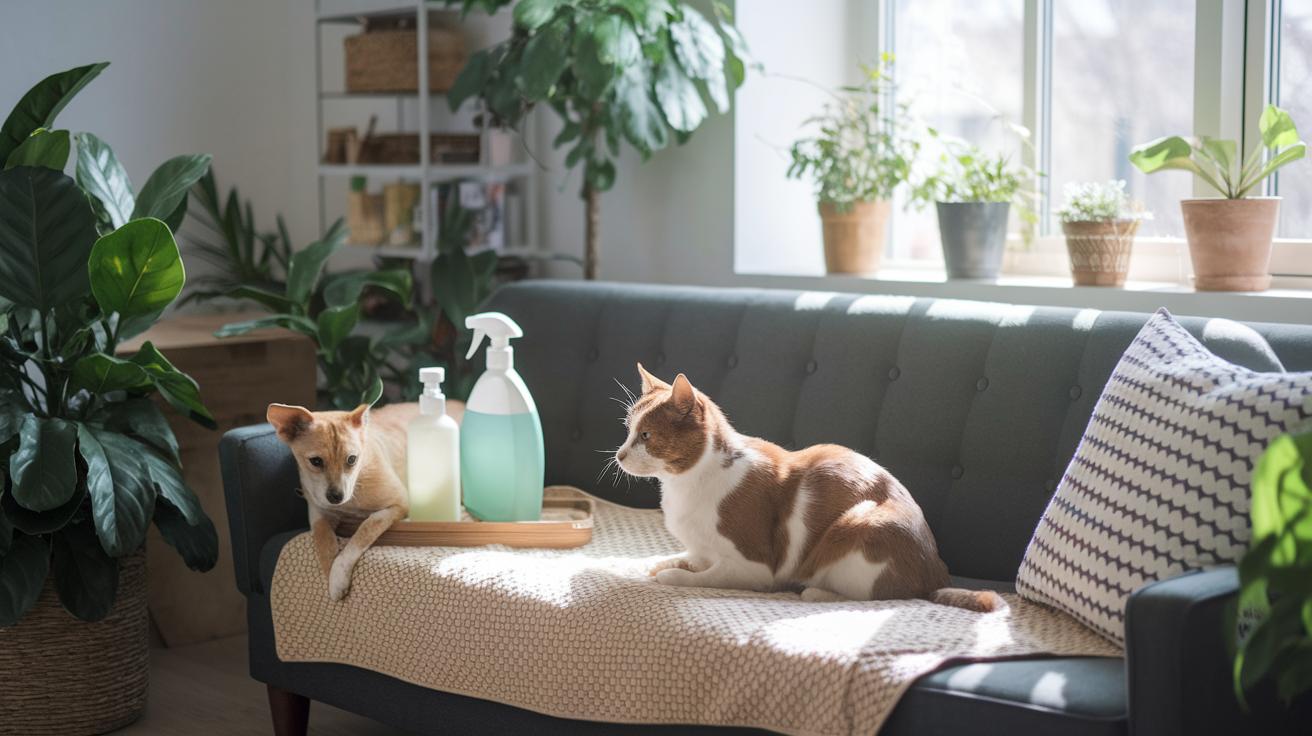
Let’s start by setting up a cleaning routine that is safe for your pet and kind to our planet. A mix of vinegar and baking soda works great on floors and pet bowls. It cleans naturally without any harsh chemicals.
Try using bedding made from hemp or organic cotton. This natural fabric is soft on your pet and helps cut down on toxic waste at home. Adding a few indoor plants can also filter the air and create a calm, soothing space for you both.
Switch to energy-smart options like a programmable thermostat. It lets you set the perfect temperature while saving energy. And a quick steam-clean of pet areas can wash away toxins, leaving surfaces fresh and safe.
Get creative with upcycling! You can turn an old chair into a cozy shelter for your furry friend. This idea not only saves resources but also adds a unique, personal touch to your home.
Even small changes like these make a big difference. They help build a healthier home and a cleaner environment for you and your pet.
Sustainable Pet Travel Practices: Responsible and Low-Carbon Advice
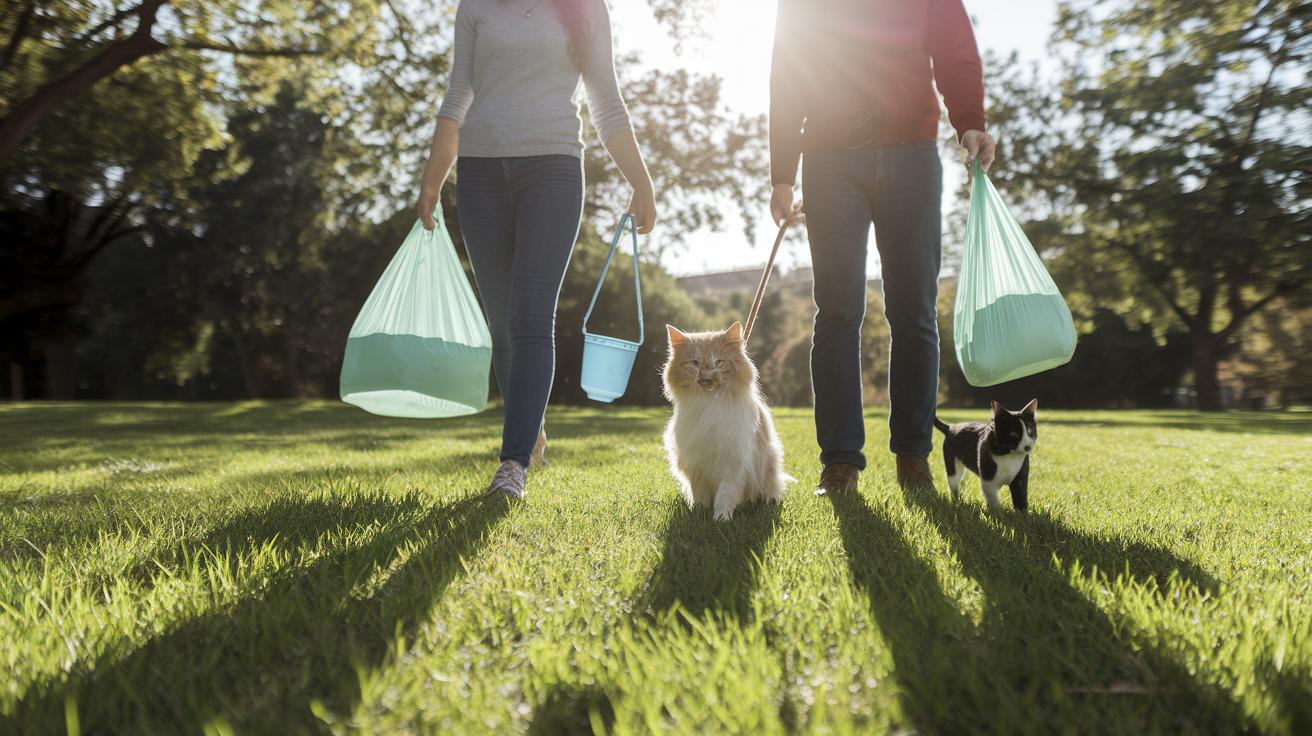
When you plan a trip with your pet, try to choose ways that help the earth and give you more time together. For short trips, consider walking or biking instead of driving. It’s a fun and healthy way for both of you to enjoy the day. And before you head out, pack reusable water bowls and waste bags that break down naturally so you can skip single-use plastics.
- Use reusable water bowls to keep your pet hydrated in an eco-friendly way.
- Carry biodegradable waste bags to cut down on plastic trash.
- Pick carriers and crates made from recycled or responsibly sourced materials for safe and green travel.
Lots of cities now have pet-friendly public transit and bike trailers. With a bit of planning, you can leave behind disposable items and embrace a low-carbon lifestyle that benefits your pet and our planet. These small changes make a big difference in greening your pet’s travel and showing others how easy eco-friendly care can be.
Sustainable Pet Care Community: Building Green Networks for a Greener Future

Building a community focused on sustainable pet care is a great way to spread green habits outside your home. You can start small by organizing local pet supply swaps where neighbors trade beds, toys, and accessories that still work well. This easy step helps cut waste and reduces the need for new items, which is kind to our planet.
Try setting up a toy library in your neighborhood. Sharing toys means fewer new ones need to be bought, and every plaything gets more use. Another idea is to create community compost hubs so pet waste can be turned into garden compost safely. This keeps harmful materials from ending up in landfills.
Here are some simple ideas to build your green network:
- Swap pet supplies with friends.
- Set up toy libraries to share durable playthings.
- Form community compost hubs for safe waste management.
- Donate gently used supplies to local shelters.
- Encourage rescue adoptions to ease the demand on breeding facilities.
Joining local eco-pet events or online groups lets you share tips on mindful pet care. When we pool our knowledge and resources, we create a network that cares for pets and the planet together.
Final Words
In the action, we explored how everyday choices shape eco-friendly pet care. We covered natural diets, green grooming tips, waste-reducing methods, and sustainable gear options. Each section offered simple steps to help make your pet’s environment healthier and happier. Our sustainable pet care practices guide reminds us that small changes can lead to a big impact. Keep striving for eco-friendly habits and enjoy every step of your journey with your beloved companion.
FAQ
What is the pet environment?
The pet environment means the spaces and care practices that keep your pet safe while reducing waste and energy use. It covers home setups, outdoor areas, and more.
What is the carbon footprint of owning a pet and how does it impact climate change?
The carbon footprint of a pet comes from food production, waste management, and travel. Eco-friendly practices can lower greenhouse gas emissions and help ease climate change.
What is the environmental impact of pet food?
The environmental impact of pet food is linked to sourcing, production, and packaging. Choosing sustainably sourced and organic options can reduce land use and lower carbon emissions.
How can the tree and the dog change the environment?
A tree absorbs carbon, and eco-conscious pet care minimizes your dog’s carbon footprint. Together, they show how natural elements and smart practices improve environmental health.
Are pets bad for the environment?
Pets aren’t bad for the environment on their own. Their impact depends on our choices in feeding, waste, and energy use—sustainable practices can make a big difference.