
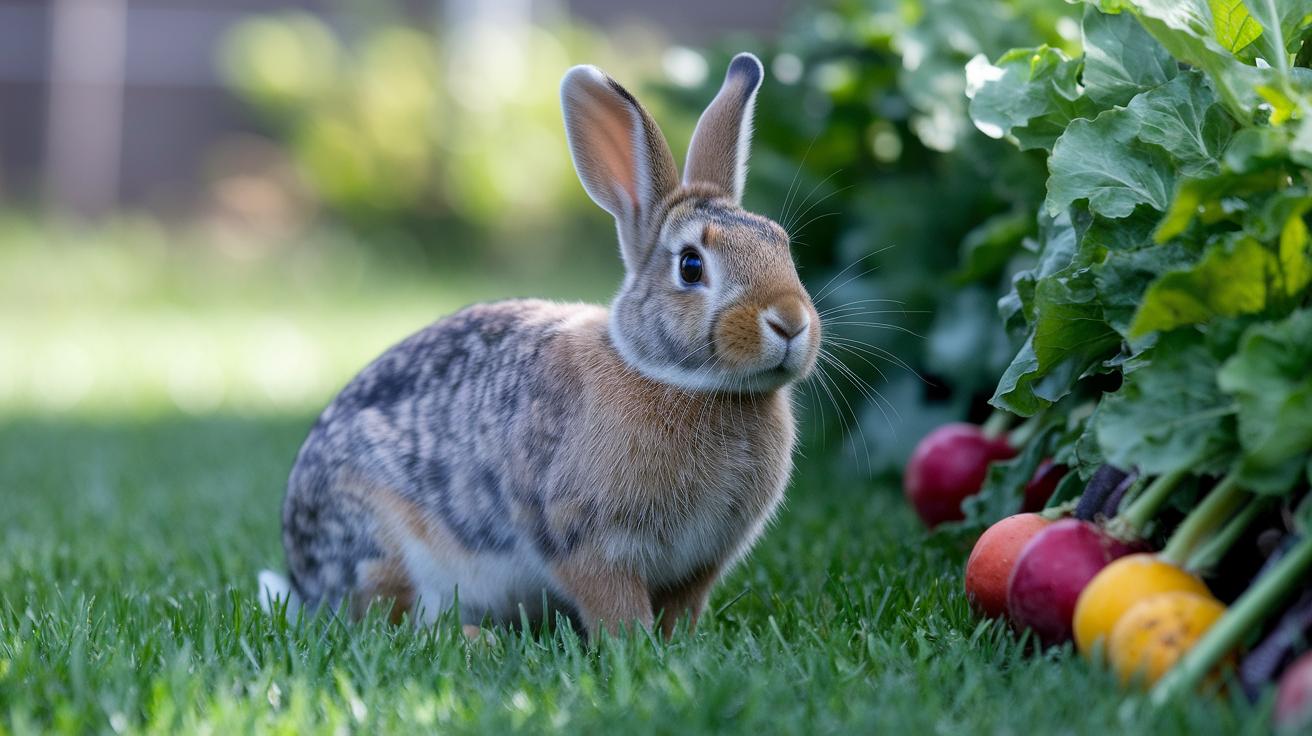

Have you ever seen a bunny that hops with extra joy while another seems a little down? If you're new to being a bunny parent, you're in the right spot. Rabbits come in different sizes and each one needs a snug home, proper food, and plenty of play.
In this guide, we share easy tips on setting up a safe space, meal ideas, grooming steps, and fun play activities. Follow these simple steps to help your furry friend bounce happily every day.
Essential Rabbit Care Guide for New Owners
Rabbits come in more than 50 breeds and are grouped into three sizes: small (less than 4.4 lbs), medium (4.4 to 11 lbs), and large (more than 11 lbs). They live for about 8 to 12 years, so bringing one home means a long-term friendship. Imagine a bunny with a joyful binky, a burst of joyful hops that says, "I’m happy!"
As a new bunny parent, focus on five main care points:
- A safe home that protects your pet.
- A balanced diet with plenty of hay, fresh veggies, and a few pellets.
- Regular grooming (weekly for short-haired rabbits and daily for long-haired ones).
- Daily playtime outside the cage.
- Routine vet visits.
Each tip helps your rabbit stay healthy and happy. In the sections below, you'll find simple guides on setting up a cozy space, planning meals, and keeping up with grooming, exercise, and health checks. For more tips, check out the new pet owner care guide at Good Paws Good Cause. Enjoy every leap and cuddle with your happy bunny!
Creating a Safe Rabbit Housing Setup

Indoor and outdoor setups each have their own perks for your bunny. At home, a bunny-safe room or playpen lets you easily watch over your pet. Outside, you need to protect against the weather. Keep the hutch well-ventilated and maintain a comfy temperature between 60°F and 70°F. A mesh top or secure door is a must in either setup to keep your bunny safe when it’s exploring.
| Setup Type | Space Requirements | Temperature | Ventilation |
|---|---|---|---|
| Indoor Setup | At least 16 sq ft (with a secure run) | Room temp 60-70°F | Good air flow |
| Outdoor Hutch | At least 16 sq ft; minimum 3 ft high | Keep inside at 60-70°F | Weatherproof with proper airflow |
Regular cleaning keeps your bunny happy and healthy. Scoop litter and clean the floors each week to cut down on smells and germs. A weekly check-up and a deep clean now and then, especially during warmer weather, go a long way in keeping the space fresh. This routine gives your bunny plenty of room to play and rest in a clean, safe home.
Rabbit Diet and Nutrition Essentials
Hay is the foundation of a healthy rabbit diet. It helps with digestion and keeps your bunny's teeth in shape by wearing down the growing edges. Without enough hay, rabbits can develop sore teeth and upset tummies.
Here are four types of hay we recommend:
- Timothy hay – a favorite for most bunnies.
- Orchard grass – a softer choice that many rabbits enjoy.
- Oat hay – offers a crunchy texture with plenty of fiber.
- Meadow hay – a mixed blend that gives different tastes and nutrients.
Fresh leafy greens and vegetables add important vitamins and minerals to your rabbit's plate. We suggest about one cup of veggies for every 4 lb of body weight each day. This keeps the meal balanced without too much change at once. Try mixing in greens like romaine lettuce, parsley, and cilantro for a bit of variety.
Always give your bunny clean water. A heavy ceramic bowl works best because it is sturdy and simple to clean. Make sure to rinse it out every day to avoid any germs. Also, keep treats to about 5% of the daily meal. While rabbits love a sweet snack like carrots, too many can cause problems because of the extra sugar.
Grooming and Hygiene in Rabbit Care

To keep your bunny happy and healthy, regular brushing is key. Short-haired rabbits need a good brush once a week, while long-haired ones require daily grooming, especially during shedding times. Brushing removes loose fur and stops hairballs from forming. Imagine your bunny settling down after a gentle brush; that's a sign you're doing a great job. Regular grooming also helps your pet relax and strengthens your bond.
Keeping your bunny's home clean is just as important. If you use recycled newspaper pellet litter, scoop it out every day to control waste. Then, wash the litter box and cage floors each week to cut odors and lower the chance of illness. Always wash your hands before and after handling your rabbit. These simple steps keep your bunny's space safe and clean, so they can feel their best.
Exercise, Playtime, and Enrichment Techniques
Rabbits need plenty of time outside their cages, about 3 to 4 hours a day, so they can run, hop, and stretch. This daily break is key for both their bodies and their minds. Let your bunny explore a safe x-pen or a room bunny-proofed just for them. Imagine your pet happily hopping across a soft carpet, its tail twitching with excitement.
To make playtime even more fun, add a few toys and gadgets to the space. Tunnels, ramps, boxes, chew toys, and hidden food puzzles all work great. They let your bunny explore and act out natural behaviors like foraging. Even a simple cardboard box can become a secret hideout that sparks lots of curiosity.
Keep an eye on your rabbit’s play. A quick log of its activity can help you notice if it needs a change. If your bunny seems to slow down or lose interest, swapping out a toy or two might bring back the spark. This way, you help ensure your pet stays active, happy, and healthy every day.
Health Monitoring and Veterinary Care Guide
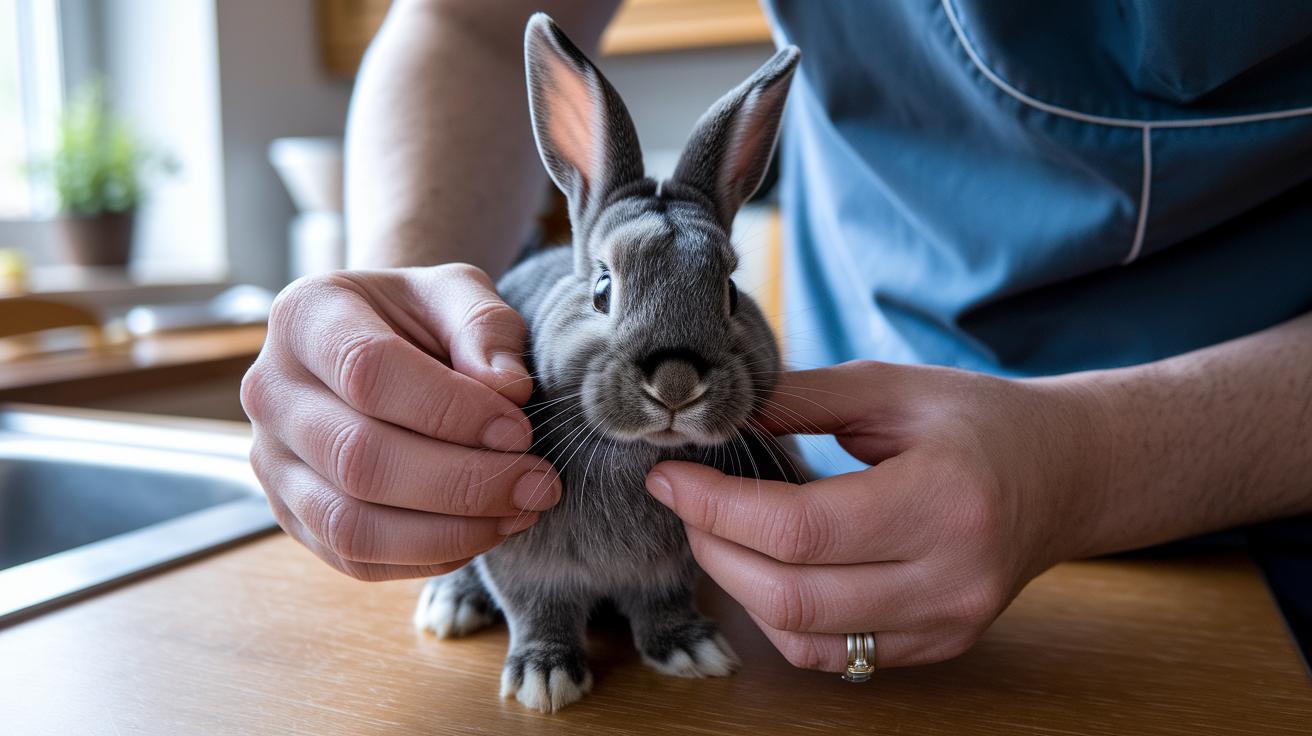
Every week, take a few minutes to check on your bunny at home. Look closely at its feet for any soreness and check its teeth for signs they might be growing too long (bunny teeth grow about 2 mm each week). These quick checks can help you spot problems before they get serious.
Neutering your bunny can lower the risk of certain cancers and help reduce aggressive behavior. It’s a simple step that supports your pet's overall well-being and makes them calmer and easier to handle.
For healthy adult rabbits, a vet exam once a year is ideal. If your bunny is over 7 years old, plan for a check-up every six months. During these visits, the vet can look at dental health, spot early signs of illness, and suggest any diet changes. Taking care of small issues early keeps them from turning into bigger problems.
Keep an eye on any changes in your bunny’s routine or behavior. Signs like a loss of appetite, differences in their special droppings (called cecotropes, which give extra nutrients), low energy, or breathing changes could be a sign of trouble. If your bunny seems less bouncy during play or isn’t eating as much as usual, it might be time for a vet visit. Noticing these changes helps ensure your pet gets care quickly, keeping them happy and healthy.
Gentle Handling, Bonding, and Behavioral Insights
When you start socializing with your bunny, offer it a little treat in a quiet spot. Leave a small piece of apple on the floor so your rabbit can sniff it out on its own. This simple act shows your pet that it gets to decide when to come close. You might say, "Take your time, I'm here when you're ready," as you gently set the treat down.
Once your bunny feels at ease, it's time to try a careful lift. Slide one hand under its chest and place the other behind its back. This hold feels like a warm hug, making your pet feel safe and supported while you carry it.
Look for happy bunny signs like binkying (jumping in the air), flopping around, or even a soft purr. These behaviors mean your rabbit is joyful and secure. Sometimes, your pet might chin to mark its safe space. But if you notice growling, lunging, or nipping, it could be a sign your bunny feels threatened or needs a break. Recognizing these cues helps you adjust your approach, building trust and strengthening your bond.
Seasonal Care and Safety Adjustments for Rabbits

Winter is when you want your bunny to feel really cozy. Try adding extra straw or hay to its hutch and cover it with a waterproof layer to block out dampness and drafts. Keeping the shelter between 60 and 70°F is key for your rabbit's comfort. Think of your rabbit nestled in a warm bed on a cold morning, it feels like a little winter haven.
When spring and summer arrive, help your bunny cool down. Place the hutch or play area in a shady spot and boost air flow with a fan or open windows. You can also add a few frozen water bottles as a simple cooling station when temperatures climb. These small changes make a big difference, keeping your pet active and happy all season long.
You can also adjust your rabbit’s diet. In warmer months, offer more water-rich greens like romaine lettuce or dandelion leaves to help with hydration. In winter, add a bit more hay to support digestion and healthy teeth. Even little tweaks in what you feed your bunny can help it feel its best as the seasons change.
Safety checklist:
- Keep the hutch between 60 and 70°F.
- Insulate with extra straw or hay and use waterproof covers in winter.
- Provide a shady, breezy spot and add cooling aids in summer.
- Check regularly for drafts and ensure good air flow.
Final Words
In the action, this rabbit care guide breaks down everything a new owner needs. We covered safe housing ideas, balanced diets, and the daily play and enrichment essentials that keep your bunny active and happy.
We also looked at proper grooming, health checks, and the gentle handling required to build trust. With clear, straightforward steps, you can care for your rabbit with ease and love. Enjoy the journey of pet care and making a positive impact along the way.
FAQ
Rabbit care guide pdf
The rabbit care guide PDF provides a printable resource covering essential topics like housing, diet, grooming, and play. It’s a handy reference for new rabbit parents looking for easy-to-follow tips.
Rabbit care guide for beginners and how do you take care of a beginner rabbit?
The beginner rabbit care guide outlines key steps such as setting up safe housing, keeping a balanced diet, and scheduling daily exercise and vet checkups. It offers clear, step-by-step advice for first-time owners.
Daily rabbit care checklist and do and don’ts for rabbits
The daily rabbit care checklist reminds you to provide fresh hay, water, exercise, and spot cleaning. It also highlights do’s and don’ts like gentle handling and avoiding too many sugary treats for a healthy bunny.
How to care for a rabbit outdoors
The outdoor rabbit care guide explains the need for a secure, weatherproof hutch with proper ventilation and temperature control, along with daily supervised playtime to keep your bunny safe and engaged.
Rabbit care guide printable and indoor rabbit care
The indoor rabbit care guide, available as a printable PDF, details safe setup strategies, feeding routines, and exercise tips. It helps you create a bunny-proofed space that supports a happy, healthy rabbit.
How to take care of a bunny for kids
Caring for a bunny with kids focuses on teaching gentle interactions, maintaining a clean habitat, offering a balanced diet, and ensuring kids supervise play and handling for a safe, loving pet experience.
What is the 3 3 3 rule for rabbits and what is the 3 hop rule for rabbits?
The 3 3 3 rule guides rabbit care by suggesting about three hours of daily out-of-cage exercise, feeding from three food groups (hay, greens, pellets), and performing three regular habitat cleanings for a balanced routine.