


Do you ever wonder if you might be missing something that makes your pet truly happy? Taking care of your furry friend goes beyond feeding and daily walks. It means following a simple plan that covers vet check-ups and easy grooming steps.
This guide shares everyday tips on care, feeding, and exercise that keep your pet healthy and smiling. We explain each step so you can enjoy more fun and stronger moments with your pet. Come along and learn a routine that builds a bond and keeps those tails wagging.
Essential Components of a Comprehensive Pet Care Guide

When you care for your pet, having an easy, step-by-step plan helps you cover every detail. It shows you what to do each day, every week, and as your pet grows. This way, you can spot small problems early, offer the right food and exercise, and build a routine that makes your pet happy.
Preventive care and routine check-ups work together to keep your pet well. Regular vet visits, good food, and simple grooming help stop big problems before they start. Vaccines like DAPP for dogs and FVRCP for cats fight off common bugs. And spaying or neutering can lower the risk of cancers and behavior issues. These steps not only keep your pet healthy but also build a bond of trust between you both.
- Daily care routines
- Nutrition guidelines
- Grooming best practices
- Training strategies
- Health maintenance & vaccinations
- Safety & emergency protocols
This complete guide covers everything from daily habits to emergency care. The sections below offer practical tips on feeding, exercise, and keeping up with check-ups. We hope these ideas give you confidence to handle everyday care and any unexpected moments while keeping your pet smiling.
Daily Care Routines in Your Comprehensive Pet Care Guide

Every day, make sure your pet has fresh food and plenty of clean water. A consistent routine helps your pet feel safe and loved. For dogs, 30 to 60 minutes of exercise works well. A brisk walk or some time running in the backyard helps burn off their energy. For cats, try 10 to 15 minutes of interactive play a couple of times a day. Even indoor pets enjoy a few toys and a safe play nook to brighten their day.
Each week, take a moment to check your pet's ears. Look for redness or any strange smells that might signal an infection. For small mammals, give their cages a quick once-over and change their bedding or toys. These little checks can help you spot small problems early on.
Every month, focus on preventive care. This means treating for fleas, ticks, and heartworms (which helps stop unwanted critters). Trim their nails and give extra attention to coat care to keep your pet comfortable. This regular maintenance supports your pet's long-term health and happiness.
Nutrition Guidelines in a Comprehensive Pet Care Guide

We all want our pets to feel their best at any age. For puppies and kittens, meals should be full of the right nutrients to help them grow strong. We keep portions small so they don’t overeat. For older pets, it's best to offer fewer calories and foods that help support joints and organs. Adjusting calories and meal times based on your pet's age and activity helps keep them at a healthy weight.
It’s important to make sure your pet stays well-hydrated too. Always offer fresh water during the day. If your pet has special needs like allergies or weight problems, a few tweaks can help. For example, pets with food sensitivities might do better on a simple diet with fewer ingredients. Overweight pets may need meals with fewer calories. Watching how much water your pet drinks and noting any changes at meal time can quickly highlight any issues.
Supplements can also give your pet a little boost. Many pet parents add them to support digestion and the immune system. You might ask your vet about adding probiotics for dogs (good bacteria that help with digestion) to their meals. When used with balanced food, these supplements can help your pet stay energetic and absorb all the good nutrients.
Grooming Best Practices in the Comprehensive Pet Care Guide
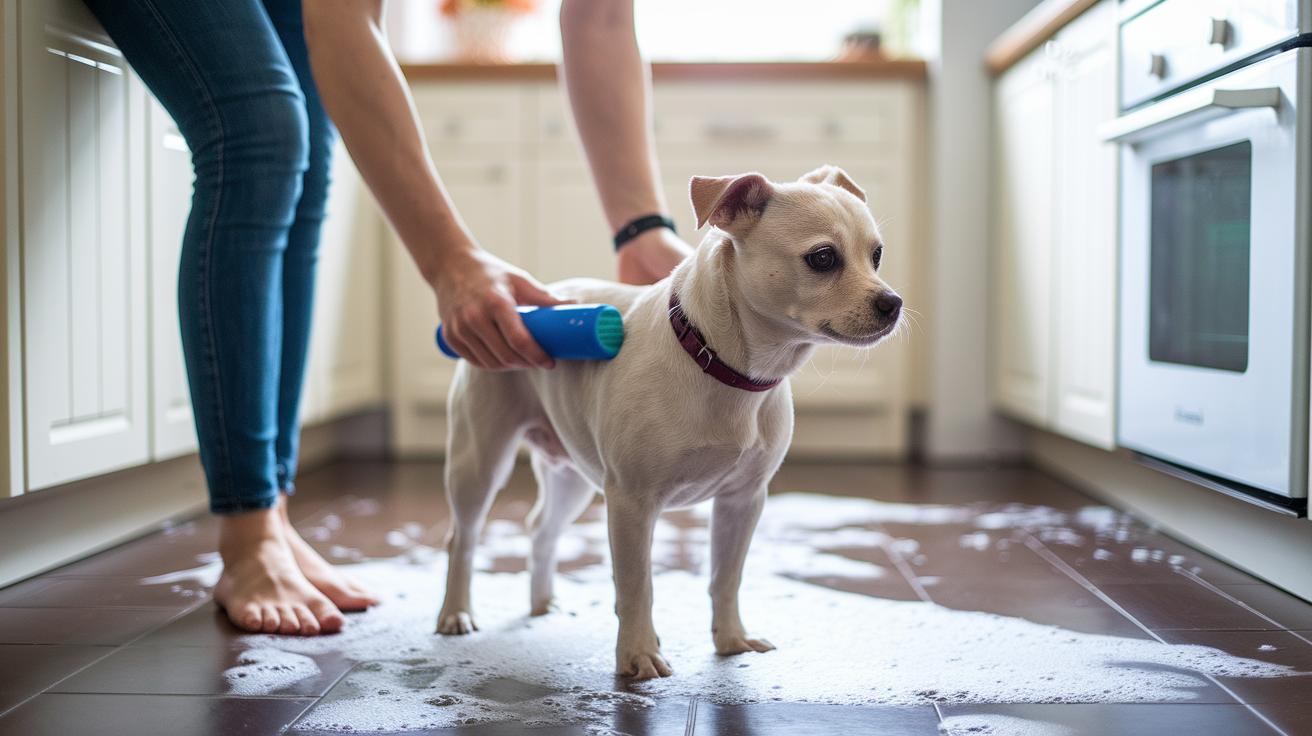
For short-haired pets, brush them once or twice a week to remove loose fur and lower the chance of skin problems. Long-haired pets need a daily brush to keep their coat free of tangles and mats. Regular grooming also helps you spot any bumps or scratches that might need care.
Bath routines change with the type of coat. Short-haired dogs do well with a bath every 8 to 12 weeks, while long-haired dogs may need a bath every 6 to 8 weeks. A neat trim can keep long fur looking tidy. Try using a slicker brush to work out stubborn tangles and dirt. This makes bath time smoother and more comfortable for your pet.
Looking after your pet's teeth is important, too. Brush their teeth a few times a week to cut down on plaque and bad breath. Dental chews and water additives can help keep their gums healthy. An annual cleaning by a professional can stop dental issues early.
Remember to include parasite control in your routine. Use flea and tick treatments during grooming sessions to keep your pet comfy and reduce infestation risks. This step helps their coat stay clean and irritation-free.
Training Strategies in Your Comprehensive Pet Care Guide

Start by setting a regular training time that works for you and your pet. Choose a consistent slot each day, whether in the morning or at night, so both of you know what to expect. For instance, you might share a fun fact like, "Just five minutes a day can build lifelong habits." This routine builds trust and makes training feel natural and enjoyable.
Next, work on simple commands using positive rewards. When your pet listens to commands like sit or stay, offer a tasty treat or a favorite toy. This approach not only teaches good behavior but also boosts your pet’s confidence. Keep training sessions short and fill them with plenty of praise so your furry friend stays engaged without getting tired.
Once your pet has mastered the basics, add some new challenges to keep things fun. Try using puzzle feeders or interactive toys that make them think. If your pet seems anxious when you leave or barks too much, you might want to get advice from a professional trainer. Mixing in fun games and advanced tricks can sharpen your pet's mind and bring you closer together.
Health Maintenance and Preventative Care in a Comprehensive Pet Care Guide

Regular check-ups are a great way to help your pet stay happy and healthy. For adult dogs, visits twice a year catch small issues early and keep their diet and exercise just right. Older dogs may do better with a check every three months. Adult cats should see the vet once a year to check their weight, teeth, and overall health, while senior cats do best with a visit every six months. These routine exams let your vet notice the natural changes in your pet and offer simple ways to keep them comfortable as they grow.
Vaccines play a big part in protecting your pet from dangerous diseases. Dogs get a DAPP vaccine that guards against distemper, adenovirus, parvovirus, and parainfluenza. Cats receive the FVRCP shot which covers the common feline viruses. Spaying or neutering not only helps with unwanted behaviors but also cuts the risk of some cancers by up to 90%. Together, the vaccines and surgery are a strong strategy for supporting your pet’s overall health.
Monthly medications, whether given by mouth, as a spot-on treatment, or via injection, help protect against heartworm and pests like fleas and ticks. Regular dental check-ups also catch early signs of gum disease or tooth decay. By keeping up with this routine, small problems get fixed quickly, meaning your pet can stay comfy and cheerful every day.
Safety and Emergency Protocols in Your Comprehensive Pet Care Guide
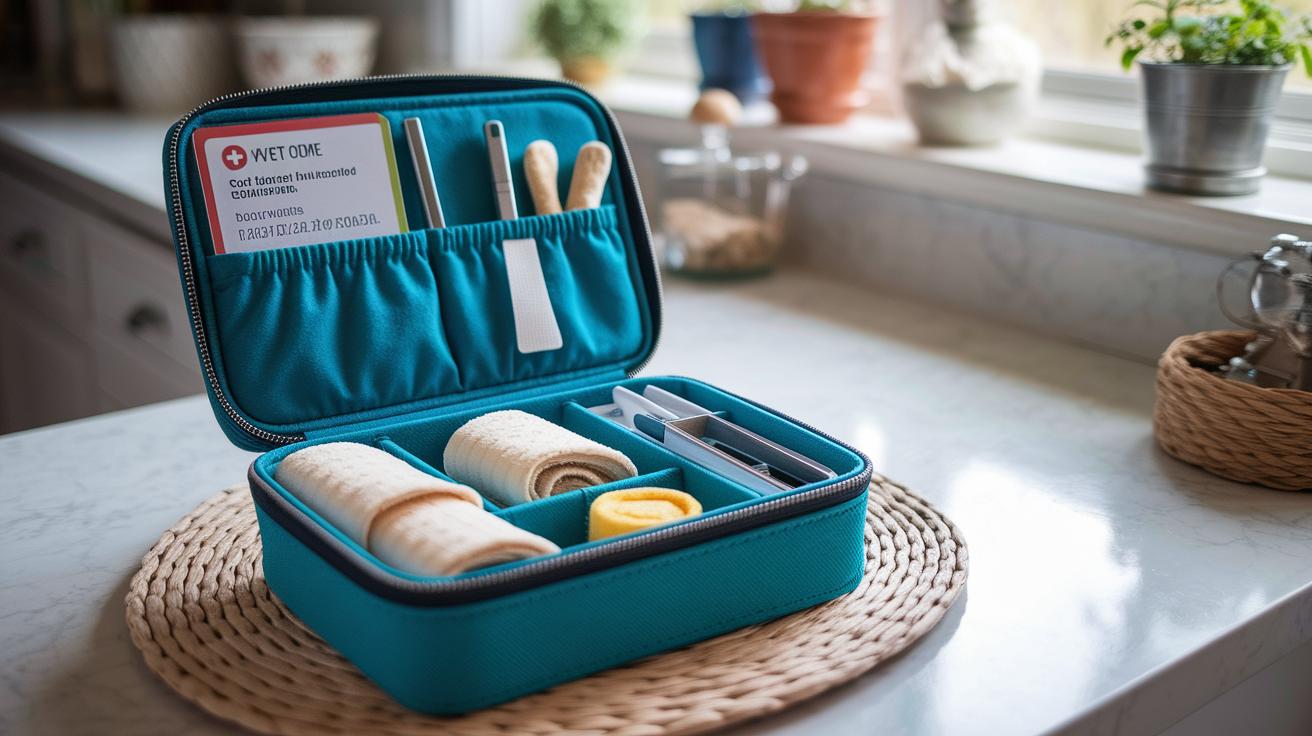
Make sure you have a pet first aid kit ready. Fill it with bandages, antiseptics, tweezers, and a list of emergency contacts. Keep the kit in a spot you can quickly reach. For example, write your pet's vet phone number on a small card and tuck it in with your supplies. Being prepared helps you handle small injuries or accidents before they turn into bigger problems.
It's important to watch for signs that your pet might be in trouble. If your pet has trouble breathing, shows seizures, or has unusual bleeding, these are serious warning signs. Call your vet right away. Also, notice if your pet's behavior or energy changes quickly. A small change could be the first sign of an emergency that needs fast care.
Keeping your home and travel safe for your pet is essential too. Regularly check your space to secure loose wires, remove any toxic plants, and block off dangerous areas. When traveling, use an airline approved pet carrier and plan your route in case you need to leave quickly. Microchipping your pet can also help get them back home faster; studies show that more than half of chipped pets are returned compared to less than a quarter of pets without a chip.
Specialized Care Recommendations in the Comprehensive Pet Care Guide

When it comes to caring for your pet, every type needs its own special routine. Adult dogs do best with exercise and food that fits their breed. Cats enjoy 10 to 15 minutes of active play two or three times a day. Small pets like rabbits and guinea pigs need a clean home and food full of vitamin C to help keep them strong. For exotic pets, it’s best to follow a routine set by your vet. Older pets may need extra help with their joints, eyes, and diet.
| Pet Type | Key Care Focus | Recommended Frequency |
|---|---|---|
| Dogs | Breed-specific exercise, balanced diet, routine vet check-ups | Daily exercise; biannual exams |
| Cats | Interactive play, proper nutrition, litter maintenance | 10–15 min play 2–3x daily; annual exams |
| Small Mammals | Clean cages, vitamin C-rich diets, habitat enrichment | Weekly cleaning; regular diet checks |
| Exotic Pets | Species-specific care plans, specialized health monitoring | As advised by your vet |
| Senior Companions | Joint support, adjusted nutrition, frequent check-ups | Regular monitoring; quarterly exams |
Every pet is unique. Watch for changes in your pet’s behavior to know when to adjust the routine. Use the table as a guide for vet visits, meal planning, and playtime that helps your pet feel both healthy and happy. A plan made just for your pet is a great way to keep them smiling and thriving.
Final Words
In the action, you’ve seen how breaking pet care into clear steps can make a big difference. We walked through daily routines, nutrition, grooming, training, and health checks. Each step of our comprehensive pet care guide is designed to keep your companion happy and safe. We also covered emergency safety and specialized tips for different pets. Every detail matters when it comes to caring for your furry friend, and every choice helps support rescues too. Enjoy making a positive impact with simple, effective pet care.
FAQ
Dog care guide pdf
The dog care guide PDF offers clear steps on daily routines, feeding, exercise, grooming, and preventive health. It’s designed to help pet parents keep their furry friends well and happy.
Dog health care tips
Dog health care tips focus on regular vet visits, balanced diets, exercise, and grooming. They also advise early detection of illness and consistent routines to maintain your dog’s overall wellness.
How to take care of a dog step by step
Taking care of a dog step by step involves setting daily routines, feeding balanced meals, ensuring regular walks, and scheduling vet check-ups. This approach supports healthy growth and a joyful pet life.
Cat care tips for beginners
Cat care tips for beginners recommend offering proper nutrition, clean litter boxes, interactive play, safe spaces, and routine vet visits. These tips ensure your cat feels comfortable and remains healthy.
Cat care guide pdf
The cat care guide PDF provides beginner-friendly advice on feeding, play, litter box maintenance, and gentle grooming. It’s a handy resource to help keep your feline friend happy and thriving.
10 ways to take care of animals
Ten ways to take care of animals include regular feeding, exercise, grooming, social interaction, vet visits, safe housing, balanced nutrition, mental enrichment, parasite control, and emergency preparedness.
Dog care checklist
A dog care checklist outlines feeding times, walk routines, grooming tasks, vet appointments, exercise sessions, and essential supplies. It helps you maintain a consistent, mindful care routine for your dog.
Indoor cat care tips for beginners
Indoor cat care tips for beginners suggest providing interactive play, clean litter boxes, comfortable resting spots, and balanced meals. Routine vet visits and safe hiding places also enhance your cat’s indoor life.
What is the 90 10 rule for dogs?
The 90 10 rule for dogs means that 90% of a dog’s behavior is shaped by environment and training, while 10% is inherited. It highlights the impact of nurturing care on their behavior.
What is the most comprehensive pet insurance?
The most comprehensive pet insurance covers accidents, illnesses, routine wellness, and preventive care. It helps manage unexpected costs while ensuring your pet gets quality care when needed.
Are pet wellness plans worth the money?
Pet wellness plans are worth the money as they cover routine exams, vaccinations, and preventive care. They help spread costs over time and keep your pet healthy with regular check-ups.
What to include in pet care instructions?
Pet care instructions should include feeding schedules, exercise routines, grooming details, emergency contacts, and medication or supplement guidelines. These clear steps ensure your pet gets reliable, loving care.