


Have you ever thought that skipping a vet check-up might cause bigger problems? Just like your car needs regular tune-ups, your pet needs routine care to stay happy and healthy. Our guide walks you through easy steps that can catch problems early. We suggest regular vet visits, a balanced diet, and fun daily exercise to boost your pet’s well-being. A few small changes today can lead to a lifetime of happy moments with your furry friend.
Pet Preventive Care Guide: Your Complete Pet Health Roadmap

Taking care of your pet starts with regular visits to the vet. We suggest a check-up once a year for a healthy adult pet and twice a year for older pets or breeds at risk so that early signs of illness can be caught quickly. At these visits, your vet will check your pet's weight and vital signs and might run simple blood tests to detect issues like diabetes or thyroid problems before they get worse. Regular shots, such as rabies, distemper, and parvovirus, not only protect your pet but also meet legal rules. Think of it like a tune-up for your car. Before a long road trip, you check that your car brakes work well. In the same way, a vet visit makes sure your pet is ready to go.
Every day matters for your pet's health too. A tasty, balanced diet in proper portions (for example, dogs usually eat about 2-3% of their body weight each day) can help avoid problems like diabetes and joint pain. Regular grooming keeps your pet's skin and coat in good shape, and a bit of exercise each day, such as a 30-60 minute walk for dogs or a short play session for cats, helps reduce stress. Also, using parasite preventers all year stops fleas, ticks, and heartworms, which can cause bigger issues later.
Spaying or neutering helps improve your pet's behavior and can lower some cancer risks. Tailoring care to each stage of life, from playful puppy days to gentle senior years, can lead to a longer, healthier life. Finally, making your home safe by pet-proofing it can prevent accidents and keep dangerous items out of reach. These steps give your pet the best chance to live a happy, thriving life.
Routine Health Checks in Pet Preventive Care Guide
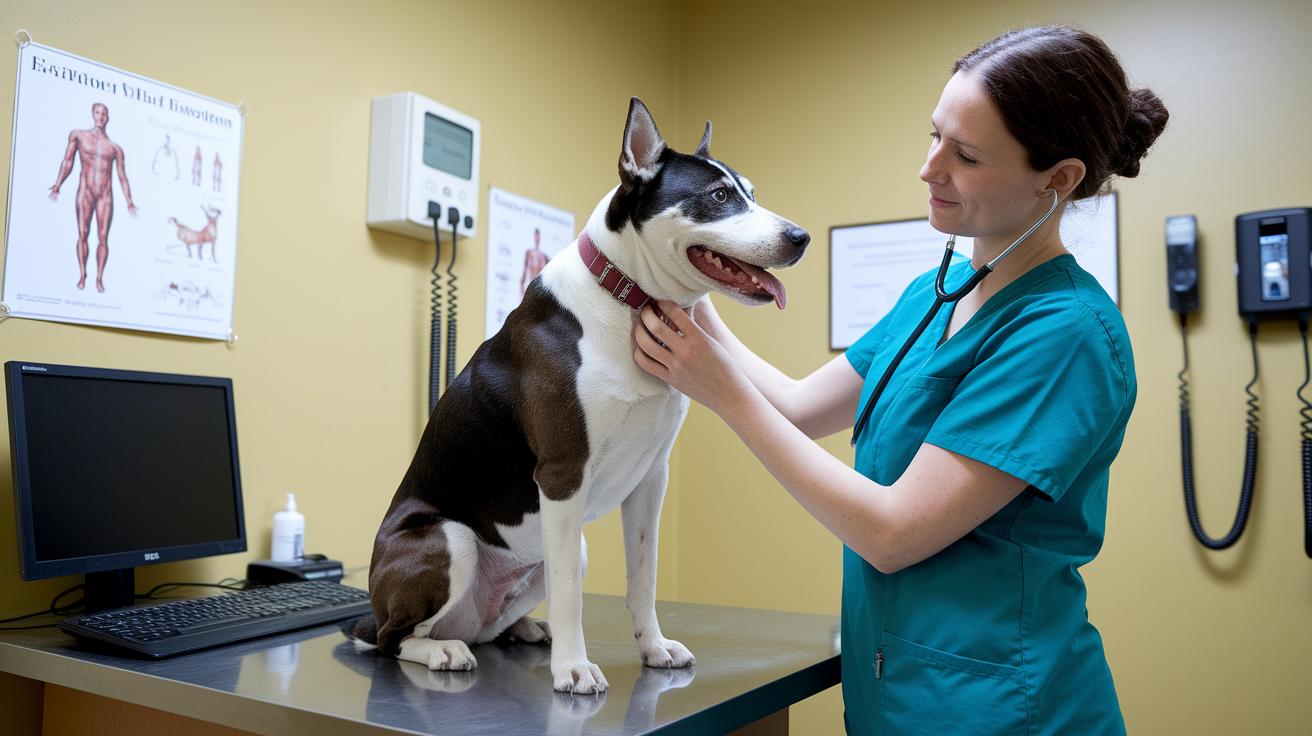
We suggest a yearly exam for healthy adult pets and twice-yearly check-ups for older or at-risk pets. At these visits, your vet checks essentials like temperature, heart rate, weight, and overall body condition. Even a small drop in weight can be an early sign of something off. Did you know that a tiny shift in weight might signal early issues such as diabetes or thyroid problems?
Your pet’s exam often includes simple blood tests like a CBC (complete blood count) and other panels to see how well their body is working. A urinalysis helps check kidney and bladder health and can even spot hidden infections, while early cancer screenings may catch problems before noticeable symptoms appear.
These regular check-ups are designed to spot issues early, so your pet can get treatment quickly and stay happy and healthy.
Immunization Timeline in Pet Preventive Care Guide
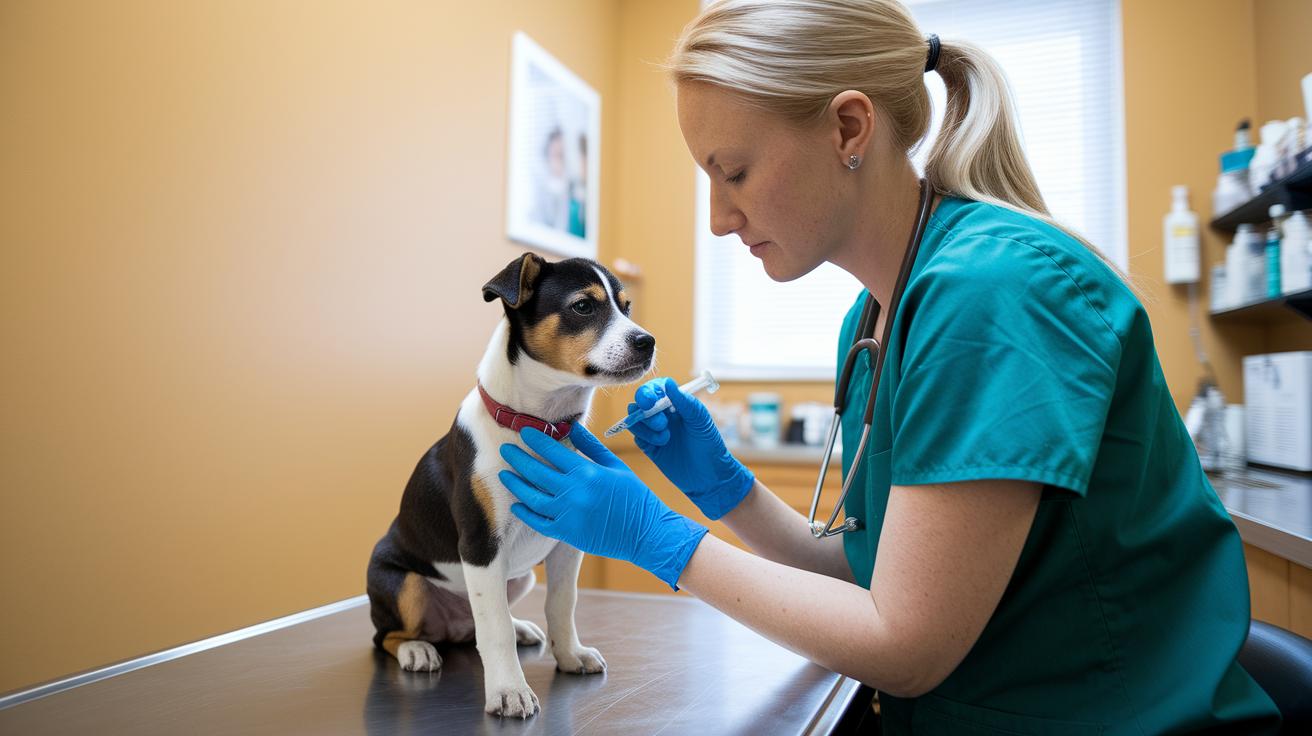
Starting your pet off on the right foot is key. For puppies, you give shots for distemper and parvovirus at 6–8 weeks, again at 10–12 weeks, and one last time at 14–16 weeks. A rabies shot usually comes between 12–16 weeks with boosters after that, either yearly or every 3 years, depending on where you live. Each shot builds a stronger shield as your puppy grows.
Kittens follow a similar plan. They get their panleukopenia, calici, and rhinotracheitis shots at 8, 12, and 16 weeks. A rabies vaccine is given around 12 weeks, keeping in mind both the law and your kitten's developing immune system. This helps make sure that the natural drop of mom’s antibodies doesn’t stop the vaccine from working well.
Even as your pet grows up, boosters are important. These shots help keep them safe from serious diseases and lower the risk for others. Always follow your vet’s advice and note down all vaccination dates. This way, your pet gets the care it needs from playful puppy or curious kitten days to a calm, happy adult life.
Nutritional Planning in Your Pet Preventive Care Guide
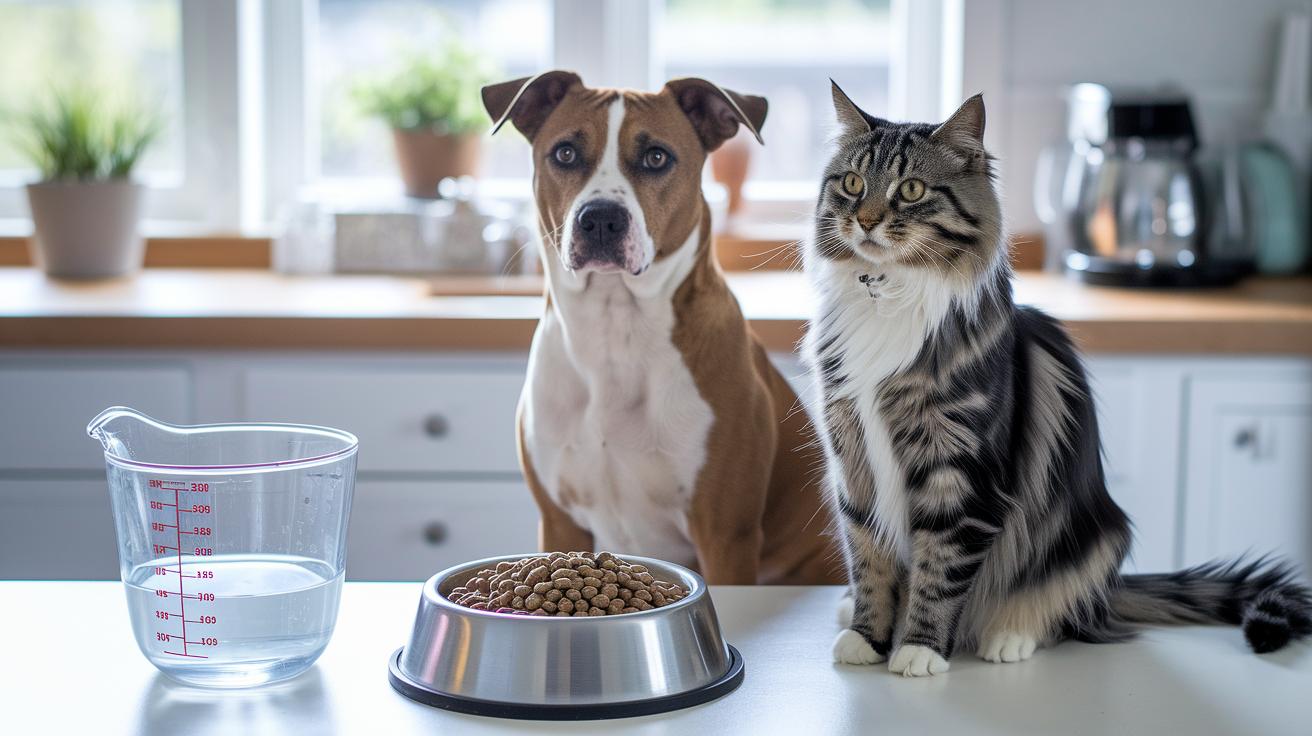
Eating the right food helps your pet stay happy and healthy. We suggest measuring their food based on their weight. Many dogs do well with about 2-3% of their body weight every day. Puppies need 3-4 meals daily to keep up with their fast energy. Adult pets usually get 2 meals a day. Older pets might do better with smaller, more frequent meals since their metabolism slows down. A diet full of lean proteins and fiber supports overall well-being. Life-stage formulas are made for each age group so your pet gets the right nutrients at the right time.
You might also add extra supplements to boost coat and joint health. Omega-3 fatty acids or fish oil can help keep their coat shiny and ease joint aches. Probiotics for Dogs (https://goodpawsgoodcause.org?p=92) can also help with digestion. With good weight management, you can help avoid obesity and other issues. Here is a sample feeding schedule:
- Puppies: 3 meals daily (e.g., 7 AM, 12 PM, 5 PM)
- Adults: 2 meals daily (e.g., 8 AM and 6 PM)
- Seniors: 2 smaller meals daily with gentle tweaks as needed
Parasite Prevention Strategies in Pet Preventive Care Guide

In warm weather, parasites can quickly become a problem for your pet. We know you want your pet to be safe and comfy, so we recommend a year-round plan. This helps protect against fleas, ticks, heartworms, and intestinal parasites that can cause infections like Lyme disease.
For fleas and ticks, you can use a monthly topical treatment with selamectin (a liquid you apply on your pet's skin) or give an oral fluralaner treatment every 12 weeks. For heartworms, monthly ivermectin is a strong guard for your pet's heart.
Deworming is also very important. For puppies, treat them at 2, 4, 6, and 8 weeks, then every three months. For adult cats, deworm every two months.
- Fleas: Use a monthly topical selamectin or an oral fluralaner every 12 weeks.
- Ticks: The same monthly treatments help prevent ticks.
- Heartworms: Give monthly ivermectin to keep your pet's heart safe.
- Intestinal Parasites: Deworm puppies at 2, 4, 6, and 8 weeks then quarterly; deworm adult cats every two months.
Regular check-ups with your vet can help keep your pet healthy. They can guide you on when to change treatments to stop parasites from becoming resistant. Staying on top of parasite prevention is a caring way to keep your furry friend happy and ready for fun every day.
Dental and Hygiene Practices in Pet Preventive Care Guide

Keeping your pet's mouth clean is very important. By age 3, almost 80% of dogs show signs of gum disease. Brushing your pet's teeth daily with dog toothpaste helps fight plaque. A weekly dental chew with natural enzymes keeps their breath fresher. It’s a good idea to have a professional cleaning each year so any problems can be spotted early.
Good oral care goes hand-in-hand with the rest of your pet's grooming. A monthly bath with a gentle, pH-balanced shampoo keeps their skin calm and coat shiny. Brushing once a week with a tool like the Slicker Brush prevents mats and tangles. Weekly ear checks and cleanings help catch issues before they worsen. A monthly nail trim keeps your pet comfy and safe from accidental scratches.
| Task | How Often | Details |
|---|---|---|
| Dental Care | Daily & Weekly | Daily tooth brushing, weekly enzyme chews, yearly professional cleaning |
| Ear & Coat Care | Weekly & Monthly | Weekly ear cleanings, monthly bath with gentle shampoo, weekly brushing with Slicker Brush |
| Nail & Grooming | Monthly | Monthly nail trims and overall hygiene checks |
Exercise and Enrichment in Pet Preventive Care Guide

Daily play keeps your pet healthy and happy. We recommend about 30-60 minutes of exercise each day for dogs. Walks, games like fetch, or even a little chase in the yard help burn energy and boost fitness. For cats, try 15-30 minutes of interactive play with wand toys or puzzle feeders. Even a quick play burst can make your pet more alert and cheerful.
Giving your pet mental challenges is as important as physical play. Short training sessions or switching up toys during the week can prevent boredom. You might play a bit before mealtime or during a break at home. Mixing gentle exercise with fun brain games helps your pet stay sharp and content every day.
Early Illness Detection in Your Pet Preventive Care Guide

Keep a weekly journal of your pet’s usual habits. Jot down notes like how much they eat, their energy, potty habits, and the look of their fur. For example, you might write, "Today, I noticed Max was a bit tired and skipped his breakfast." This simple record helps you see small changes before they grow into bigger problems.
Take a few minutes once a month to give your pet a full body check at home. Feel their lymph nodes, look at their gums, and listen to their breathing. Watch for signs like unexpected weight loss, coughing, vomiting, skin bumps, or odd behavior. It’s like doing a check-up at home. If you see any changes, maybe it’s time to call your vet.
Using a weekly log with a monthly check-up helps you stay ahead of potential issues. This little extra effort makes sure your pet gets care quickly. It’s one way to help keep your furry friend healthy and happy.
Life Stage Considerations in Pet Preventive Care Guide

Every stage in your pet's life needs its own kind of care. When your pup is young, they need fun social play, important vaccines, and food that helps them grow strong. Caring for an adult means scheduling a yearly visit with the vet, cleaning their teeth, and keeping an eye on their weight. Older pets do best with check-ups every six months to spot signs of arthritis, thyroid, or kidney issues early. Adding joint supplements and offering food made just for seniors can help them feel comfy and active.
| Life Stage | Exam Frequency | Focus Areas |
|---|---|---|
| Puppies | Every 3-4 months | Social play, key vaccines, growth food |
| Adults | Annually | General check-ups, teeth cleaning, weight watch |
| Seniors (7+ years) | Biannually | Screenings for arthritis, thyroid, kidney; joint support |
You can tailor your pet’s care plan as they grow and change. For little puppies, try to give them gentle social time and follow their immunization schedule closely to build a strong start. Adult pets need a steady routine with regular vet visits, careful attention to their weight, and routine dental care. When your pet becomes a senior, focus on early screenings to catch any issues and consider adding special supplements or diets to keep them playful. Plus, spaying or neutering at about six months can help lower the risk of certain cancers. Working with your vet makes sure your pet gets the right help at every age so they stay happy and healthy.
Creating a Safe Environment in Your Pet Preventive Care Guide

We start with making your home a safe place for your pet. First, pet-proof indoors by removing harmful plants and tucking away electrical cords so your curious pet stays safe. Next, add mats with extra grip in areas that might be slippery. These steps help create a calm space where your pet can wander freely.
Outside, simple changes bring big safety benefits. Make sure your yard has strong fencing to keep your pet secure. Provide plenty of shade and fresh water to help beat the heat. Always watch your pet during outdoor play so they don't wander off. Also, consider microchipping and crate training for extra safety when traveling.
- Clear away toxic plants and harmful chemicals.
- Secure electrical cords out of reach.
- Use non-slip mats in slick spots.
- Put up sturdy fencing and offer shade.
- Keep water available and supervise outdoor play.
Final Words
In the action, this post walked through key steps like vet check-ups, age-specific vaccines, balanced nutrition, parasite control, dental care, exercise routines, early detection, life stage planning, and safe environments. Each part builds a complete pet preventive care guide for keeping your beloved pet healthy.
We've covered practical tips to make care easy and impactful. Stay positive and enjoy every moment with your pet knowing you’re giving them the best care possible.
FAQ
What is a dog preventive care plan?
A dog preventive care plan means setting up regular vet visits, vaccines, parasite checks, proper diet, and exercise routines. This proactive plan helps catch health issues early and keeps your pet happy and healthy.
What does veterinary preventive care include?
Veterinary preventive care includes routine exams, scheduled vaccinations, parasite control treatments, dental checks, and nutritional advice. These steps work together to extend your pet’s life and improve their overall well-being.
How do I find preventive care for dogs near me?
Finding preventive care for dogs near you involves checking local veterinary clinics or pet health centers. You can also ask for recommendations from trusted pet parents or search online for nearby services that offer routine wellness plans.
What services are offered by Preventative Pet Health of Michiana?
Preventative Pet Health of Michiana offers routine exams, vaccinations, parasite control, dental care, and nutrition guidance. These services are designed to support your pet’s ongoing health with comprehensive preventive care.
What are responsible pet ownership guidelines?
Responsible pet ownership guidelines include regular veterinary visits, balanced nutrition, daily exercise, consistent dental care, and a safe home environment. Following these steps helps prevent health issues and ensures a long, happy life for your pet.
What should I know about pet insurance?
Pet insurance can help manage unexpected veterinary costs by covering accidents, illnesses, and sometimes routine care. It offers financial peace of mind when your pet needs care, making it easier to afford timely treatments.
What are the Aaha AVMA feline preventive healthcare guidelines?
The Aaha AVMA feline preventive healthcare guidelines recommend regular vet visits, age-appropriate vaccinations, parasite prevention, dental care, and nutritional planning. These practices help maintain your cat’s health and prevent common feline conditions.