


Are you excited to welcome a new furry friend into your home? We put together a simple guide just for you.
We share easy tips to help you set up a safe, fun space for your pet. You will learn how to create a play area, make a daily routine, and plan that important vet visit.
Every step builds a foundation for many happy moments. This guide shows you how to turn your home into a safe haven where your pet can thrive and you both enjoy your everyday bond.
Essential Overview: Your New Pet Owner Care Guide
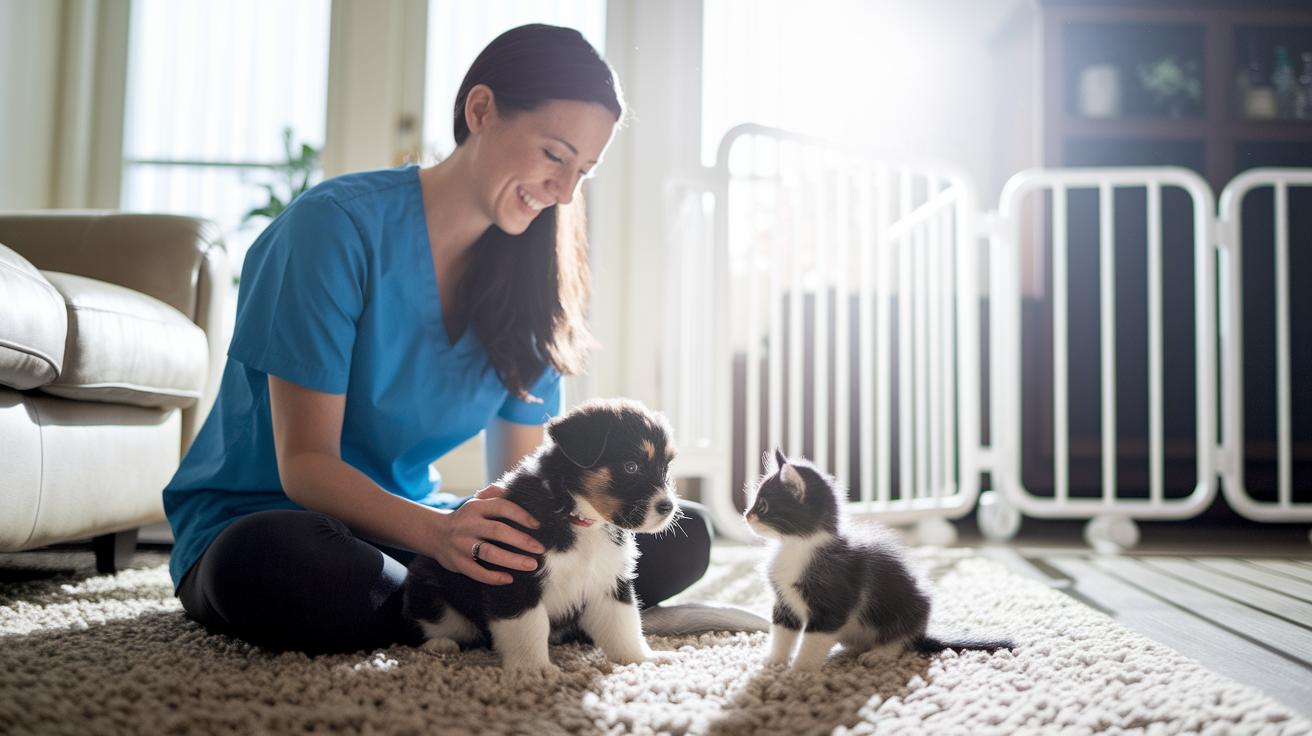
Welcome to your new role as a pet parent. This guide is made for first-timers with puppies, kittens, and small animals. The first year is very important for your pet's long-term health. We offer simple, step-by-step tips to help you start daily routines, from making your home safe to scheduling an early vet check-up.
Did you know that a steady routine can reduce stress for both you and your pet? Our advice is clear and easy to follow, so your pet can settle in happily.
We cover key areas to help you care for your new friend:
By following these steps, you help create a loving and safe home where your pet can thrive. Enjoy each little moment together.
Preparing Your Home in the New Pet Owner Care Guide

Making your home safe for your new pet is as important as child-proofing your house. Start by getting rid of hazards like loose wires, toxic plants, and small things your pet might chew on. As you set up a pet-friendly area, make sure there’s plenty of room to play and some quiet corners to relax. Get your house ready before your pet steps through the door. And remember to plan a vet check within the first week to help keep your pet healthy. It’s like laying the first brick for a secure, loving home.
- Lock up cabinets that hold cleaning supplies or breakable items.
- Put up pet barriers or block off stairs.
- Secure furniture so it won’t tip over.
- Hide or cover loose wires and cords.
- Move toxic plants or keep them out of reach.
- Set aside a spot with food and water bowls, a collar, leash, bed, toys, and a litter box.
Taking these steps now means peaceful and joyful moments later. By making each room safe and cozy, you turn your home into the perfect haven for your newest family member.
Nutrition Guidelines in the New Pet Owner Care Guide

Picking the right meals for your pet is key to a long, active life. You want to choose food that has a good mix of proteins, carbohydrates, and fats. For example, puppies and kittens do best with food that boosts their growing bodies, while older pets need food that keeps them lively without adding extra weight. Look for pet food that lists all the ingredients and gives clear advice for your pet's age.
Setting up a steady feeding routine is also important. Try to feed your pet small, regular meals throughout the day. This helps stop overeating and keeps the tummy happy. Keep an eye on your pet's body shape and adjust the portions if needed. A regular schedule makes mealtime predictable for your pet and helps you notice any changes in eating habits.
Water is a must-have in your pet's diet. Always make sure there is fresh, clean water available. Change the water daily, and offer more on hot days or after lots of play. Good hydration helps your pet stay energetic and ready for fun every day.
Health Monitoring and Veterinary Care in Your New Pet Owner Care Guide

It all starts with a good vet checkup when you welcome your new friend. Try to book the first visit within a week of adoption. Regular exams help catch small problems early and make sure shots are up to date. A simple dental cleaning can keep your pet from painful mouth issues. Also, checking for pests like fleas, ticks, and heartworm is very important. Following your vet's schedule sets up a strong, happy future for both of you.
| Vaccine | Purpose | Timing |
|---|---|---|
| Distemper | Stops serious viral bugs | 6-8 weeks; boosters every 3-4 weeks until 16 weeks |
| Rabies | Stops a dangerous virus | 12-16 weeks; then yearly or as needed |
| Parvovirus | Protects against bad tummy upsets | 6-8 weeks; boosters until 16 weeks |
| Adenovirus | Keeps the liver and breathing on track | 6-8 weeks with follow-up shots |
| Bordetella | Helps ward off kennel cough | As needed, often yearly |
| Leptospirosis | Fights off bacterial bugs | 12-16 weeks; then yearly boosters |
Sticking to this routine not only guards your pet from common health issues but also keeps their teeth and skin in check. Regular visits let you get updated advice as your pet grows. With care from experts, you'll build a lasting, healthy bond with your new buddy.
Behavior Training Methods in the New Pet Owner Care Guide

Getting your new puppy or kitten started on the right foot builds a strong bond for years to come. In the beginning, simple methods work best. Try teaching basic commands and setting a daily routine so your pet feels safe. Crate training and a proper litter box area help your pet know where to rest and play. These steps lay the foundation for good behavior as your pet grows.
Positive reinforcement works wonders when teaching new skills. When your pet follows a command, offer praise, a gentle pet, or a small treat. Some pet parents even use a clicker to mark the good moment. For example, reward your pet with a treat like dog training treats to show that they did well. This friendly approach builds trust and makes learning fun.
Helping your pet learn to get along with people and other animals is also key. Use gentle, steady guidance to correct habits like chewing on furniture or barking too much. Set aside time for calm play sessions and slowly introduce your pet to new people and places. This careful step-by-step approach builds confidence and shows your pet that exploring the world is both safe and enjoyable.
Grooming and Hygiene in the New Pet Owner Care Guide
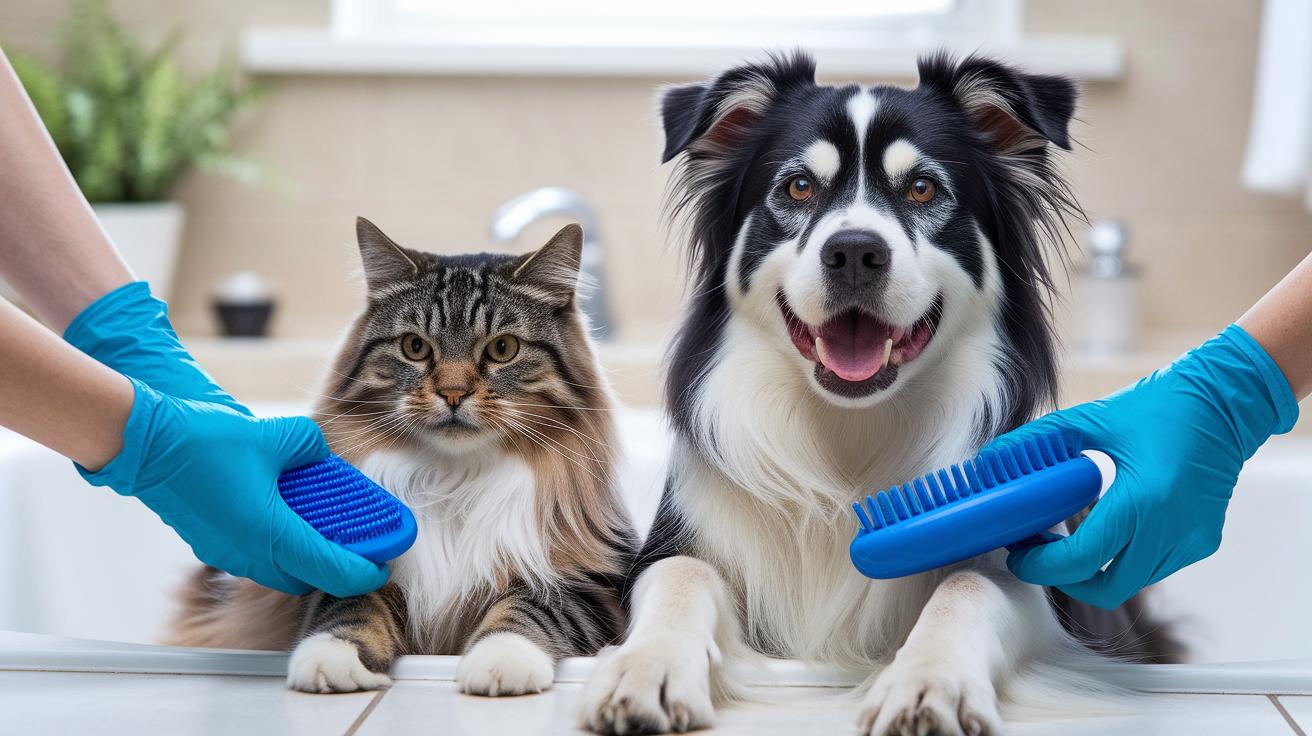
Keeping your pet clean is important for their health and happiness. Regular brushing, baths, and nail trims keep their skin and fur in good shape. Simple tools, like a grooming mitt for cats or a slicker brush for dogs, work great to remove loose fur and dander. Think of it as a gentle massage that calms your pet while cutting down on shedding. A well-groomed pet not only looks neat but feels truly cared for, making cuddle time even more special.
Dental care is just as key as keeping their fur tidy. Brushing your pet’s teeth at home and booking professional cleanings help ward off painful mouth issues. It’s also smart to check their ears and eyes often. A little care around these sensitive spots can stop infections before they start. With these simple steps, your pet stays fresh and healthy, paving the way for many joyful moments together.
Emergency Preparedness in the New Pet Owner Care Guide
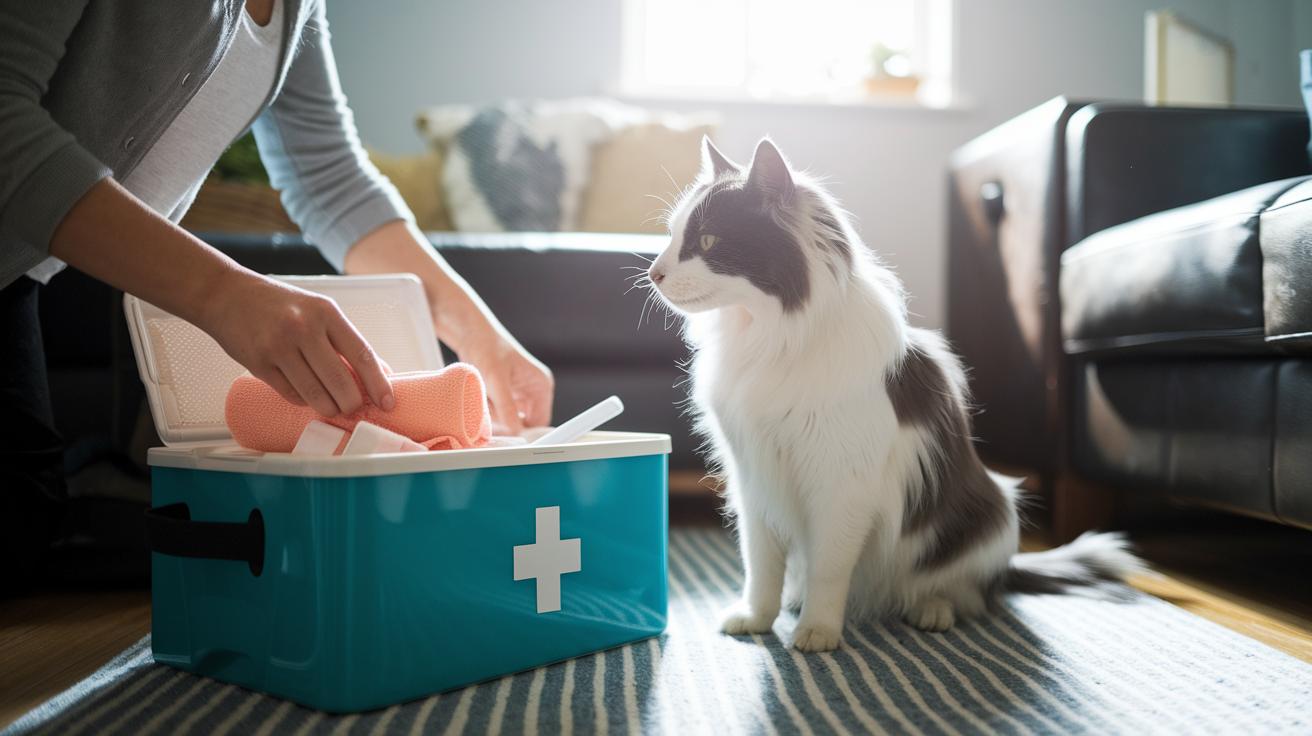
Getting ready for surprises can make a big difference for your furry friend. Start by putting together a pet first aid kit with the basics: bandages, antiseptic (a cleaning liquid to help prevent infection), and a digital thermometer. This kit helps you quickly handle minor cuts or fevers. For instance, if your kitten chews on something it shouldn’t and seems uneasy, you’ll have what you need to check for redness or swelling. Keep your kit handy, it builds your confidence when little mishaps happen.
When a bigger problem comes up, having a clear plan can guide you through choking, poisoning, or falls. Make a simple emergency plan that shows safe exit routes and a meeting spot outside your home. Think of it like running a fire drill; practicing helps so you won’t be caught off guard. A quick, calm response can really help when your pet needs care fast.
It’s also important to be careful when giving your pet medicine. Always measure doses closely and stick to your vet’s advice. Write down how much and when you give each dose. This simple step helps you avoid mistakes and keeps your pet safe during critical moments.
Final Words
In the action, we explored pet-proofing, balanced nutrition, consistent vet care, effective training, proper grooming, and emergency preparedness.
Each section offered friendly, clear steps to ease new pet care routines. The new pet owner care guide provides simple tips and practical advice throughout.
Every tip helps make pet care both reliable and kind. Enjoy the journey with your pet while making a positive impact on animal rescue initiatives.
FAQ
How to take care of a dog step by step, including a first-time owner checklist?
The guide for taking care of a dog step by step begins with pet-proofing your home, choosing essential supplies, setting routines for feeding, exercise, and vet visits, and tracking tasks on a checklist for new owners.
What are some dog health care tips?
The dog health care tips focus on regular vet check-ups, balanced nutrition, daily exercise, routine grooming, and watching for behavior changes to spot health issues early and keep your pet thriving.
What are the top 10 things a dog needs?
The top 10 things a dog needs include a safe space, quality food, regular exercise, proper grooming tools, fun toys, a cozy bed, good identification, consistent training, social interaction, and routine veterinary care.
Is there a dog care guide PDF available?
The dog care guide PDF is a handy resource that covers topics like home setup, nutrition, training, and emergency tips, making it easy for new dog owners to follow step-by-step care instructions.
How do you take care of a dog for kids?
Taking care of a dog for kids means introducing simple routines like feeding, walking, playful training, and gentle grooming while teaching safety and responsibility to build a loving bond.
What essential dog care products should I consider?
Essential dog care products include a sturdy collar and leash, food and water bowls, grooming tools, engaging toys, and a comfy bed, all designed to support your dog’s safety, comfort, and overall well-being.