
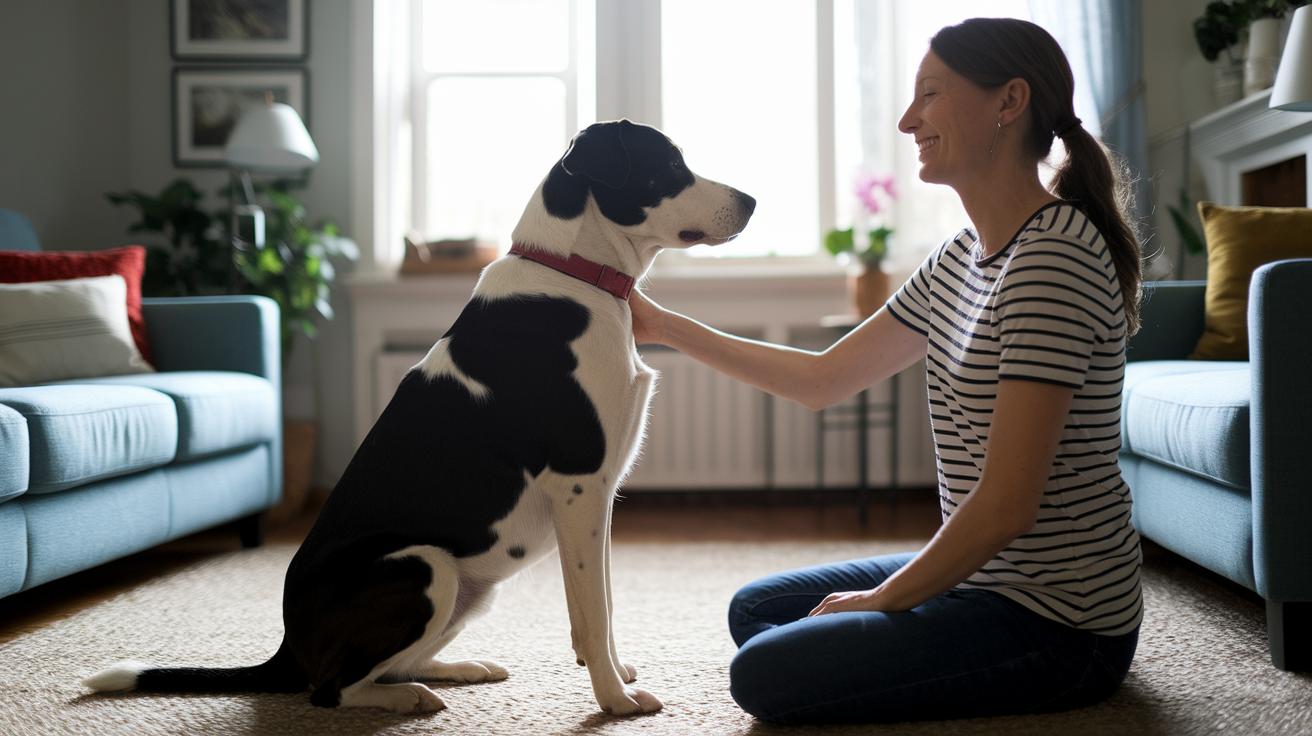

Have you ever wondered if your pup’s gentle nibble could build a stronger bond between you two?
Even if biting seems annoying, it is really one way your dog learns to communicate.
In this guide, we share a few easy tips to turn those biting moments into happy play times. Try these ideas:
• Set aside special play sessions with your dog.
• Use a simple tool like a 4 to 6 ft leash to guide your pup away from skin nips and toward approved toys.
Small changes today can lead to a happier and safer connection with your furry friend.
Quick Strategies in Dog Training for Biting to Stop Nipping Immediately

Set aside 30 minutes each day for a special play session with your puppy. This time helps your pup learn that biting is only for approved toys.
Create a safe training spot by tying your puppy to a sturdy piece of heavy furniture with a 4-6 ft leash. When you see your puppy nibbling, quickly offer a chew toy meant for play. Once your puppy bites the toy, give a quick, cheerful "good." But if their teeth touch your skin, stop the praise immediately and give a short time-out or simply ignore the bite. This pause shows your pup that skin biting stops the fun. When your puppy calms down, reward them with a treat, such as a dog training treat (https://goodpawsgoodcause.org?p=127), and warm praise.
Practice this routine daily. Over time, your pup will learn that only toy bites get your positive attention while building a stronger, joyful bond with you.
Dog Training for Biting: Essential Tools and Setup
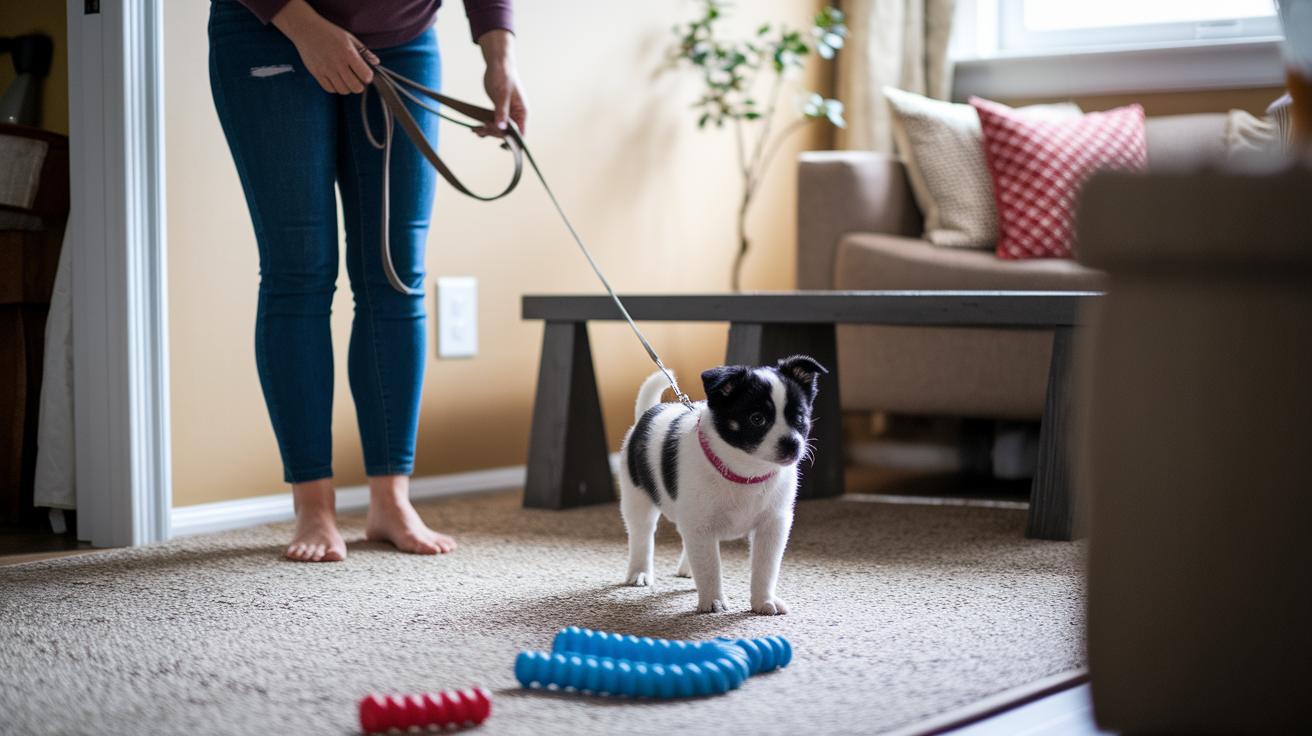
When your pup bites too hard, setting up a safe space at home is the first step. You need the right tools to guide them toward gentler chewing. Start with a 4–6 ft leash. If your pet chews a lot, a steel chain leash works best to keep them secure while they learn.
Next, add plenty of sturdy chew toys. Think of toys like Kong toys, Nylabones, shin bones, and deer antlers. These help steer your pup’s natural chewing into safe objects. Food-dispensing toys are also great. They make mealtime fun while discouraging nipping at your hands or clothes.
It also helps to attach your puppy to a heavy, stable piece of furniture for a short time. This simple trick keeps them from accidentally biting skin or fabrics. With the right setup, your pup learns that only proper chewing gets rewarded. Plus, you both enjoy a safer, happier bond.
| Tool | Purpose |
|---|---|
| 4–6 ft leash (steel chain option) | Keeps your pup secure during training |
| Kong toys | Safe chewing and food-dispensing fun |
| Nylabones & shin bones | Gentle and safe chew options |
| Deer antlers | Long-lasting chew toy |
| Food-dispensing toys | Engages your pup and redirects nipping |
Bite Inhibition Exercises in Dog Training for Biting

Spend 30 minutes each day practicing bite control with your puppy. Start by securing your puppy with a 4 to 6 ft leash tied to a heavy piece of furniture. When you see your puppy nibbling, offer a safe chew toy. As soon as your puppy bites the toy, say a quick, cheerful "good." But if your puppy's teeth touch your skin, stop the praise and give a short time-out or simply ignore them.
Once your puppy gets the hang of this playful drill, try a new challenge. Fill a Kong with crunchy kibble and slowly mix in water or a bit of mashed peanut butter or plain yogurt. For an extra twist, chill the Kong in the freezer for a short time. This fun exercise helps your pup focus on chewing and reduces unwanted biting.
Redirection and Positive Reinforcement in Dog Training for Biting

In this section, we've combined our special ideas with our quick tips and bite control exercises to keep things clear and easy to follow. For instance, we use fun games to help your pup learn to redirect biting. This merge cuts down on repeating the same points, making it simpler for you to apply these helpful training steps.
Managing Environment and Impulse Control in Dog Training for Biting

Begin by creating a clear, structured space for your pup. Tie your dog to a sturdy piece of furniture during training sessions and use a crate for quiet rest. This simple step lets your dog know there is a safe spot to relax.
Next, set up a daily routine that reduces chances for over-excitement. Plan supervised playtime when kids are near and take away toys or items that spark unwanted nipping. Mix play sessions with quiet time so your dog never feels overwhelmed. Create quiet spots in your home where your dog can settle down without distraction. A steady routine helps build impulse control and teaches your pet the difference between safe play and biting behavior.
Finally, keep the overall environment calm and predictable. Small changes in daily play and rest areas can make a big difference. These adjustments not only support effective training but also build a strong, cheerful bond between you and your pet.
Advanced Correction Strategies and Professional Support in Dog Training for Biting
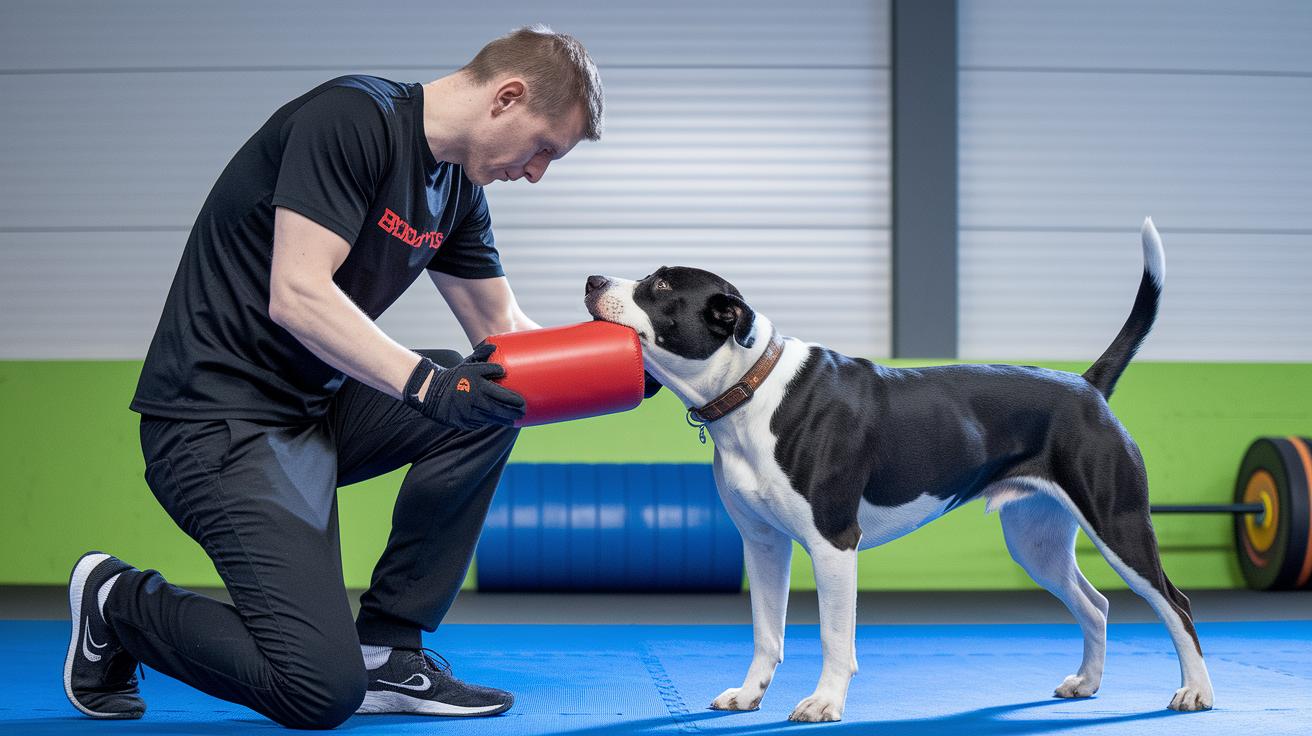
When your dog's biting doesn't improve with basic tricks, you might try more advanced training methods and even get some professional help. Techniques like bite-sleeve training or suit training offer a clear way to teach your dog what is acceptable play. Many pet parents join group classes or set up one-on-one sessions over a period of 6 to 8 weeks. There, friendly experts show you practical steps to lessen bite strength and unwanted nipping.
Another option is in-home coaching. A trainer visits you so they can see your dog's home environment and create a plan that works best for your pup. These sessions usually cost between $50 and $150 each. It is important to pay attention to early warning signs like unprovoked snapping or fear biting. These may be signs of deeper issues that need quick help.
When things feel serious, the advice of a veterinary behaviorist is very helpful. They can perform a careful check to see if anxiety, fear, or another reason is behind the biting. Sometimes, they may suggest a bit of medication along with changes in behavior training. Whether you pick one-on-one meetings or join a group class, the aim is to help your dog learn to bite less in a safe and caring way.
If your dog needs extra help, checking out additional programs in aggressive dog training can offer more ideas to help your pup learn calm and controlled behavior.
Final Words
In the action, we covered quick strategies to manage biting with structured drills and the right tools. We explored mindset shifts using redirection and positive reinforcement, and even gave tips on setting up a safe environment. Advanced methods and professional help were discussed for when biting persists. Using consistent dog training for biting techniques, you can see a change in behavior while keeping your pet safe. Keep practicing, stay patient, and remember that every small step makes a big difference.
FAQ
How does dog training for biting on YouTube help?
Dog training for biting on YouTube offers step-by-step video guides that show bite inhibition and redirection techniques, making it easy for you to learn at home with visual examples from experienced trainers.
How do I find local dog training for biting and aggression?
Local dog training options help you access classes that teach bite control and socialization skills. Search online for “dog training near me” to find group or private sessions tailored to aggressive or playful puppies.
How does training stop a puppy from biting your feet and hands?
Training to stop biting your feet and hands uses redirection to chew toys and brief time-outs when the puppy uses your skin. This helps teach them gentle play and proper bite inhibition.
How does consistent training help when my dog or puppy bites aggressively?
Consistent training reduces aggressive biting by rewarding calm behavior, using time-outs, and redirecting to approved toys. If biting persists, consider professional guidance to address underlying issues.
What dog bite training equipment should I use?
Dog bite training equipment includes durable chew toys, a 4–6 ft leash, and food-dispensing toys. These tools help tether your puppy safely while teaching them to bite only approved items during training sessions.
How do the 4 F’s of dog behavior work?
The 4 F’s of dog behavior explain natural reactions: fight, flight, freeze, and fawn. These responses help you understand why your dog reacts in certain ways, especially during stress or unfamiliar situations.
What is the 3 second rule for dogs in training?
The 3 second rule for dogs means if undesirable behavior stops for three seconds, immediately reward the pause. This brief window helps reinforce calm behavior and sets the stage for consistent training.
How do dogs show apology after biting you?
Dogs often show apology after biting by appearing submissive—lowering their head, tucking their tail, or offering gentle gestures. This body language indicates they are trying to communicate remorse.
How long does it usually take to train a dog to stop biting?
Training a dog to stop biting typically takes several weeks with daily, short sessions. Consistent redirection and positive reinforcement help build bite inhibition skills over time.
How do free puppy training videos help with bite management?
Free puppy training videos provide visual guidance and practical tips to manage biting behavior. They show you bite inhibition exercises and redirection methods, making it easier to implement proper techniques at home.
How does using a spray to stop puppy biting work?
A spray to stop puppy biting makes toys taste unpleasant, which discourages biting. Use it along with redirection and positive reinforcement to safely teach your puppy to choose appropriate chewing items.