
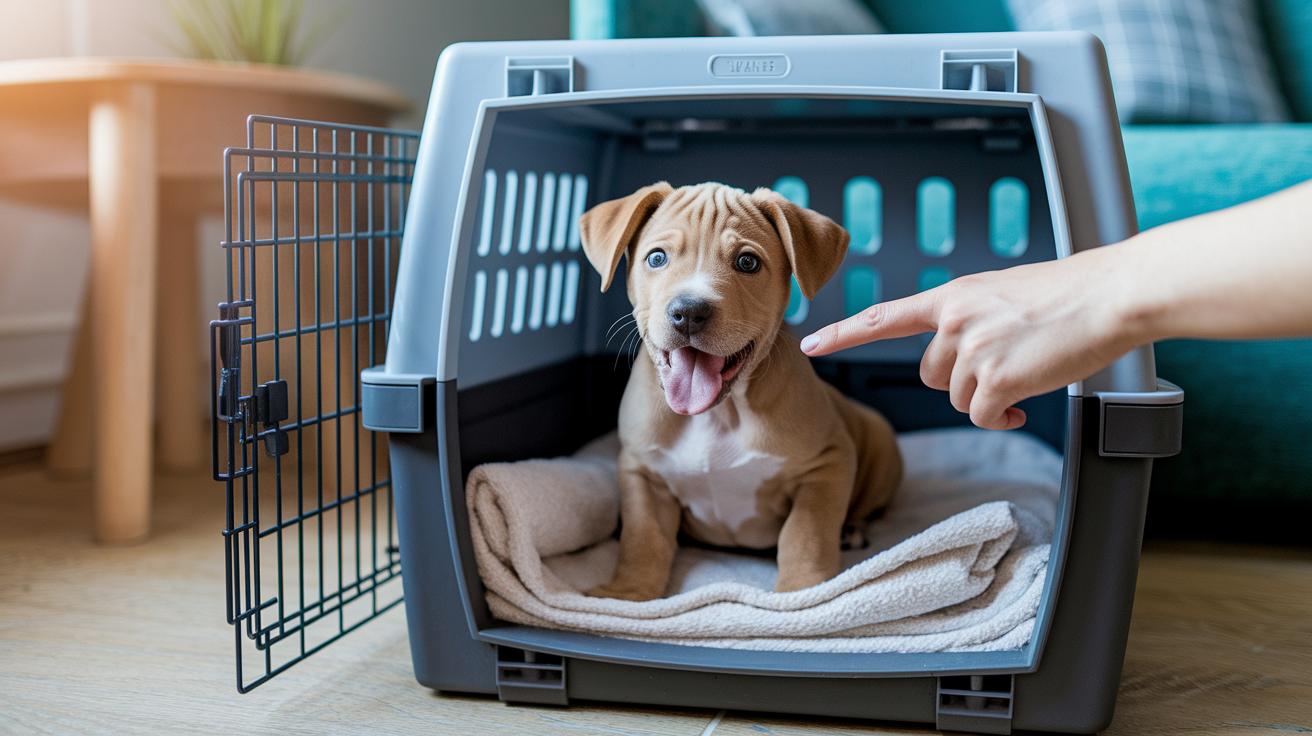

Have you ever thought a crate could be your pup’s safe haven? A crate can help set happy habits and show your pup where to go potty. It’s not just a box. It can be a cozy corner that builds trust and gives you peace of mind. In this guide, we walk you through simple steps to create a secure spot for your furry friend. Enjoy making a bright new start with your puppy.
Beginner’s Step-by-Step Guide to Crate Training a Puppy
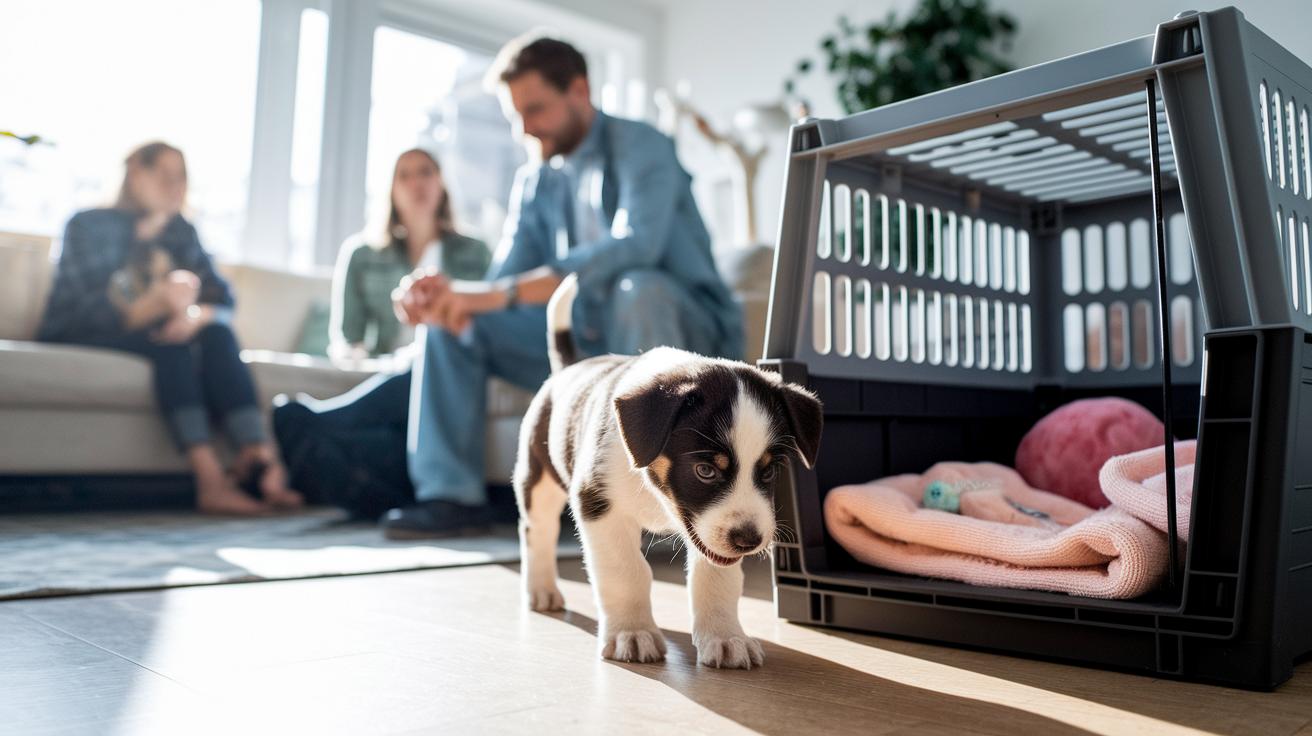
Crate training is a great way to help with potty training. It shows your puppy where to go, protects your belongings from being chewed, and gives your pup a safe spot when you are busy or away. With kind steps and practice, crate training builds good habits and lowers accidents. Try keeping sessions to about an hour, two to three times a day.
- Start by placing the crate in a common area where everyone gathers. Let your puppy explore it at their own pace. For example, leave the door open during meals so your pup sees it as a friendly space.
- Make the crate a happy place. Add a soft blanket and a favorite toy. You can also offer small treats to create a positive vibe.
- Feed your puppy inside the crate. This links good food with a comfortable environment.
- Begin with short periods in the crate when your puppy is awake and relaxed. It helps them adjust without feeling forced.
- Open the crate only when your pup is calm. If your puppy cries or whines, wait until they settle down. This teaches them that quiet behavior brings rewards.
- Slowly increase the time spent in the crate as your puppy gets used to the routine. Always praise and give a little treat when your puppy is calm and quiet.
Remember, only open the crate when your puppy is relaxed. This builds good discipline and shows them that staying calm means positive outcomes.
Choosing the Right Crate for Training Your Puppy
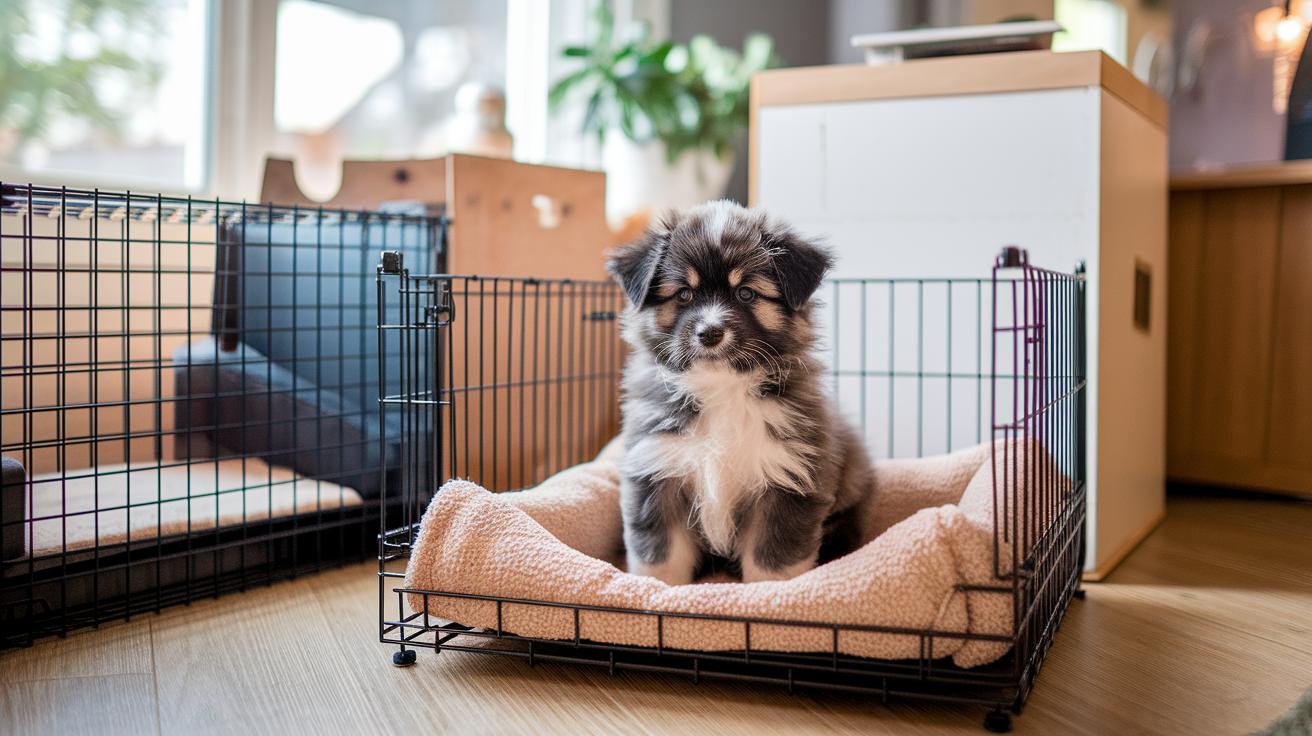
When you start training your puppy, picking the right crate matters a lot. Your pup needs enough space to stand, turn around, and lie down. At the same time, it shouldn't be too big that it invites accidents. This crate will be a cozy spot that keeps your puppy safe as they grow.
| Crate Type | Pros | Cons |
|---|---|---|
| Wire (Life Stages) | Good air flow and clear view; lightweight | May not feel as snug for some pups |
| Plastic Kennel | Feels like a warm, little den; calming | Less air circulation; might seem tight |
| Soft-sided Travel | Easy to fold and carry; very light | Not strong enough for heavy chewers |
| End-table Style | Works as furniture; looks stylish | Takes up more room and costs more |
When setting up a crate, choose a quiet spot that is still part of your daily life. This way, your puppy feels safe while still being connected to you and your family.
Preparing Your Home Setup for Puppy Crate Training
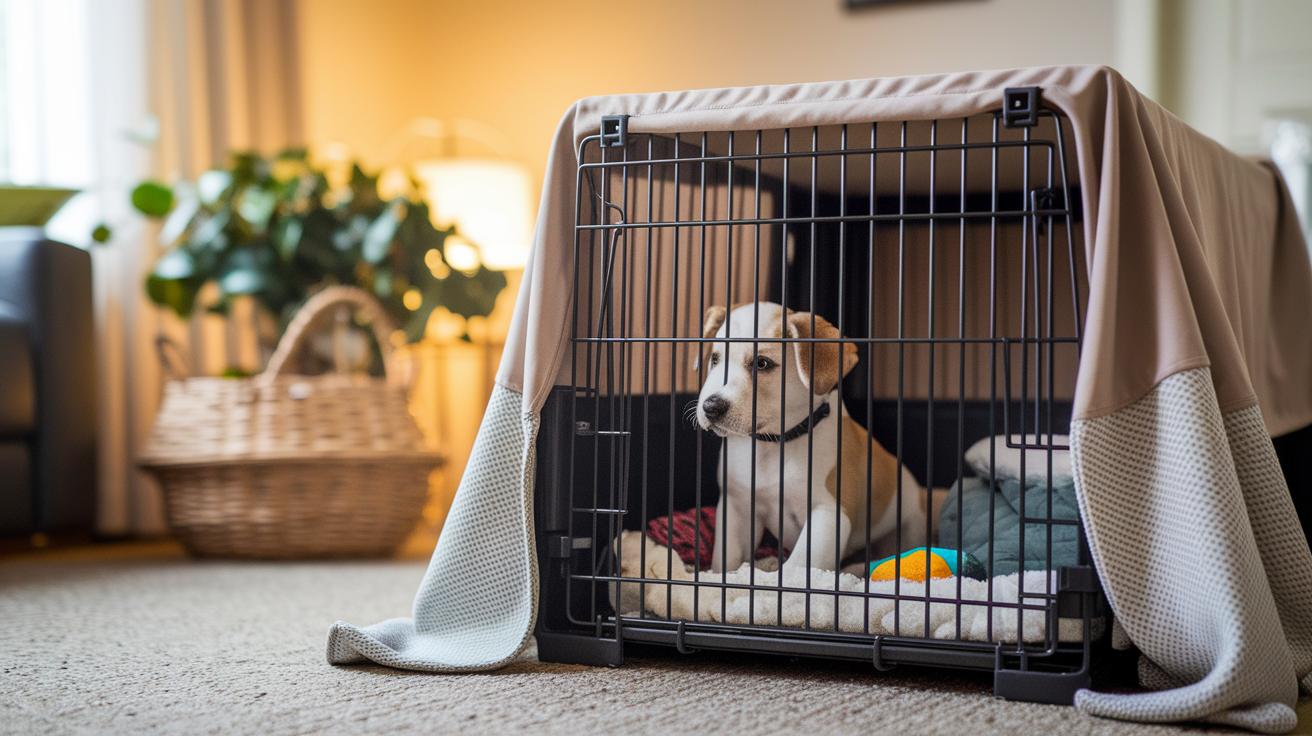
Setting up a cozy space for your puppy makes crate training much easier. When your pup has a quiet spot to relax, the crate becomes a little hideaway they can enjoy. Think of this area as a special retreat just for them.
- Bedding: Use a soft, washable bed so your puppy has a comfy place to rest.
- Blankets: Add a couple of clean blankets for extra warmth and softness.
- Toys: Include a safe chew toy or a favorite plaything to keep your puppy entertained.
- Crate cover: Put on a cover or drape to help mimic a den and reduce outside distractions.
- Scent object: Place an item with a familiar smell, like an old T-shirt, to give your pup extra comfort.
Switch these items from time to time so your little friend stays interested and happy.
Developing a Puppy Crate Training Schedule and Potty Protocol
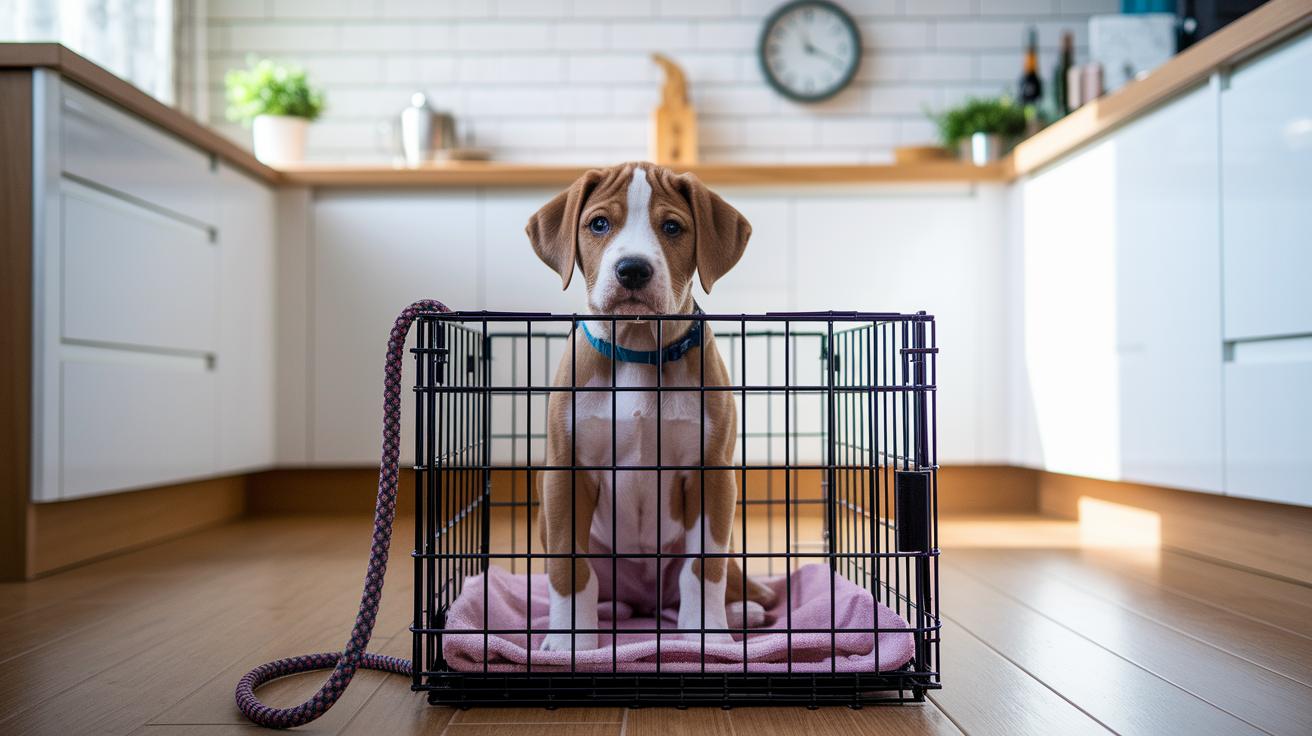
A steady daily routine helps your puppy feel safe and learn what to expect. Following a simple schedule can lead to fewer accidents, a happier pup, and a cleaner home. We suggest using 45 to 60 minute crate intervals during the day and giving plenty of breaks after meals, play, and naps.
- Wake-Up: As soon as your puppy stirs, take them outside for a quick bathroom break.
- Meals: Right after eating, step out for a potty visit. This teaches your pup that food means it's time to go outside.
- Play: After some fun playtime, return your pup to the crate for a bit of rest and then another quick outdoor break.
- Naps: Once your little one wakes from a nap, go outside to let them do their business.
- Evening Routine: After dinner and more play, plan another potty break. It helps your puppy settle down for the night.
- Overnight: Just before bed, take your pup out one last time. This can help avoid accidents during the night.
As your puppy grows, adjust the intervals as needed. If they start holding it longer or seem uneasy, slowly shift the schedule. This method builds trust in their crate as a safe space and eases the move to longer durations over time.
Troubleshooting Common Puppy Crate Training Challenges
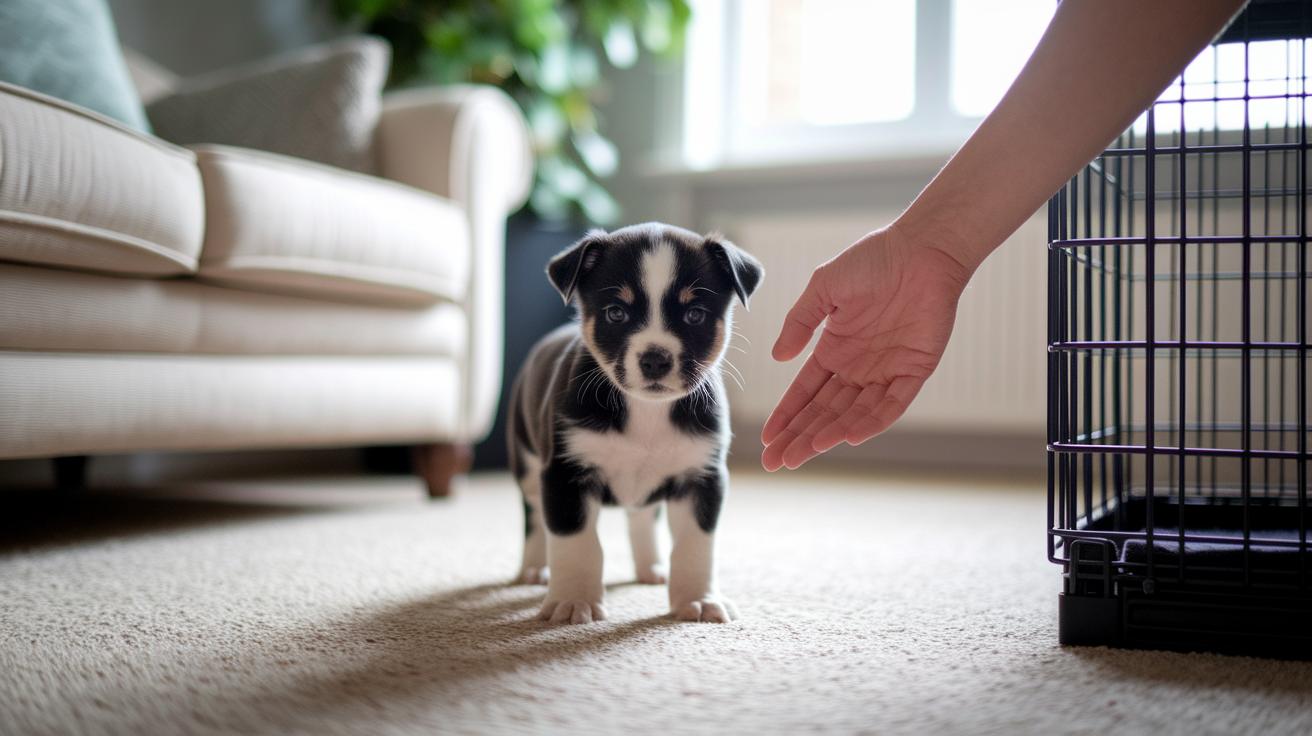
Sometimes your pup cries or howls when they feel uneasy. These sounds may signal separation anxiety or discomfort with the crate. You can choose to offer a little comfort or wait until they settle. Look for signs like pacing, restlessness, or chewing on the bars. These might mean the crate is too small or stressful.
Managing Crying and Howling
When your puppy starts crying, decide if they need a quick pat or simply some space to settle on their own. If your pup looks confused or anxious, try a gentle pat nearby. Once they quiet down, reward them with a small treat or a few kind words. Remember, patience and good timing work best.
It helps to ignore the early protests when your pup cries right after being placed in the crate. Only open the crate door when they are calm. This way, your puppy learns that quiet behavior brings attention and rewards.
Adjusting for Comfort and Anxiety
Make sure your crate fits just right. Your pup should have enough room to stand, turn around, and lie down without extra space to roam. Give your puppy plenty of exercise before crate time to ease anxiety, and slowly increase their time in the crate. You can add a soft blanket or a familiar scent item to create a safe, den-like space that helps calm them.
Advanced Techniques and Comfort Strategies for Puppy Crate Training
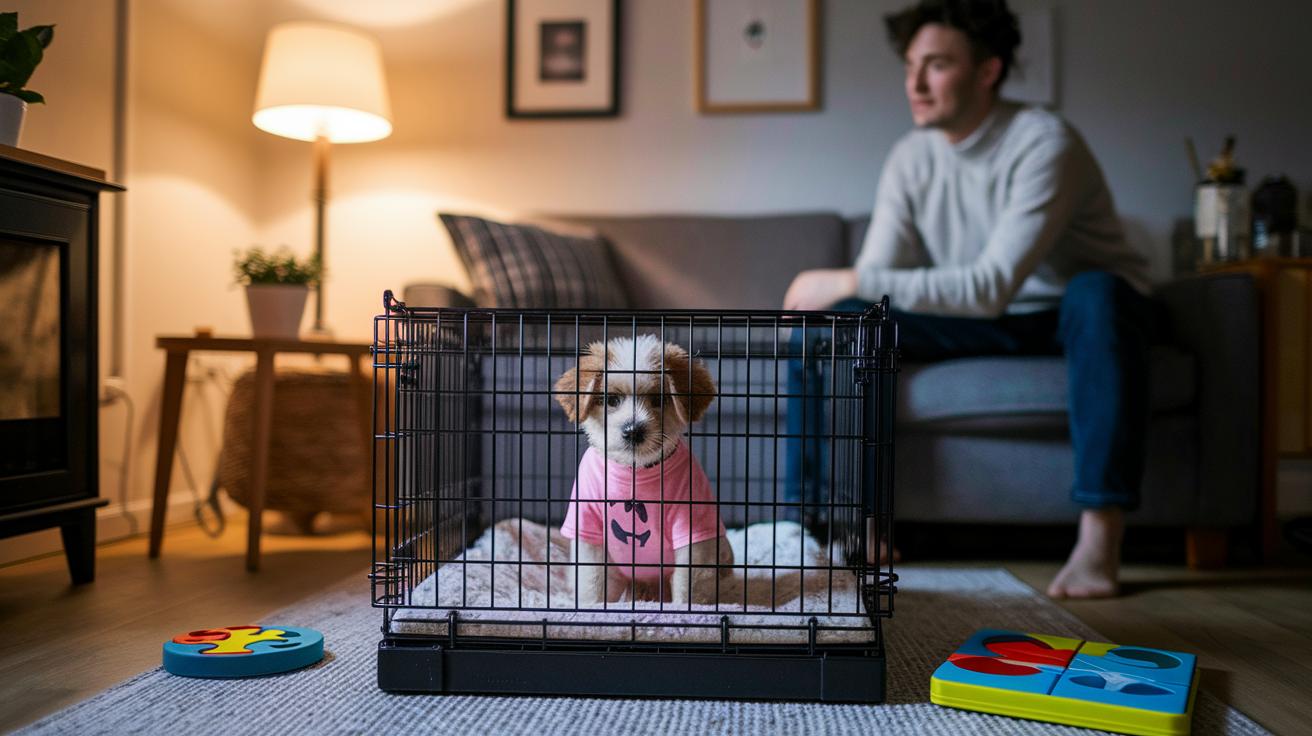
This guide helps you create a comfy, safe space for your puppy. We mix regular practice with fun methods to help your pup relax and feel secure. These tips build positive habits and make crate time something to look forward to. For example, a quick click sound paired with a treat shows your puppy that quiet moments are a win.
- Use a clicker with treats to remind your pup to stay calm.
- Play soft music or white noise to soothe your anxious friend.
- Place a familiar item, like your T-shirt, in the crate for comfort.
- Add puzzle feeders inside the crate to keep your pup busy.
- Rotate chew toys often to keep the space fresh and fun.
Each tip works to ease your puppy's stress. The clicker and treat trick quickly teaches your pup what you expect. Gentle music helps block out distracting sounds. A familiar scent feels like a hug when you're not there. Puzzle feeders and fresh chew toys make sure the crate stays interesting. Together, these methods turn crate time into a loving, secure space where your puppy can relax and grow.
Ensuring Safety, Hygiene, and Long-Term Success in Puppy Crate Training

Keeping your puppy's crate clean is really important for its safety and comfort. A tidy crate helps stop bad smells, harmful germs, and damage from chewing. We recommend cleaning the crate every week. Take out the bedding, scrub the crate with a pet-safe cleaner, and rinse it well. Clean up any accidents right away and change the liners to keep everything fresh. Also, check the crate for any rough spots or chew marks that might hurt your pup.
Crate care can change with the seasons too. In colder months, a little extra insulation can help keep your puppy warm. In summer, removing extra covers lets in fresh air to prevent overheating. Using products that are safe for your pet gives you peace of mind and helps your puppy stay healthy. A well-kept crate not only feels inviting but also lasts longer as a safe place for training.
| Task | Frequency | Pet-Safe Product Suggestion |
|---|---|---|
| Remove bedding and disinfect | Weekly | Pet-safe disinfectant |
| Clean up accidents and change liner | Immediately | Enzymatic cleaner |
| Inspect for chew marks and sharp edges | Weekly | Pet-safe repair kit |
Final Words
In the action, we explored how simple steps in crate training a puppy can create a safe and happy space. You learned why a crate aids in potty training and keeping your home safe, along with the best ways to choose and set up your pup's new haven.
We also tackled daily routines, troubleshooting, and advanced comfort tips. Every little step builds a better bond and a smoother training journey. Keep moving forward, and enjoy every moment with your furry friend.
FAQ
What is a puppy crate for?
A puppy crate is a safe space that helps with potty training and keeps your pup from getting into trouble. It gives your puppy a secure spot to rest and prevents destructive chewing.
How does crate training a puppy at night work?
Crate training at night means teaching your pup to sleep calmly in its crate. A steady routine with comfort items and treats helps reduce crying and builds positive sleep habits.
How do you crate train your puppy in 3 days?
Crate training in 3 days involves short, frequent sessions that build up crate time gradually. Rewarding quiet behavior with treats helps your puppy adjust quickly to the crate.
When should you start crate training a puppy?
You should start crate training as soon as your puppy arrives, usually around 8 weeks old. Early training sets up a good potty routine and teaches safe, calm behavior.
What does a crate training schedule for a puppy look like?
A crate training schedule includes brief sessions throughout the day, especially after meals and naps. Consistent intervals of about 45 to 60 minutes help build a routine for both potty training and relaxation.
What are the benefits of crate training a puppy?
Crate training benefits your puppy by supporting potty training, preventing destructive chewing, and creating a secure space. It builds good habits while keeping your pup safe and relaxed.
How does crate training aid in potty training?
Crate training aids in potty training by limiting accidents. Your puppy learns to hold its bladder when confined and benefits from regular outdoor breaks, establishing a reliable routine.
How should you handle a puppy crying in its crate at night?
Handling nighttime crying involves a steady routine. Comfort your puppy briefly without letting it out until calm, then reward quiet behavior to strengthen positive habits and reduce anxiety.
What is the 2:1 rule for crate training?
The 2:1 rule means rewarding your puppy twice as often for calm behavior compared to any negative actions. This system reinforces quiet, positive responses during crate sessions.
How can I stop my puppy from crying in the crate?
To stop your puppy from crying in the crate, only let it out when it’s quiet. Gently offer reassurance and reward calm behavior so your pup learns that staying calm leads to freedom.
What is the fastest way to crate train a puppy?
The fastest method involves short, frequent crate sessions with immediate rewards for calm behavior. Gradually increasing crate time with consistency and patience helps your puppy adapt quickly.
What does the 3 second rule for puppies mean?
The 3 second rule means addressing unwanted behavior within three seconds. A quick, clear response helps your puppy learn acceptable habits and reinforces positive behavior from the start.