
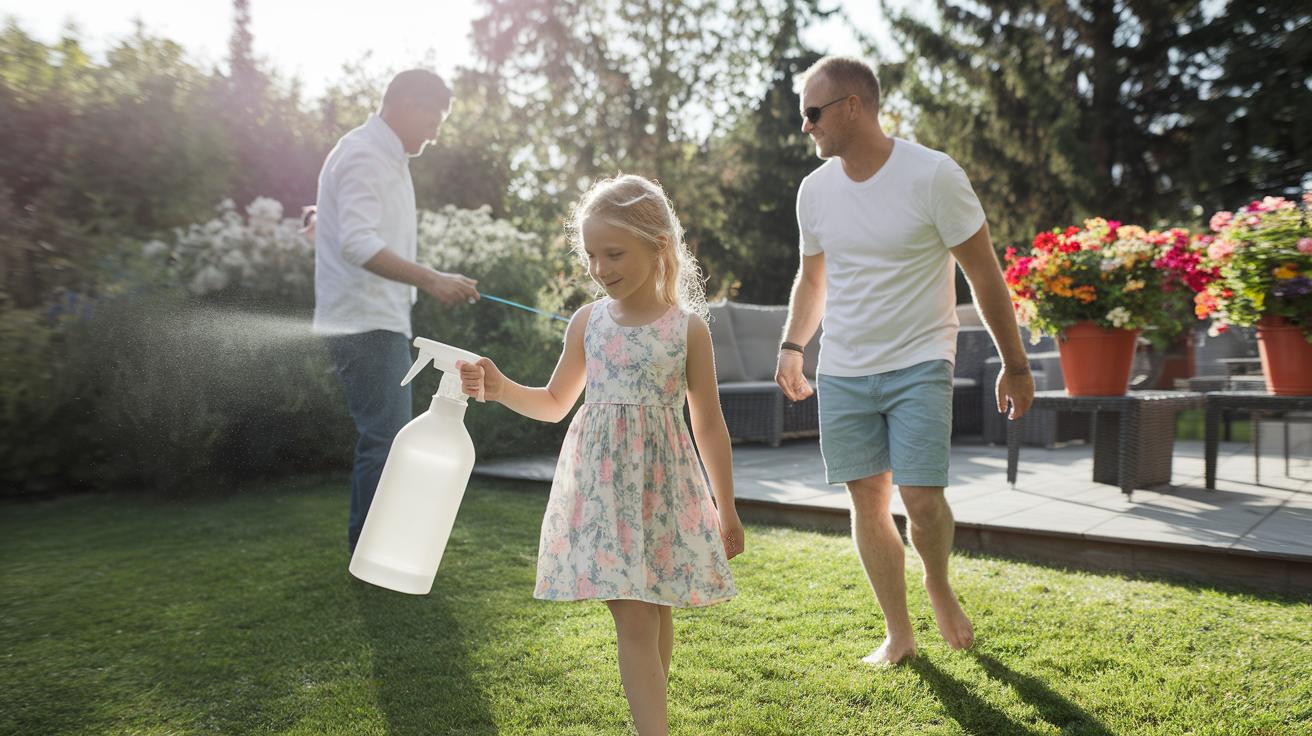

Ever wonder if your backyard might be a secret hideout for fleas? Even a little bit of wet grass or a pile of leaves under your deck can invite pests that bother your pet.
A good flea treatment for your yard does more than keep bugs away. It makes your space a happy, safe place for your furry friend. With clear, pet-safe steps, you can bring back a yard that feels cheerful and cozy.
Let’s dive into some simple tips to change a flea-friendly spot into a fun playground for you and your pet.
Effective Backyard Flea Treatment: A Step-by-Step Guide
Keeping your backyard free of fleas is key to keeping your pet comfy and safe. Fleas can cause itching and skin problems, and they may even spread diseases. Outdoor spots with lots of natural debris and damp shade, like under decks, along fences, or in shrub beds, make a perfect home for these pests. By dealing with fleas outside, you stop them from sneaking indoors and help create a healthier space for your pet.
Start by checking your yard for areas with extra trash and moisture. These spots are where fleas are likely to hide. Once you spot the trouble areas, choose a pet-safe outdoor treatment. Look for a product that uses an insect killer (like bifenthrin) along with an ingredient that stops flea growth. Whether you pick a liquid spray or a granular product, apply it directly where the fleas are. Follow the label instructions carefully, and keep your pet away until the treatment dries. Quick tip: Check these areas again later to see if they need another round.
You might notice fewer fleas within a few hours, and a big drop in their numbers over the next few days. Focusing treatment on the right areas makes this method effective for keeping your yard safe and your pet happy. For more pet care tips, check out our comprehensive pet care guide.
Recognizing Flea Hotspots and Infestation Signs in Your Backyard
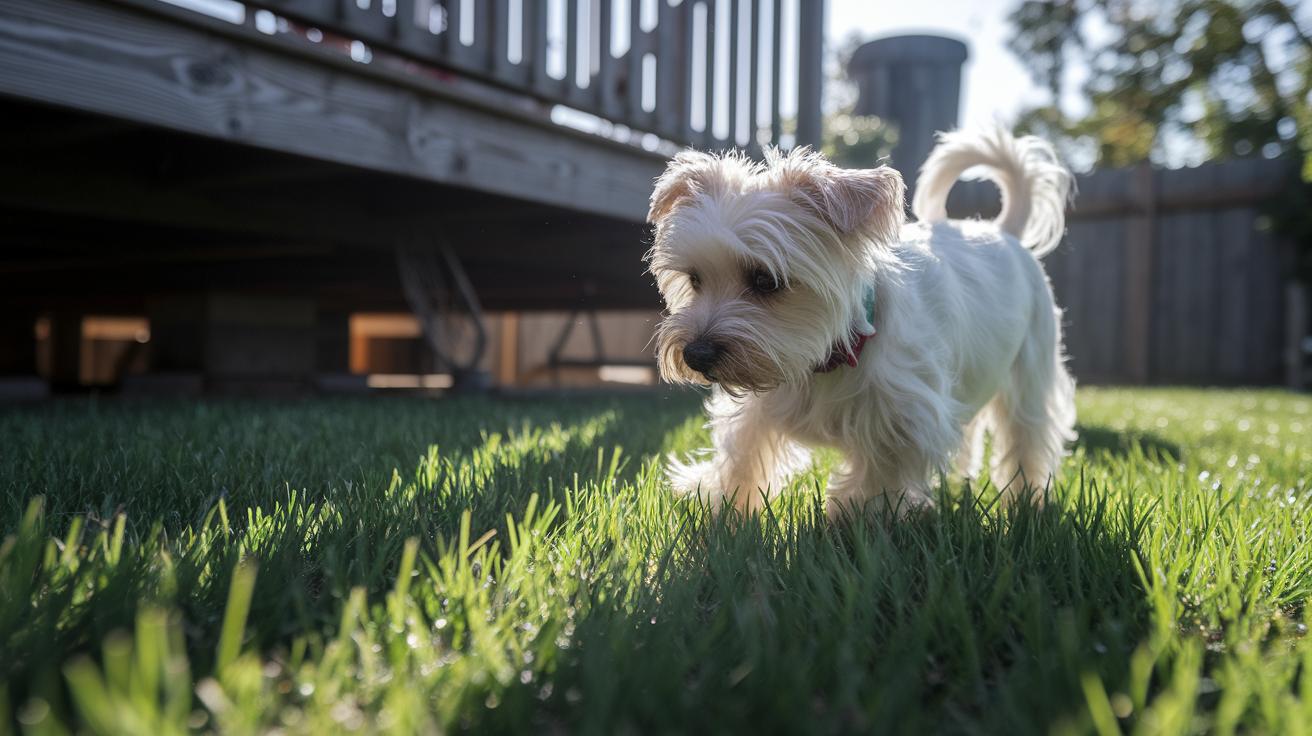
Your backyard can be a playground for fleas. They love dark, damp spots like under decks, along fences, in tall grass, or near your pet's favorite hangout. These cozy areas let fleas breed easily. Check roofs, porches, and little garden corners often. A quick yard cleanup can cut down on these flea hideouts.
Watch for signs of a flea problem. If your pet scratches a lot or you see tiny bite marks, it might be fleas. You might also spot live fleas or small black specks (flea dirt) on your pet's fur. Sometimes, you could find flea larvae in the leaves or brush. These signs mean it’s time to boost your flea control efforts.
Natural Backyard Flea Treatment Options: DIY and Eco-Friendly Solutions
Natural backyard flea treatments give you a pet-safe and effective way to handle pesky fleas. We use solutions that are gentle on your yard and kind to your pet. They cut down on chemicals and help break the flea life cycle.
Here are a few ideas:
- Beneficial nematodes: Tiny worms that munch flea larvae in less than 48 hours.
- Diatomaceous earth: A natural powder that sticks to fleas and dries them out.
- Cedar wood chips: They release a bit of cedar oil that repels adult fleas.
- Homemade essential oil spray: Mix water, a drop of liquid soap, and a few essential oils like peppermint, rosemary, citronella, lavender, eucalyptus, clove, pennyroyal, or neem for a pet-safe knockdown.
- Commercial citrus-based insecticide: Uses citrus extracts like d-limonene and linalool; you can easily apply it with a garden hose.
For the best results, focus on damp, shaded spots under decks and near fences. Apply these treatments on dry days to boost their power. Regularly clearing away leaf litter helps your yard breathe and soak up sunshine, which wards off new flea invasions. These natural methods protect your pet, your home, and our local environment.
Pet-Safe Chemical Treatments and Professional Backyard Flea Control
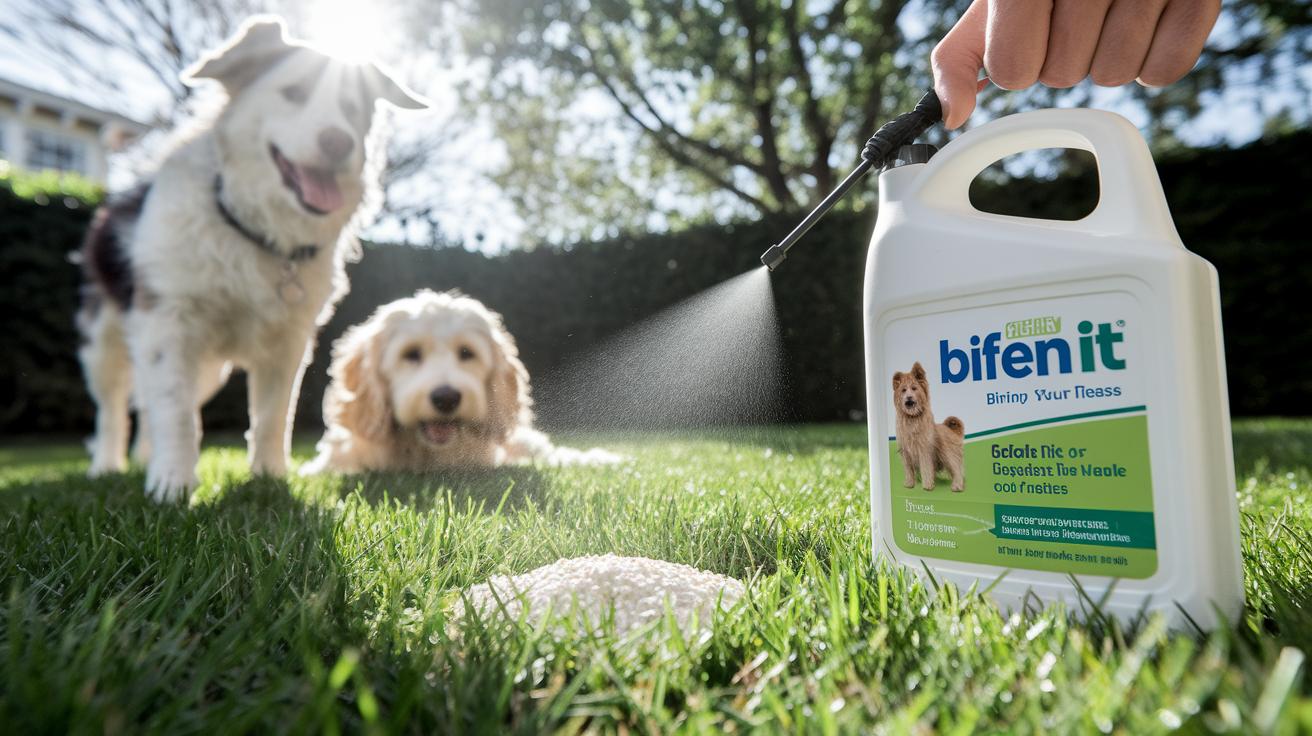
Pet-safe chemical treatments are a top choice to keep your yard flea-free. Products like Bifen IT spray and Bifen LP granules use a medicine called bifenthrin. This works with an insect growth regulator (a helper that stops fleas from breeding) to quickly cut down on flea numbers. The spray hits the grass right away, while the granules seep into the soil over time to target flea larvae. Many pet parents also choose professional pest control for extra follow-up visits that offer long-lasting protection and peace of mind.
| Product/Service | Active Ingredient/Technique | Application Method | Recommended Reapplication Interval |
|---|---|---|---|
| Bifen IT spray | Bifenthrin with an insect growth regulator | Liquid spray | Follow label directions |
| Bifen LP granules | Bifenthrin with an insect growth regulator | Granular treatment | Depends on flea activity |
| Professional service package | Expert treatment with an insect growth regulator | Customized application | Scheduled follow-up visits |
When choosing a treatment, think about your yard size, flea levels, and budget. A small yard with a few flea spots may do well with a simple spray or granules. Bigger infestations might benefit from a professional service that can reach hidden areas and treat the yard more evenly. Always follow label instructions and keep your pet away until the treatment dries. This careful approach helps create a safe outdoor space that is fun for you and comfortable for your pet.
Preventive Yard Maintenance for Sustainable Backyard Flea Treatment
Keep your yard tidy by removing fallen leaves, grass clippings, and other waste every week. This simple step helps cut off places where fleas like to hide, leaving a cleaner and safer space for your pet. Mow your grass to a medium length and trim thick shrubs so more sunlight reaches the yard. It’s like giving your yard a little refresh that also cuts down on damp corners.
Next, fix any drainage problems to stop puddles and wet spots. A dry, well-aerated yard makes it hard for fleas to survive and breed.
For long-term success, set up a regular routine to spot-treat areas that seem at risk. Try alternating between natural remedies and gentle chemical treatments. Check these spots each month and treat them in small amounts as needed. This method keeps flea numbers down without using too many pesticides, making your yard a safe haven for you and your pet.
Dog-Friendly Backyard Flea Treatment: Safety Guidelines and Best Practices

Before you start treating your yard, remember to keep yourself safe. Wear gloves, long sleeves, and eye protection while mixing and applying the flea treatment. This simple step helps you avoid accidental skin contact and keeps you safe. Most outdoor sprays are pet-safe only after they dry, so be sure to keep your dog away until the area is dry. A little tip: try treating a small spot first to see how long it takes to dry.
Choose a biodegradable or low-toxicity formula to protect your pets, wildlife, and family. After you treat your yard, watch your pets closely when they come back. You might also want to rinse their paws if they have walked on the treated surfaces. For more tips on combining outdoor treatment with home care, check our in home pet care guide.
Final Words
In the action of tackling flea infestations, we explored a variety of pet-safe methods that blend natural remedies, professional tools, and regular yard care. We broke down how to spot hidden hotspots and safely apply treatments while keeping your pets secure. By balancing effective outdoor sprays with preventive maintenance, you can achieve lasting results with backyard flea treatment. Every step helps protect your pet's comfort and supports a healthier home environment. Enjoy a fresher, safer yard today.
FAQ
How can I create a DIY backyard flea treatment?
A DIY approach means mixing water, a drop of liquid soap, and pet-safe essential oils to target flea hotspots. Always follow directions and keep pets off treated spots until fully dry.
How can I safely treat my backyard for fleas when I have dogs?
A pet-friendly backyard flea treatment involves using products labeled safe for dogs. These products control fleas while you keep your dog off the area until the treatment dries.
What flea killer is safe for my yard and pets?
A flea killer safe for yards and pets uses low-toxicity ingredients. Follow label instructions and let treated areas dry completely before reintroducing your pets.
What kills fleas in the yard instantly?
An instant knockdown of fleas can come from spot treatments with fast-acting insecticides. While fleas may drop quickly, ongoing management is needed for continuous control.
What is the best flea spray for home and furniture?
The best flea sprays for home and furniture combine a quick knockdown formula with long-lasting action. Many pet-safe brands are available that disrupt the flea life cycle without harming family members or pets.
How do I get rid of ground fleas in my yard?
To get rid of ground fleas, treat shaded, moist areas with a targeted spray or natural remedy like diatomaceous earth. Regular debris removal improves airflow and reduces flea breeding spots.
Does Dawn soap kill fleas in the yard?
Using Dawn soap outdoors can kill some fleas on contact, but it isn’t designed for lasting flea control. It is better used as a supplemental measure rather than a complete yard treatment.
What will completely get rid of fleas?
No treatment can guarantee 100% flea elimination. The best approach combines effective insecticides or natural remedies with routine yard cleaning to steadily reduce flea populations.
Is Adams Flea & Tick Home Spray effective for outdoor flea problems?
Adams Flea & Tick Home Spray is intended mainly for indoor use. For outdoor flea issues, consider products specifically designed for yards or combine it with targeted outdoor treatments.
How do products like Virbac Knockout, Vet’s Best, Raid, PetArmor, or Adams Yard & Garden Spray compare?
These products offer different formats and active ingredients to control fleas. Choose based on your yard size, infestation level, and if you need a spray or granular mix for quicker and extended results.