
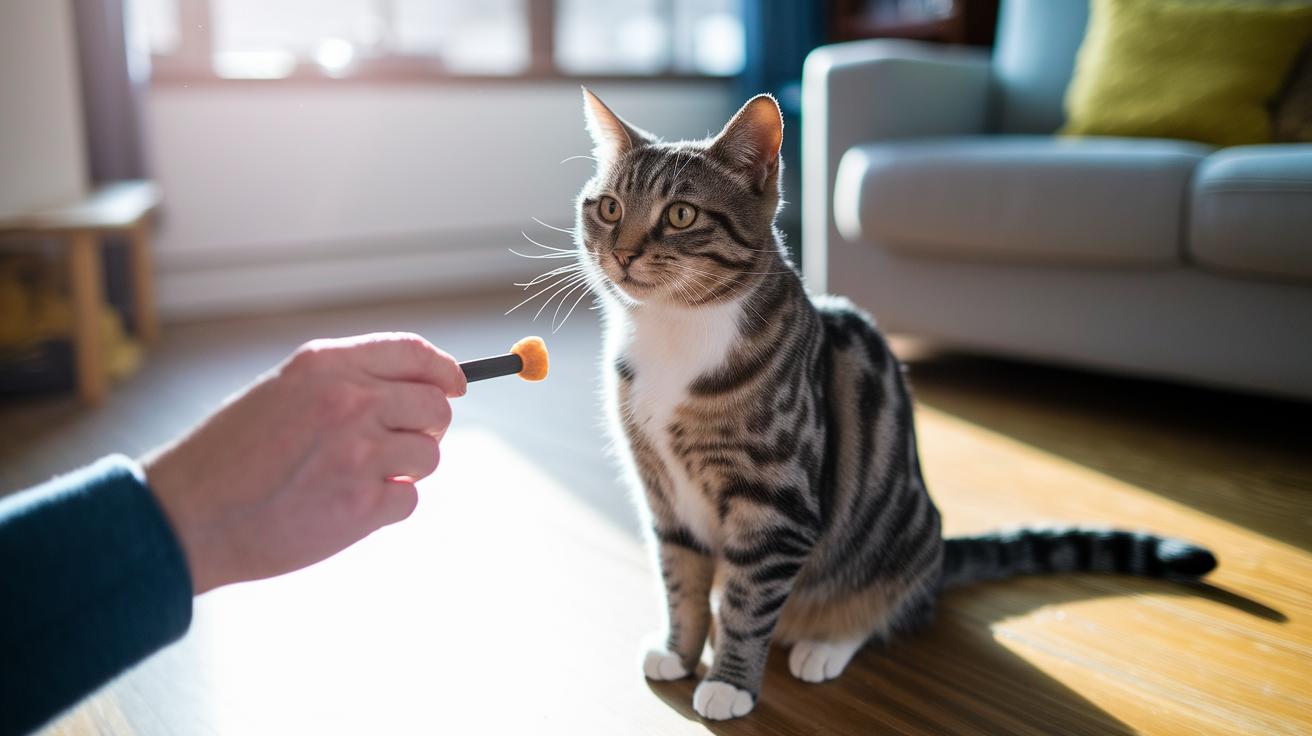

Have you ever called your cat only to hear silence? What if one simple click could change that? Clicker training uses a clear sound, tasty treats, and a bit of patience to work with your cat's natural instincts.
This guide shows you how to make a clicker-treat bond that makes training fun and deepens your connection. We give you easy, step-by-step tips to teach your cat tricks like "sit" in just a few sessions.
Curious how one small click can lead to big changes? Read on and enjoy watching your cat shine!
Starting Clicker Training for Cats: A Step-by-Step Guide
Clicker training is a fun way to teach your cat new tricks. All you need is a small clicker, a few tasty treats, and lots of patience. You might even teach a simple command like "sit" in one or two sessions. Using the right tools and a quiet spot makes the training work better. For more tips on caring for your kitty, check out our new pet owner care guide.
The trick is to build a click-treat connection. Every time your cat does something good or moves right, the click tells them, "Good job! Treat time!" Repeating this helps your cat link the sound to a reward. Start with these simple steps:
- Use the same clicker sound each time
- Choose small, high-value treats
- Find a quiet spot without distractions
- Click right when your cat makes a move
- Reward your cat within one second after the click
Keep each session short, about 5 to 10 minutes, and practice every day. This regular routine helps your cat learn faster and makes every click a moment to celebrate. Over time, this steady approach builds a stronger bond between you and your furry friend.
The Science and Benefits of Clicker Training for Cats

Clicker training works on a simple idea: a quick click sound marks the moment your cat does something good, and a treat follows right away. It is based on a science idea called operant conditioning (a way to learn by rewards). Fun fact: Before becoming a world-renowned scientist, Marie Curie carried test tubes in her pockets, not knowing the risks. It shows that sometimes, unexpected habits lead to surprising outcomes, just like how a little click can spark big changes in your cat.
Each click taps into your cat’s natural instincts, almost like the thrill of a mini hunt. That sound feels like a tiny victory for your pet, making training fun and exciting. These joyful moments of learning can help you and your cat build a closer bond.
Studies have shown that regular clicker training helps reduce biting and aggressive behavior. With each session, you and your cat learn to communicate more clearly and trust each other. Every well-placed click is a step toward happier behavior and a more confident pet.
Choosing the Right Clicker and Treat Strategies for Your Cat
When you choose a clicker, you have some neat options. Handheld clickers fit easily in your hand and work well for quick training sessions. Button clickers make a clear snap that your cat might pick up on faster. Remote clickers let you train from a short distance. The important part is to get a clicker that makes the same sound every time because that sound tells your cat which behavior earned a treat. Try a couple of different types until you find one that your cat loves.
Treats matter too. Pick small, tasty rewards that are balanced and good for your cat. Reward every 2 to 3 clicks so your cat stays excited without getting too many treats. A perfect bite keeps training fun and motivating. For more tips on choosing treats and tools, check out our comprehensive pet care guide. Stick with this plan, and your cat will soon know that each click means a yummy reward.
Planning and Structuring Home-Based Cat Clicker Training Sessions
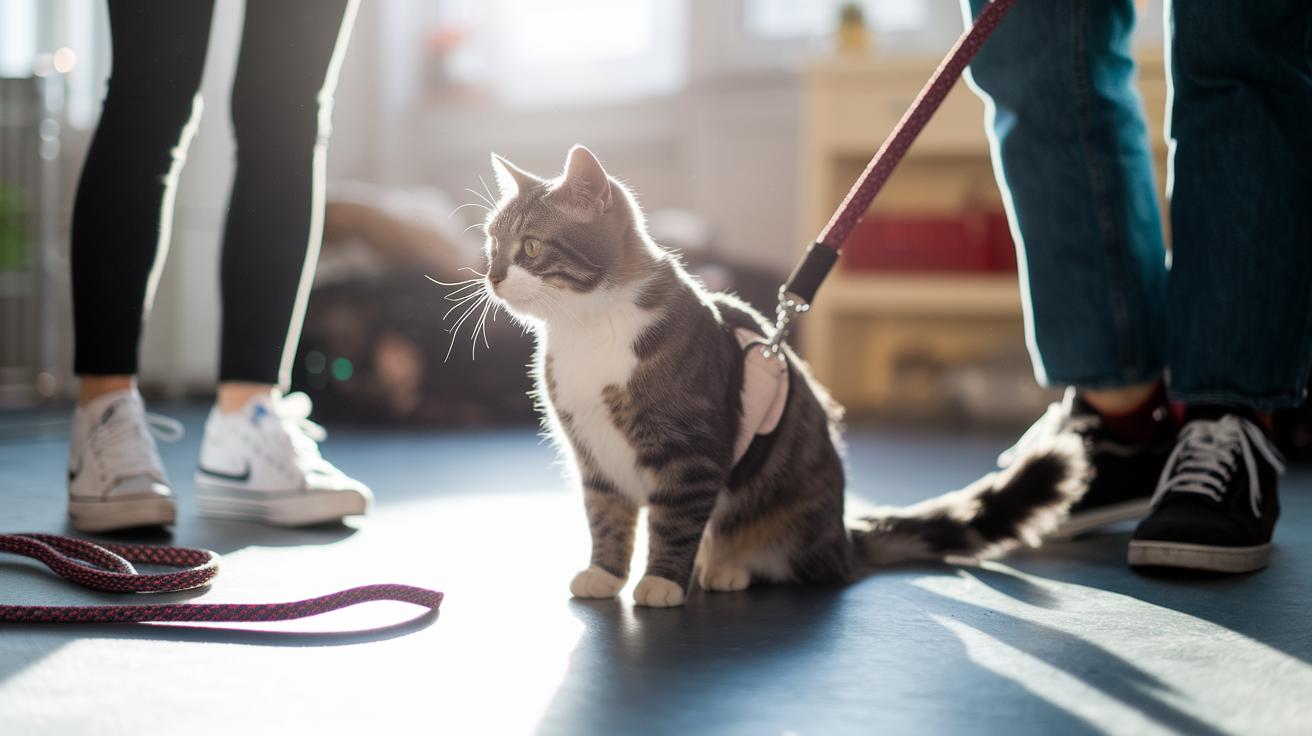
Pick a set time each day for training so your cat knows fun is on the way. Use the same sound, a quick click or the treat pouch opening, to signal that it's time. This steady routine tells your cat it’s time to focus and play.
Find a quiet, simple spot where you can train without distractions. Let your cat get used to the area and any tools you plan on using. If you want to try a leash or harness later, start by letting your cat sniff and explore them indoors. Use a few tasty treats to make the new gear feel safe. Then, slowly add the leash or harness during brief sessions while you keep the clicker and treat rewards coming.
Keep sessions short, around 5 to 10 minutes, and aim for 2 to 3 times a day in the same spot. That way, your cat won’t get tired and the training stays fun. If you decide on longer lessons, pause often so your cat can take a little break. Each little click becomes a mini celebration of progress.
Mastering Feline Clicker Training Levels: From Association to Complex Tricks
Level 1: Click-Treat Association
Start by making a quick click sound and then giving your cat a treat right away. The click tells your cat, "Good job." Soon, your cat will look for the treat each time you click. This is the basic step that helps with all the tricks that follow.
Level 2: Finger Targeting
Hold out your finger and wait for your cat to move a bit. When your cat touches your finger with its nose or paw, click and give a treat. This simple action helps your cat focus and sets you up for teaching more tricks.
Level 3: Basic Obedience (Sit)
Show your cat the “sit” command by slowly moving a treat upward. When your cat sits, click immediately and offer a treat. This clear reward helps your cat learn exactly what you want.
Level 4: Spinning
Use a treat to lead your cat in a slow circle. When your cat completes a full spin, click and treat. With practice, your cat will start spinning on cue without much help.
Level 5: Jumping
Place a treat a little above your cat’s head so it makes a small jump to reach it. When your cat jumps, click and provide the treat. This fun exercise builds both confidence and coordination.
Level 6: Shaping Complex Behavior
Break a tricky trick into tiny, simple steps. Click each time your cat makes a little move that looks like part of the final trick. This step-by-step approach makes a big trick easier to learn.
Level 7: Advanced Tricks (Roll, Agility)
Work on more advanced moves like rolling over or simple agility drills. Rolling might take some time, so be patient. Celebrate each small step as your cat gets more confident and ready for new challenges.
Troubleshooting Clicker Training: Overcoming Common Cat Behavior Challenges

Sometimes, even with a lot of planning, your cat doesn't do what you expect. You might notice that your cat isn’t responding to the click, gets too excited during training, or behaves in a mixed-up way. This can happen when the click isn't timed just right, the treats don't appeal enough, or there are too many distractions. Sometimes your cat might even get too focused on treats or show unwanted habits like chewing on plants or being restless at night. Fixing these issues early keeps training fun and helpful for both you and your furry friend.
| Mistake or Challenge | Solution |
|---|---|
| Cat ignores click | Use tastier treats and train in a quieter spot |
| Overexcited pacing | Make sessions shorter and give calm praise between clicks |
| Inconsistent marking | Time the click exactly with the behavior |
| Distractions nearby | Shift to a quieter area and remove extra toys until later |
| Slow learner | Break the trick into smaller, easy steps |
Be patient and try small changes when you face challenges. It may take a few tries to find the right fix for your cat. Keep training sessions short and fun while gradually making them a bit harder. Over time, these changes help your cat feel more confident and each click will lead to the behavior you want.
Advanced Clicker Training for Cats: Tricks, Agility, and Measuring Progress
Ready to take your cat's training to the next level? Try setting up a mini obstacle course in your living room with little jumps and tunnels. This fun setup keeps your kitty engaged and builds on what you've learned before. Next, create a safe space for a timed agility run where your cat can zigzag freely while you use your clicker as a cue. And don’t forget the hand-targeted high-five, reward your cat for a quick paw tap.
Here are some tips:
- Celebrate when your cat does a full spin, which may happen in about 3 weeks.
- For some kitties, mastering a smooth roll might take up to 9 months.
- Mix up the drills to keep things fresh and fun.
Keep track of the progress by snapping a photo or marking a treats-earned chart each time your cat hits a milestone. When your cat completes an obstacle or sets a new record for speed, take a moment to celebrate together. Just like Ambassador cats such as Captain Patch, you’ll see that advanced clicker training not only builds agility but also deepens the bond between you and your pet. Every click is a small celebration of your cat’s growing skills.
Final Words
In the action, we explored the basics of clicker training for cats.
We covered setting up your space, picking the right clicker and treats, and planning short sessions that build a strong bond with your pet.
We also talked about troubleshooting common challenges and progressing to more advanced tricks.
Every step focuses on simple, clear actions that bring fun and learning for both you and your cat.
Clicker training for cats can be a rewarding way to keep your pet healthy and happy.
FAQ
What is clicker training for cats, and are clickers good for training cats?
The clicker training for cats method uses a click as a marker paired with treats to reinforce good behavior. It helps teach tricks and stop unwanted actions when practiced with care.
How can I get free clicker training for cats?
The free clicker training for cats approach is shared on forums like Reddit where pet parents offer advice, guides, and tips without cost, so you can start training on your own budget.
What resources are available for clicker training cats, including books and kits?
The clicker training for cats book and cat clicker training kit provide step-by-step guidance with essential tools such as a reliable clicker and tasty treats, helping you start training confidently.
Which clicker is best for cat training?
The best clicker for cat training offers a clear, consistent sound and is simple to use. It pairs well with small, high-value treats to make lessons fun and effective for your feline.
What is the 3-3-3 rule for cats in clicker training?
The 3-3-3 rule for cats involves short sessions with three clicks, three treats, and three repetitions. This routine keeps training engaging and helps build focus and good habits.
What are the negatives of clicker training for cats?
The negatives of clicker training for cats include timing challenges and a learning curve for both you and your pet. Inconsistent clicks may confuse your cat and slow progress.
How do I say “I love you” to my cat through training?
The phrase “I love you” in cat training means showing affection with gentle praise, timely treats, and accurate clicks. This warm approach builds trust and strengthens your bond over time.
Who is Jackson Galaxy in relation to clicker training for cats?
The Jackson Galaxy connection in clicker training refers to his work as a cat behavior expert. He uses clicker techniques to address behavior issues and helps pet parents communicate better with their cats.