


Have you ever wondered which blade gives your pup that perfect trim? Our handy chart shows each blade size and explains the look it creates. It works for thick undercoats and gentle paw trims alike. We know a happy dog starts with proper care, and choosing the right blade is the first step to a neat, comfy look. Stay with us to find the perfect match for easy grooming sessions.
Dog Grooming Blade Size Chart Overview
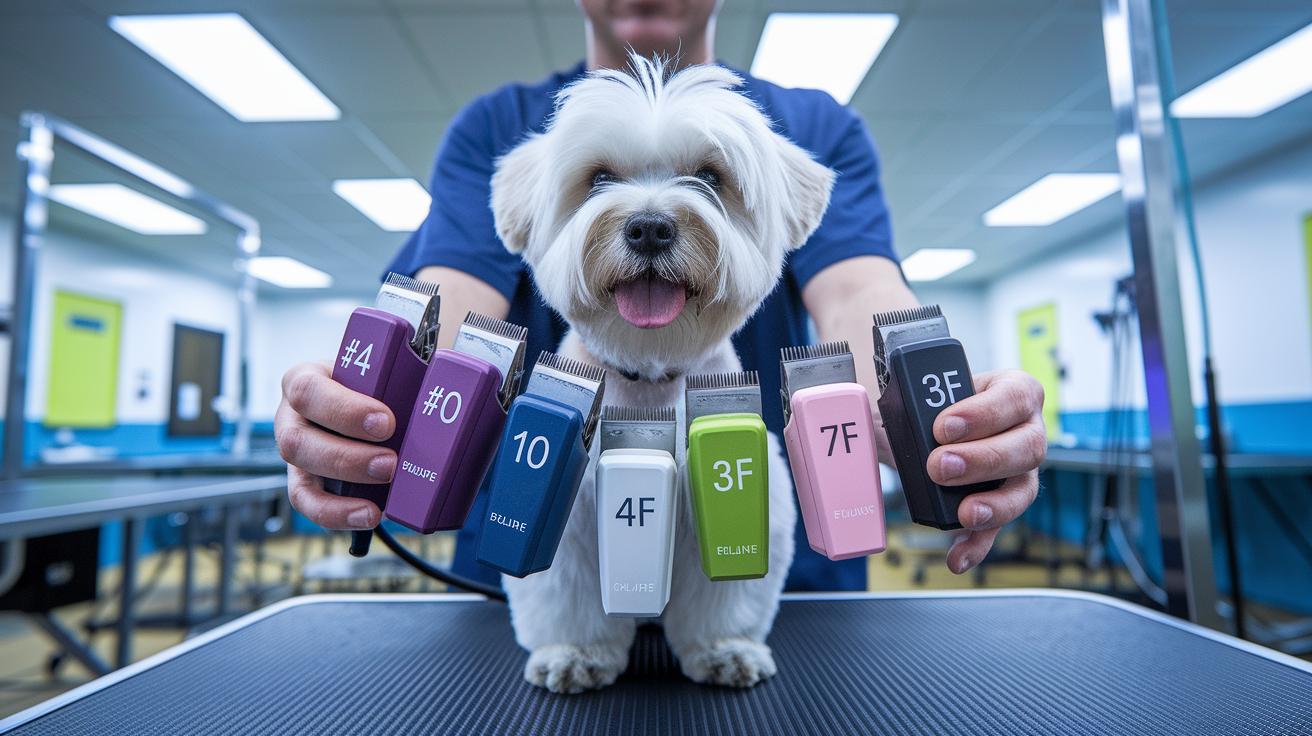
Below is a handy chart that shows you each blade size, its cutting length in inches and millimeters, and how it is best used. This simple guide helps you pick the right clipper blade for your dog's coat. For example, a #4 blade cuts at 3/8 inch (9.5 mm) and works well for medium-length coats like those on a Golden Retriever. A #10 blade, which cuts at 1/16 inch (1.5875 mm), is just right for trimming delicate areas like paws and sanitary zones. You’ll also see finishing blades such as 3F and 7F, which give the same cut as the regular ones but leave a smoother finish. Note that the #7 blade cuts differently based on your direction: 1/8 inch (3.175 mm) when you go with the grain and 1/4 inch (6.35 mm) when you go against it.
This chart is a clear, visual guide for pet parents and groomers alike. It makes it easy to find the right blade so your dog enjoys a neat and comfy trim.
| Blade Size | Cutting Length (inches) | Cutting Length (mm) | Typical Use |
|---|---|---|---|
| #3 | 1/2″ | 12.7 | Longer trims and dense undercoats |
| #4 | 3/8″ | 9.5 | Medium-length coats (e.g., Golden Retrievers) |
| #7 | 1/8″ with grain / 1/4″ against | 3.175 / 6.35 | Curly coats (e.g., Poodles) with varied texture |
| #10 | 1/16″ | 1.5875 | Precision trimming for delicate areas |
| 3F | 1/2″ | 12.7 | Finishing touches with a finer cut |
| 7F | 1/8″ with grain / 1/4″ against | 3.175 / 6.35 | Detail work on sensitive areas |
Keep this table handy during grooming sessions. It shows the blade sizes clearly so you can choose the perfect tool for your pet's best look and comfort. Happy grooming!
Selecting the Right Blade for Your Dog’s Coat

Grooming your dog is more than just picking a blade. We’re here to share simple tips that make grooming easier and keep your pet comfy. This guide covers how to move the clipper right and keep your blades in top shape.
Keeping your blades clean and well-oiled is a must. Think of oiling your blade like oiling a bike chain, it helps everything run smoothly. After each use, remove any hair and oil the blade so it stays ready for the next trim.
It really helps to work with your pet's natural hair flow. Move the clipper steadily in one direction. Try a steady glide along your dog’s coat to get a trim that looks even and neat.
Different coats need different care. Start by brushing your pet’s coat to remove dirt and tangles. Then, work in small sections:
- For thick, dense fur, use slow, small strokes.
- For tangled spots, gently comb out the knots first.
- For tricky patches, use several short strokes rather than one long pass.
When you shift between different textures, slow down a bit and use gentle pressure. This keeps your dog relaxed and helps you get a neat finish every time.
Converting Clipper Blade Lengths Between Inches and Millimeters
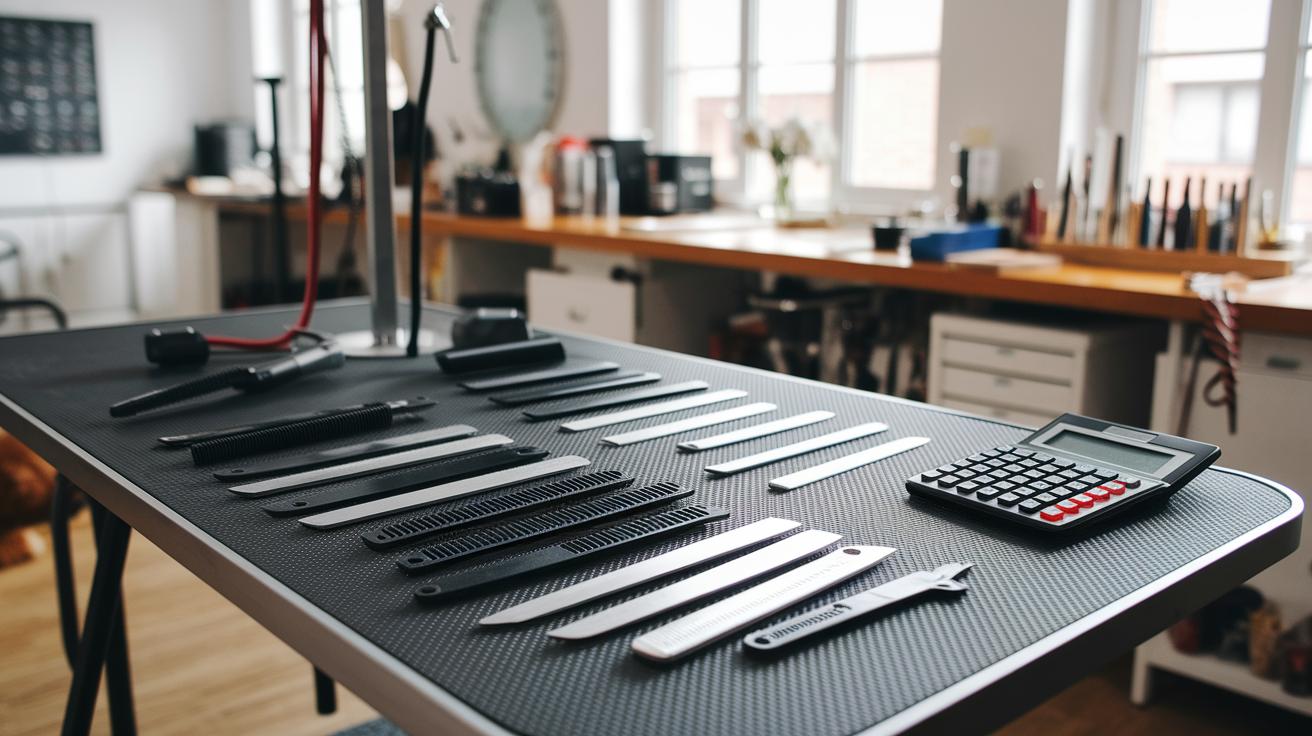
We cover these measurements in the table above. For example, a 1/2 inch blade measures 12.7 mm. Other common conversions are:
- 3/8 inch = 9.5 mm
- 1/4 inch = 6.35 mm
- 1/8 inch = 3.175 mm
- 1/16 inch = 1.5875 mm
Keep in mind, finish blades stay the same length but cut more finely. When you cut against the grain, the blade usually works at about half its full length. So a 1/4 inch blade may only trim about 1/8 inch when used against the grain.
Maintaining and Sharpening Dog Grooming Blades

Daily Cleaning and Oiling
Keeping your blades clean is as important as giving your pet a little belly rub. Turn off your clippers and use a good blade wash to knock off any hair, dirt, and dander from both the top cutter and the fixed rail. If you see any stubborn bits, a small brush can help get them out. When the clippers are running, place a few drops of oil along the cutting edge. This makes sure the blades run smoothly, stay cool, and avoid too much friction. You can even use a cooling spray, like Andis Cool Care Plus or Oster Kool Lube, to keep the blades at a safe temperature for your pet's skin. A well-oiled blade is less likely to pull on fur or cause any snagging.
- Clean off buildup after every grooming session
- Oil the blades often during use
- Use cooling sprays to keep the blades at a safe temperature
Tension Adjustment and Sharpening
Getting the tension right is key for a neat, even trim. Use a flathead screwdriver to adjust the tension screw. This screw sets how close the top cutter sits to the bottom rail. If the blades feel too loose, they might pull hair instead of cutting it cleanly. Look for any rust, chips, or worn edges because these might lead to uneven cuts or dragging. If you spot these, it’s best to resharpen the blades together so they stay in balance. For example, if you groom around five dogs a day, the blades usually work well for about 10 to 12 weeks. If you start noticing snagging or a dull cut, it might be time to sharpen them carefully with the right tools and by following the maker’s guidelines.
Specialty Blades and Finishing Options in Dog Grooming

Finishing blades, marked with an "F," give your pet a smooth and clean cut. They work best for those final, neat touches that make your pet look polished. Shallow-tooth blades are gentle and great for sensitive parts like the paws and face, so your pet stays comfy. Foil blades trim very finely and help remove undercoat without upsetting your pet.
Groomers often change between standard, finishing, and specialty blades in one session. This mix lets them tackle different textures and areas of your pet's coat with care. Technique matters too, cutting against the hair direction can reduce length by half, so a skilled hand makes all the difference.
Here are some tips on which blade to use:
- Use finishing blades for a smart, detailed look.
- Choose shallow-tooth blades for delicate spots.
- Opt for foil blades when you need a super fine trim.
Switching blades during grooming gives you more control and keeps your pet both comfortable and stylish.
Final Words
In the action, we broke down the dog grooming blades chart to help you match the right blade to your pet’s coat. We explored how blade sizes relate to cutting lengths and discussed simple tips for measuring, cleaning, and maintaining your clippers. The guide also covered specialty options for that smooth finish. Every detail is meant to save you time and reduce stress while keeping your pet healthy and happy. Enjoy the convenience and feel good knowing your choice supports animal rescues too.
FAQ
What does a dog clipper blade sizes chart in mm show?
The dog clipper blade sizes chart in mm shows how each blade number translates into metric cutting lengths. It typically includes measurements like 12.7 mm for ½”, 9.5 mm for ⅜”, and so on.
What is a dog grooming blade length chart PDF used for?
The dog grooming blade length chart PDF is a handy reference that maps each blade number to its cutting length in both inches and millimeters, helping you select the best blade for your dog’s coat.
How are dog grooming blades explained in guides?
The dog grooming blades explained typically outline that each blade number corresponds to a specific cutting length. For instance, a #4 blade suits medium-length coats, while a #10 blade is used for precise trimming around sensitive areas.
What does the best dog grooming blades chart display?
The best dog grooming blades chart displays a side-by-side comparison of blade sizes, cutting lengths, and recommended uses for various coat types so you can choose the right blade for your pet.
What information does a dog clipper blade sizes chart in inches provide?
The dog clipper blade sizes chart in inches provides a list of blade numbers paired with their cutting lengths in inches, such as ½”, ⅜”, ¼”, ⅛”, and 1⁄16″, guiding you for different grooming needs.
What details are included in the Andis dog clipper blade sizes chart?
The Andis dog clipper blade sizes chart includes specific measurements for Andis blades, mapping each blade number to its exact cutting length and suggesting the best use for each size.
What does the Wahl dog clipper blade sizes chart offer?
The Wahl dog clipper blade sizes chart provides size details for Wahl models. It aligns each blade number with its cutting length and recommended use, helping groomers choose suitable options for various coat types.
What is a 10 blade in dog grooming?
The 10 blade in dog grooming has a cutting length of about 1⁄16″ (or 1.5875 mm) and is used for precise trimming, especially around paws and sanitary areas for a neat finish.
Does a #7 or #10 blade cut shorter in dog grooming?
The #7 and #10 blades cut to different lengths. Generally, the #10 blade cuts shorter than the #7, offering a closer trim when used under the proper techniques.
What size blades do dog groomers typically use?
Dog groomers use a range of blade sizes; for example, a #4 is common for medium coats, while #7 and #10 blades provide closer trims. The choice depends on the breed and desired grooming style.
What are the different blades for dog grooming?
The different blades for dog grooming include standard blades for general cutting, finishing blades for a smooth, close cut, and specialty blades like foil blades for finer tapering and undercoat removal.
What blade should I use to cut my dog’s hair?
The blade you should use depends on your dog’s coat type. For medium coats, a #4 works best, while for precise cuts around sensitive areas, a #7 or #10 blade delivers a neat finish.