


Have you ever seen how a tiny change in your dog's diet can brighten their day? We know fish oil works like a charm for many pet parents. It contains omega-3 (a healthy fat) that helps boost energy, gives your dog a shiny coat, and keeps their joints moving smoothly. Many pet parents have noticed their pups become more lively and spirited with a bit of fish oil in their meal. Here, we share our top five picks to keep your dog feeling their very best every day.
Achieving Canine Wellness With Fish Oil Supplements
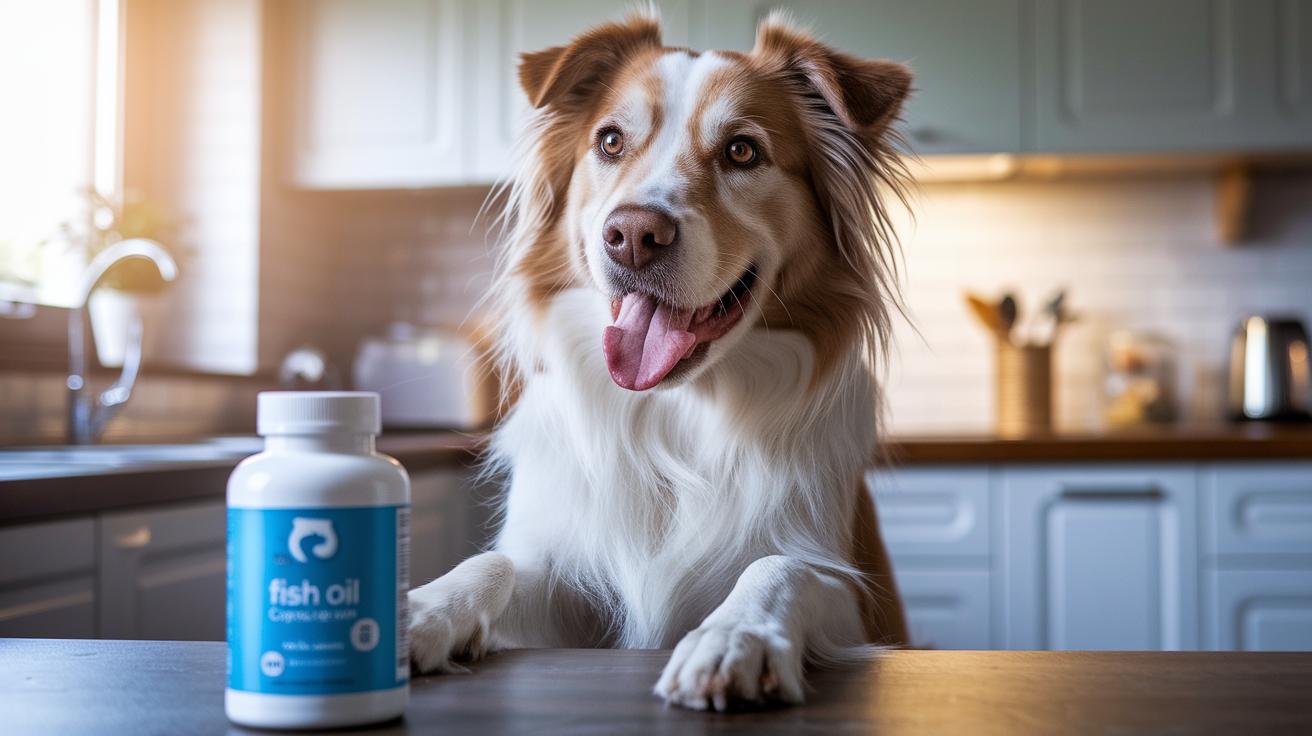
We know you want the best for your dog, and adding fish oil to their diet can really help. Fish oil gives your pup essential omega-3 fatty acids that their body can’t make on its own. These nutrients, called EPA and DHA, support a strong heart, clear eyes, and a good immune system. They also help keep your dog energetic and lively. Fun fact: Before supplements were around, even hard-working dogs often had low energy and dull coats. A little daily fish oil can change that.
Fish oil works in many helpful ways for your dog. It makes their coat look shiny and healthy, eases itchiness, and even helps hair grow strong by nourishing the skin from the inside. Plus, it has natural properties that help reduce inflammation, making it easier for your dog to move around and heal from minor injuries. This means more comfortable playtimes and walks for your furry friend.
It’s important to choose a high-quality, vet-reviewed fish oil supplement. Only trusted products made with proper care deliver the right amounts of EPA and DHA. Since dogs can’t produce these important fatty acids on their own, the right supplement is a smart way to support their heart, immune system, and overall vitality. In short, picking a quality fish oil today is an investment in your dog’s long-term health and happiness.
How Omega-3 Canine Nutrition Works in Dogs
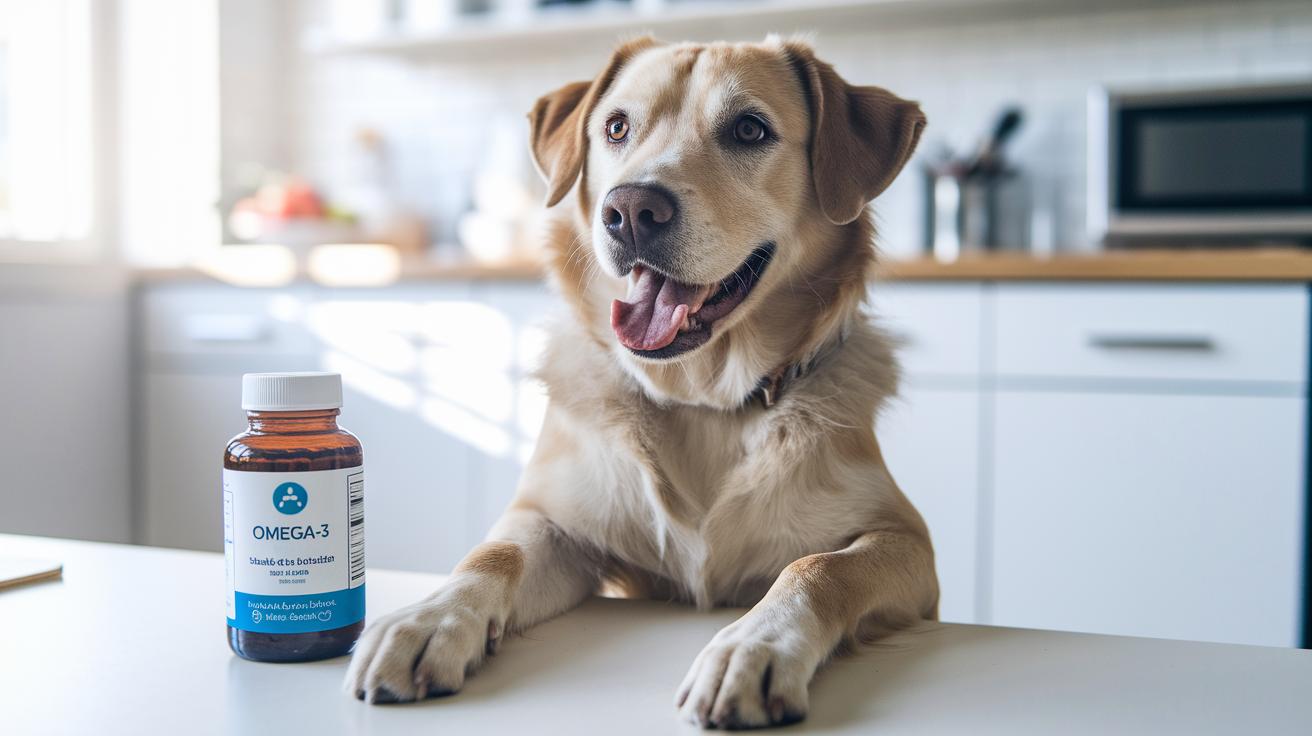
Omega-3 fatty acids, like EPA and DHA, help your dog's cells talk more clearly. They ease cell stress and block signals that can cause swelling. This is similar to how a light anti-inflammatory works.
Before supplements were common, dogs often had dull coats and stiff joints because their cells didn’t communicate well. Omega-3 can help with that.
You can get omega-3s from sources like algae or flaxseed, but these natural sources vary in quality. Fish oil, on the other hand, is pressed and cleaned to give a steady amount of EPA and DHA. That means you know exactly how much your dog is getting to support healthy heart, brain, and joints.
Safe Canine Omega Dosing: Determining Fish Oil Amounts for Your Dog
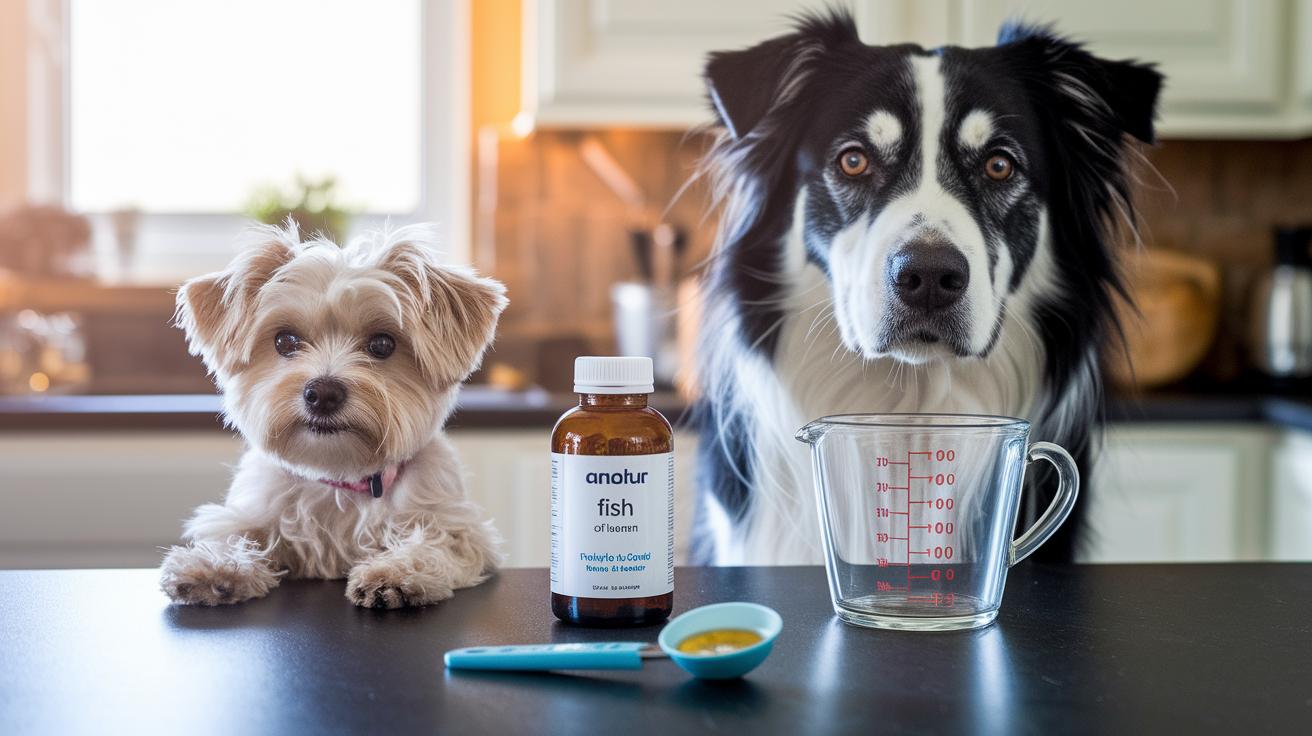
Getting the amount of fish oil right is important for your dog's health and to keep tummy troubles away. Too much fish oil can upset a sensitive stomach, especially for small pups or those that are pregnant or nursing. Start with a little and slowly add more, just like when you mix a bit of new food with the old to avoid a fussy tummy.
- Under 25 lbs: 200-500 mg per day
- 25-50 lbs: 500-1000 mg per day
- 50-75 lbs: 1000-1500 mg per day
- Over 75 lbs: 1500-2000 mg per day
- Puppies: start with about 1 mg per lb and work up slowly
These amounts are set to match your dog's weight and natural pace. Every dog is unique, and their body may react a bit differently to supplements. A careful approach can help the good omega-3 fats (like EPA and DHA) keep their skin, coat, and joints healthy without upsetting their stomach. We always suggest asking your veterinarian for advice specific to your dog’s needs. This way, you can be sure their fish oil dosing is both safe and helpful.
5 fish oil supplements for dogs fuel vitality
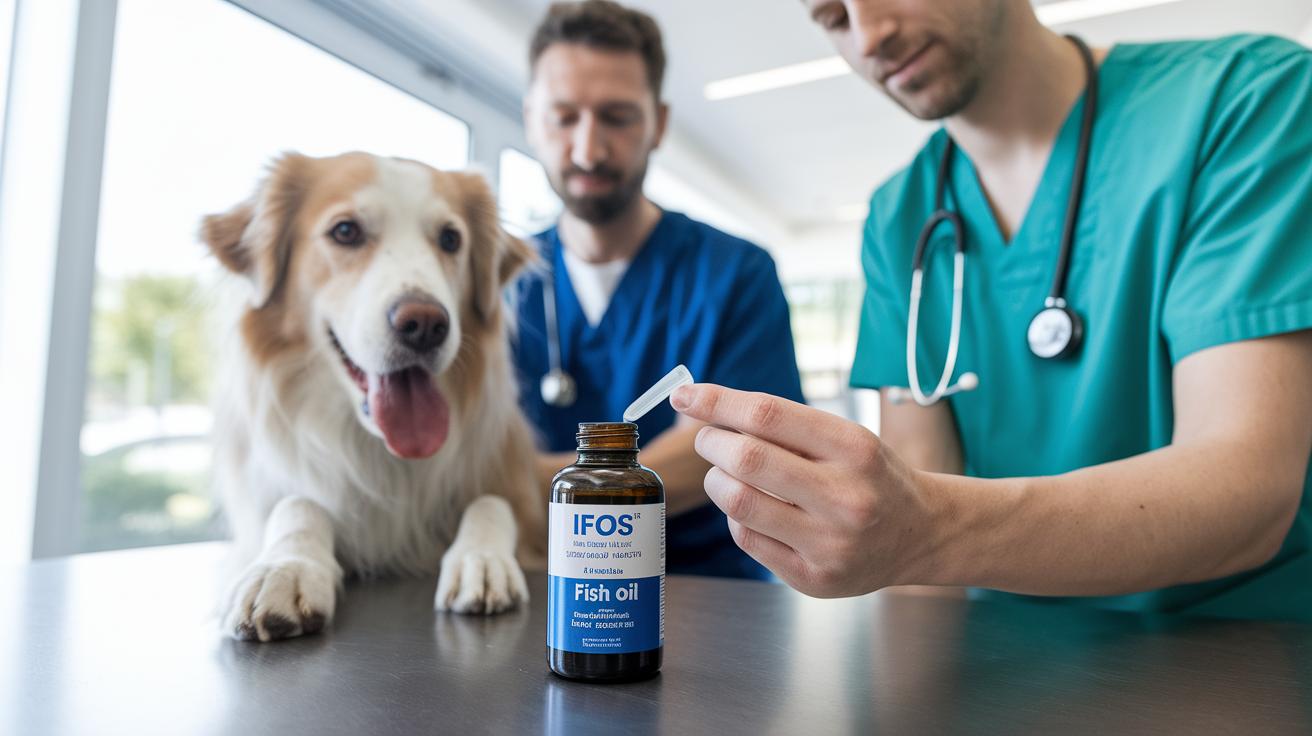
Choosing a fish oil supplement starts with checking the brand's reputation and its testing process. Trusted companies use independent tests with certifications like IFOS to prove quality and safety. When a formula is vet-reviewed, you know it gives your dog the omega-3 fatty acids they need. This solid quality helps support a strong heart, clear eyes, and a lively immune system.
Next, consider the type of oil your pet might benefit from. Natural triglyceride oil is close to how it exists in nature and is easy for dogs to absorb. Ethyl ester oil is more concentrated and comes with higher levels of EPA and DHA. Both types help your pet, but they work in different ways. Choosing the right formulation means your dog can enjoy more energy and consistent joint support.
Look for products with human-grade purity and added nutrients like vitamin E, which helps keep the omega oils fresh. Certifications mean the oil is free of contaminants and safe for your pup. A supplement that meets these high standards can help your dog have healthier skin, a shinier coat, and stronger immune support. High-quality supplements keep working with every dose to maintain lasting vitality.
Finally, decide on the form that fits your pet’s lifestyle. Soft-gel capsules can be a tasty treat and are simple to serve. Liquid supplements mix easily into wet or dry food and let you measure the dose with a dropper. If you are thinking about pairing it with the best joint supplement for dogs, check that the format works well with your routine. This choice helps keep your pup active and happy.
Understanding Side Effects and Safety Guidelines of Fish Oil in Dogs

Too much fish oil too fast can upset your dog's tummy. They might toss their food, have diarrhea, or show other signs of discomfort. This is especially true for sensitive dogs, like those that are pregnant or nursing.
Start with a small dose and watch how your dog reacts. Then, slowly increase the amount while mixing it into their food to help with digestion. It's always a good idea to get advice from your vet. They can help you balance the anti-inflammatory benefits of fish oil with other fats in your dog's diet.
Best Practices for Administering and Storing Fish Oil Supplements for Dogs
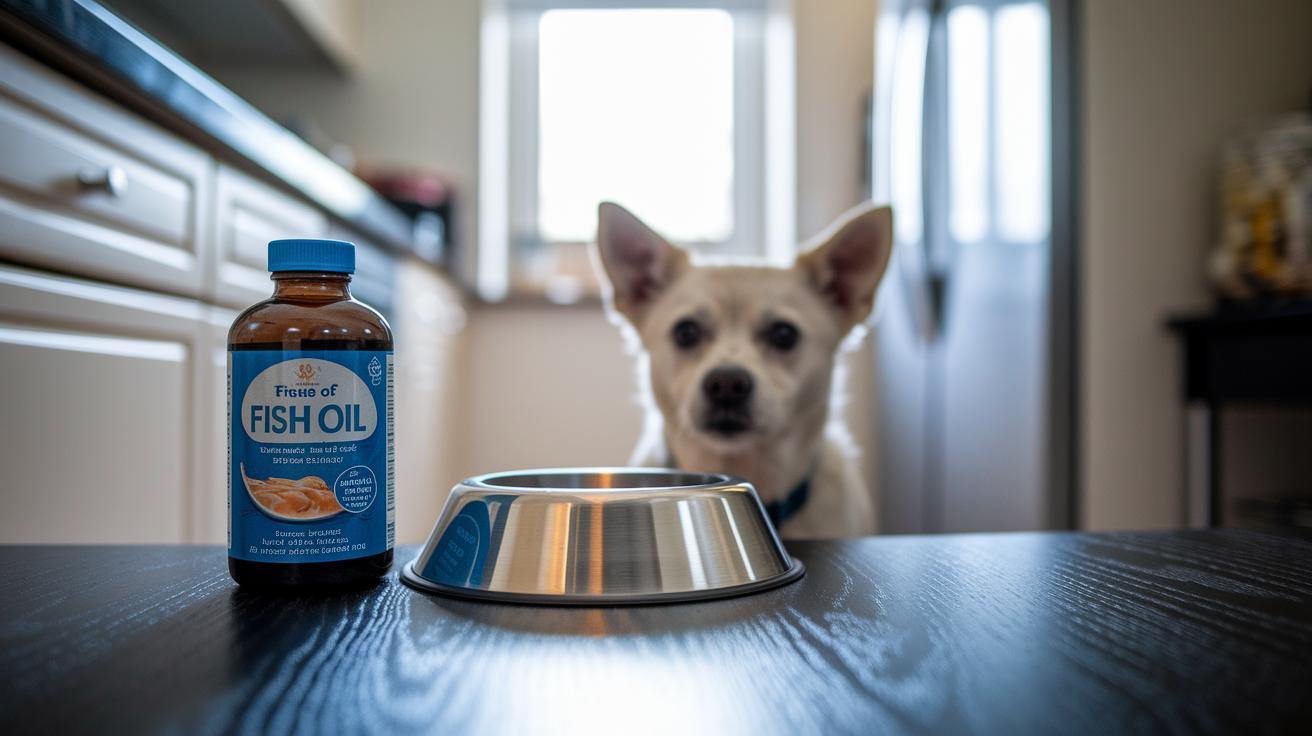
To keep your fish oil fresh, store it in the fridge in a dark bottle. This simple step shields the oil from heat, light, and air so the good omega-3s stay intact. Always give it a sniff. If it smells off, it’s best to toss it out so your dog stays safe.
There are a few easy ways to add fish oil to your dog's diet. You can stir a little into either wet or dry food, which helps your pet take it without any fuss. If mixing food doesn’t work, try using a dropper or syringe to get the right dose. Some fish oils come with vitamin E and other nutrients, offering an all in one boost for a balanced meal.
When you start, add a small dose and slowly increase it. This gradual approach lets your dog adjust and makes it easier to spot any tummy troubles. A regular daily routine not only supports joint health but also helps your dog enjoy all the benefits of these essential omega-3 fatty acids.
Final Words
In the action, we explored how omega-3 boosts your pet's wellness. We covered the benefits of adding fish oil to improve coat shine, joint mobility, and immune support. We also walked through safe dosing, storage tips, and how to choose a product that works, and really makes a difference.
Good quality fish oil supplements for dogs can play a vital role in keeping your pet happy and healthy. Keep making choices that support your pet’s well-being and ethical impact.
FAQ
What is the best fish oil for dogs?
The best fish oil for dogs delivers essential omega-3 fatty acids (EPA/DHA) that support a shiny coat, healthy joints, and a strong heart. Look for products with clear dosing guidelines and trusted certifications.
What is a fish oil dosage chart for dogs?
The fish oil dosage chart suggests 200–500 mg per day for dogs under 25 lbs, 500–1000 mg for 25–50 lbs, 1000–1500 mg for 50–75 lbs, and 1500–2000 mg for dogs over 75 lbs, with puppies starting at about 1 mg per lb.
What benefits do fish oil supplements provide for dogs?
Fish oil supplements benefit dogs by enhancing coat shine, reducing itchiness, supporting joint mobility, and promoting heart, eye, and immune health through potent anti-inflammatory omega-3 fatty acids.
How should human fish oil be dosed for dogs?
Dosing human fish oil for dogs requires careful adjustment since formulations differ. Always consult your vet to start with a low dose and gradually increase it based on your dog’s weight and overall health.
Which Omega-3 is best for dogs with itchy skin?
The best Omega-3 for dogs with itchy skin contains high levels of EPA and DHA to help soothe inflammation and enhance skin health. A vet-recommended, high-quality supplement is ideal for reducing dryness and irritation.
Are brands like Nordic Naturals and Chewy good options for dog fish oil?
Nordic Naturals and Chewy fish oil products are trusted choices known for quality and purity. Their formulations provide consistent omega-3 levels, ensuring safe absorption and effective support for your dog’s overall well-being.
Is fish oil supplementation good for dogs?
Fish oil supplementation is good for dogs when given in proper amounts. It supports heart, joint, and immune health while improving the coat. Always work with your vet to ensure safe and effective dosing.
How much fish oil should my dog have each day?
The daily amount of fish oil depends on your dog’s weight, typically ranging from 200 mg in small dogs to 2000 mg in large dogs. Consult your vet to determine the right dose for your pet’s needs.